

Aerial & Scissor Lift Training
Hands-on operator training that helps crews inspect, position and operate lifts safely at height.
Trained operators make safer lifts.
Aerial and scissor lifts put workers high above the ground, where tip-overs, falls, electrocution and crushing hazards are real risks. OSHA allows only trained, authorized people to operate aerial lifts, and the ANSI/SAIA A92 standards outline training and familiarization expectations.
Onsite Safety trains operators to inspect their machine, assess the work area and use the lift correctly, so crews can work at height with confidence.
Harnesses & PPE made for your type of work
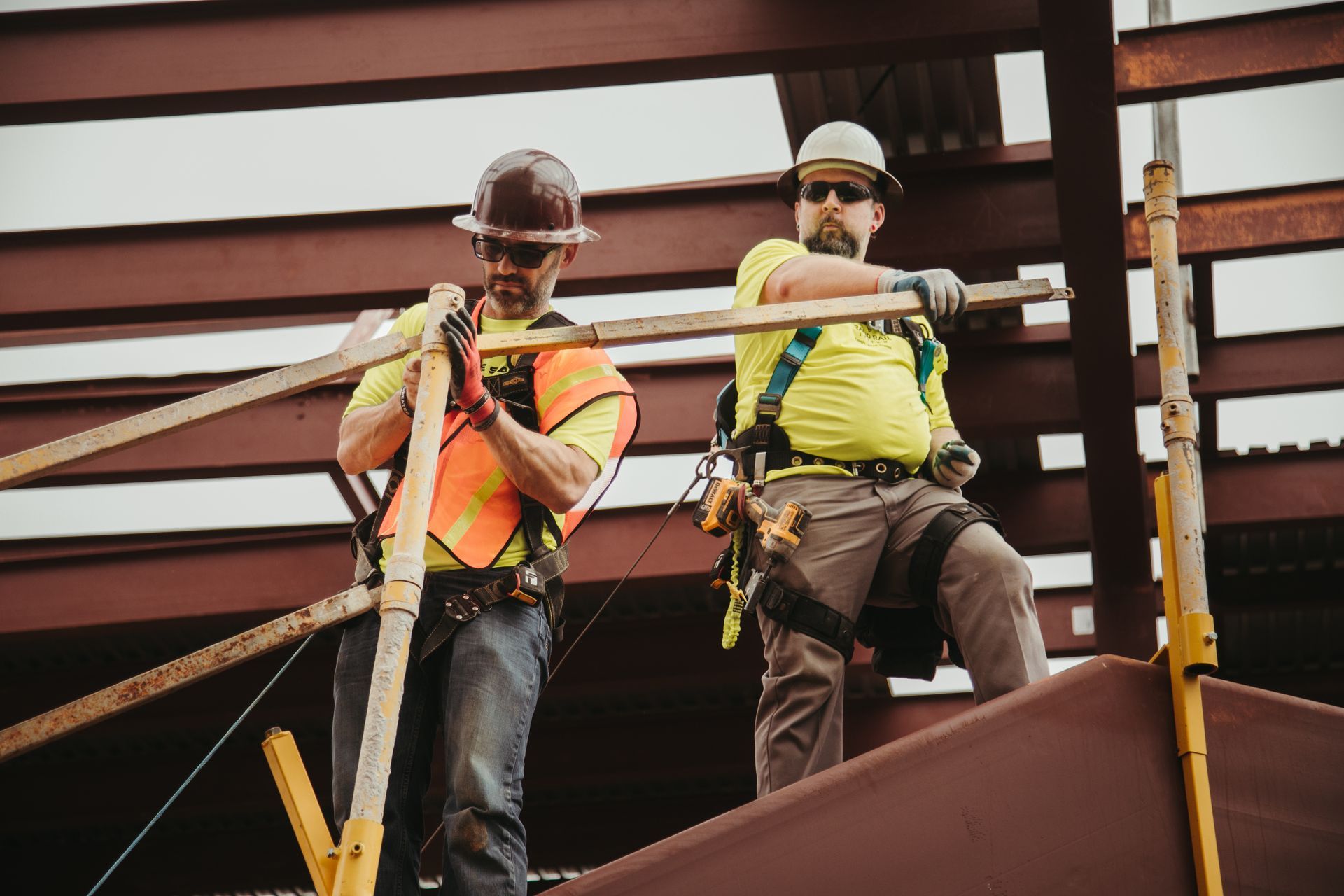
COMMERCIAL ANCHOR POINTS
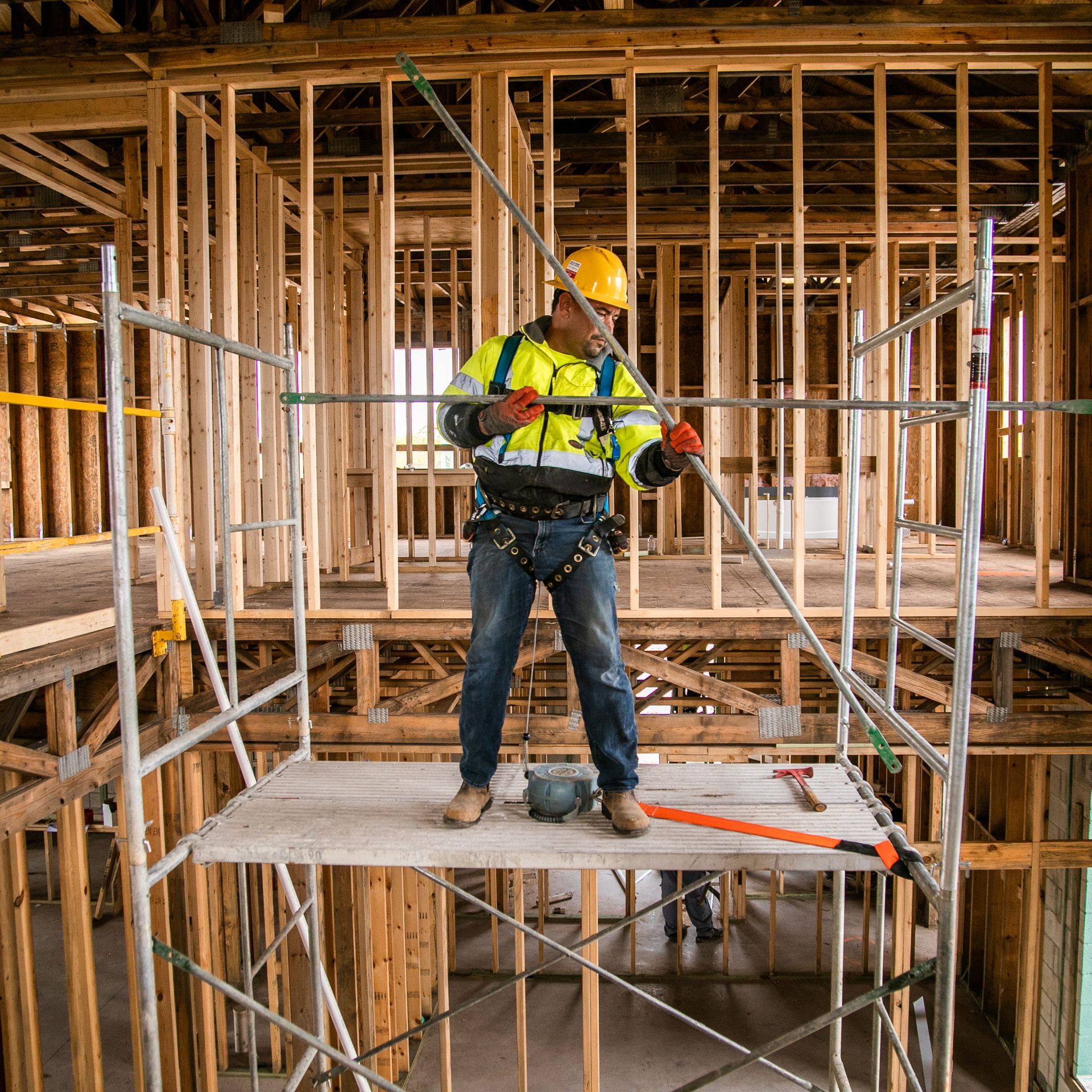
RESIDENTIAL ANCHOR POINTS
Different projects require different applications. Explore how fall protection systems are applied in residential and commercial environments.
What We Cover
Training for Every Type of Lift
Three focus areas for operators and the crews who work with them.
Aerial & Boom Lifts
Articulating and telescopic booms with a basket or platform.
- Fall protection in the basket
- Reach, load and stability limits
- Safe positioning and travel
Scissor Lifts
Vertical platforms for interior and exterior work.
- Guardrails, gates and platform use
- Floor and slope conditions
- Driving and elevating limits
Inspection & Site Assessment
Checks before the lift goes up.
- Pre-start and function tests
- Ground, weather and overhead hazards
- Power line clearances
The Onsite Safety Difference
Training for Your Type of Work
Residential and commercial jobs use lifts in different ways.
Residential & Roofing Crews
- Boom lifts for exterior work and roof access
- Working on soft, sloped or uneven ground
- Close work near homes and power lines
Commercial & Industrial Crews
- Scissor lifts for ceilings, decks and interior work
- Large boom lifts for steel and facade work
- Busy sites with other trades and equipment
What Your Operators Will Learn
Training covers the hazards and procedures common to aerial work platforms.
- Parts, controls and safety devices of the machine
- Pre-start inspection and function testing
- Reading the manufacturer's manual and load limits
- Work area surveys for ground, slope and overhead hazards
- Fall protection requirements for each lift type
- Staying clear of electrical power lines
- Safe driving, positioning and stabilizing
- Emergency lowering and rescue procedures
HOW IT WORKS
Correct gear starts with the right process.
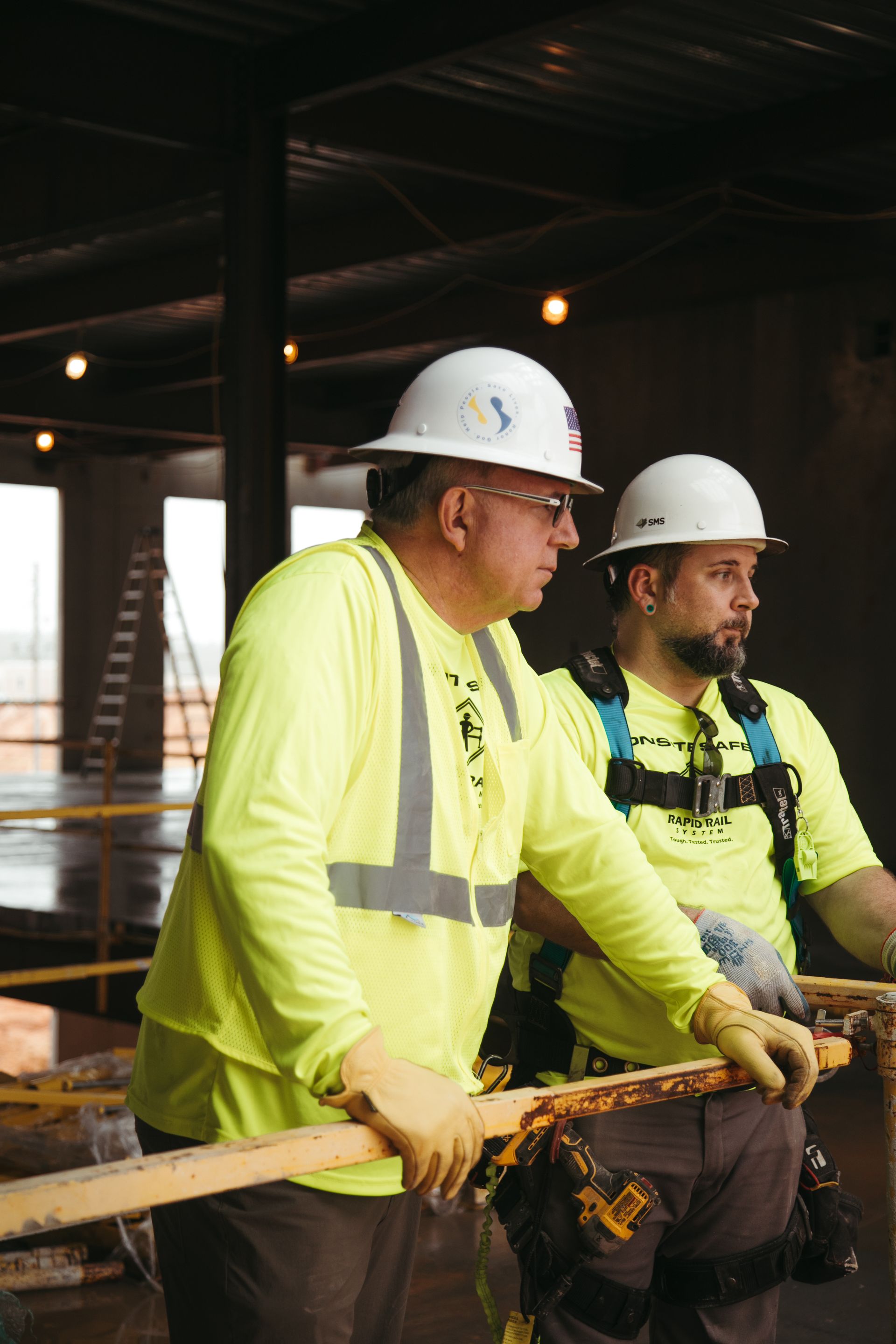
1. Site Assessment
We evaluate your roof or structure, map hazards, and determine the anchors needed.
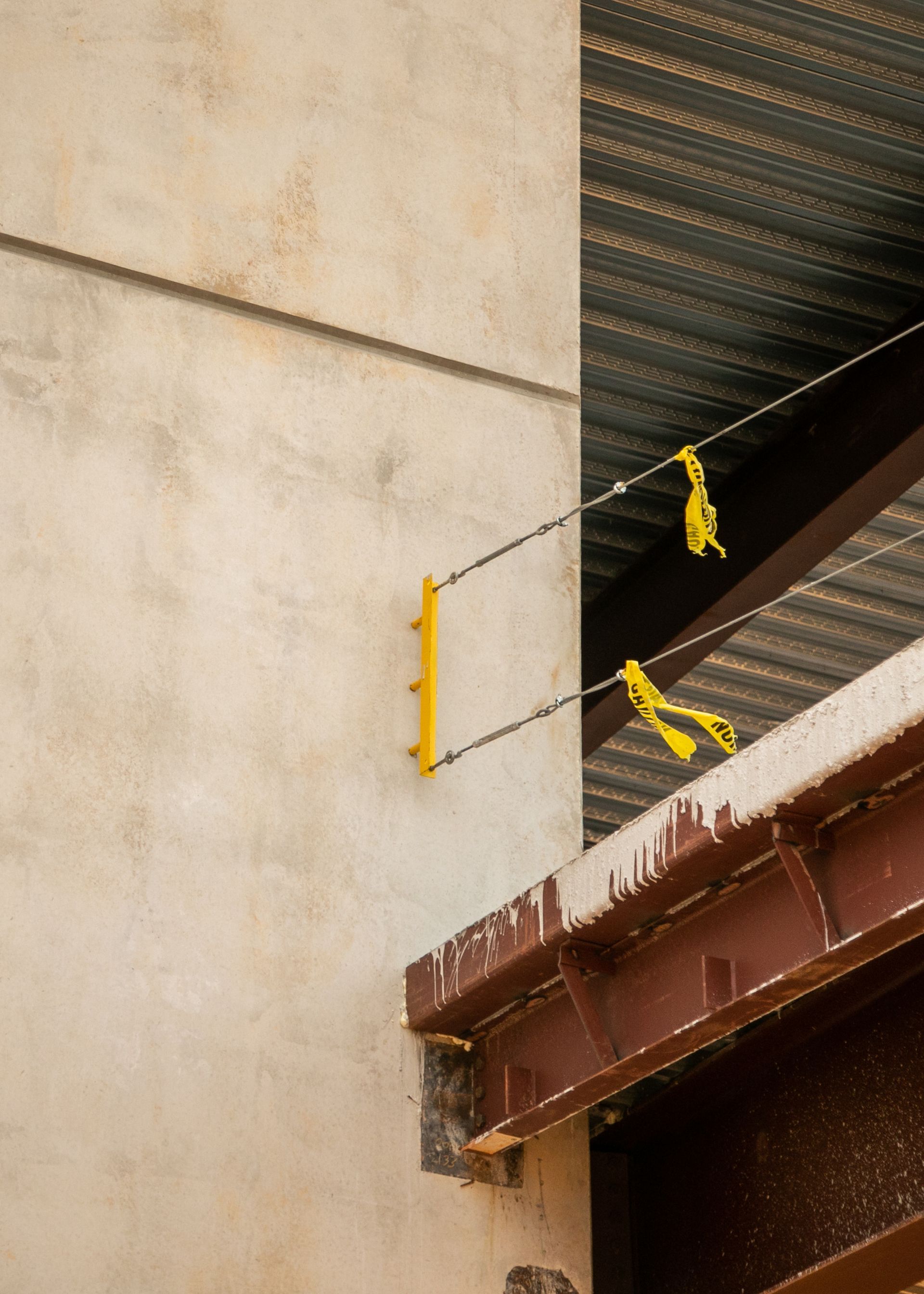
2. Engineering Review
Text should extend…
FAQs
Answers to common questions from contractors and jobsite safety teams.
Who is allowed to operate an aerial lift?
OSHA allows only trained and authorized persons to operate aerial lifts. Training should cover the specific machine and the hazards of the work area.
Does OSHA issue an operator license?
No. OSHA does not issue licenses. Employers authorize their operators, and training records document that the operator has been trained and familiarized with the machine.
Do I need a harness in a scissor lift?
It depends on the lift type and conditions. Boom-type aerial lifts generally require a harness with a lanyard attached to the boom or basket. A scissor lift with properly installed guardrails typically is protected by them. Always follow the manufacturer's instructions and your site's rules.
How close can a lift get to power lines?
Operators must keep a safe distance from power lines, and the required clearance depends on line voltage. For lines up to 50 kV, the general minimum is 10 feet. Treat every line as energized and confirm the required clearance for the job.
OUTCOMES
Safer crews.
Fewer delays.
One standard.
Trained operators avoid costly accidents, protect the people around them and keep work moving.
Ready to Train Your Lift Operators?
Talk with a safety specialist to find the right lift training for your operators.
 FREE INSTANT ESTIMATE