

Improve Workplace Safety with Comprehensive Site Audits
Identify Risks, Strengthen Compliance, and Enhance Site Performance
Comprehensive site audits play a vital role in maintaining a safe, compliant, and efficient work environment. Our professional site audit services help businesses identify potential hazards, evaluate existing safety procedures, and assess compliance with OSHA regulations and industry standards. Through detailed on-site evaluations, we examine workplace conditions, equipment, operational practices, and safety management systems to uncover risks and identify opportunities for improvement. Our proactive approach helps organizations prevent workplace incidents, reduce operational disruptions, and maintain a strong safety culture.
Guardrails made for your type of work
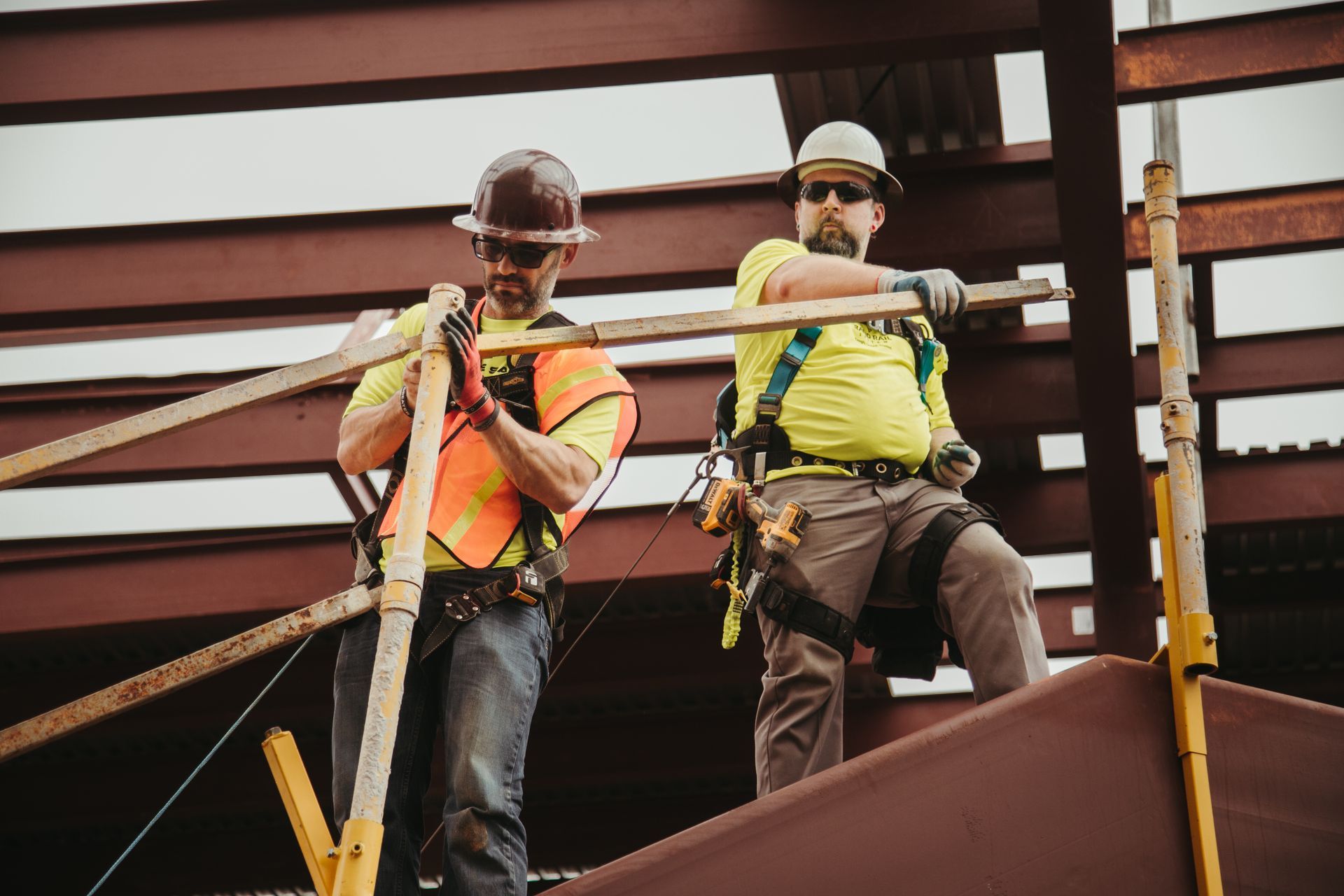
COMMERCIAL GUARDRAILS
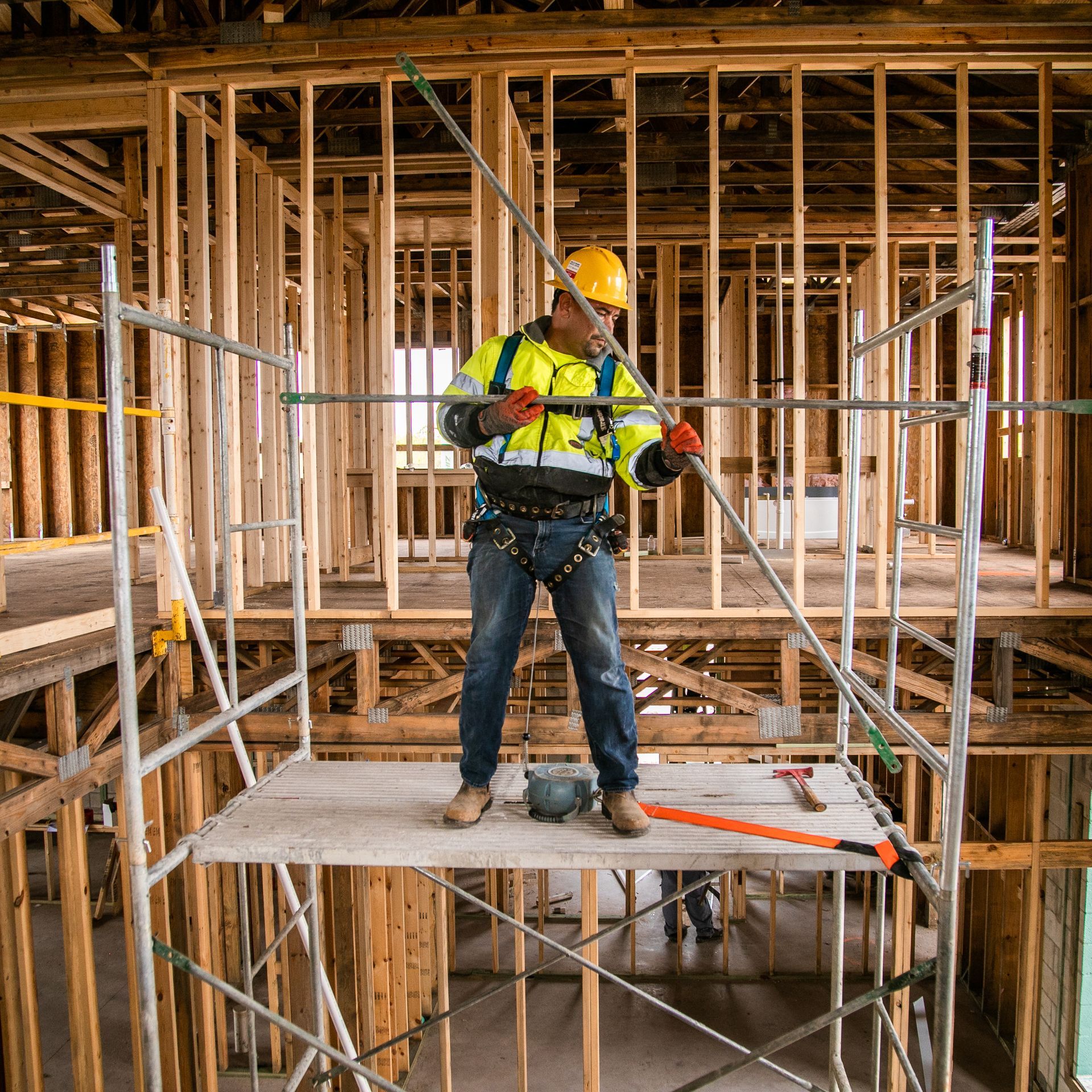
RESIDENTIAL GUARDRAILS
Different projects require different applications. Explore how fall protection systems are applied in residential and commercial environments.
What are Guardrails?
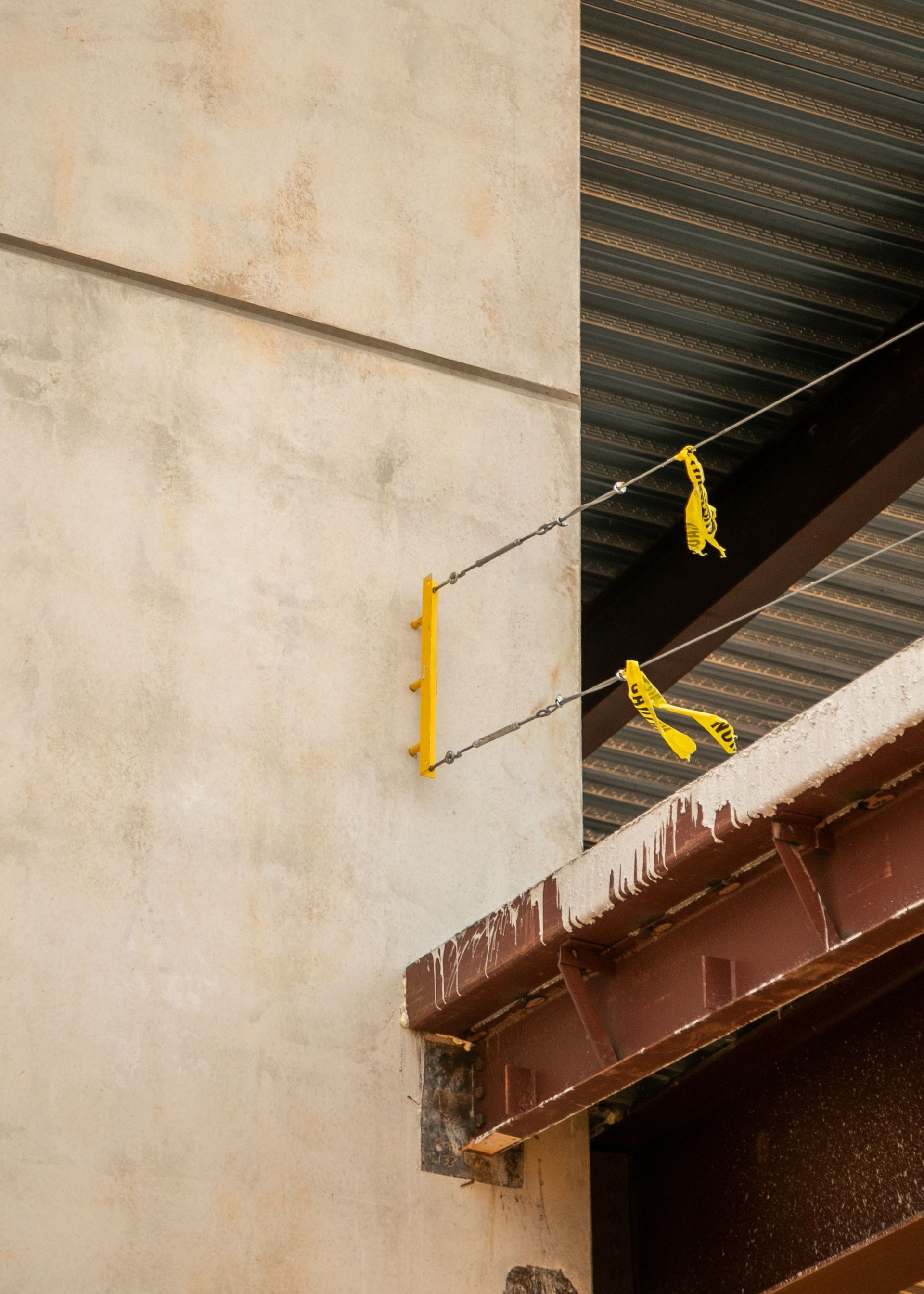
Guardrails are protective safety barriers designed to prevent workers from falling off elevated surfaces, such as rooftops, scaffolds, platforms, stairways, and construction sites. They serve as an essential fall protection measure, helping reduce workplace accidents and injuries while supporting compliance with OSHA safety standards.
Guardrails are commonly used for:
- Elevated decks and slabs
- Roof edges and leading edges
- Interior framing and structural work
- Maintenance and access operations
Guardrails for Commercial & Facilities
Engineered, permanent systems for maintenance and facility access.
Lorem ipsum dolor sit amet, consectetur adipiscing elit. Sed do eiusmod tempor incididunt ut labore et dolore magna aliqua. Ut enim ad minim veniam, quis nostrud exercitation ullamco laboris nisi ut aliquip ex ea commodo consequat.
Common applications:
- Roof access for HVAC, mechanical, and electrical work
- Facility and maintenance teams
- Industrial and manufacturing facilities
- Schools, campuses, and government buildings
- Multi-building portfolios
- Façade access and window washing
Key benefits:
- OSHA / ANSI compliant
- Permanent, long-life systems
- Horizontal lifelines for continuous movement
- Inspections, recertification, and documentation
Guardrails for Residential Homes & Roofing
Safe, simple tie-off solutions for homeowners and roofing crews.
Lorem ipsum dolor sit amet, consectetur adipiscing elit. Sed do eiusmod tempor incididunt ut labore et dolore magna aliqua. Ut enim ad minim veniam, quis nostrud exercitation ullamco laboris nisi ut aliquip ex ea commodo consequat.
Common applications:
- Roofing projects
- Gutter cleaning & maintenance
- Storm damage repair
- Insurance-driven replacements
- Homeowner tie-off points
- Ladder and roof-edge transitions
- Temporary anchors for short-term projects
Key benefits:
- Simple installation
- Affordable and highly effective
- Compatible with shingle, tile, metal, and other roof types
- Safer access for routine home maintenance
- Peace of mind for homeowners and contractors
THE ONSITE SAFETY DIFFERENCE
Types of Guardrails We Install
We offer a range of guardrail solutions to match your environment and safety needs.
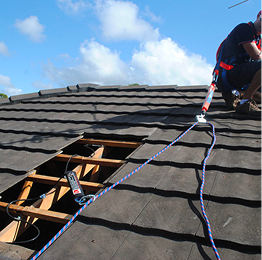
Temporary Anchor Points
Ideal for framing, decking, and sheathing. Fast installs with minimal disruption.
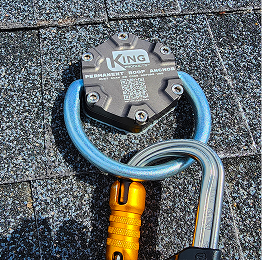
Permanent Roof Anchors
Mounted to rafters for long-term access on complex rooflines.
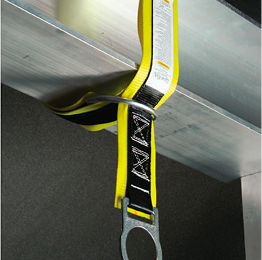
Strap Anchors
For new-build roofs, fastened before sheathing installation.
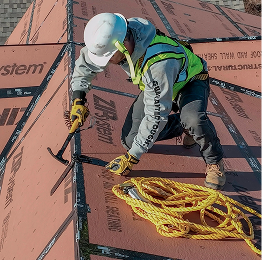
Reusable Anchors
Rugged steel anchors that move with crews across multiple homes.
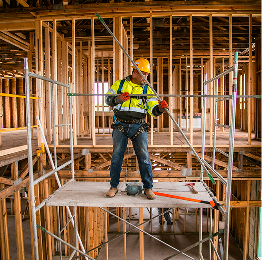
Custom Residential Solutions
For unique elevations, steep designs, or builder-specific workflows.
HOW IT WORKS
A safe anchor system requires more than hardware—it requires expertise. Our process ensures your anchors are installed correctly and documented properly.
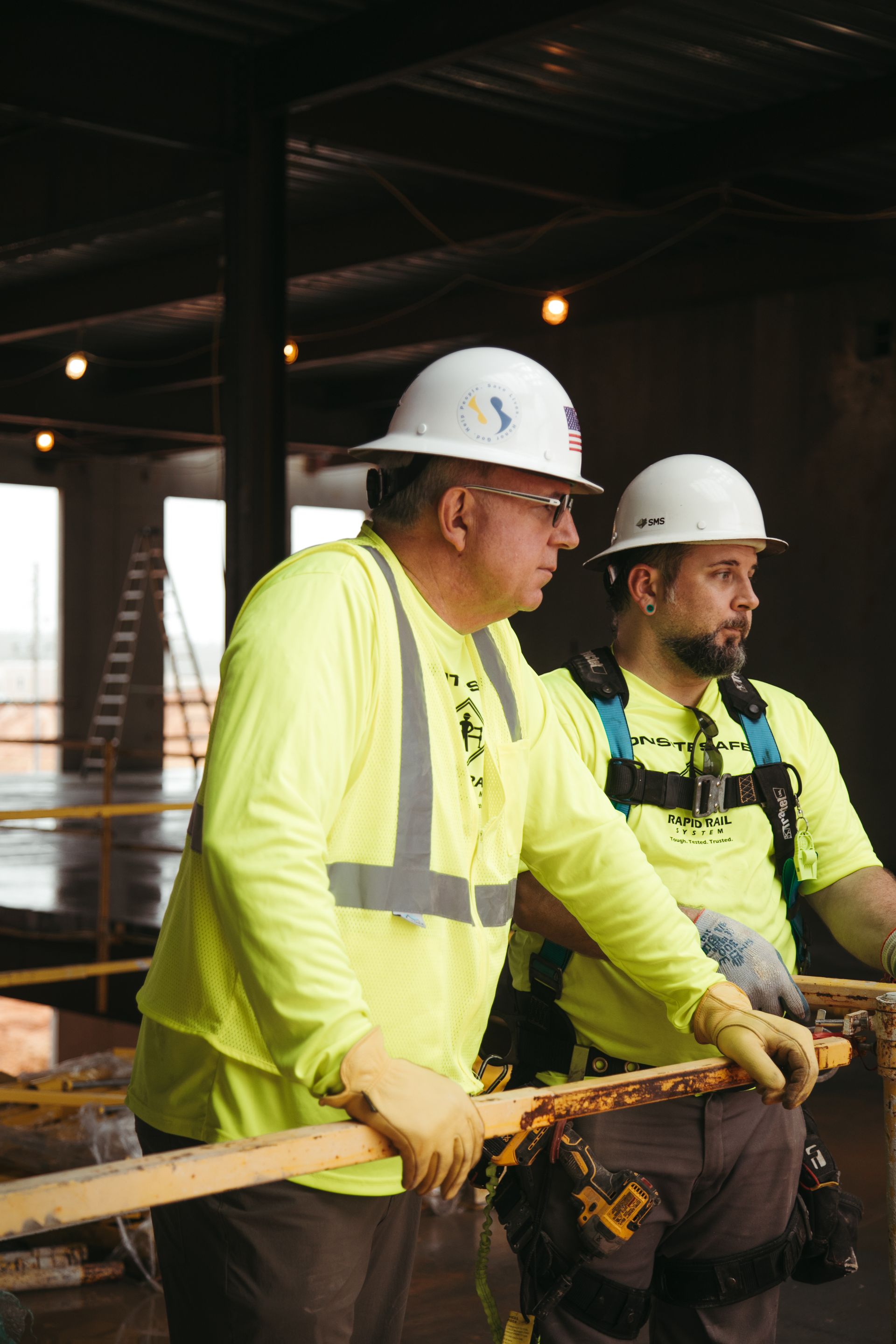
1. Site Assessment
We evaluate your roof or structure, map hazards, and determine the anchors needed.
2. Engineering Review
Text should extend…
FAQs
Answers to the most common questions from residential contractors, commercial builders, and jobsite safety teams.
How strong must an anchor point be?
According to OSHA standards, anchor points used for personal fall arrest systems must support at least 5,000 pounds per worker attached or be designed, installed, and used under the supervision of a qualified person with a safety factor of at least two. Onsite Safety emphasizes proper anchor selection to help maintain workplace safety and compliance.
Do anchors work on every roof type?
Not all anchors are suitable for every roof type. Compatibility depends on the roofing material, structural support, and anchor design. Different solutions are available for metal, concrete, and other roofing systems. Onsite Safety recommends selecting anchors specifically designed for your roof structure and application.
Do anchor points require inspections?
Yes. Fall protection equipment must be inspected before use, and anchor points should be checked for damage, corrosion, loose connections, and other signs of deterioration. Additional periodic inspections may be required by the manufacturer or applicable regulations. Regular inspections help ensure that anchor points remain safe and reliable.
Are non-penetrating anchors reliable?
Yes. Non-penetrating anchors can provide reliable fall protection when properly designed, installed, and used according to manufacturer specifications. These systems help protect certain roofing surfaces by eliminating the need for drilled attachments. However, their suitability depends on roof conditions, system limitations, and applicable safety requirements.
OUTCOMES
Safer crews. Fewer delays. One standard.
Fall protection systems help maintain safe access, support compliance, and provide consistent protection wherever work is performed at height.
Need Support on Your Next Project?
Talk with a safety specialist to determine the right guardrail solution for your project.

 FREE INSTANT ESTIMATE