

PERMANENT RAILS
Durable, compliant barrier systems for long-term facility safety.
Permanent Rails for Residential & Commercial Projects
Engineered for long-term facility access and safety
Our permanent rail systems are designed to secure elevated work zones across all structure types, including rooftops, mezzanines, and industrial platforms. We configure every installation to meet the specific architectural and operational demands of your facility, ensuring a tailored, OSHA-compliant safety solution rather than a one-size-fits-all approach.
- OSHA-Compliant: Meets 1910 General Industry & building code standards.
- Durable Finishes: Galvanized, aluminum, or powder-coated for weather resistance.
- Non-Penetrating Options: Weighted bases protect roof membranes and warranties.
- Professional Installation: Seamless integration with existing architecture and workflow.
Permanent Rails made for your type of work
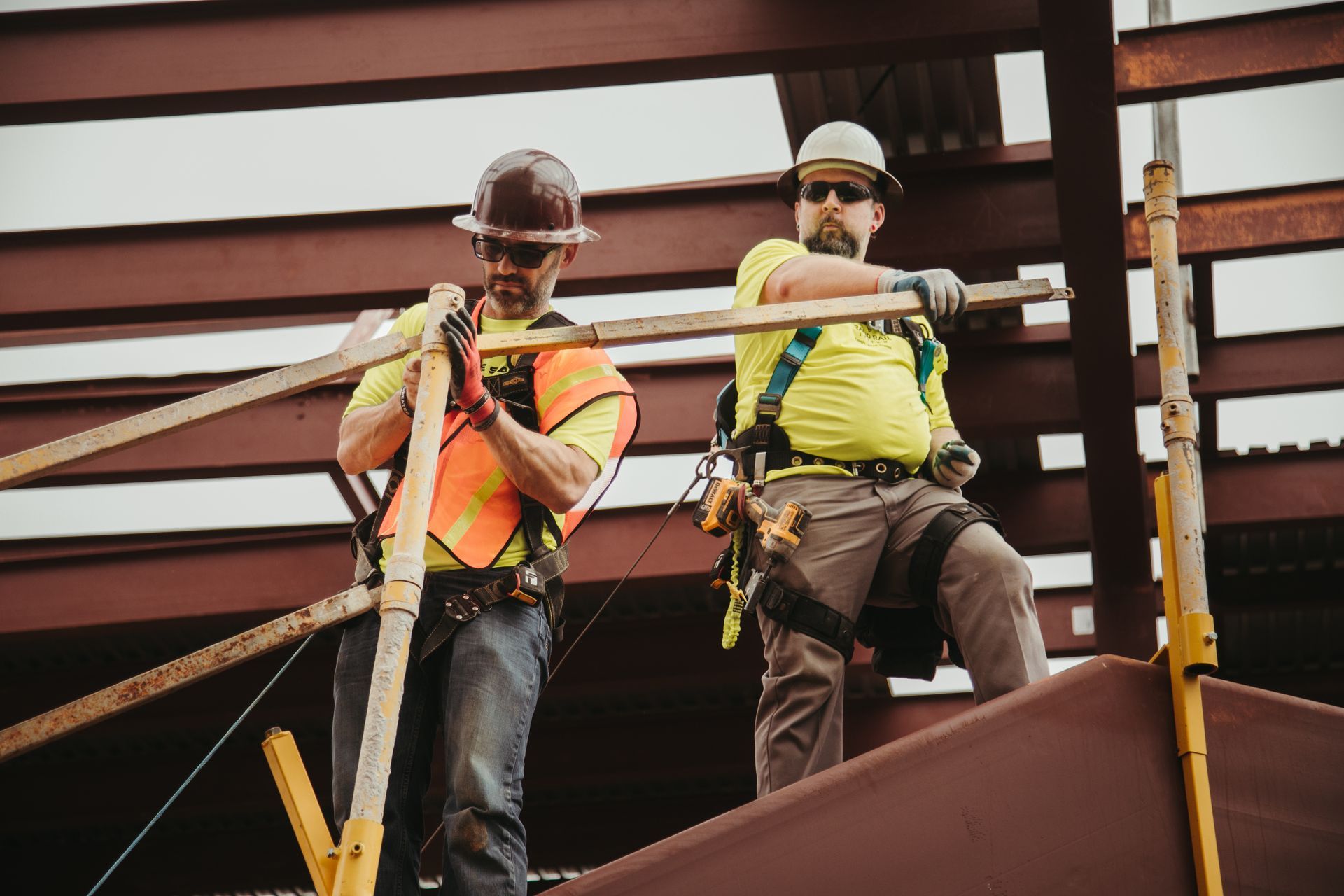
COMMERCIAL PERMANENT RAILS
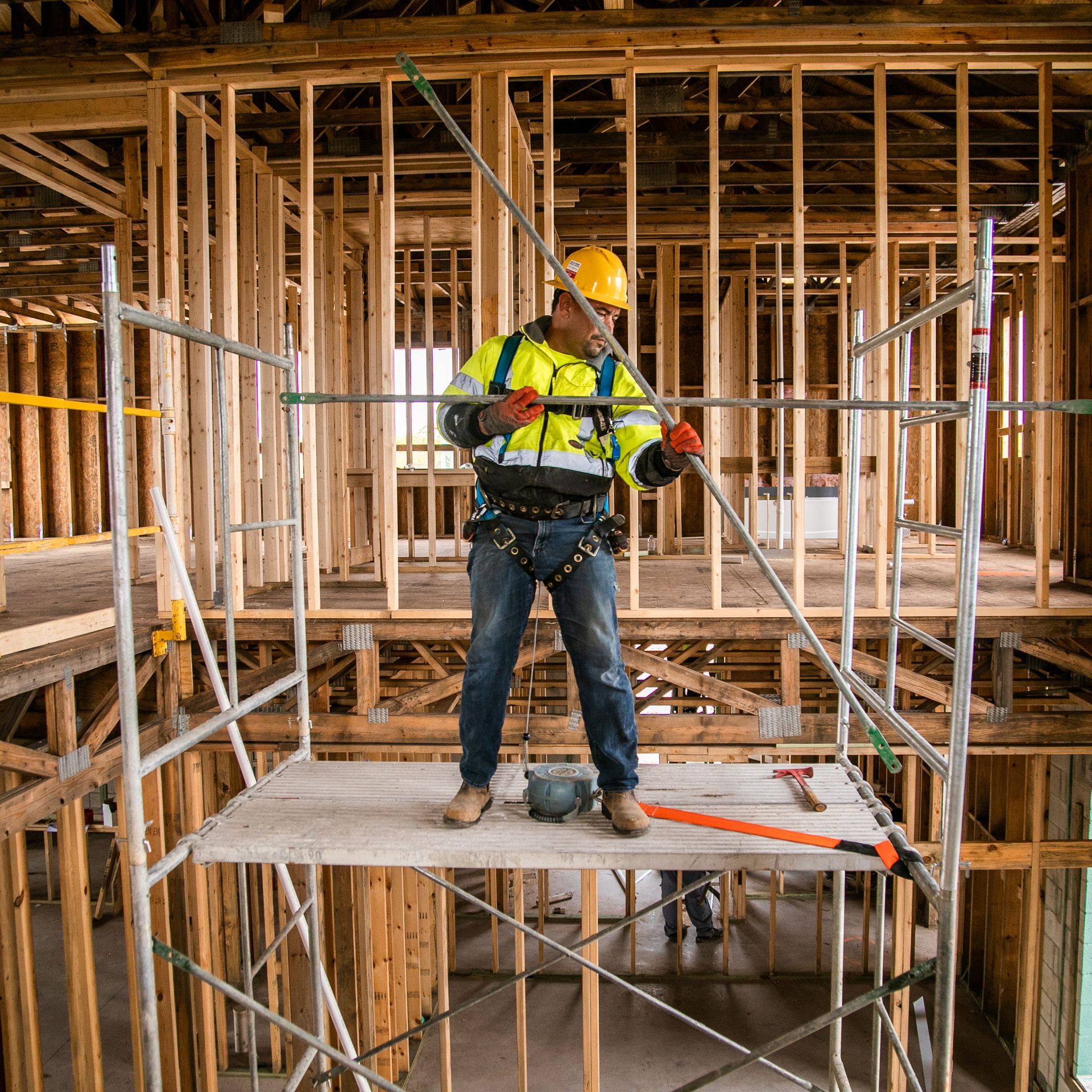
RESIDENTIAL PERMANEN TRAILS
Different projects require different applications. Explore how fall protection systems are applied in residential and commercial environments.
What are Permanent Rails?
Permanent rails are fixed barrier systems designed to provide continuous, passive fall protection for building maintenance and access areas. Unlike temporary solutions, these systems are engineered to withstand long-term exposure to the elements while ensuring 24/7 compliance without user training or equipment.
Permanent Rails are commonly used for:
- Rooftop Perimeters: Protecting HVAC technicians and maintenance crews near edges.
- Skylights & Hatches: Securing fragile roof openings and access points.
- Loading Docks & Mezzanines: Preventing falls from elevated platforms and logistics bays.
- Walkways & Catwalks: Delineating safe paths across industrial equipment or machinery.
Permanent Rails for Commercial & Facilities
Engineered, permanent systems for maintenance and facility access.
Secure your facility’s rooftops and elevated platforms with durable, OSHA-compliant permanent railing systems. These passive barriers ensure continuous safety for maintenance staff and contractors, eliminating the need for complex tie-off procedures or active fall protection gear.
Common applications:
- Rooftop Service Areas: Protecting HVAC, mechanical, and electrical equipment zones.
- Industrial Platforms: Securing catwalks, mezzanines, and manufacturing floors.
- Loading Docks: Preventing falls from elevated shipping and receiving bays.
- Institutional Buildings: Safe access for schools, hospitals, and government facilities.
- Roof Openings: Permanent barriers around skylights and roof hatches.
- Parapet Extensions: Raising low parapet walls to meet compliant heights.
Key benefits:
- OSHA / ANSI compliant
- Permanent, long-life systems
- Horizontal lifelines for continuous movement
- Inspections, recertification, and documentation
Permanent Rails for Residential Living & Maintenance
Safe, aesthetic barrier solutions for rooftop decks and flat roof access.
Enhance the safety and functionality of residential properties with permanent railing systems. Designed to blend with architectural aesthetics, these barriers provide code-compliant protection for rooftop living spaces and frequent maintenance zones without requiring active fall protection gear.
Common applications:
- Rooftop decks and terraces
- Walkout balconies
- Solar panel cleaning & maintenance access
- Flat roof HVAC service areas
- Garden or green roof perimeters
- Skylight and hatch protection
Key benefits:
- Passive Safety: No harnesses or training required for residents or workers.
- Aesthetic Options: Designs that complement the home's exterior (e.g., architectural aluminum, concealed fixings).
- Code Compliance: Meets residential building codes for elevated walking surfaces.
- Weather Resistant: Durable materials engineered to withstand long-term exposure.
- Reduced Liability: Continuous protection for homeowners, guests, and service contractors.
THE ONSITE SAFETY DIFFERENCE
Types of Guardrails We Install
We offer a range of guardrail solutions to match your environment and safety needs.

Non-Penetrating Systems
Modular, free-standing rails with weighted bases. Perfect for flat roofs to avoid membrane damage and preserve warranties.
Fixed-Mount Rails
Bolted directly into the structure (parapet, deck, or metal roof seam) for maximum stability and a lower profile.
Parapet Extensions
Rail kits designed to mount onto existing low walls, raising the barrier height to meet OSHA compliance without major reconstruction.
Skylight Screens & Rails
Specialized barriers that surround or cover fragile roof openings to prevent fall-through accidents.
Custom Architectural Rails
Designed for high-visibility areas like rooftop terraces, blending safety compliance with building aesthetics.
HOW IT WORKS
A safe anchor system requires more than hardware—it requires expertise. Our process ensures your anchors are installed correctly and documented properly.
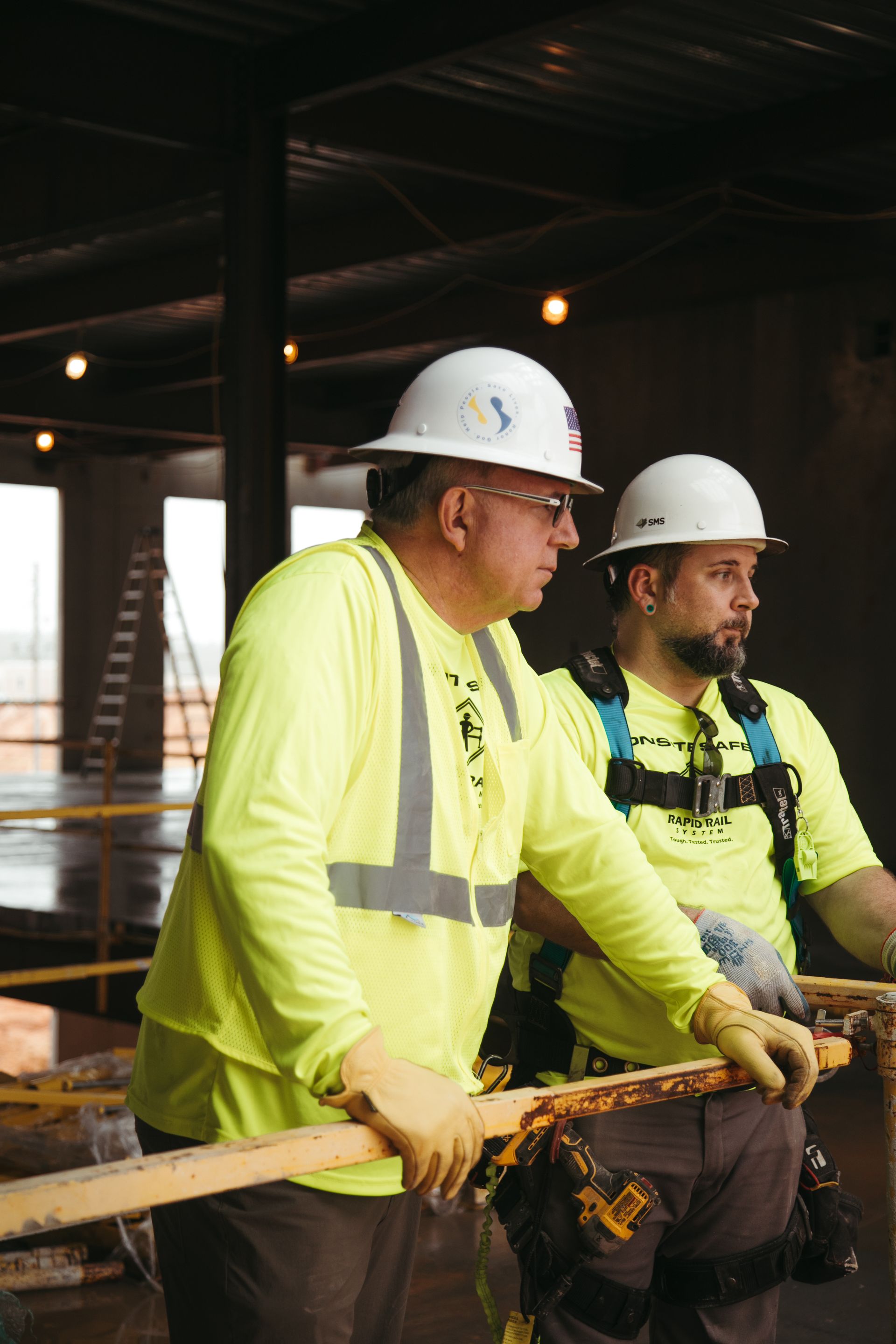
1. Site Assessment
We evaluate your roof or structure, map hazards, and determine the anchors needed.
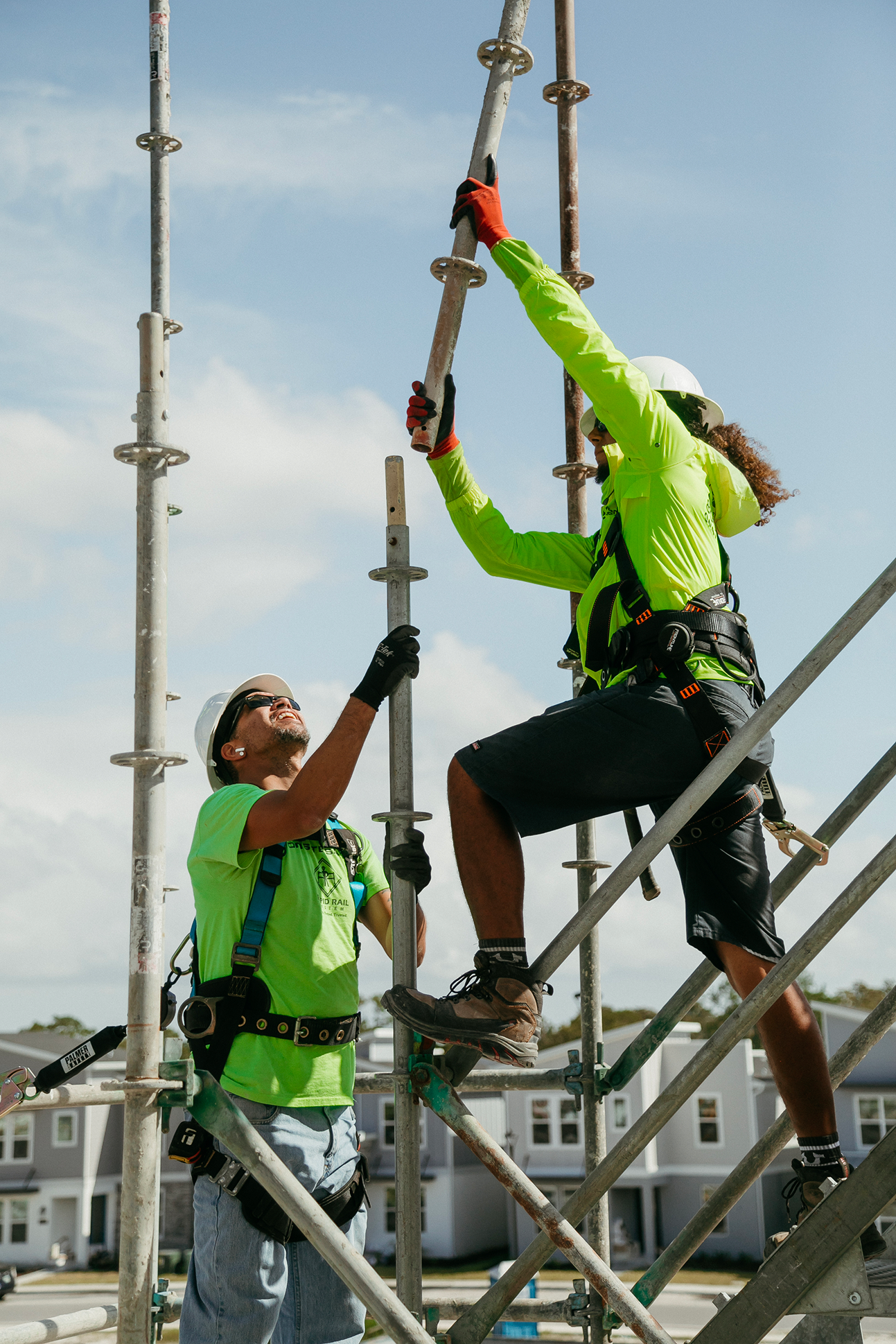
2. Engineering Review
Anchors are selected or custom-engineered
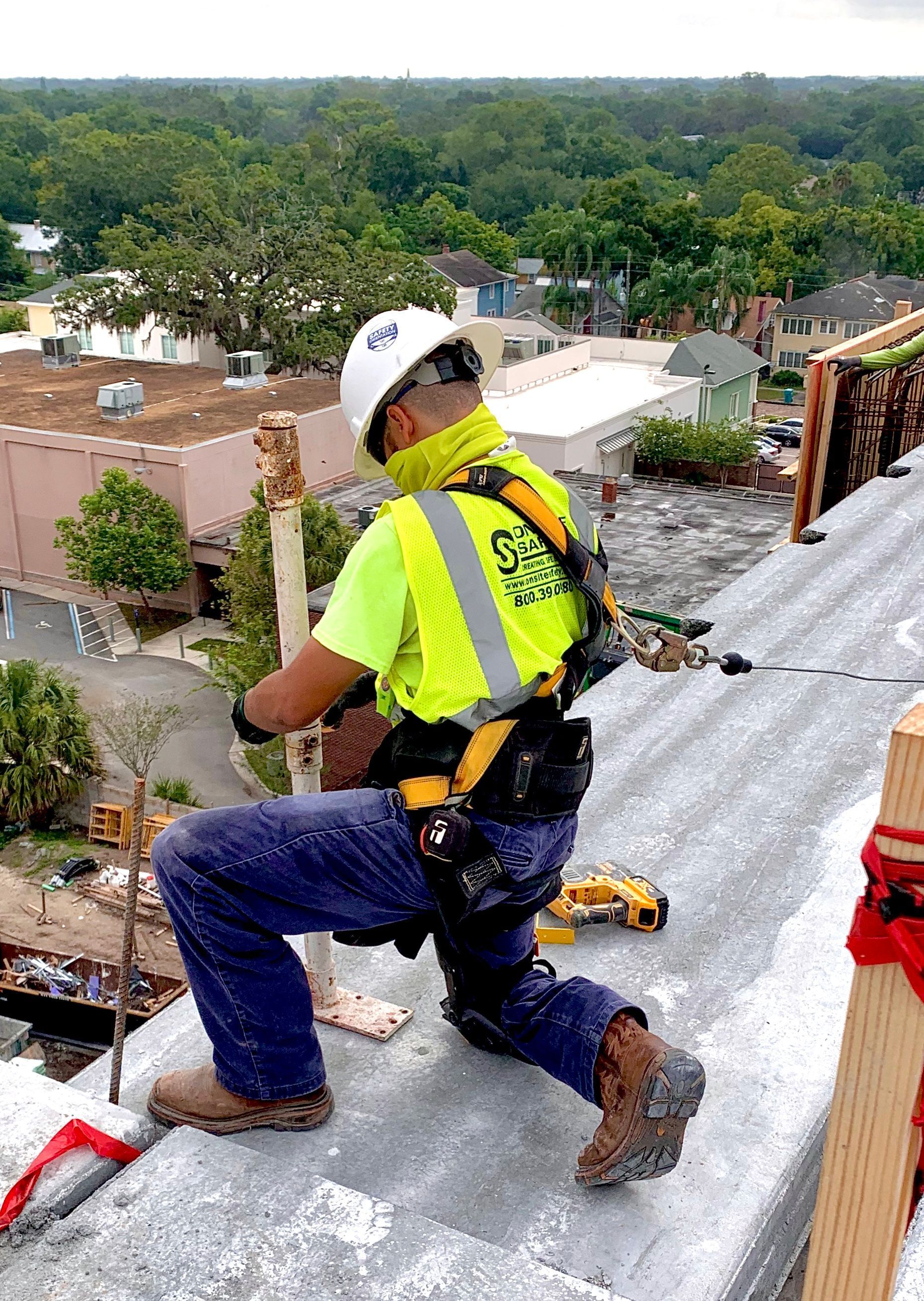
3. Professional Installation
Our certified technicians securely install your anchor system according to engineering specifications and safety standards.
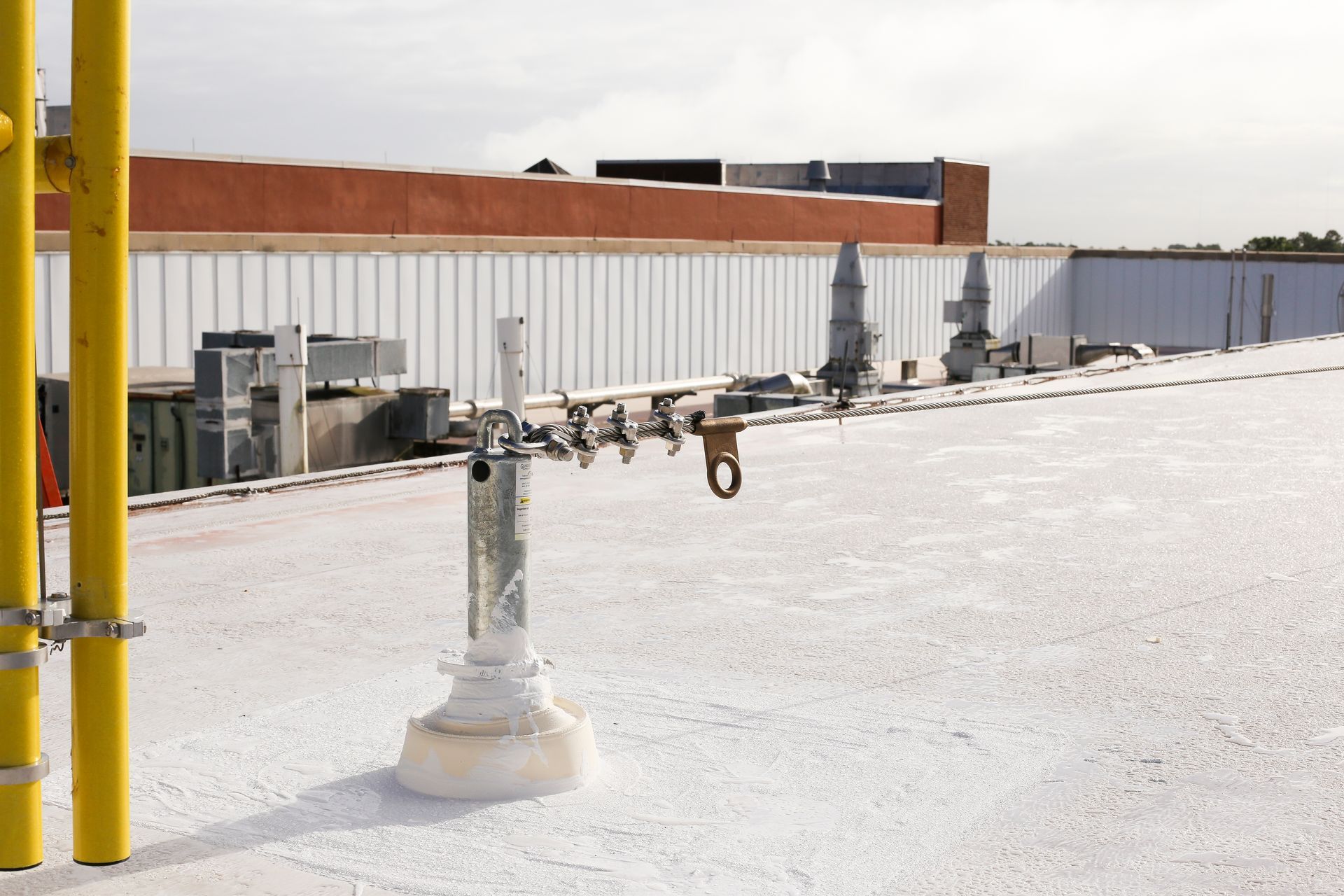
4. Load Testing and Certification
We perform rigorous pull-testing on installed anchors to verify capacity and issue formal certification for compliance.
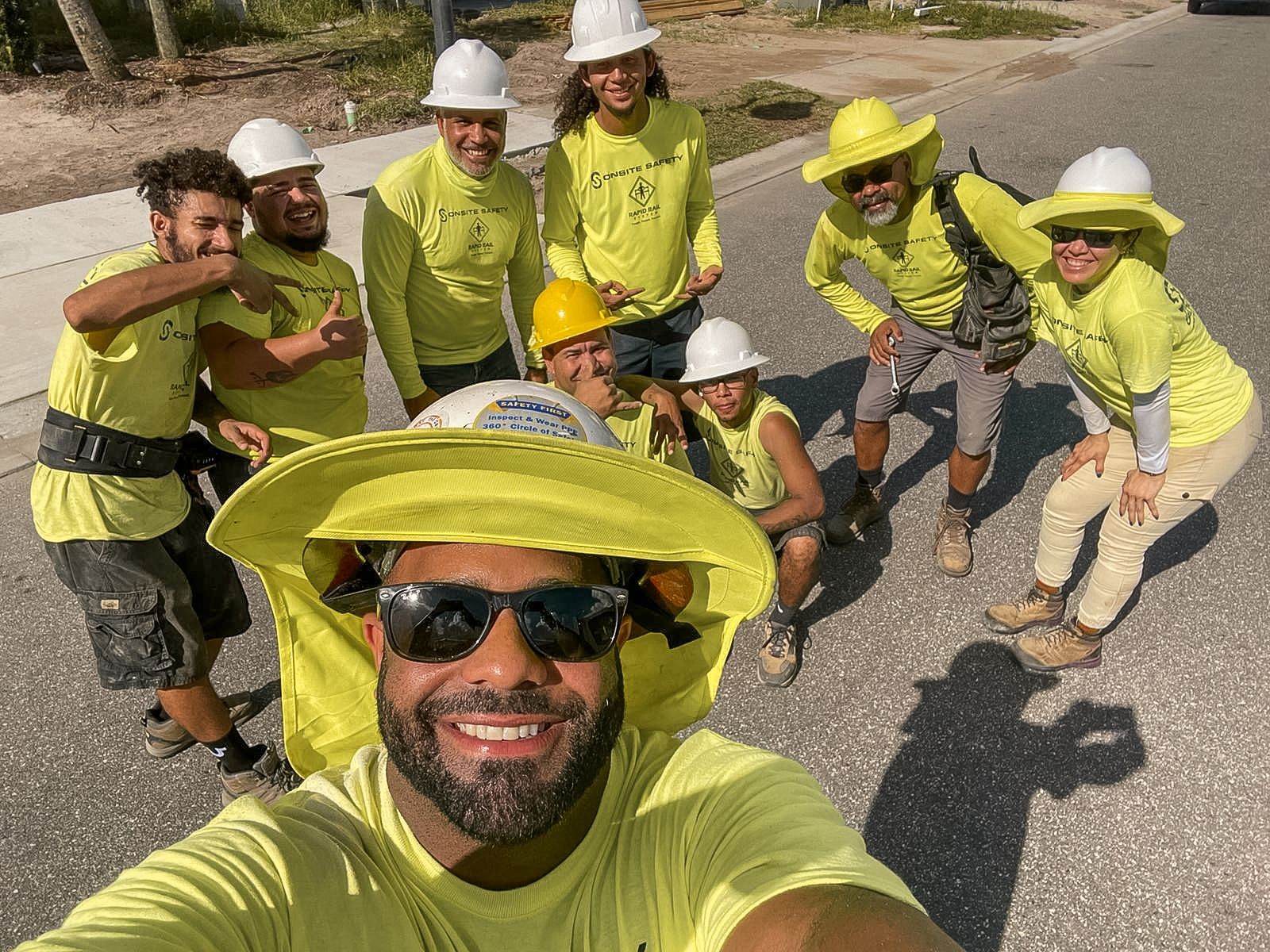
5. Training and Orientation
We provide hands-on instruction for your team on how to properly inspect, connect to, and use the installed anchorage system.
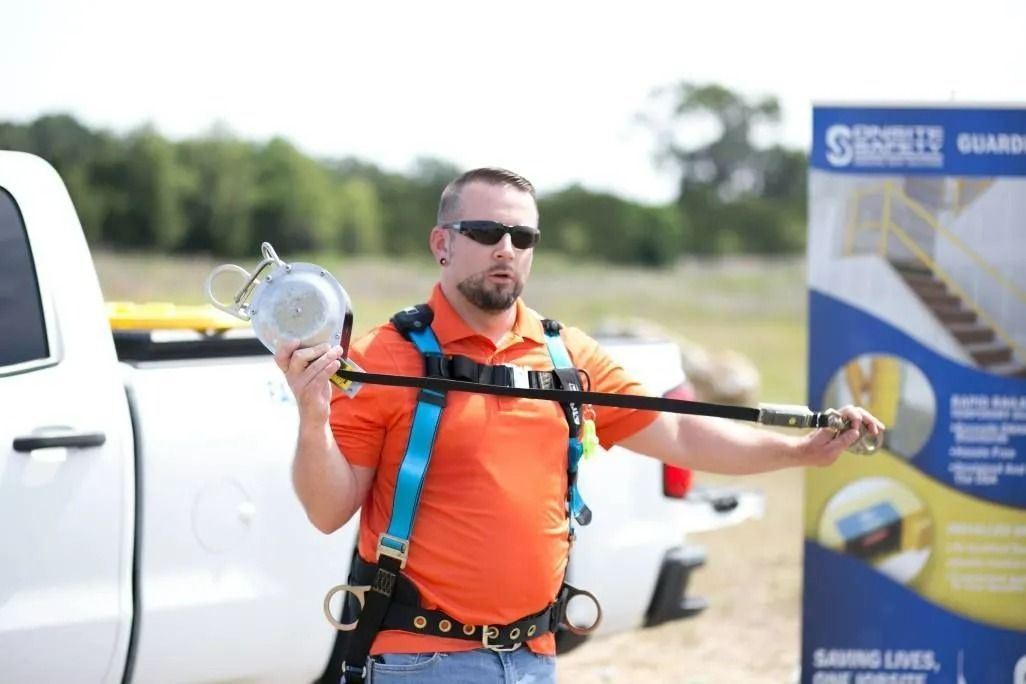
6. Documentation Package
You receive a comprehensive closeout binder containing system drawings, test results, warranties, and user manuals for future reference.
1. Site Assessment
We evaluate your roof or structure, map hazards, and determine the anchors needed.
2. Engineering Review
Anchors are selected or custom-engineered
3. Professional Installation
Our certified technicians securely install your anchor system according to engineering specifications and safety standards.
4. Load Testing and Certification
We perform rigorous pull-testing on installed anchors to verify capacity and issue formal certification for compliance.
5. Training and Orientation
We provide hands-on instruction for your team on how to properly inspect, connect to, and use the installed anchorage system.
6. Documentation Package
You receive a comprehensive closeout binder containing system drawings, test results, warranties, and user manuals for future reference.
FAQs
Answers to the most common questions from residential contractors, commercial builders, and jobsite safety teams.
How much force must permanent rails withstand?
To meet OSHA compliance (1910.29), the top rail must be 42 inches high (± 3 inches) and capable of withstanding at least 200 pounds of downward or outward force. The mid-rail must withstand 150 pounds.
Can permanent rails be installed on any roof type?
Yes. We offer versatile mounting options, including non-penetrating weighted bases for flat membrane roofs (to preserve warranties) and bolt-on plates for metal, concrete, or wood substrates.
Do permanent rail systems require inspections?
Yes. While they are passive systems, OSHA recommends regular inspections—typically annually—by a "Competent Person" to check for corrosion, loose fittings, or structural damage caused by weather or impact.
Are non-penetrating (weighted) rails reliable?
Yes. Non-penetrating systems are fully engineered to meet OSHA load standards using leverage and counterweights. They are the industry standard for flat commercial roofs because they provide compliant protection without piercing the waterproofing membrane.
OUTCOMES
Safer crews. Fewer delays. One standard.
Fall protection systems help maintain safe access, support compliance, and provide consistent protection wherever work is performed at height.
Need Support on Your Next Project?
Talk with a safety specialist to determine the right guardrail solution for your project.

 FREE INSTANT ESTIMATE