

EDGE PROTECTION
Reliable perimeter safety systems for leading edges and elevated work zones
Edge Protection for Residential & Commercial Teams
Designed to secure leading edges across diverse work environments
Edge protection systems are engineered to safeguard open perimeters and elevated work zones across multiple structure types and phases of construction. Because every project is unique, we select and configure each barrier system based on the specific physical demands of your jobsite—never a one-size-fits-all approach.
Our edge protection solutions are expertly selected and installed to match your exact site conditions, structure type, and strict OSHA safety requirements.
Edge Protection made for your type of work
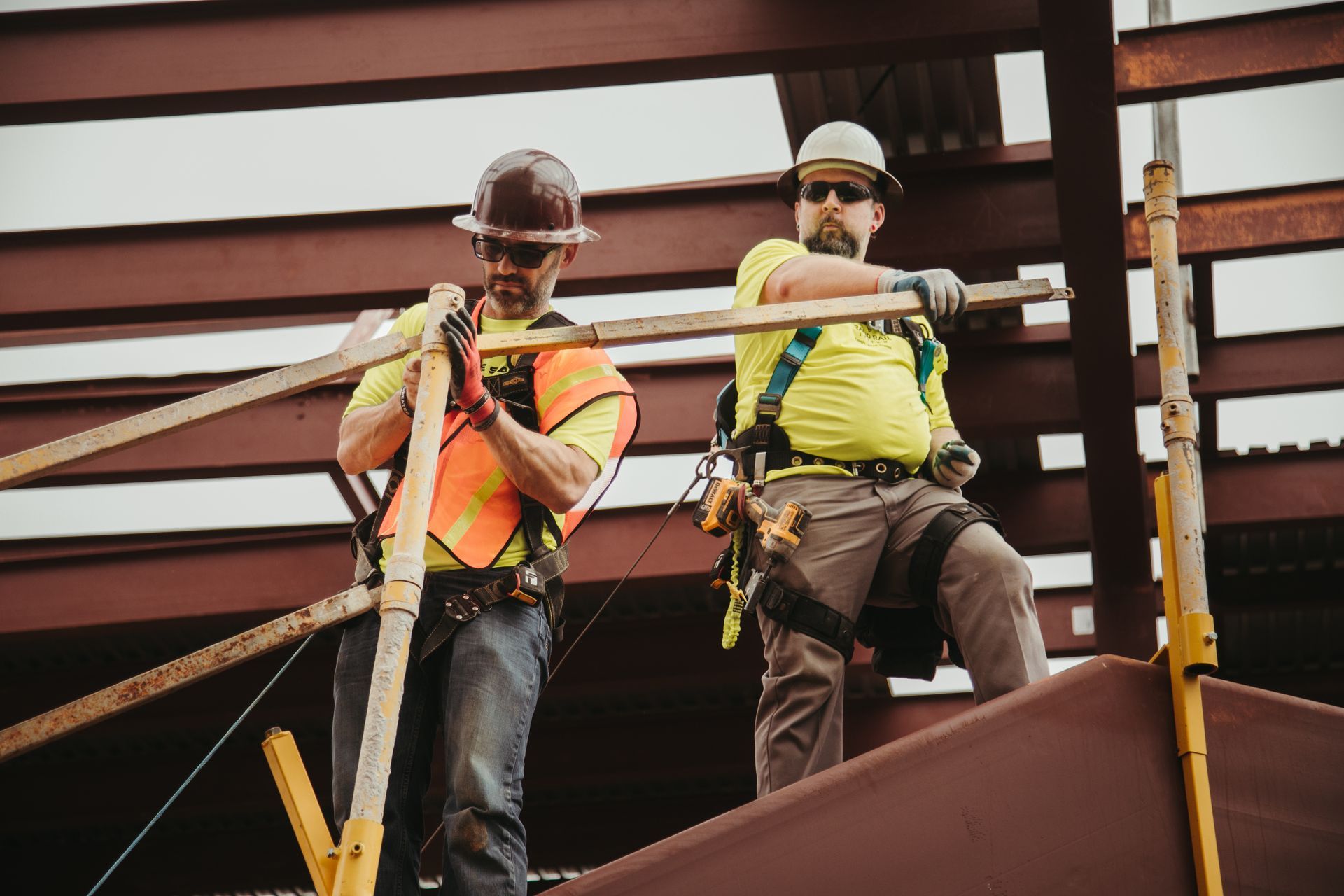
COMMERCIAL EDGE PROTECTION
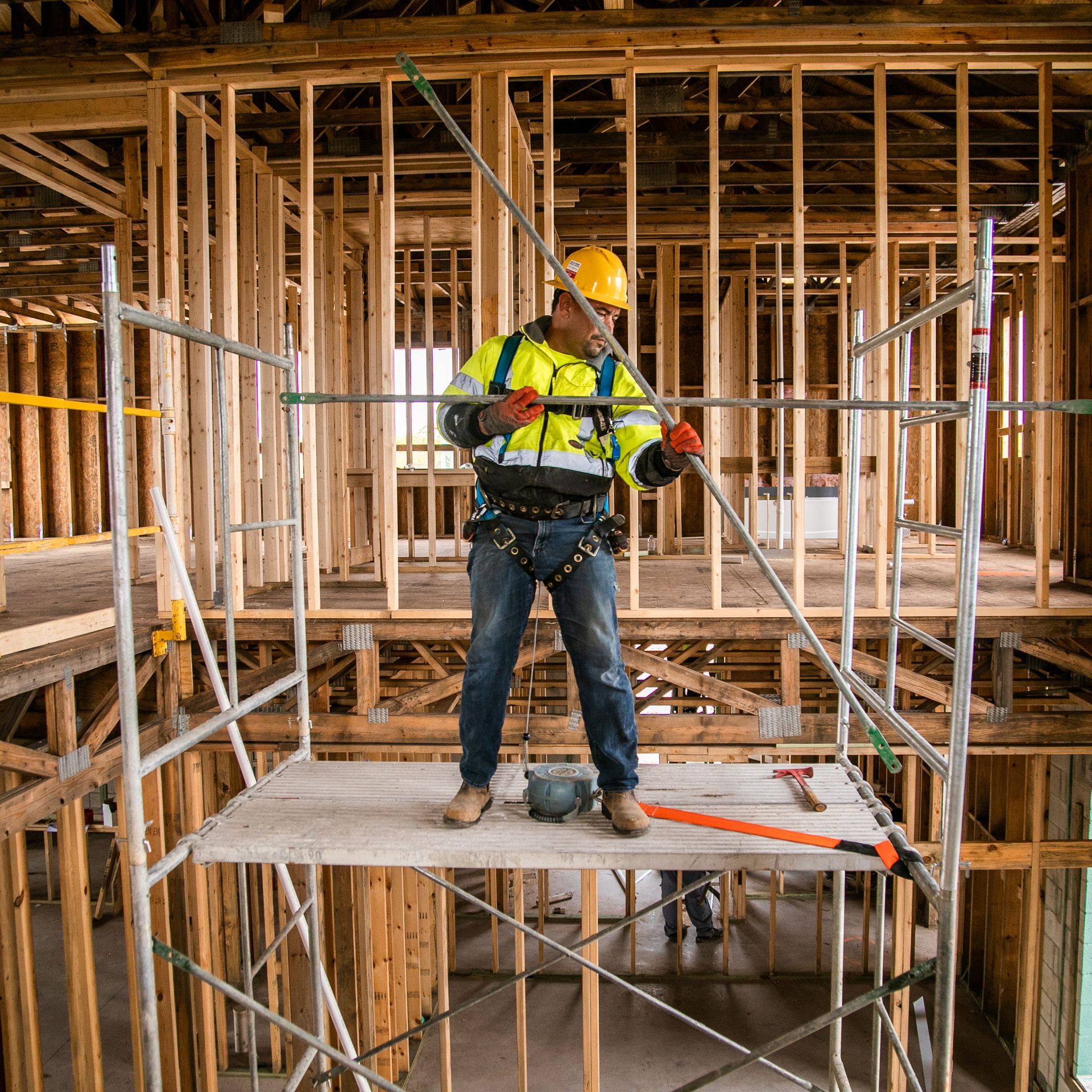
RESIDENTIAL EDGE PROTECTION
Different projects require different applications. Explore how fall protection systems are applied in residential and commercial environments.
What is Edge Protection?
Edge protection refers to temporary or permanent systems designed to prevent workers, tools, and debris from falling over leading edges. These barriers are the primary line of defense for maintaining OSHA compliance on any elevated walking-working surface where a fall hazard exists.
Edge Protection is commonly used for:
- Concrete Slabs: Securing formwork and finished deck edges on multi-story builds.
- Roof Perimeters: Protecting flat and low-slope roof edges during construction or maintenance.
- Excavations: Marking and barricading trenches, pits, and ground-level drops.
- Vertical Openings: Safeguarding stairwells, elevator shafts, and riser openings.
Edge Protection for Commercial & Facilities
Robust perimeter safety for active job sites and facility maintenance.
Secure elevated work zones and open perimeters with our engineered edge protection systems. Designed for large-scale commercial construction and ongoing facility management, these barriers prevent falls and dropped objects. They ensure site-wide safety and compliance without hindering your team's productivity.
Common applications:
- Multi-story commercial construction and concrete decking
- Rooftop HVAC, mechanical, and electrical maintenance zones
- Loading docks, ramps, and elevated industrial walkways
- Excavations, large trenches, and foundation work
- Elevator shafts, stairwell openings, and mezzanines
Key benefits:
- OSHA / ANSI Compliant: Verified perimeter safety for elevated work.
- Rapid Deployment: Quick to install, adjust, and dismantle as the project phases change.
- Debris Containment: Protects both elevated workers and personnel below from dropped objects (when fitted with toe boards or debris netting).
- Versatile Solutions: Available in temporary clamp-on configurations or permanent facility installations.
Edge Protection for Residential Construction & Roofing
Reliable perimeter safety for homebuilders, roofers, and maintenance crews.
Protect your residential job sites with edge protection systems specifically designed for wood framing and steep-slope roofing. These active barriers secure roof eaves, open floor plans, and balconies, ensuring OSHA compliance and worker safety without slowing down your carpentry, siding, or roofing teams.
Common applications:
- New home construction and wall framing
- Steep-slope and flat roof replacements
- Second-story additions and balcony construction
- Gutter installation and fascia repair
- Open stairwells, lofts, and walkout basements
- Solar panel installation and maintenance
Key benefits:
- OSHA Compliant: Meets residential fall protection requirements (Subpart M).
- Non-Destructive: Clamp-on and under-eave options prevent damage to finished siding or roofing.
- Fast Installation: Quick to deploy, adjust, and remove as the project progresses.
- Versatile Mounting: Easily attaches to roof trusses, top plates, or subflooring.
- Enhanced Productivity: Passive barrier protection allows crews to work freely without restrictive harnesses and lanyards.
THE ONSITE SAFETY DIFFERENCE
Types of Edge Protection We Install
We offer a range of edge protection solutions to match your environment and safety needs.

Mesh Barrier Systems
Combines standard fall protection with debris containment. Highly durable and ideal for multi-story concrete structures to protect workers and the public below.
Compression Post Systems
Pressure-fitted between concrete floors and ceilings for rapid, drill-free installation that won't damage finished surfaces.
Clamp-On Edge Protection
Attaches securely to exposed concrete edges, stairways, or structural steel beams to secure leading edges immediately during active construction.
Parapet Clamp Systems
Mounts directly to existing low walls or roof upstands to seamlessly extend the barrier to OSHA-compliant heights without major modifications.
Residential Eave Solutions
Fastens to roof trusses or fascia boards to provide passive, harness-free fall protection for framing, siding, and roofing crews.
HOW IT WORKS
A safe anchor system requires more than hardware—it requires expertise. Our process ensures your anchors are installed correctly and documented properly.
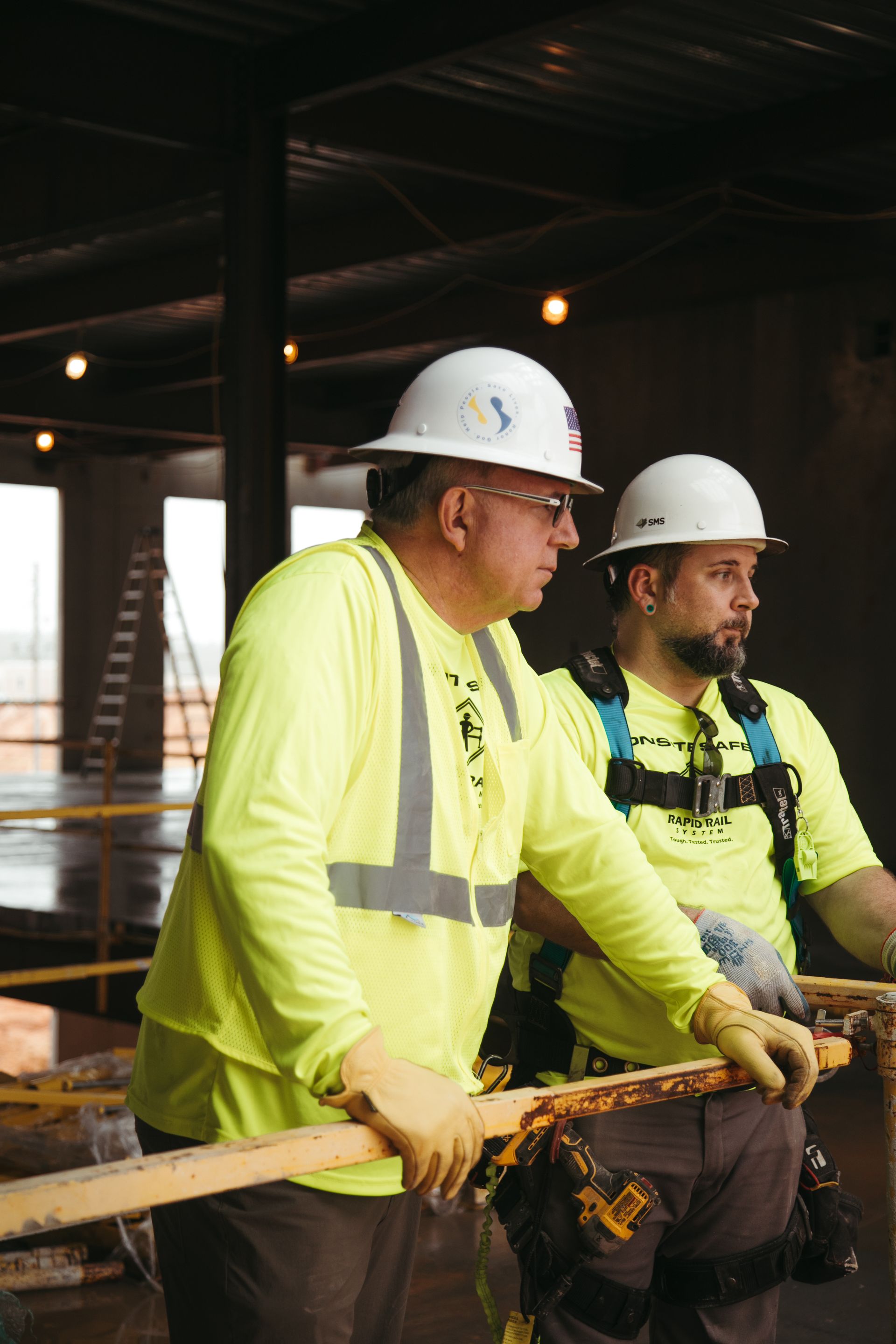
1. Site Assessment
We evaluate your roof or structure, map hazards, and determine the anchors needed.
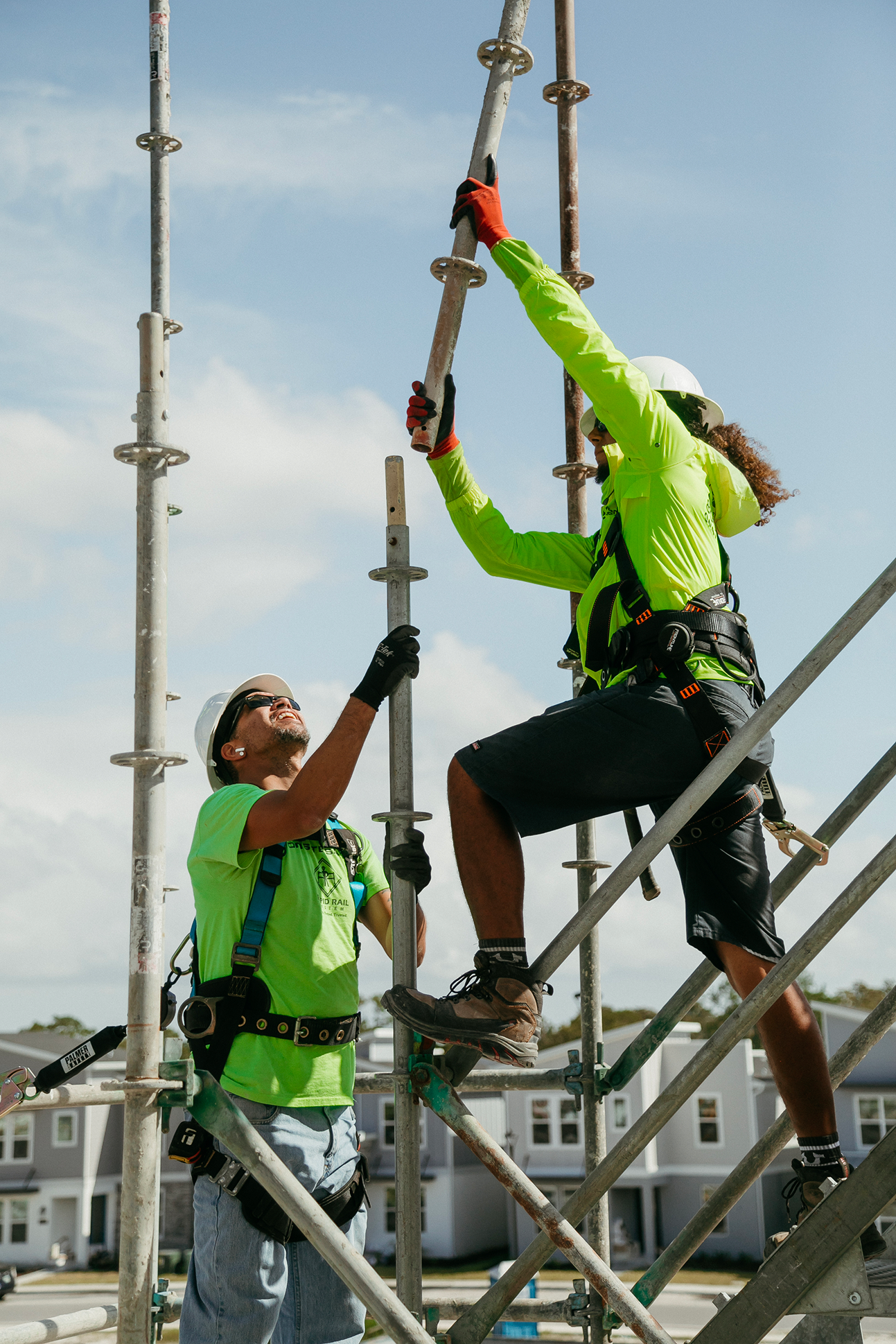
2. Engineering Review
Anchors are selected or custom-engineered
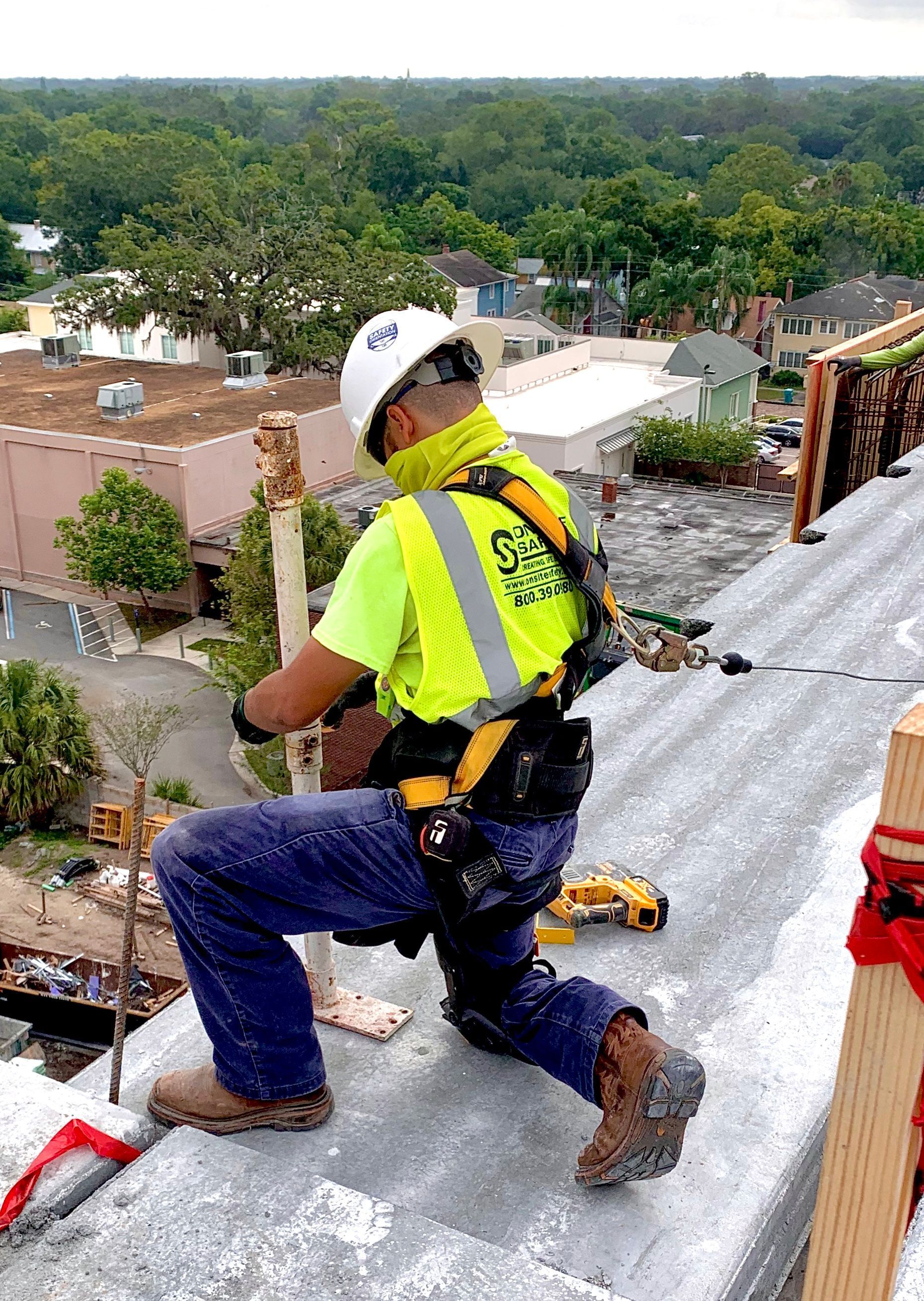
3. Professional Installation
Our certified technicians securely install your anchor system according to engineering specifications and safety standards.
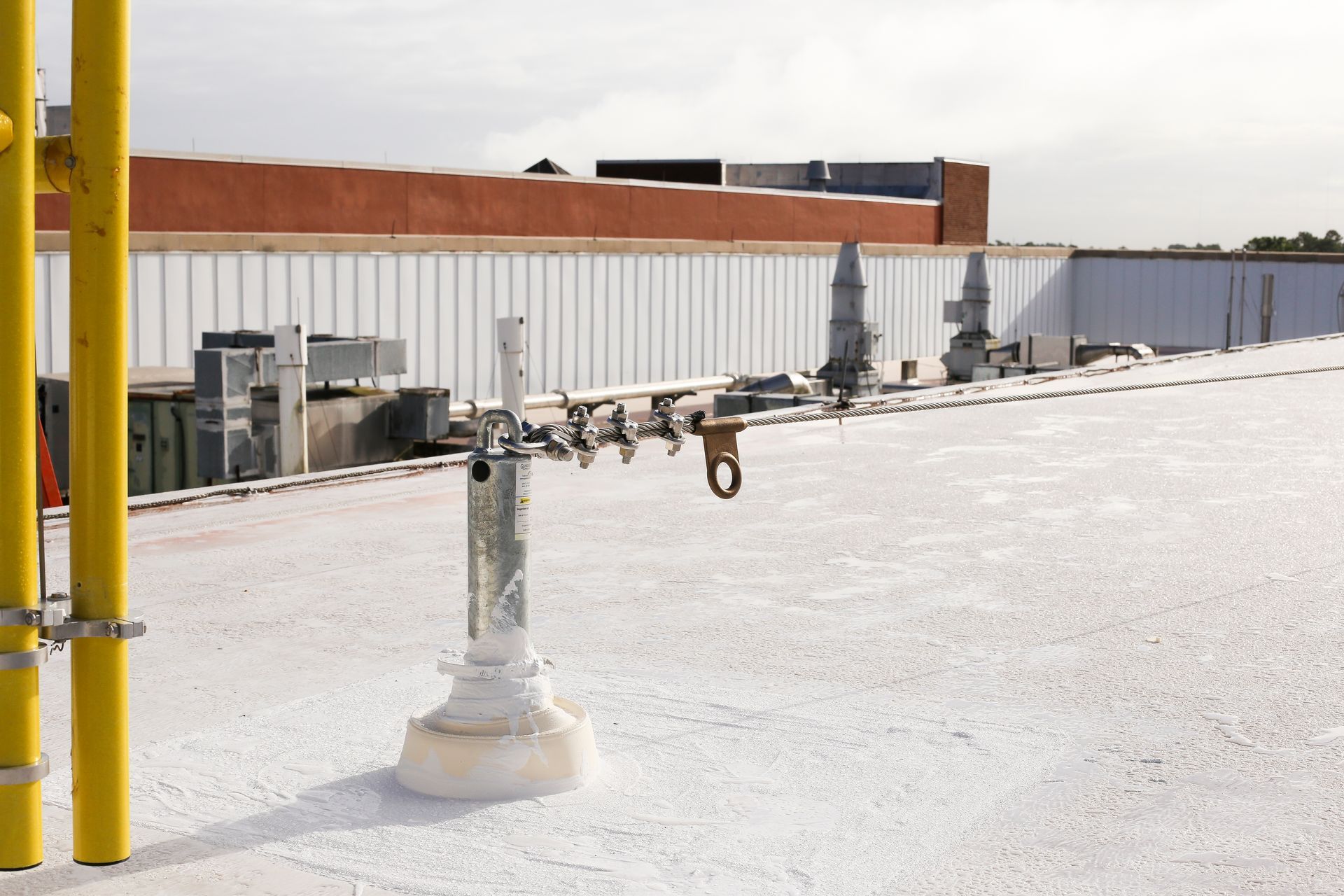
4. Load Testing and Certification
We perform rigorous pull-testing on installed anchors to verify capacity and issue formal certification for compliance.
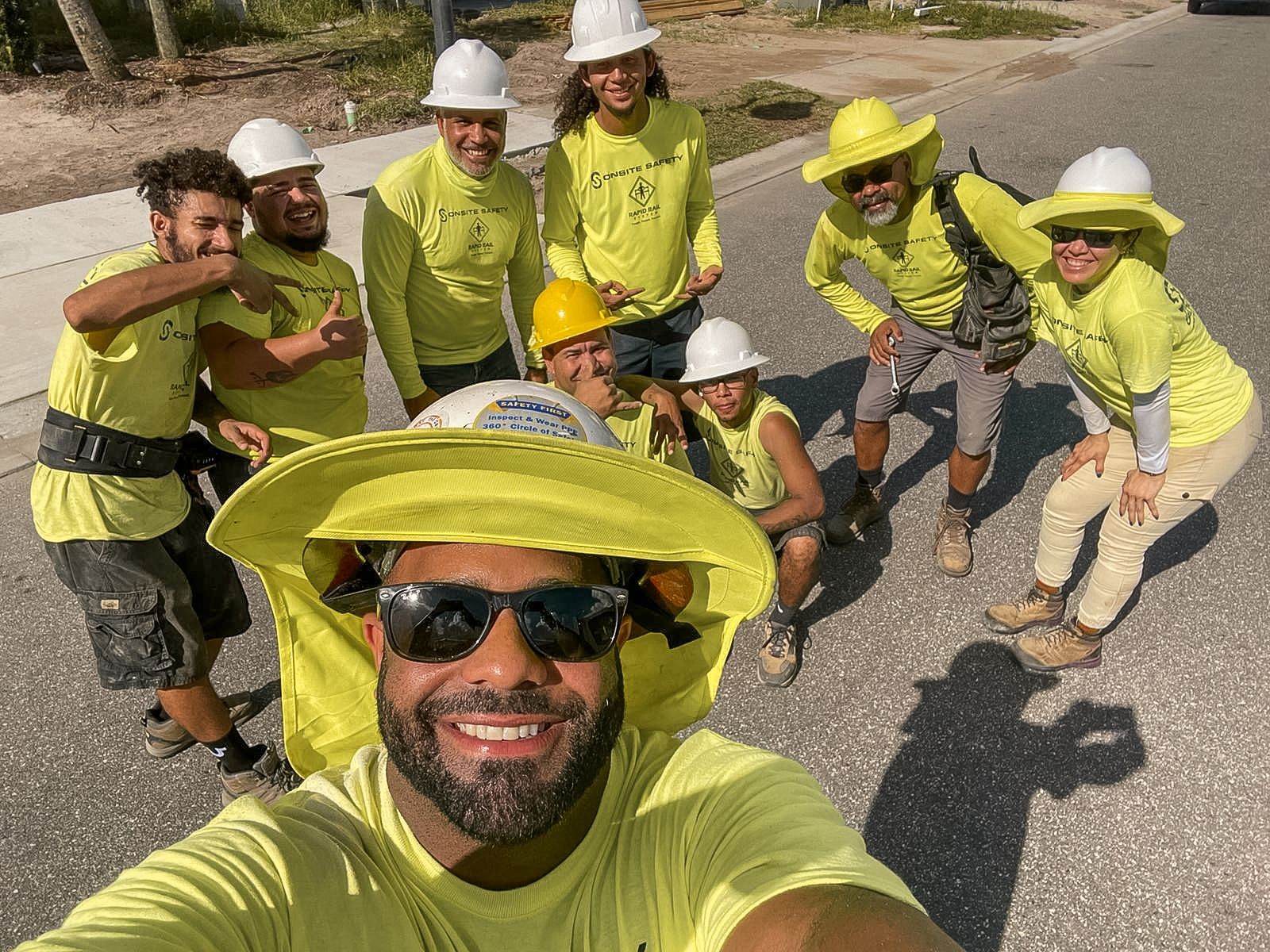
5. Training and Orientation
We provide hands-on instruction for your team on how to properly inspect, connect to, and use the installed anchorage system.
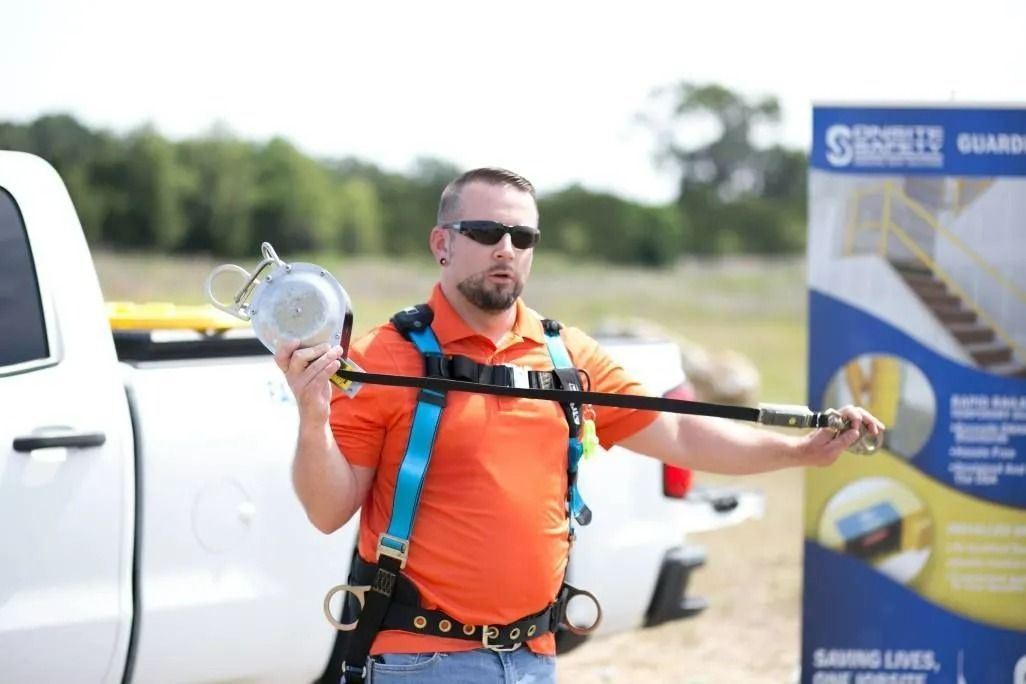
6. Documentation Package
You receive a comprehensive closeout binder containing system drawings, test results, warranties, and user manuals for future reference.
1. Site Assessment
We evaluate your roof or structure, map hazards, and determine the anchors needed.
2. Engineering Review
Anchors are selected or custom-engineered
3. Professional Installation
Our certified technicians securely install your anchor system according to engineering specifications and safety standards.
4. Load Testing and Certification
We perform rigorous pull-testing on installed anchors to verify capacity and issue formal certification for compliance.
5. Training and Orientation
We provide hands-on instruction for your team on how to properly inspect, connect to, and use the installed anchorage system.
6. Documentation Package
You receive a comprehensive closeout binder containing system drawings, test results, warranties, and user manuals for future reference.
FAQs
Answers to the most common questions from residential contractors, commercial builders, and jobsite safety teams.
At what height is edge protection required?
Per OSHA standards, fall protection (such as an edge protection barrier) is required when workers are exposed to a fall hazard of 6 feet or more in construction environments, and 4 feet or more in general industry settings.
How much force must an edge protection system withstand?
To comply with OSHA regulations, the top edge of the barrier must be capable of supporting at least 200 pounds of downward or outward force. The mid-rail must be able to withstand at least 150 pounds of force.
Does edge protection also stop tools and debris from falling?
Yes, when properly configured. By incorporating toe boards (minimum 3.5 inches high) or mesh debris netting into the edge protection system, you can effectively prevent tools, materials, and rubble from falling onto workers or the public below.
Can edge protection be installed without drilling into the structure?
Absolutely. We utilize non-destructive compression posts and heavy-duty clamp-on systems that secure the perimeter without the need to drill into concrete slabs or finished roofing, preserving the structural integrity of your build.
OUTCOMES
Safer crews. Fewer delays. One standard.
Fall protection systems help maintain safe access, support compliance, and provide consistent protection wherever work is performed at height.
Need Support on Your Next Project?
Talk with a safety specialist to determine the right guardrail solution for your project.
 FREE INSTANT ESTIMATE