

LIFELINES
Continuous anchorage and secure mobility for elevated work.
Lifelines for Residential & Commercial Projects
Engineered to support continuous mobility across work environments
Our lifeline systems are designed to facilitate safe, uninterrupted movement across roofs, steel beams, and vertical access points. We configure vertical and horizontal solutions based on the specific physical layout of the job site, ensuring workers remain tied off 100% of the time without hindering productivity.
- Verified Compliance: OSHA-compliant installations and inspections.
- Rapid Deployment: Fast response times for active projects.
- Consistent Safety: Standardized systems for repeatable installs.
- Streamlined Reporting: Clear documentation for Superintendents, PMs, and GCs.
Lifelines made for your type of work
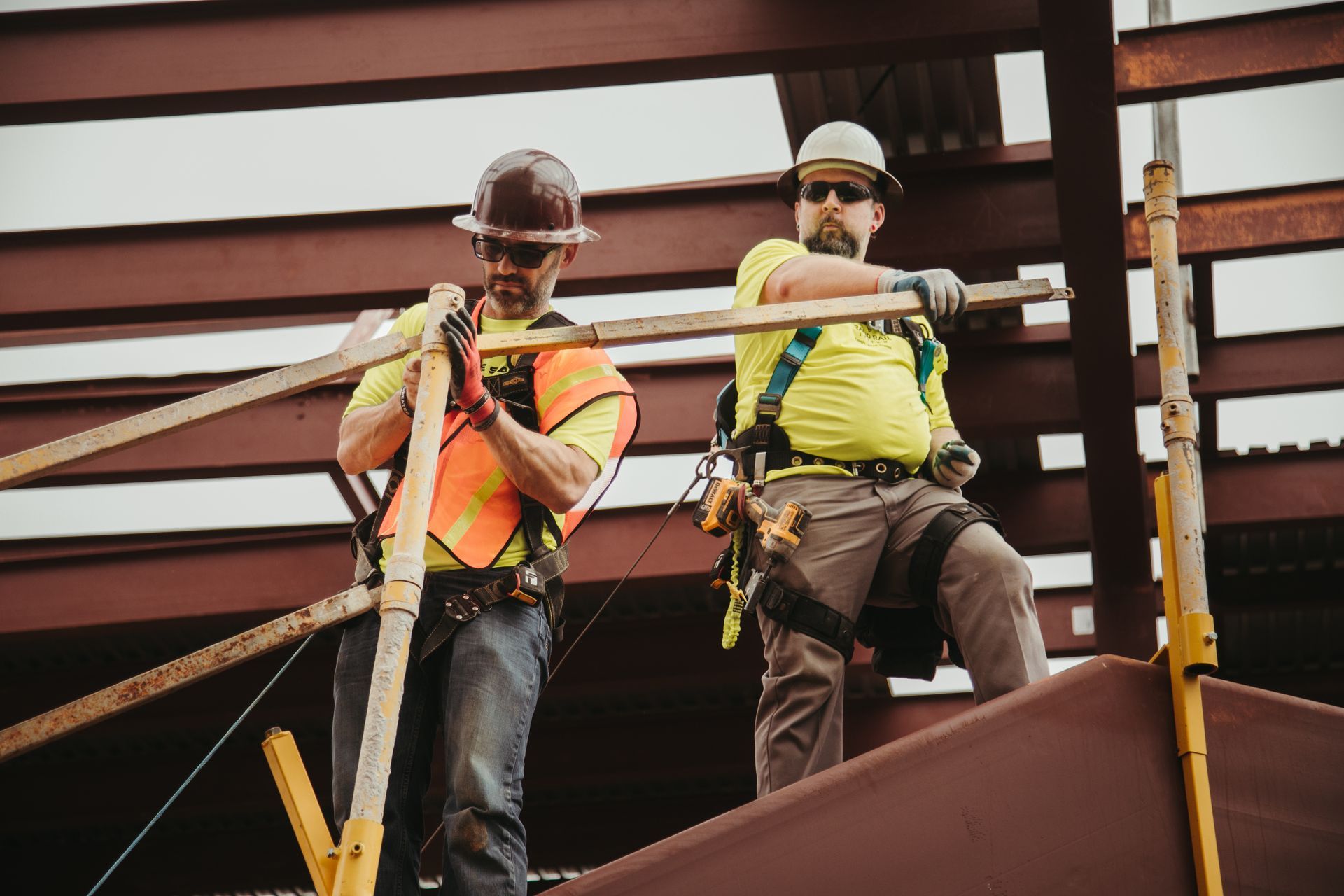
COMMERCIAL LIFELINES
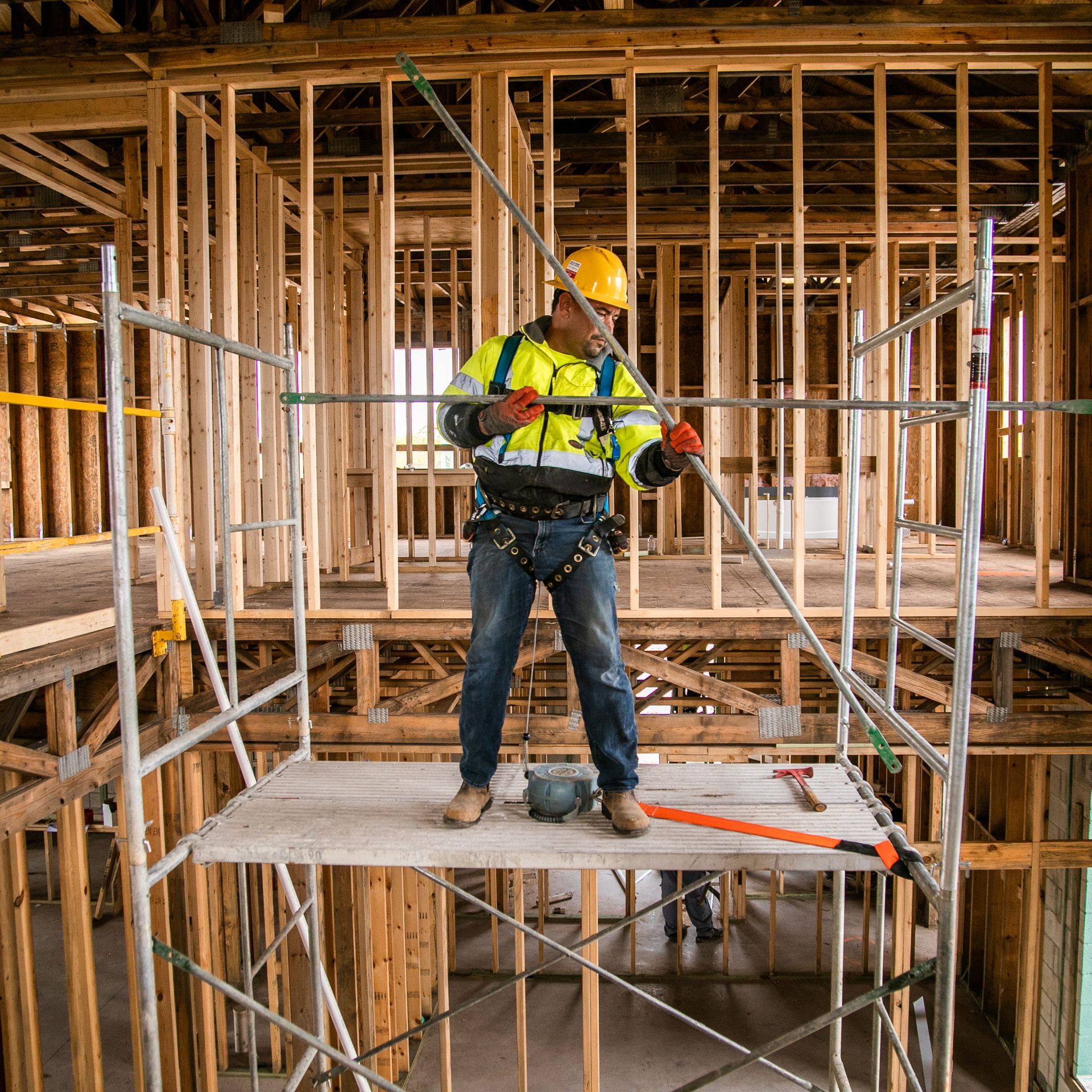
RESIDENTIAL LIFELINES
Different projects require different applications. Explore how fall protection systems are applied in residential and commercial environments.
What are lifelines?
Lifelines are flexible anchorage systems—configured vertically or horizontally—that allow workers to move freely while continuously secured to a structure. Classified as active fall protection, they are used for Fall Arrest or Fall Restraint in areas where passive barriers (like guardrails) are not feasible.
Lifelines are commonly used for:
- Elevated decks and slabs
- Roof edges and leading edges
- Interior framing and structural work
- Maintenance and access operations
Lifelines for Commercial & Facilities
Engineered, permanent systems for maintenance and facility access.
Protect maintenance teams and contractors with permanent Horizontal Lifeline (HLL) systems designed for long-term facility access. Ideal for rooftops, crane rails, and industrial catwalks, these systems allow workers to traverse large areas while remaining continuously tied off, ensuring safety without impeding workflow.
Common applications:
- Roof access for HVAC, mechanical, and electrical work
- Facility and maintenance teams
- Industrial and manufacturing facilities
- Schools, campuses, and government buildings
- Multi-building portfolios
- Façade access and window washing
Key benefits:
- OSHA / ANSI compliant
- Permanent, long-life systems
- Horizontal lifelines for continuous movement
- Inspections, recertification, and documentation
Lifelines for Residential Homes & Roofing
Safe, simple tie-off solutions subcontractors.
Secure your team on steep-slope projects with residential vertical lifeline (VLL) systems designed for flexibility and ease of use. These kits provide essential fall arrest protection, allowing roofers and framers to ascend and descend the roof slope freely while remaining continuously tethered.
Common applications:
- Roofing projects
- Gutter cleaning & maintenance
- Storm damage repair
- Insurance-driven replacements
- Ladder and roof-edge transitions
- Temporary anchors for short-term projects
Key benefits:
- Simple installation
- Affordable and highly effective
- Compatible with shingle, tile, metal, and other roof types
- Safer access for routine home maintenance
- Peace of mind for contractors
THE ONSITE SAFETY DIFFERENCE
Types of Lifelines We Install
We offer a range of guardrail solutions to match your environment and safety needs.

Permanent Horizontal Lifelines
Engineered cable systems that provide continuous, hands-free fall protection across large rooftops, crane runways, and bridge structures.
Temporary Horizontal Lifelines
Rapid-deploy synthetic rope or wire setups ideal for steel erection, framing, and dynamic construction phases where continuous mobility is essential.
Vertical Lifelines
Rope and cable systems equipped with mobile fall arresters (rope grabs), designed for safe vertical climbing on fixed ladders, telecommunication towers, and steep-slope residential roofs.
Overhead Rigid Track Lifelines
Enclosed track systems commonly used in industrial, transit, or maintenance facilities. They eliminate cable sag to minimize fall clearance distances and reduce swing hazards.
Self-Retracting Lifelines (SRLs)
Retractable devices that maintain line tension and quickly lock to arrest a fall, offering workers maximum horizontal and vertical mobility with minimal free-fall distance.
HOW IT WORKS
A safe anchor system requires more than hardware—it requires expertise. Our process ensures your anchors are installed correctly and documented properly.
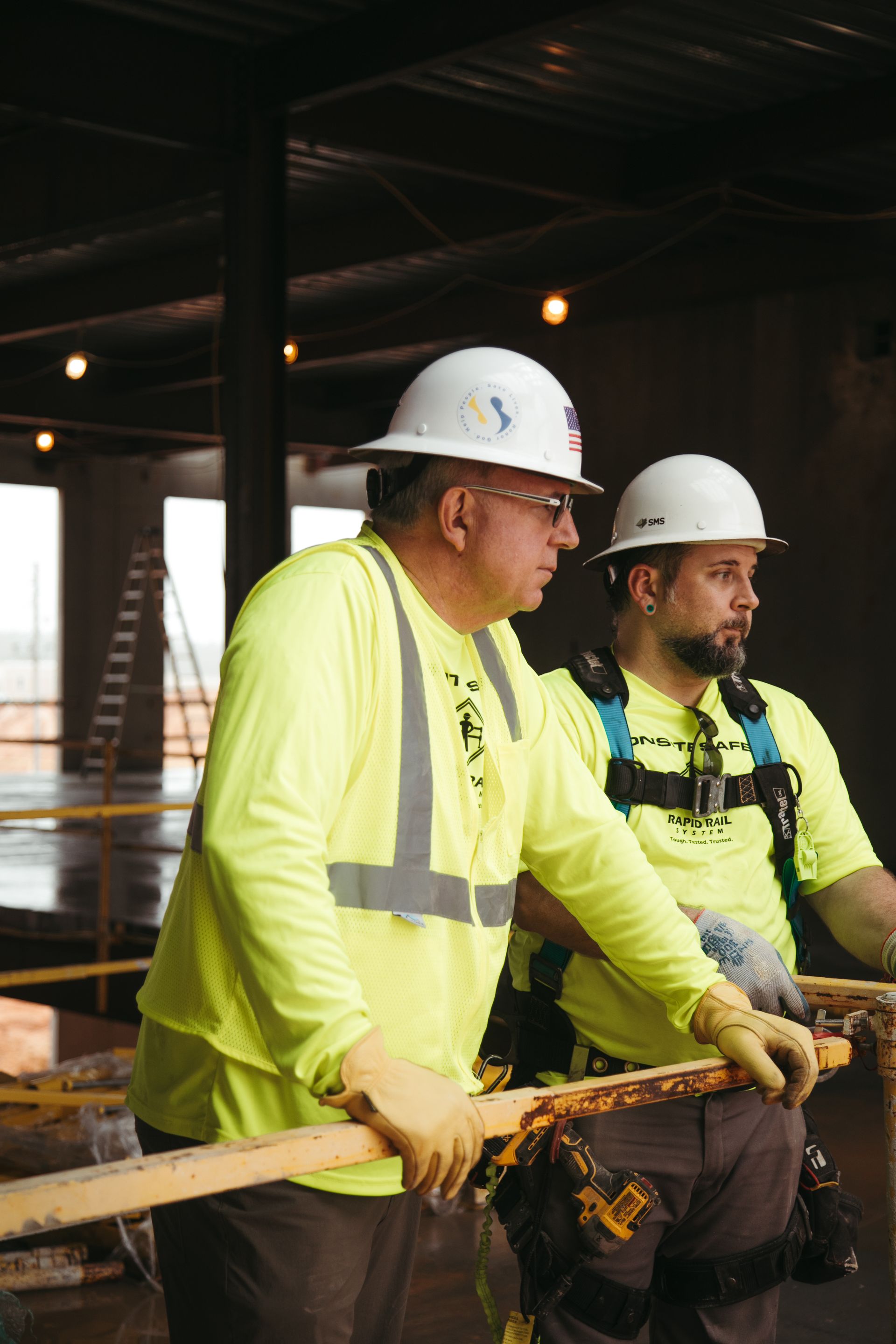
1. Site Assessment
We evaluate your roof or structure, map hazards, and determine the anchors needed.
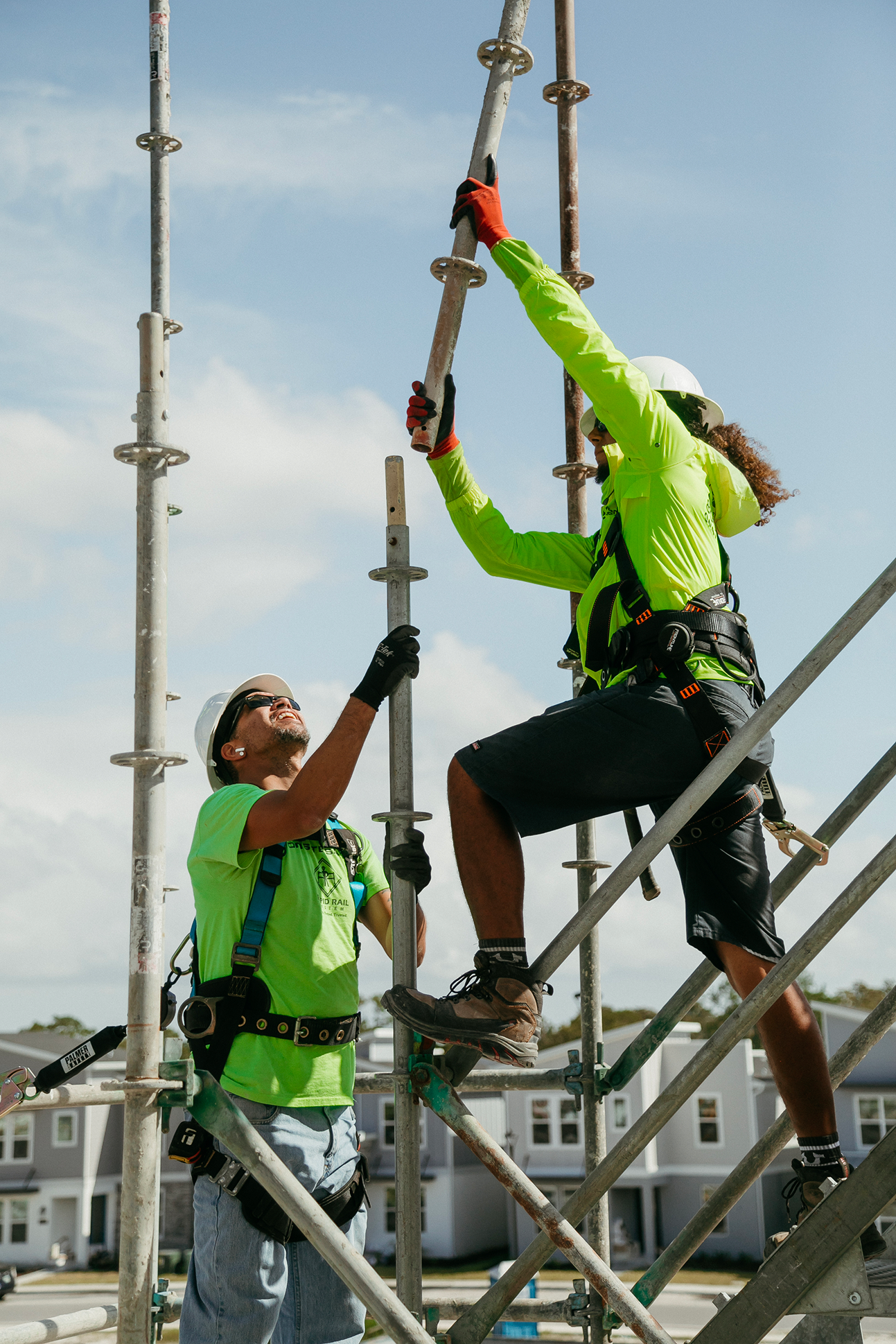
2. Engineering Review
Anchors are selected or custom-engineered
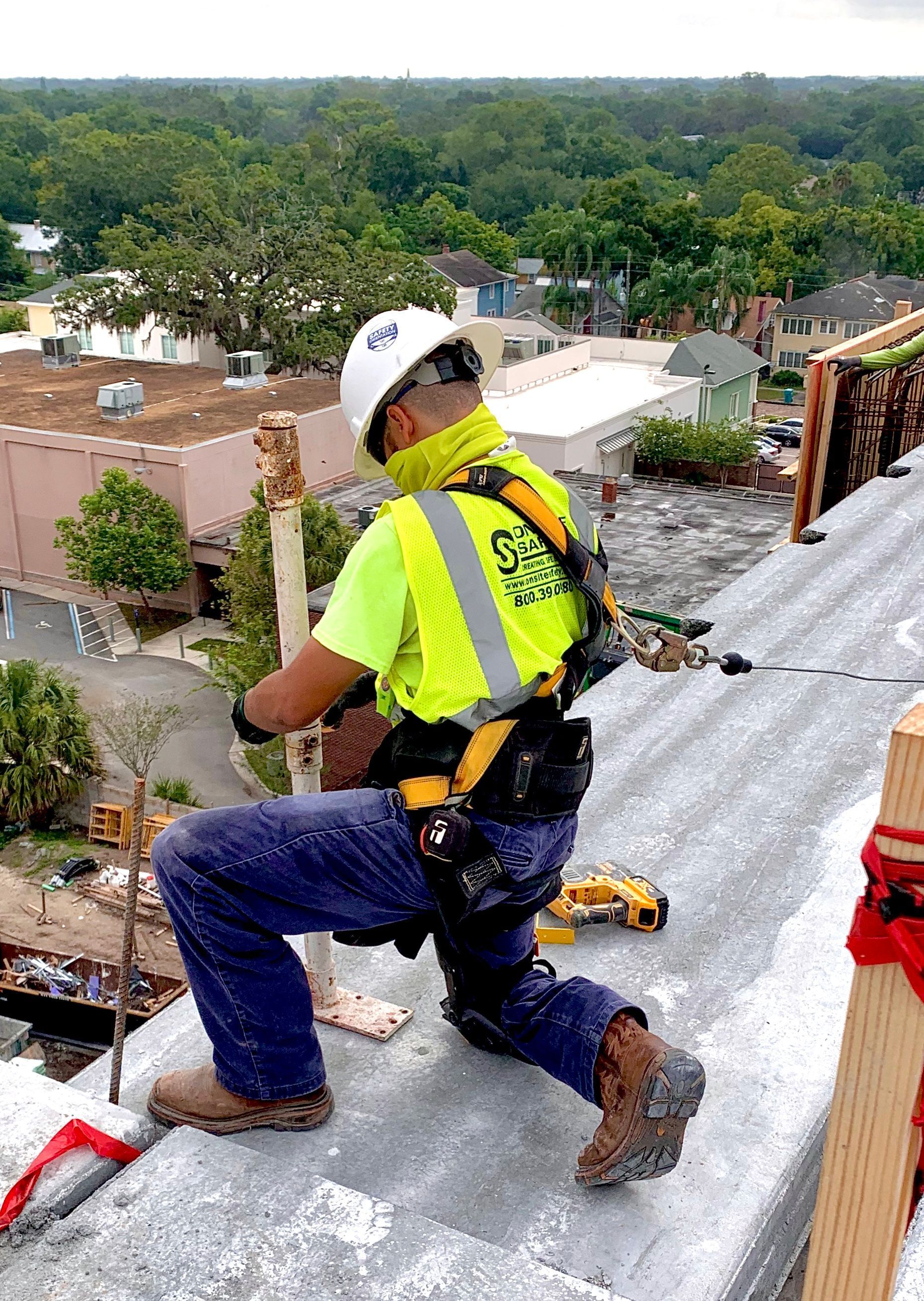
3. Professional Installation
Our certified technicians securely install your anchor system according to engineering specifications and safety standards.
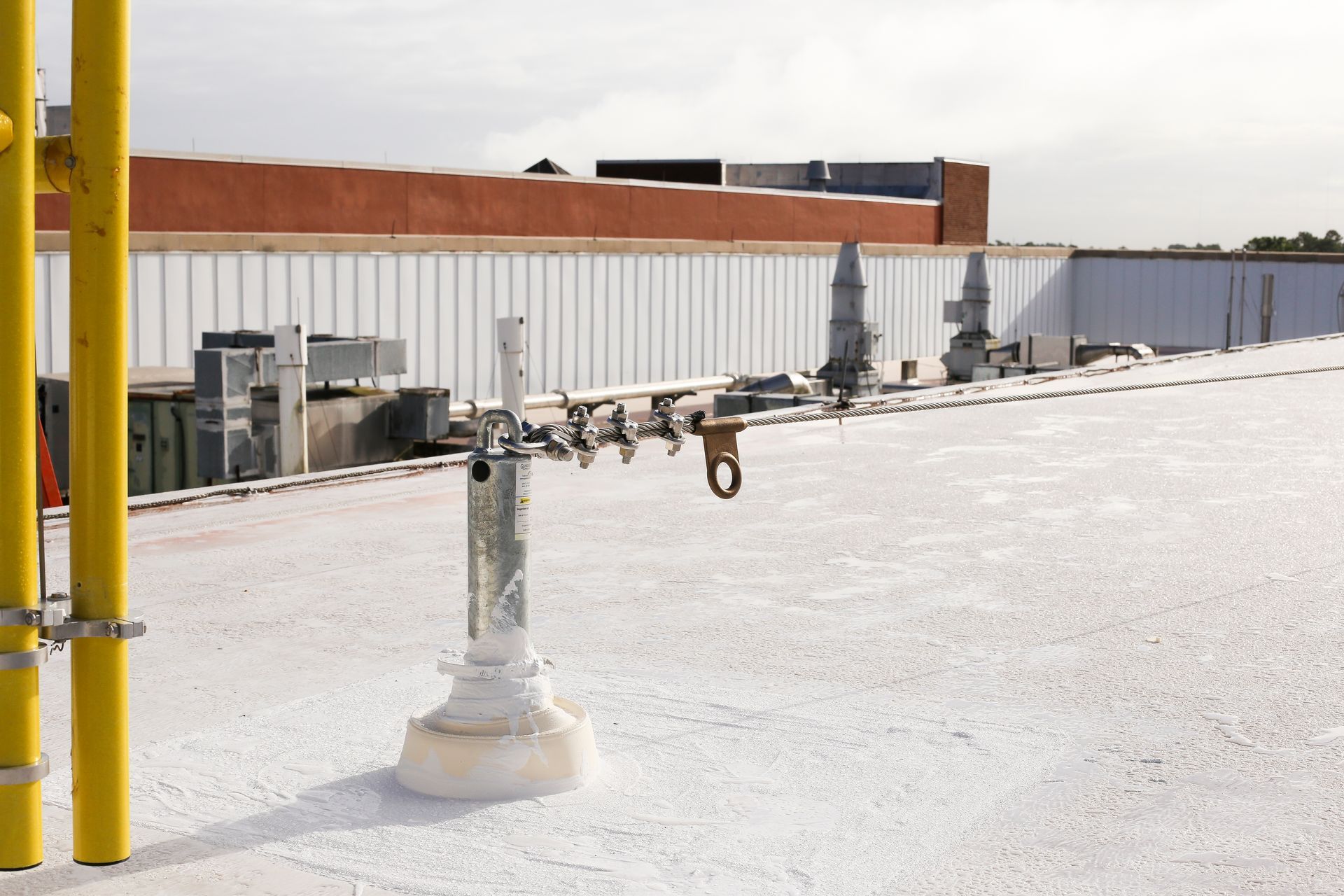
4. Load Testing and Certification
We perform rigorous pull-testing on installed anchors to verify capacity and issue formal certification for compliance.
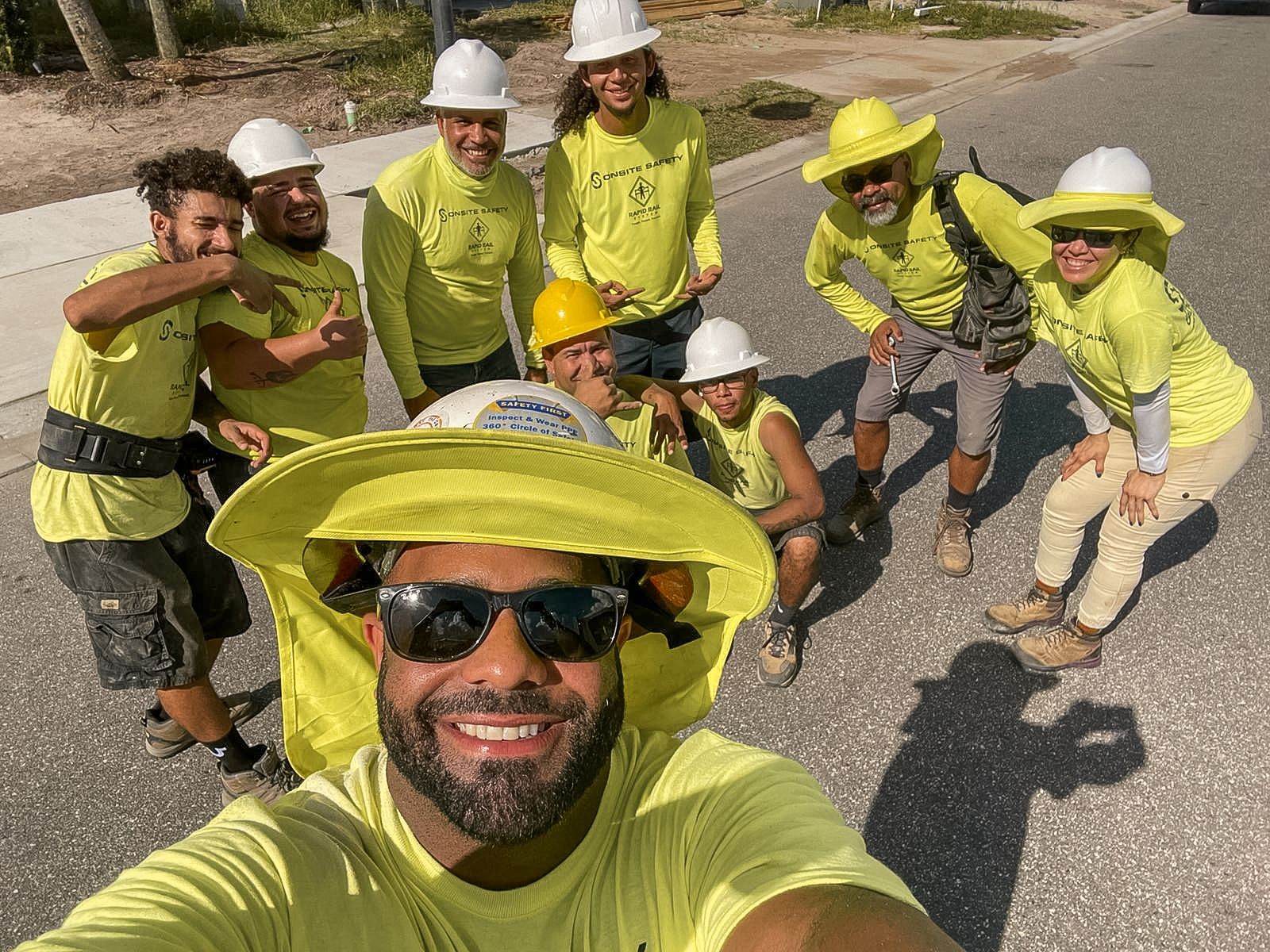
5. Training and Orientation
We provide hands-on instruction for your team on how to properly inspect, connect to, and use the installed anchorage system.
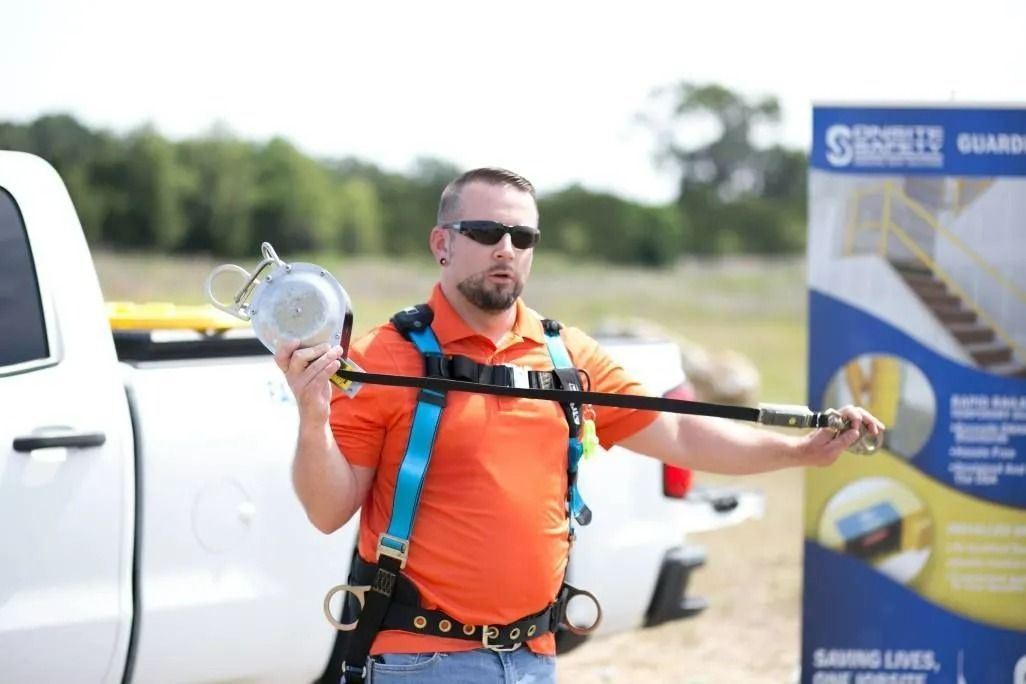
6. Documentation Package
You receive a comprehensive closeout binder containing system drawings, test results, warranties, and user manuals for future reference.
1. Site Assessment
We evaluate your roof or structure, map hazards, and determine the anchors needed.
2. Engineering Review
Anchors are selected or custom-engineered
3. Professional Installation
Our certified technicians securely install your anchor system according to engineering specifications and safety standards.
4. Load Testing and Certification
We perform rigorous pull-testing on installed anchors to verify capacity and issue formal certification for compliance.
5. Training and Orientation
We provide hands-on instruction for your team on how to properly inspect, connect to, and use the installed anchorage system.
6. Documentation Package
You receive a comprehensive closeout binder containing system drawings, test results, warranties, and user manuals for future reference.
FAQs
Answers to the most common questions from residential contractors, commercial builders, and jobsite safety teams.
What is the difference between Vertical and Horizontal Lifelines?
Vertical Lifelines (VLL) are used for up-and-down movement, such as climbing a ladder or working on a steep roof slope. Horizontal Lifelines (HLL) run parallel to the work surface, allowing workers to walk across large areas (like a flat roof or bridge) without constantly disconnecting and reconnecting.
How many workers can use a single lifeline system?
This depends on the system's engineering. Standard temporary vertical lifelines are typically rated for one user at a time. Engineered horizontal lifelines, however, can often support multiple users (commonly 2 to 4) simultaneously, provided the system is designed to handle the cumulative fall arrest forces.
How often do lifeline systems need to be inspected?
OSHA requires two types of inspections: a pre-use inspection by the worker before every shift to check for wear or damage, and a documented annual inspection by a "Competent Person" to ensure the system’s structural integrity and compliance.
How much fall clearance is required for a lifeline?
Lifelines require more clearance than rigid anchor points because the cable "deflects" (stretches and sags) during a fall. You must calculate the free fall distance, the deceleration distance (shock absorber deployment), and the cable deflection to ensure the worker will not hit the level below.
OUTCOMES
Safer crews. Fewer delays. One standard.
Fall protection systems help maintain safe access, support compliance, and provide consistent protection wherever work is performed at height.
Need Support on Your Next Project?
Talk with a safety specialist to determine the right guardrail solution for your project.
 FREE INSTANT ESTIMATE