

FALL ARREST TRAINING
Critical response training to stop falls and save lives
Fall Arrest Training for Residential & Commercial Teams
Mastering the use of Personal Fall Arrest Systems (PFAS) to save lives
Fall arrest training is specialized instruction dedicated to the proper use of harnesses, lanyards, and deceleration devices designed to stop a fall in progress. Because equipment reliability is non-negotiable, we customize our curriculum to match the specific gear and anchorage scenarios your team encounters—ensuring valid, hands-on competency.
Our fall arrest modules are expertly delivered to match your exact site conditions, equipment manufacturers, and strict OSHA safety requirements.
Fall Arrest Training made for your type of work
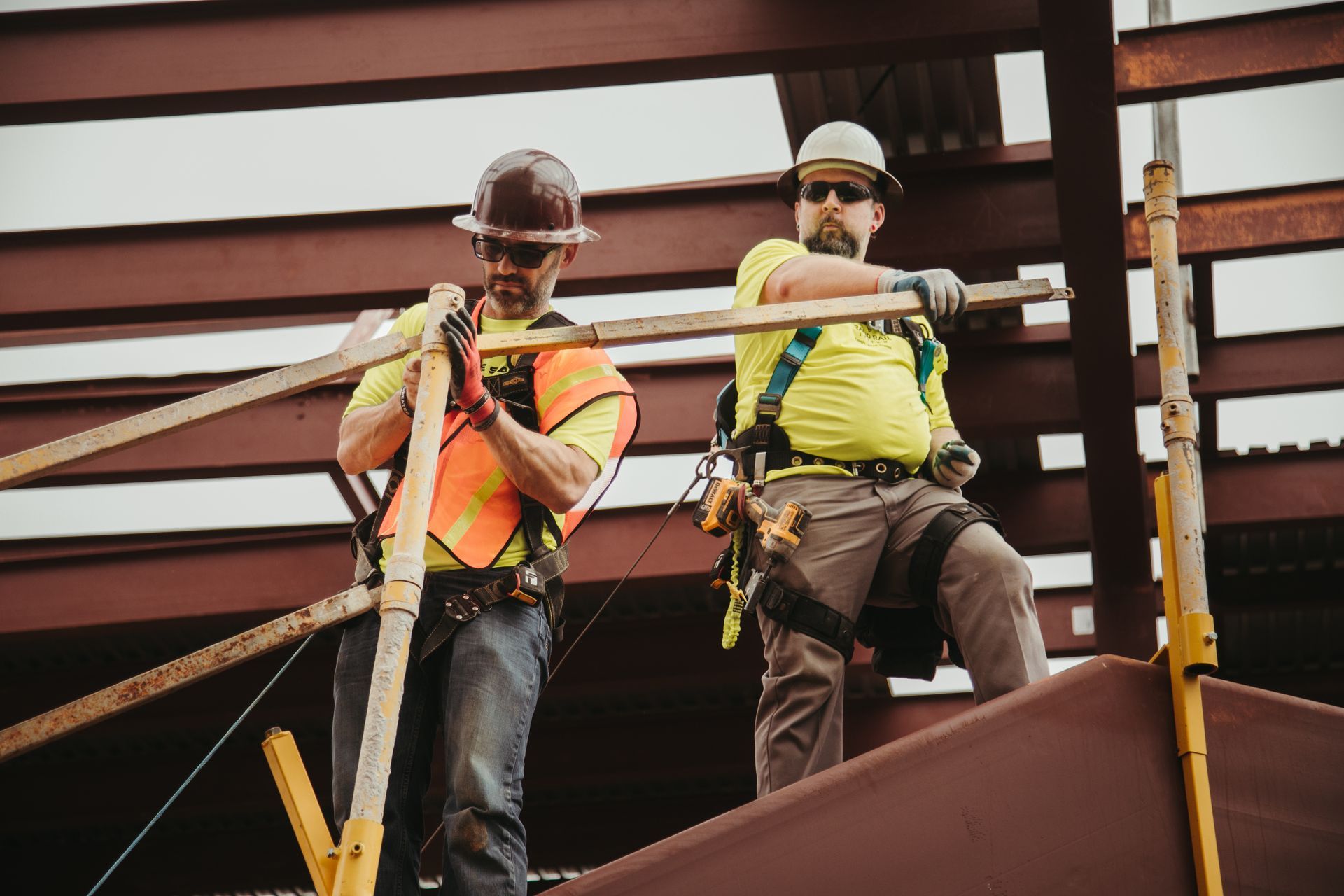
COMMERCIAL TRAINING
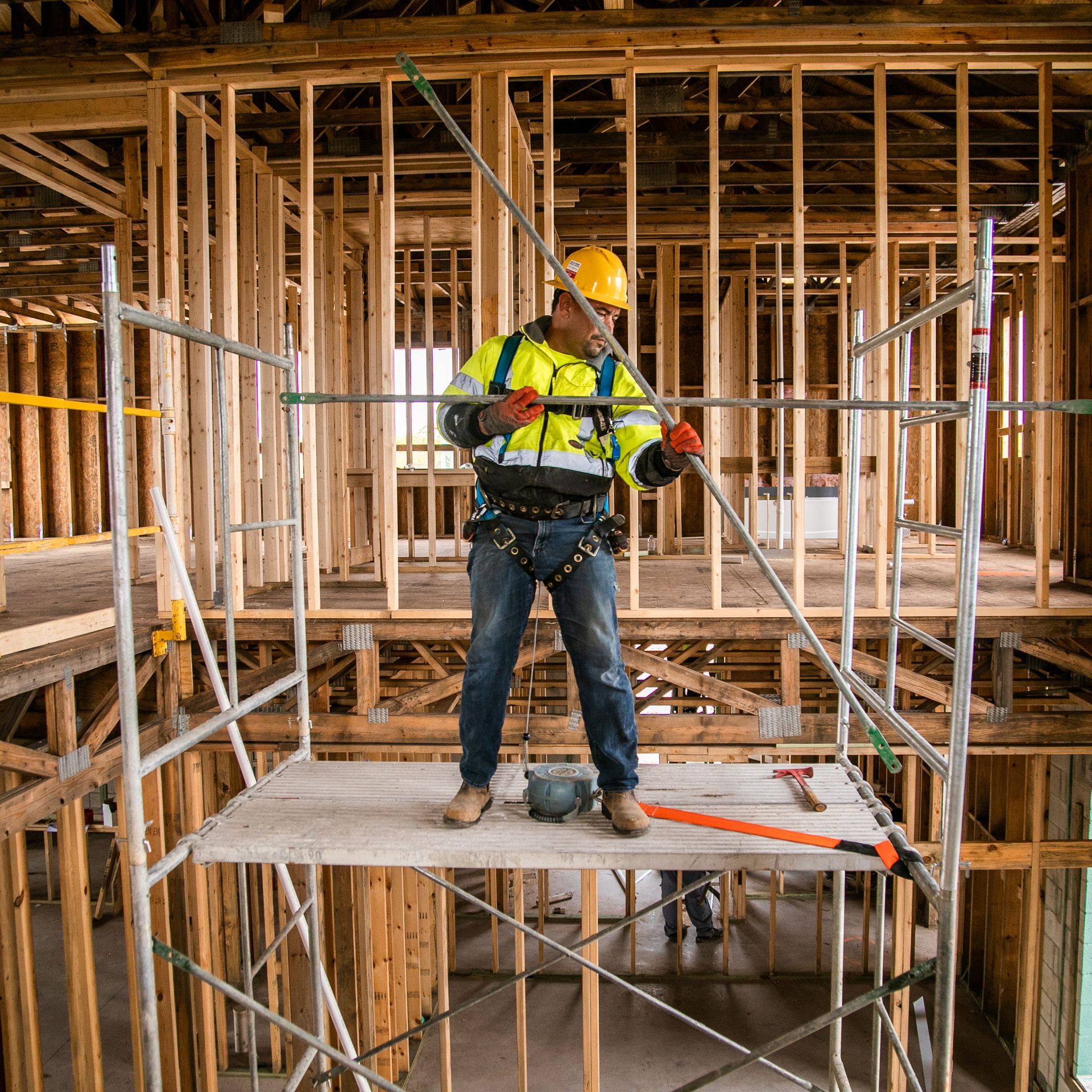
RESIDENTIAL TRAINING
Different projects require different applications. Explore how fall arrest trainings are applied in residential and commercial environments.
What is Fall Arrest Training?
Fall arrest training is critical safety education focused on the correct use of Personal Fall Arrest Systems (PFAS)—equipment designed to safely stop a worker in mid-fall before they strike a lower level. It goes beyond basic awareness, teaching workers how to trust their gear, calculate fall clearance, and react calmly in an emergency.
Fall Arrest Training is commonly used for:
- Proper fitting and inspection of full-body harnesses
- Selecting correct lanyards and deceleration devices
- Understanding clearance calculations and swing fall hazards
- Executing self-rescue and assisted rescue procedures
Fall Arrest Training for Commercial & Facilities
Certified safety instruction for complex industrial and maintenance environments
Our advanced fall arrest training prepares facility teams and contractors to work safely at heights where passive protection isn't feasible. We focus on the correct selection, inspection, and deployment of Personal Fall Arrest Systems (PFAS) tailored to industrial environments, ensuring your workforce remains compliant and confident in critical situations.
Common applications:
- High-bay warehouse operations and order picking
- Suspended scaffolding and façade maintenance
- Steel erection and skeletal structure work
- HVAC and rooftop equipment servicing
- Industrial plant maintenance and shutdowns
- Tower climbing and telecommunications
Key benefits:
- Ensures full compliance with OSHA 1910 and 1926 standards
- Reduces liability and workers' compensation risks
- Empowers workers with critical self-rescue techniques
- Extends equipment life through proper inspection training
- Customized curriculum for specific facility hazards
Fall Arrest Training for Residential Homes & Roofing
Essential skills for roofing crews and residential contractors working at heights
Our focused fall arrest training provides residential workers with the critical knowledge to correctly use personal fall protection systems when guardrails aren't an option. We emphasize practical, hands-on instruction for harnesses, anchors, and lanyards, ensuring your team stays compliant and safe on steep slopes and varied rooflines.
Common applications:
- Steep-slope roofing installation and repair
- Solar panel installation and maintenance
- Gutter cleaning and exterior painting
- Chimney repair and masonry work
- Siding installation on multi-story homes
- Emergency tarping and storm damage response
Key benefits:
- Ensures OSHA compliance for residential construction (Subpart M)
- Reduces risk of serious injury and fatality
- Increases worker confidence and efficiency
- Teaches proper equipment inspection and storage
- Protects business reputation and minimizes liability
THE ONSITE SAFETY DIFFERENCE
Types of Fall Arrest Training We Provide
We offer a range of training modules to match your team's specific roles and safety requirements.

Authorized User Training
Essential instruction for workers using fall arrest systems daily. Covers inspection, proper harnessing, and safe usage.
Competent Person Training
Advanced coursework for supervisors responsible for identifying hazards, selecting anchorages, and overseeing site safety programs.
Equipment-Specific Workshops
Deep dives into specific gear, such as self-retracting lifelines (SRLs) or rope grabs, ensuring expert proficiency.
Rescue Planning & Response
Critical training on how to safely retrieve a suspended worker and prevent suspension trauma post-fall.
Site-Specific Scenarios
Tailored training sessions designed around the unique hazards, structures, and workflows of your specific projects.
HOW IT WORKS
A safe bollard system requires more than hardware—it requires expertise. Our process ensures your bollards are installed correctly and documented properly.
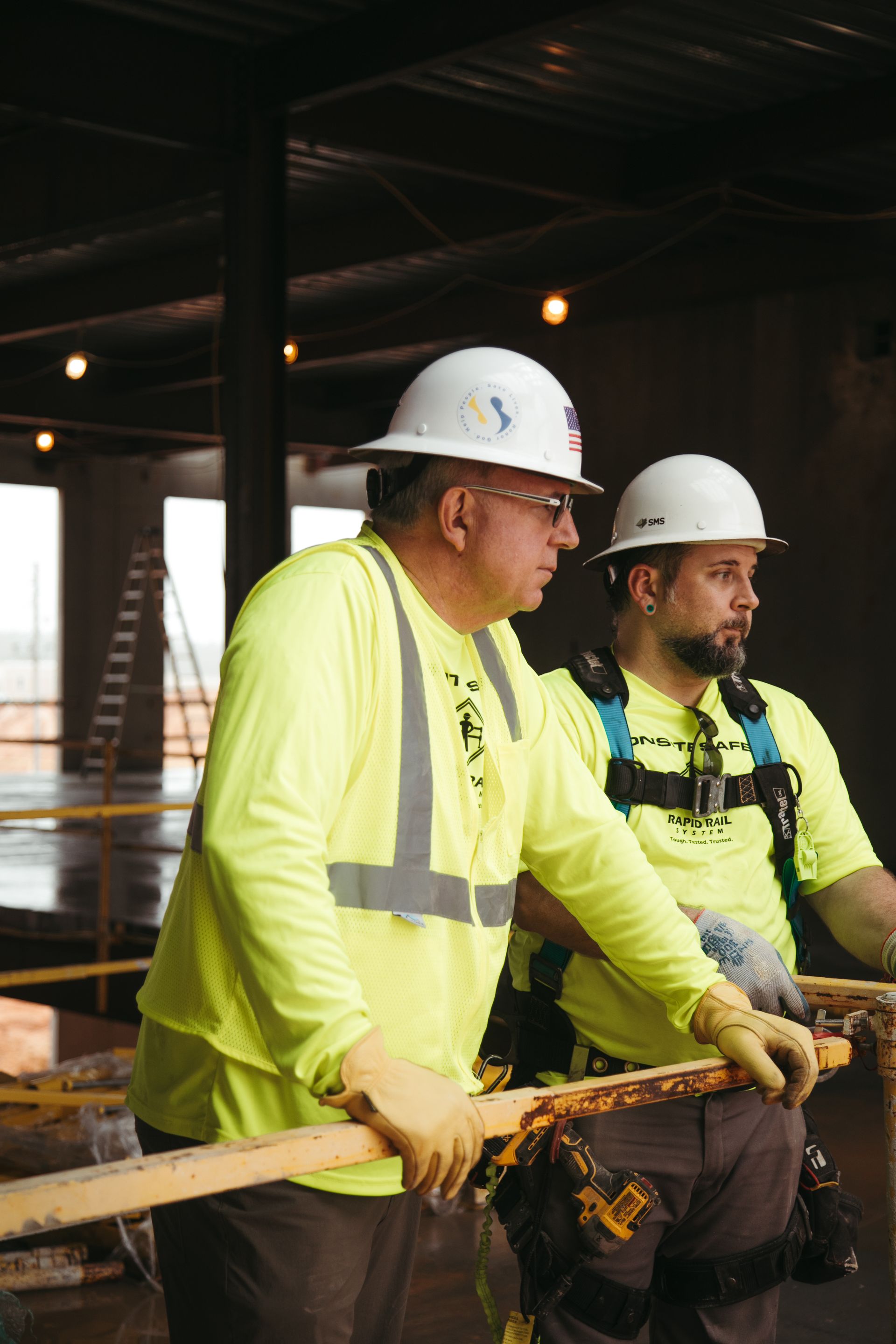
1. Site Assessment
We evaluate your roof or structure, map hazards, and determine the anchors needed.
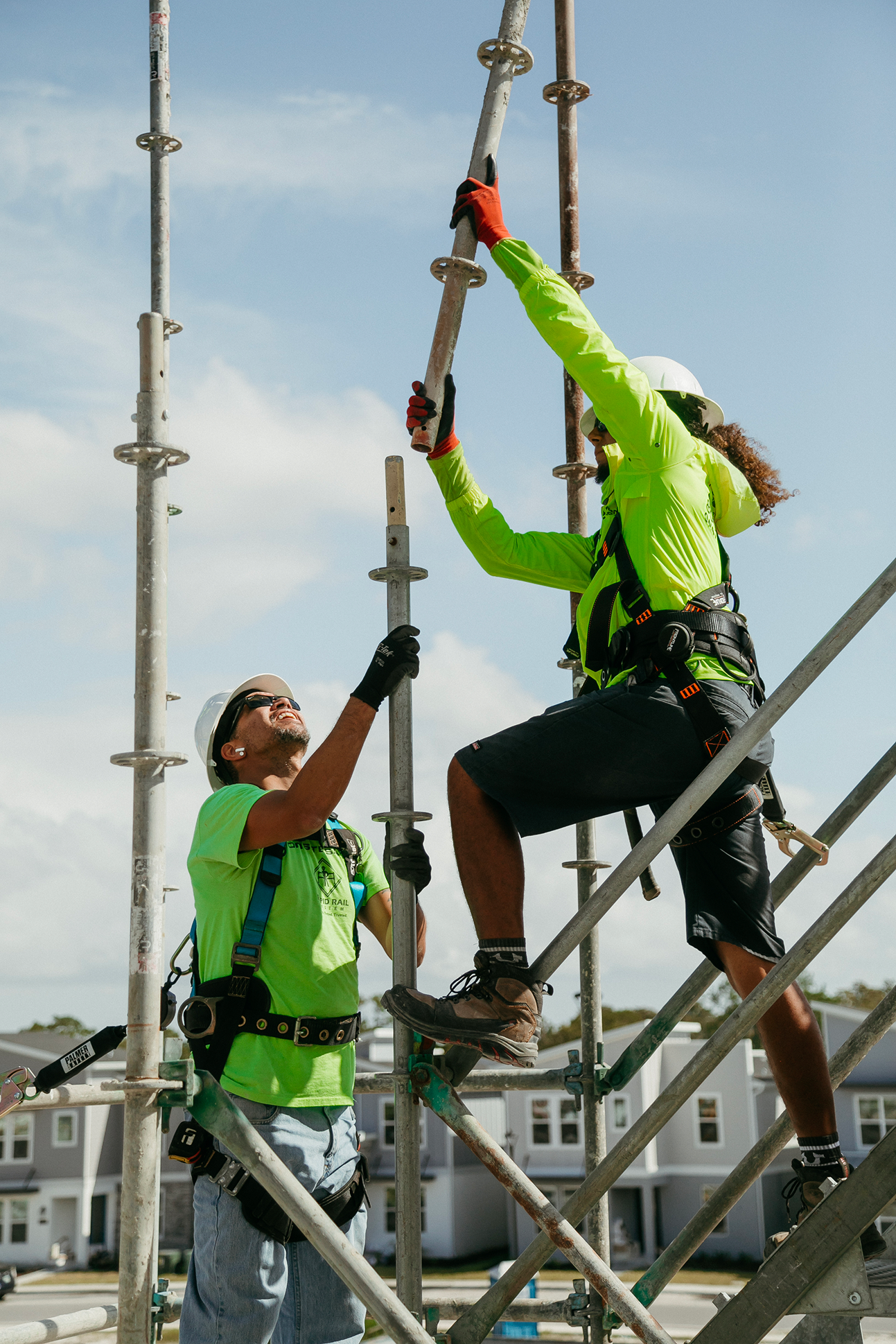
2. Engineering Review
Anchors are selected or custom-engineered
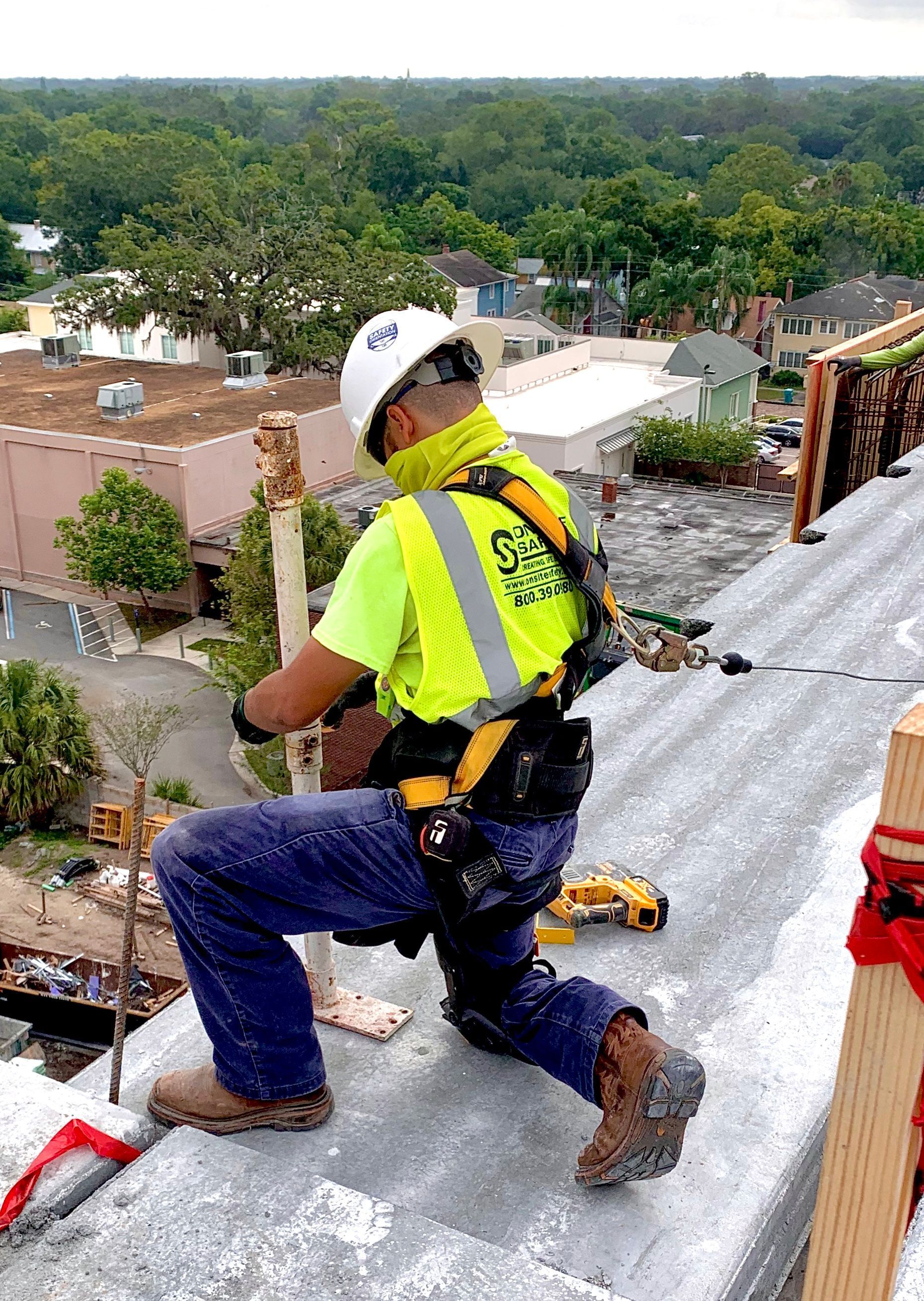
3. Professional Installation
Our certified technicians securely install your anchor system according to engineering specifications and safety standards.
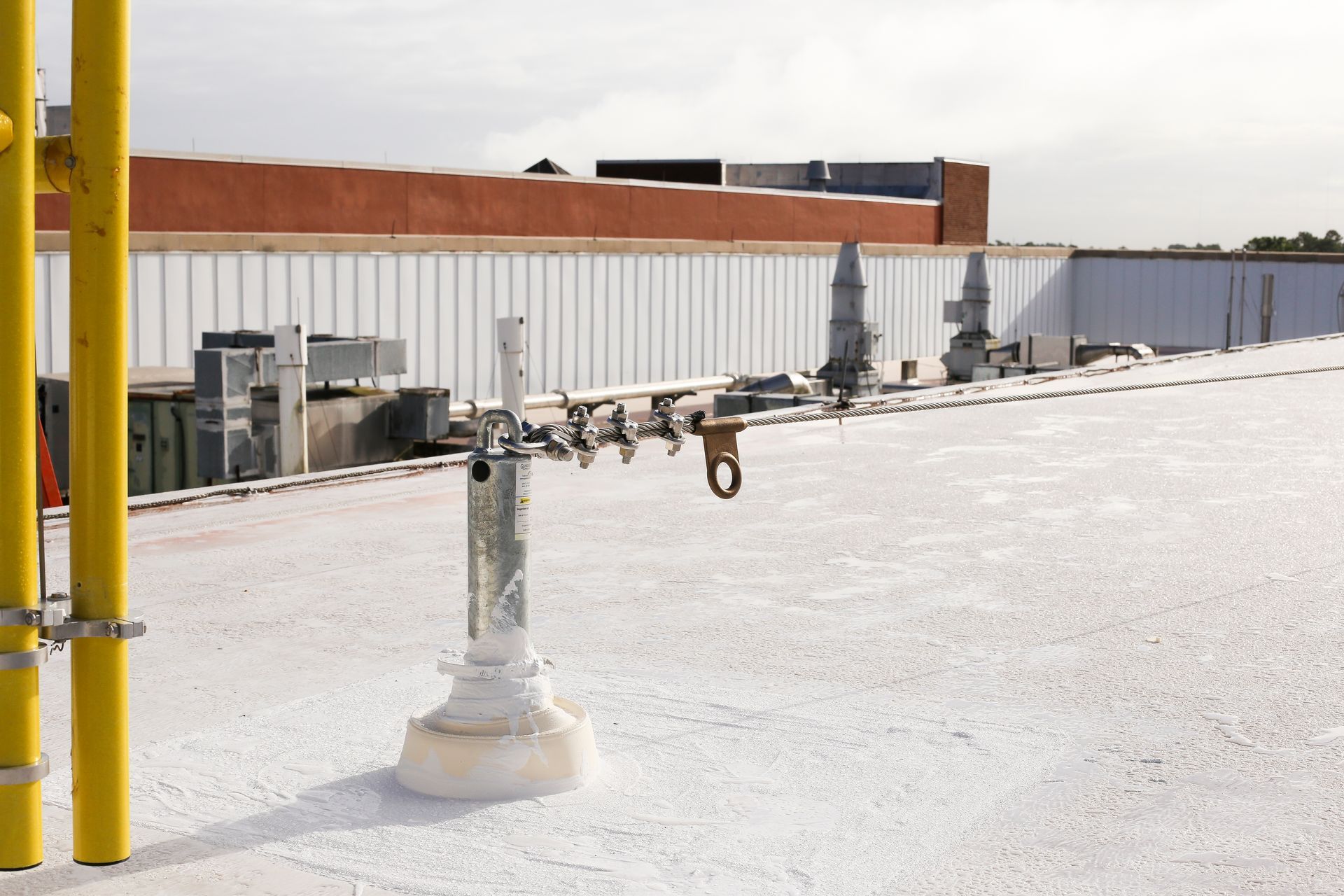
4. Load Testing and Certification
We perform rigorous pull-testing on installed anchors to verify capacity and issue formal certification for compliance.
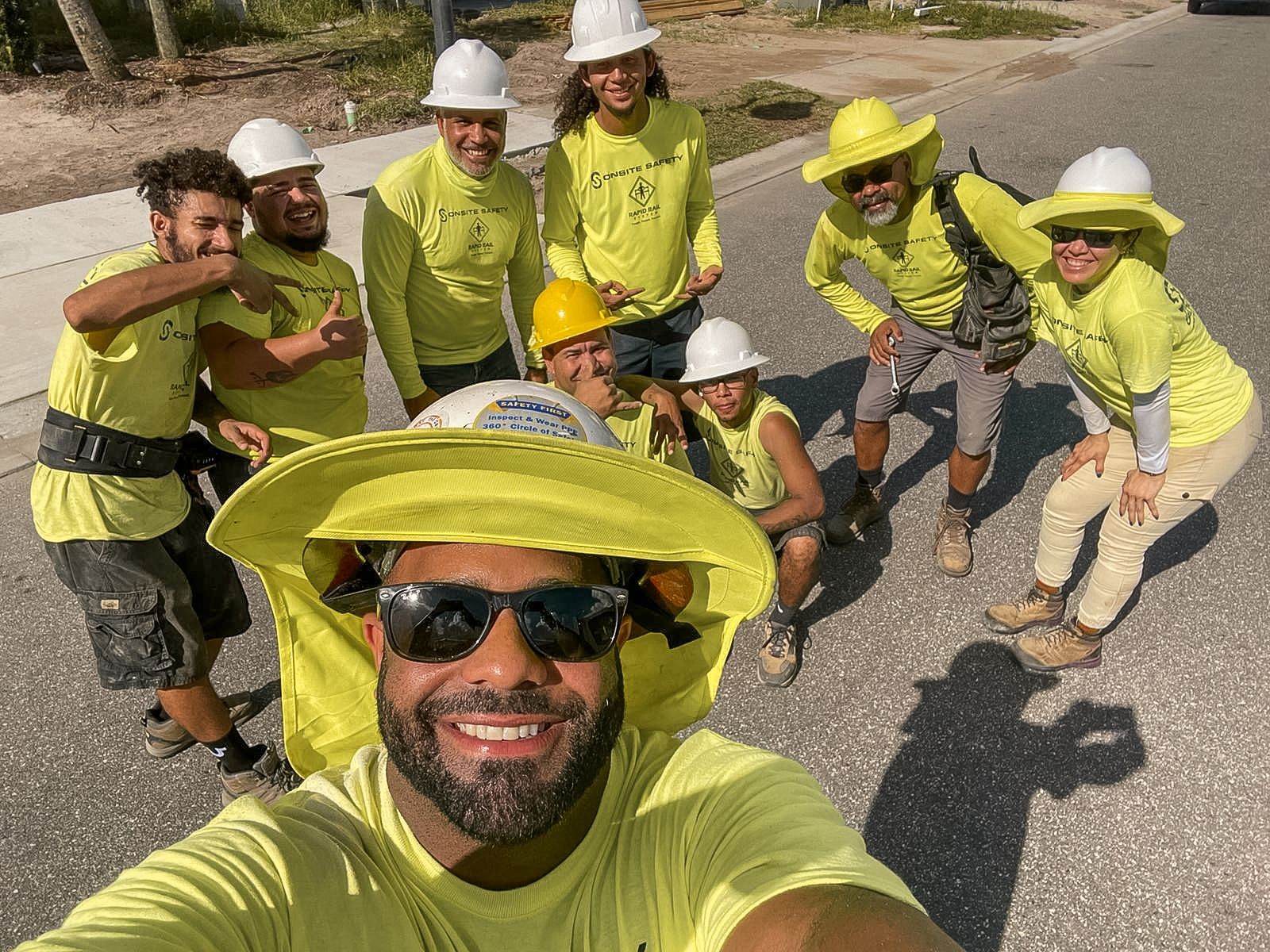
5. Training and Orientation
We provide hands-on instruction for your team on how to properly inspect, connect to, and use the installed anchorage system.
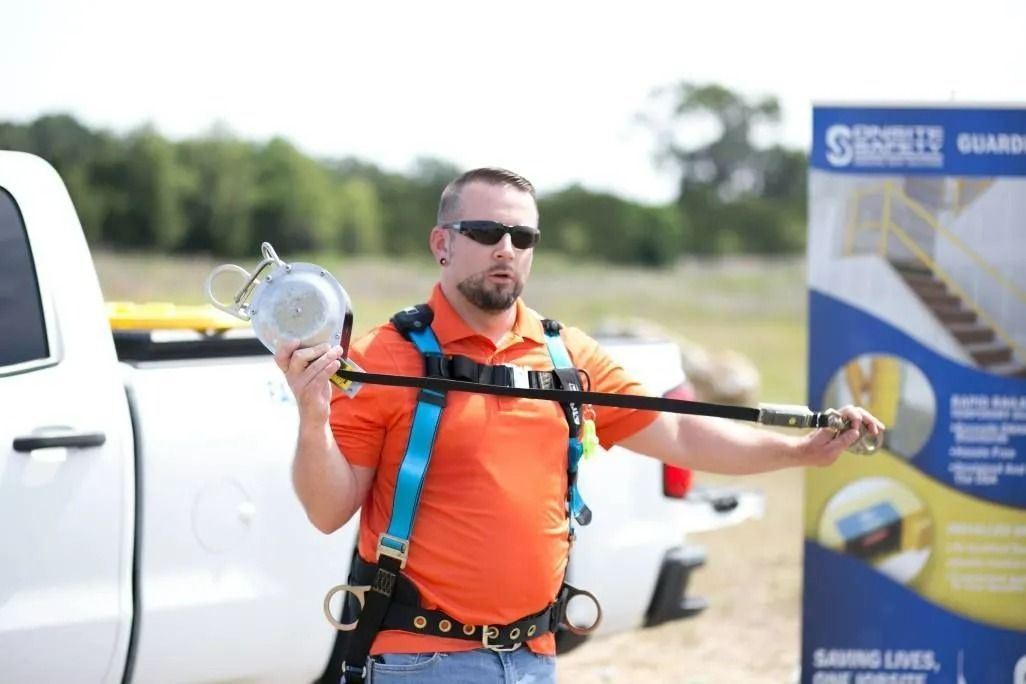
6. Documentation Package
You receive a comprehensive closeout binder containing system drawings, test results, warranties, and user manuals for future reference.
1. Site Assessment
We evaluate your roof or structure, map hazards, and determine the anchors needed.
2. Engineering Review
Anchors are selected or custom-engineered
3. Professional Installation
Our certified technicians securely install your anchor system according to engineering specifications and safety standards.
4. Load Testing and Certification
We perform rigorous pull-testing on installed anchors to verify capacity and issue formal certification for compliance.
5. Training and Orientation
We provide hands-on instruction for your team on how to properly inspect, connect to, and use the installed anchorage system.
6. Documentation Package
You receive a comprehensive closeout binder containing system drawings, test results, warranties, and user manuals for future reference.
FAQs
Answers to the most common questions from residential contractors, commercial builders, and jobsite safety teams.
What is the difference between fall arrest and fall protection?
Fall protection is the broad category of preventing falls. Fall arrest is a specific type of protection (using a harness and lanyard) designed to safely stop a worker after a fall has begun, preventing them from hitting the ground.
Does fall arrest training include rescue planning?
Yes. OSHA requires that employers provide for prompt rescue of employees in the event of a fall. Our training covers critical self-rescue techniques and assisted rescue procedures to prevent suspension trauma
How often do I need to be retrained?
Retraining is required whenever there are changes in the workplace, equipment, or if a worker demonstrates a lack of understanding. Best practice involves regular refreshers to ensure skills remain sharp.
Is hands-on training required for fall arrest?
Yes. Proper training requires employees to demonstrate they can physically inspect, anchor, and wear their equipment correctly. Classroom theory alone is not sufficient for certifying real-world competency.
OUTCOMES
Safer crews. Fewer delays. One standard.
Fall protection systems help maintain safe access, support compliance, and provide consistent protection wherever work is performed at height.
Need Support on Your Next Project?
Talk with a safety specialist to determine the right guardrail solution for your project.

 FREE INSTANT ESTIMATE