

TEMPORARY RAILS
Versatile, rapid-deployment barriers for active construction zones
Built for Residential & Commercial Projects
Rapid-deployment fall protection for active construction zones
Our temporary rail systems are engineered to secure leading edges, stairwells, and balconies during the most dynamic phases of construction. These modular barriers provide robust OSHA compliance and can be quickly reconfigured or removed as the project evolves, ensuring safety without slowing down workflow.
- Verified Compliance: OSHA-compliant installations and removal services.
- Non-Destructive: Clamp and compression options to protect finished surfaces.
- Scalable Solutions: Easily adaptable systems for changing job site needs.
- Streamlined Reporting: Clear documentation for Superintendents, PMs, and GCs.
Temporary Rails made for your type of work
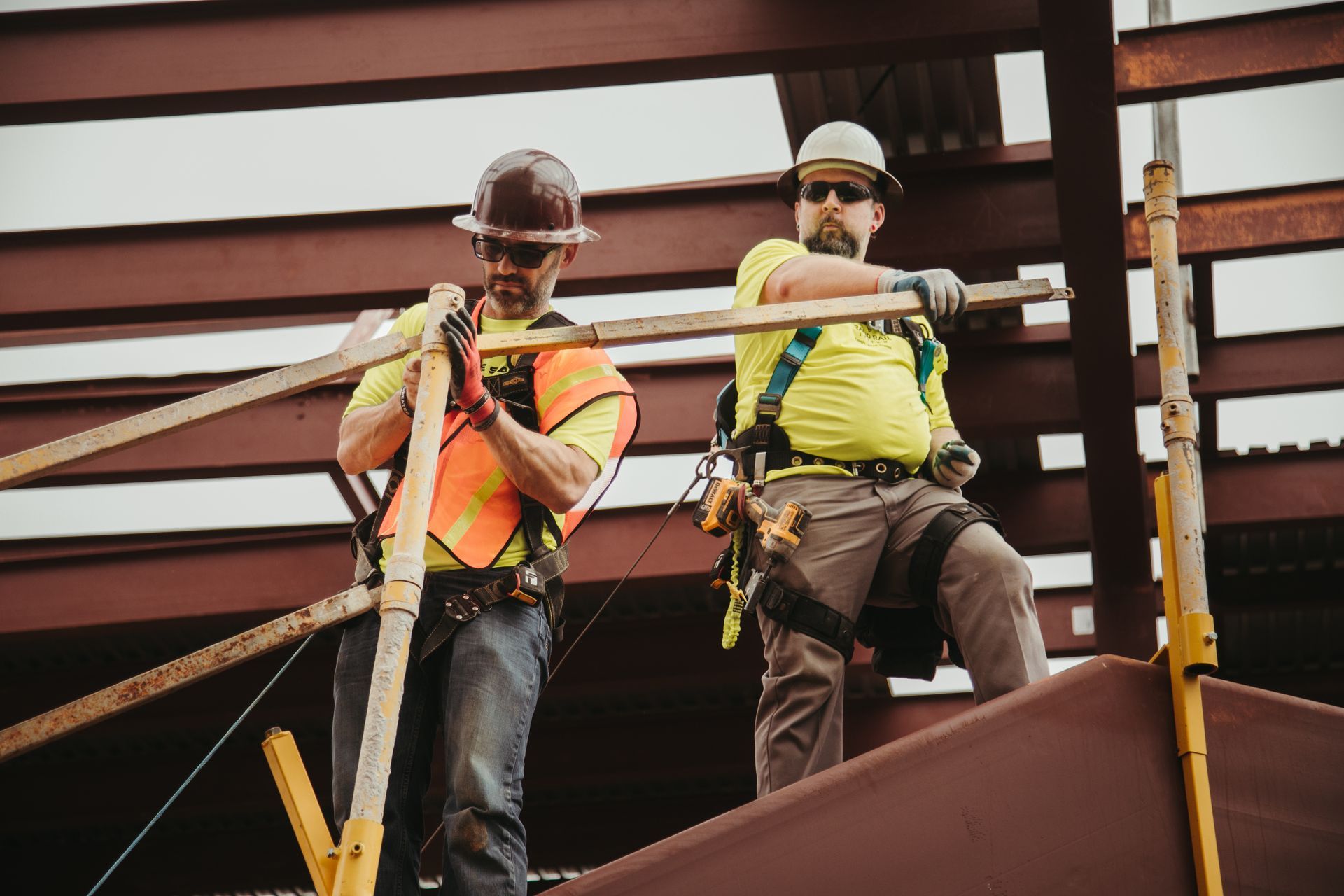
COMMERCIAL TEMPORARY RAILS
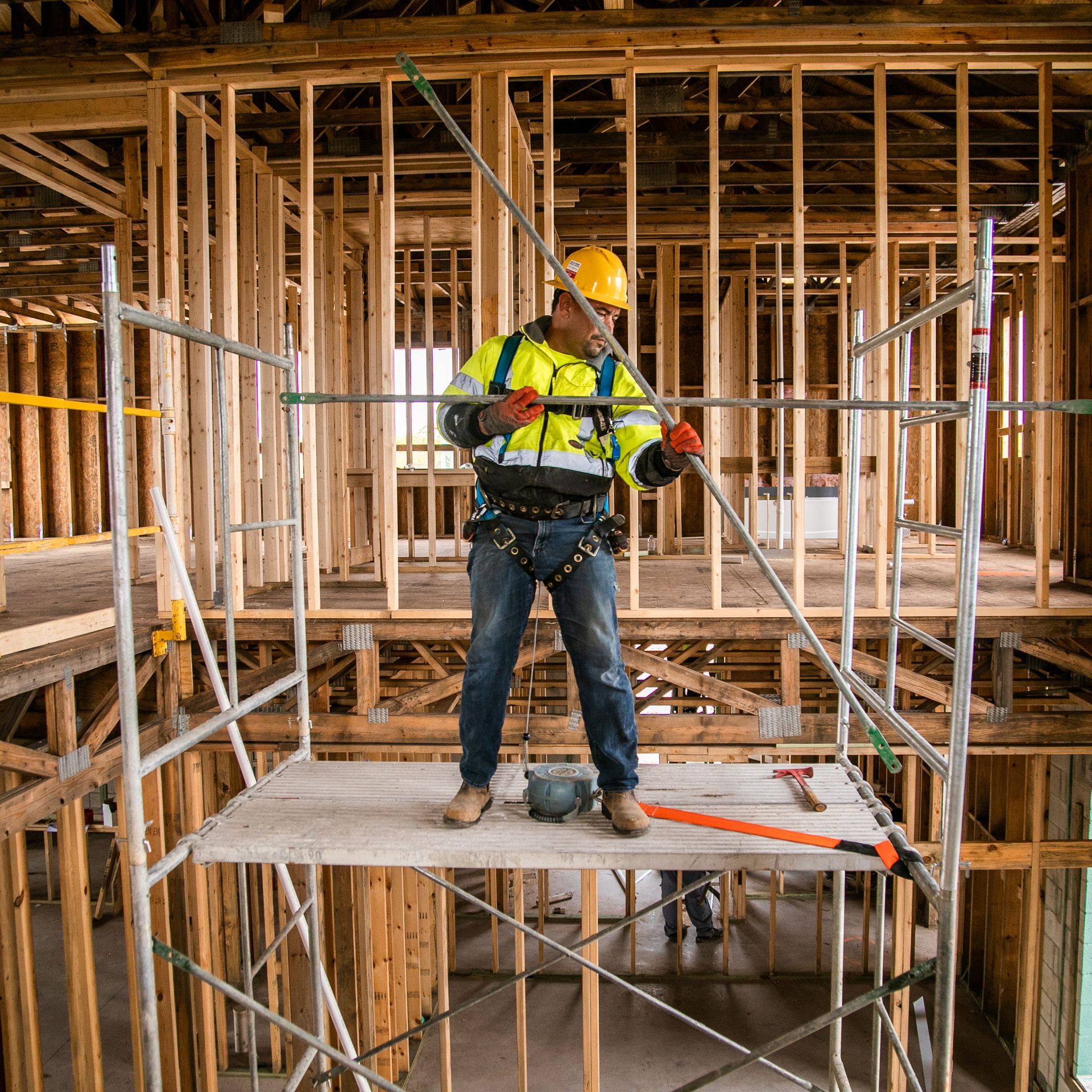
RESIDENTIAL TEMPORARY RAILS
Different projects require different applications. Explore how temporary are applied in residential and commercial environments.
What are Temporary Rails?
Temporary rails are modular safety barriers designed to secure job sites during active construction phases. Unlike permanent fixtures, these systems can be rapidly deployed, adjusted, and removed as work progresses, ensuring continuous OSHA compliance without damaging finished surfaces or impeding workflow.
Temporary Rails are commonly used for:
- Stairways & Shafts: Securing open risers, landings, and elevator openings.
- Balconies & Windows: Protecting rough openings before glazing or permanent railing installation.
- Slab Edges: Creating immediate barriers on elevated concrete decks.
- Excavation Zones: Marking and securing trench perimeters or ground-level hazards.
Temporary Rails for Commercial Projects
Versatile protection for multi-story and large-scale builds.
Deploy robust fall protection across your commercial site with our modular temporary rail systems. Designed for concrete slabs, steel beams, and parapets, these non-penetrating barriers secure the job without damaging finished surfaces or delaying the schedule.
Common applications:
- Multi-story concrete slab edges
- Elevator shafts and stair towers
- Balconies and window openings
- Steel erection and perimeter beams
- Excavation and trench safety
- Renovation and demolition zones
Key benefits:
- OSHA / ANSI Compliant: Verified protection for workers.
- Non-Destructive: Clamp and compression options protect structures.
- Rapid Deployment: Quick installation and removal to match project pace.
- Scalable: Easily reconfigured for changing site layouts.
Temporary Rails for Residential Construction
Versatile fall protection for framing and interior safety.
Secure your residential sites with modular temporary rail systems designed specifically for wood framing and early-stage construction. These barriers provide critical fall protection for open interiors and perimeters without slowing down carpentry or drywall crews.
Common applications:
- Stairwells, landings, and hallways
- Balconies and deck perimeters
- Second-story window rough openings
- Walkout basements and retaining walls
- Loft and mezzanine edges
Key benefits:
- OSHA Compliant: Meets residential fall protection standards (Subpart M).
- Surface Protection: Non-damaging clamps preserve wood framing and finished floors.
- Efficiency: Quick setup and removal keeps production schedules moving.
- Adaptable: Adjustable components fit various framing layouts and opening sizes.
THE ONSITE SAFETY DIFFERENCE
Types of Temporary Rails We Install
We offer a range of temporary railing solutions to match your environment and safety needs.

Compression Post Systems
Ideal for multi-story concrete structures. Rapidly secures slab edges and elevator shafts without drilling.
Clamp-On Rails
Attaches securely to parapets, exposed beams, and slab overhangs. Perfect for early-stage structural work.
Free-Standing Bases
Weighted systems for flat surfaces where penetrating the floor or roof is not an option.
Stair & Handrail Clamps
Designed specifically to secure open stairways and landings during framing and finishing.
Custom Configurations
Tailored setups for unique architectural features, complex excavations, or specific site logistics.
HOW IT WORKS
A safe anchor system requires more than hardware—it requires expertise. Our process ensures your anchors are installed correctly and documented properly.
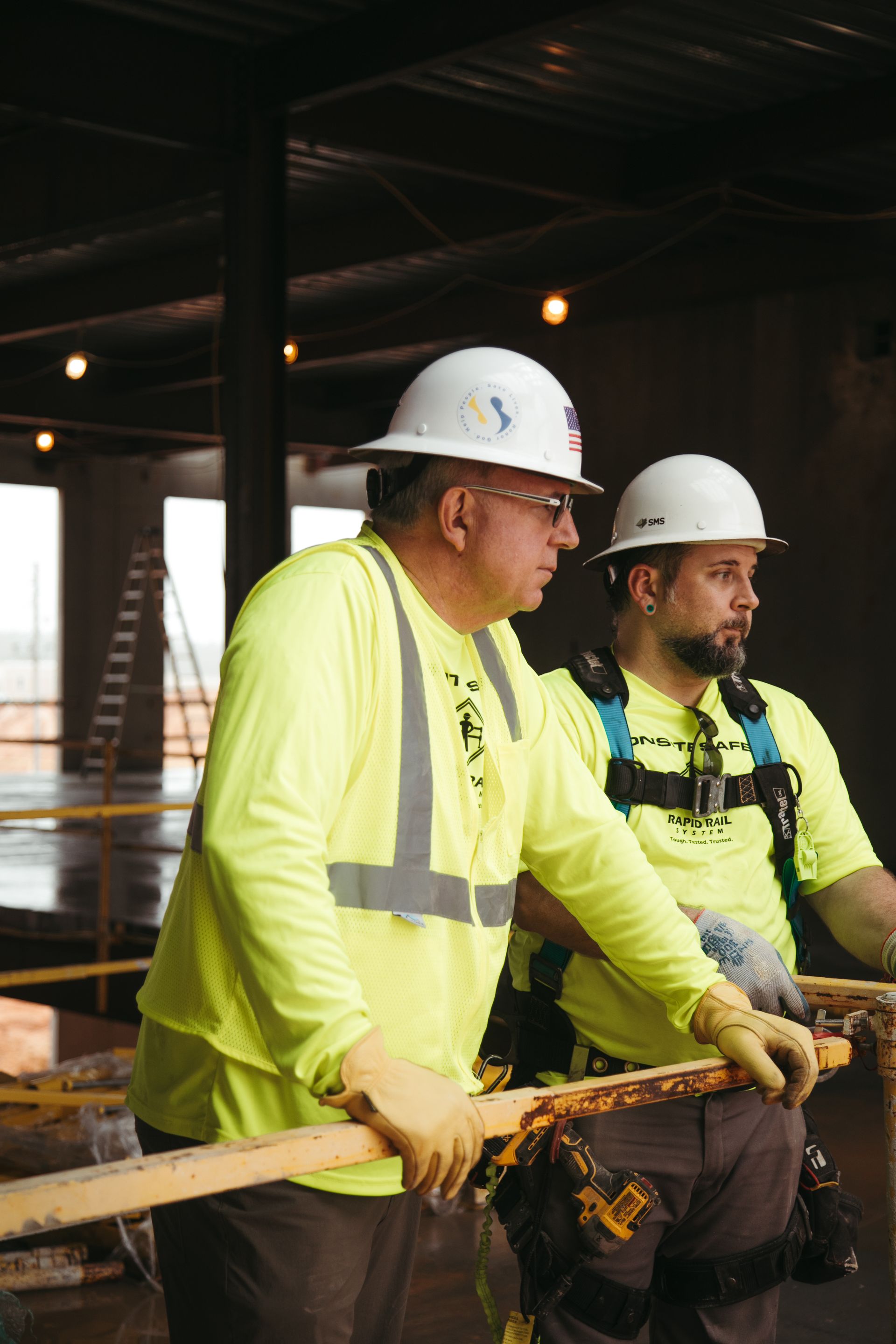
1. Site Assessment
We evaluate your roof or structure, map hazards, and determine the anchors needed.
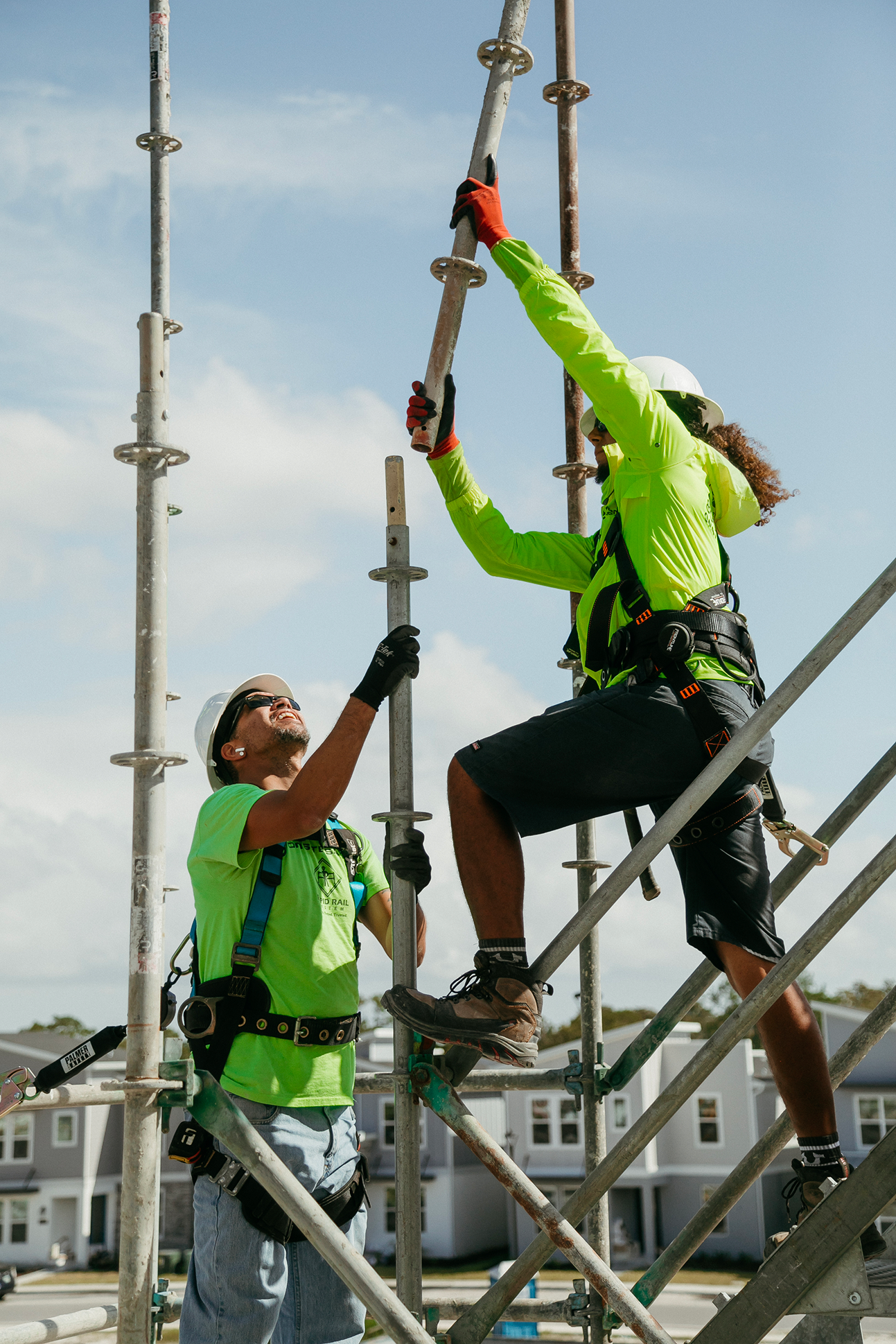
2. Engineering Review
Anchors are selected or custom-engineered
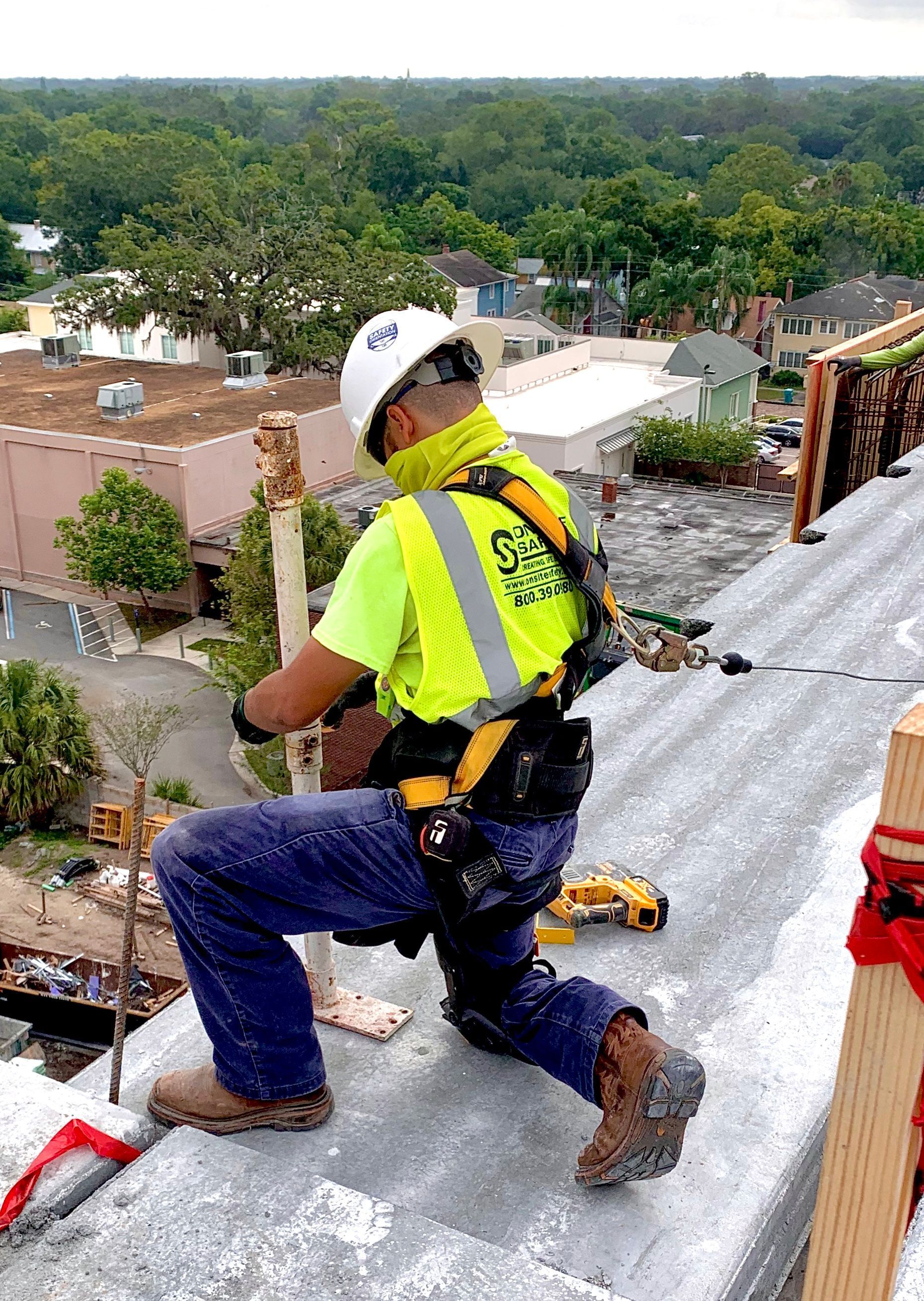
3. Professional Installation
Our certified technicians securely install your anchor system according to engineering specifications and safety standards.
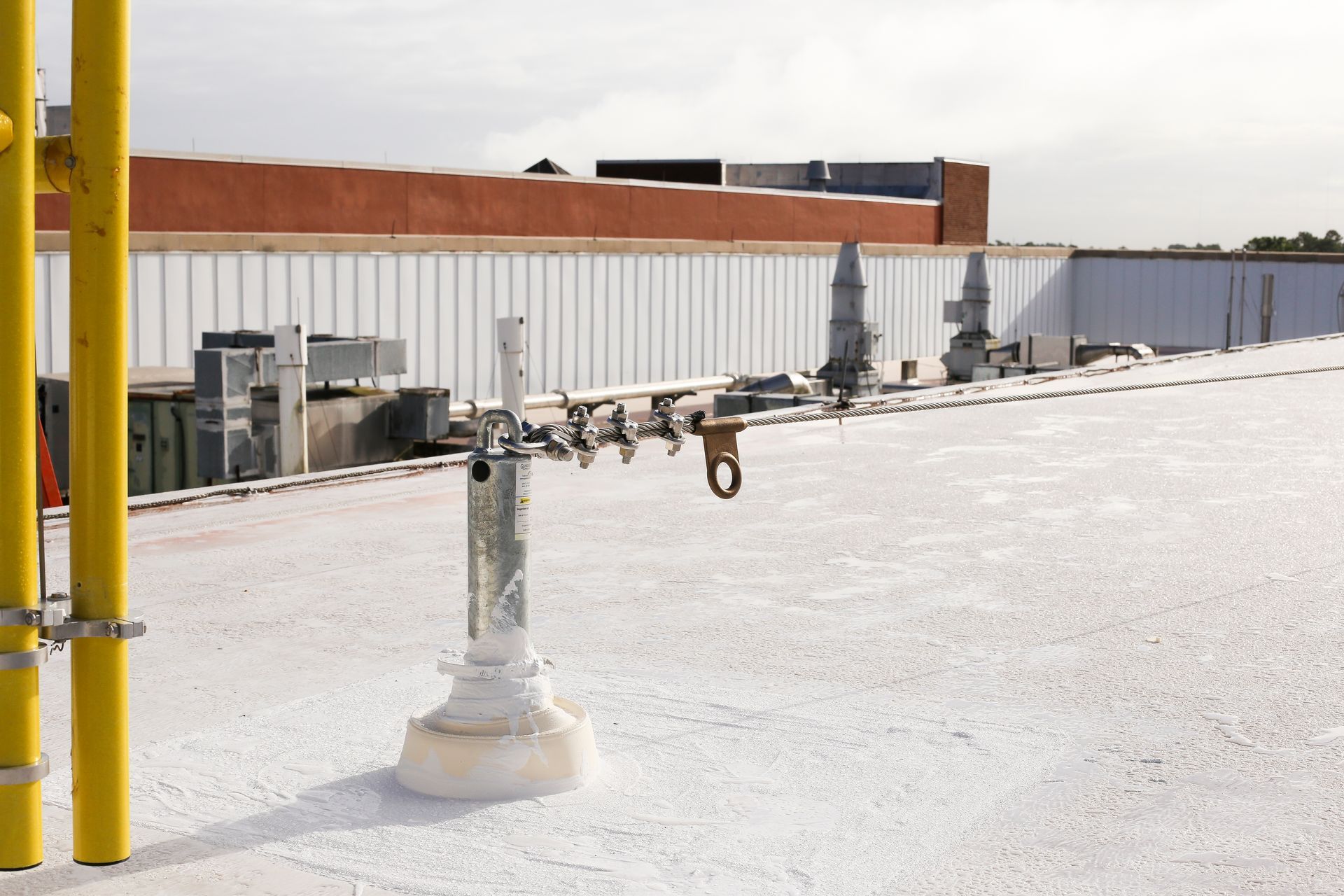
4. Load Testing and Certification
We perform rigorous pull-testing on installed anchors to verify capacity and issue formal certification for compliance.
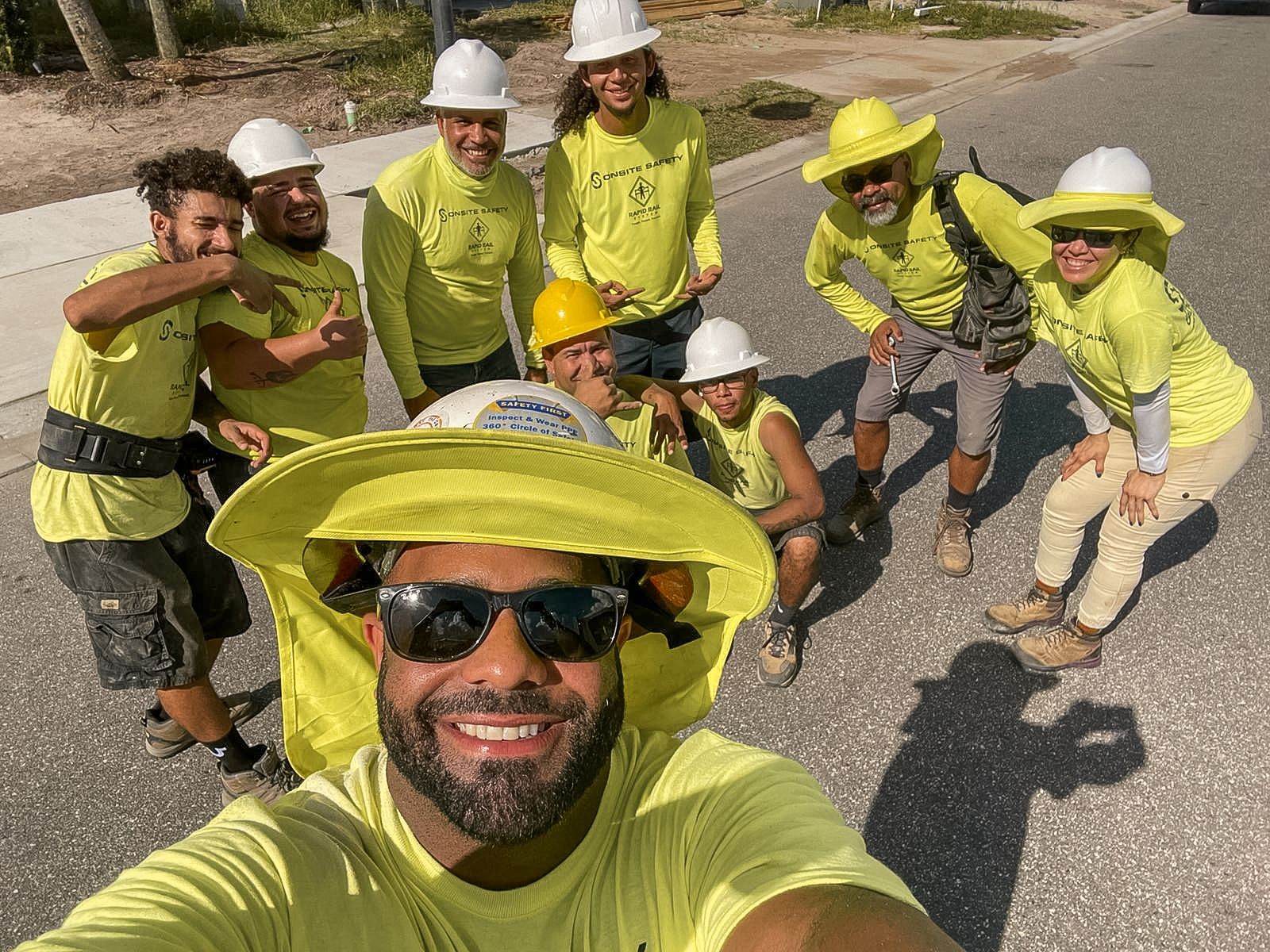
5. Training and Orientation
We provide hands-on instruction for your team on how to properly inspect, connect to, and use the installed anchorage system.
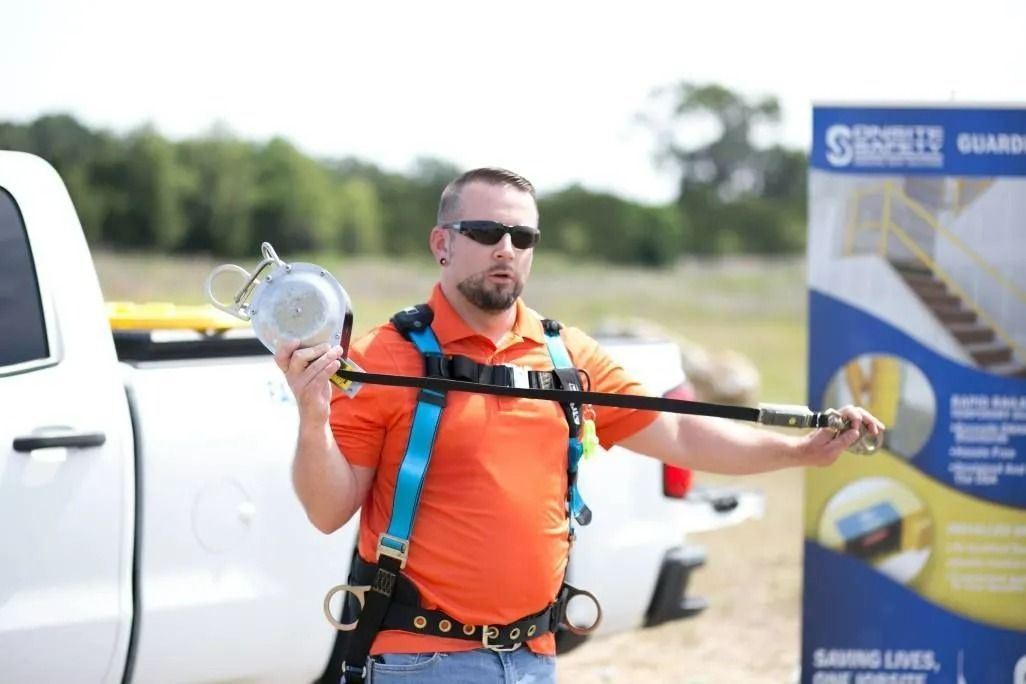
6. Documentation Package
You receive a comprehensive closeout binder containing system drawings, test results, warranties, and user manuals for future reference.
1. Site Assessment
We evaluate your roof or structure, map hazards, and determine the anchors needed.
2. Engineering Review
Anchors are selected or custom-engineered
3. Professional Installation
Our certified technicians securely install your anchor system according to engineering specifications and safety standards.
4. Load Testing and Certification
We perform rigorous pull-testing on installed anchors to verify capacity and issue formal certification for compliance.
5. Training and Orientation
We provide hands-on instruction for your team on how to properly inspect, connect to, and use the installed anchorage system.
6. Documentation Package
You receive a comprehensive closeout binder containing system drawings, test results, warranties, and user manuals for future reference.
FAQs
Answers to the most common questions from residential contractors, commercial builders, and jobsite safety teams.
How much force must temporary rails withstand?
To meet OSHA compliance, the top rail of a temporary system must be capable of withstanding at least 200 pounds of force applied in a downward or outward direction, while the mid-rail must withstand 150 pounds.
Will temporary rails damage finished surfaces?
No. We utilize specialized compression posts and padded clamp systems designed to secure perimeters without drilling or penetrating the structure, preserving slabs, flooring, and finished carpentry.
Do temporary rail systems require inspections?
Yes. Because construction sites are dynamic environments, temporary rails should be inspected frequently—ideally at the start of each shift—to ensure clamps remain tight and components have not been altered or moved by other trades.
Can temporary rails be moved as the project progresses?
Absolutely. These systems are modular and designed for rapid dismantling and re-installation. This allows the safety infrastructure to move with your crews from floor to floor or phase to phase efficiently.
OUTCOMES
Safer crews. Fewer delays. One standard.
Fall protection systems help maintain safe access, support compliance, and provide consistent protection wherever work is performed at height.
Need Support on Your Next Project?
Talk with a safety specialist to determine the right temporary rail solution for your project.

 FREE INSTANT ESTIMATE