

EDGE PROTECTION
OSHA-compliant leading edge and perimeter protection systems engineered to safeguard workers across complex commercial construction sites.
Protect every perimeter. Secure every leading edge.
Unprotected drop-offs are the most lethal hazards on any jobsite.
From elevated concrete decks to unfinished roof perimeters, safeguarding these drops is a non-negotiable priority. A robust edge protection strategy prevents falls before they happen and ensures that if a fall does occur over a sharp edge, the equipment won't fail.
Our commercial edge protection systems deliver a strategic combination of passive barriers, safety nets, and specialized active tie-off equipment to ensure total safety compliance without restricting your trades.
What Is Edge Protection?
Edge protection refers to the systems deployed to prevent workers, tools, and materials from falling off an unprotected side or edge of a walking/working surface. In commercial environments, this requires a mix of passive fall protection (like guardrails that require no worker interaction) and active leading-edge gear engineered to withstand the shearing forces of falling over a sharp 90-degree concrete or steel drop.
Common edge protection applications include:
- Active concrete decking and precast erection
- Flat commercial roof perimeters and parapets
- Elevator shafts and large floor openings
- Structural steel framing and bridge decking
BUILT FOR COMMERCIAL PROJECTS
Total perimeter safety for active builds
Edge safety requirements change daily as a building goes up. Our solutions are adaptable, allowing site managers to move barriers and tie-off points fluidly as new floors and edges are constructed.
- Integrates with concrete slabs, steel I-beams, and wood framing
- Offers passive guardrails and active LE-rated lanyards
- Designed to withstand high winds and harsh jobsite conditions
- Guarantees strict adherence to OSHA 1926 Subpart M
- Includes toe boards and debris netting to protect lower levels
THE ONSITE SAFETY DIFFERENCE
Types of Edge Protection Solutions
We provide a comprehensive range of both passive and active edge safety solutions for maximum site versatility.
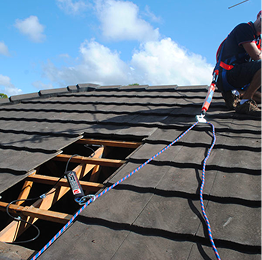
Temporary Guardrails
Passive, physical barriers (clamp-on, freestanding, or bolt-down) that secure a perimeter, completely eliminating the need for harnesses and lanyards.
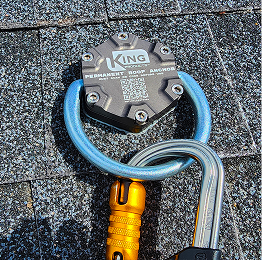
Leading Edge (LE) SRLs
Specialized Self-Retracting Lifelines built with heavier wire cable and integrated shock absorbers, designed not to sever when pulled taut over a sharp concrete or steel edge.
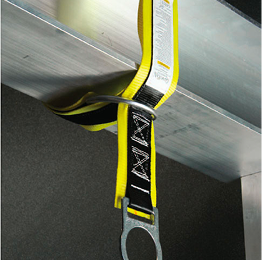
Safety Netting Systems
Heavy-duty personnel and debris nets installed beneath an active leading edge to catch falling workers or dropped tools before they strike the ground.
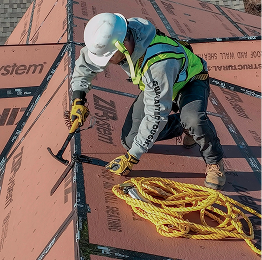
Warning Line Systems
High-visibility flagged lines set back from the edge to create a designated Controlled Access Zone (CAZ), warning workers they are approaching a hazard.
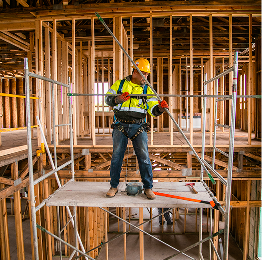
Hole Covers
Secured, color-coded, and weight-rated covers for skylights, floor penetrations, and elevator shafts to eliminate internal edge hazards.
HOW IT WORKS
The best time to secure an edge is before the crew begins working near it. We map out your site's vulnerabilities and deploy the appropriate gear in sequence with your build.
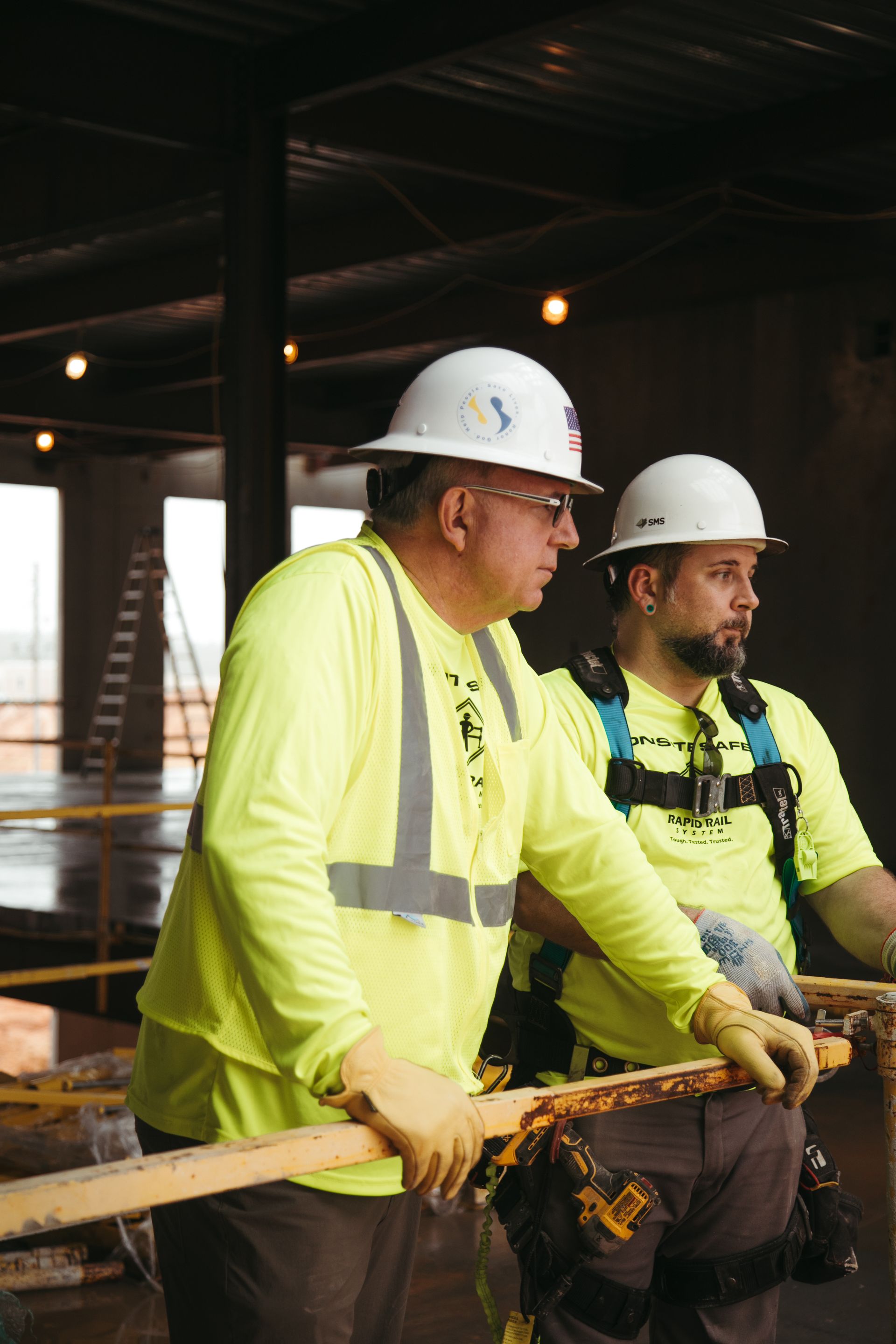
1. Site Assessment
We evaluate your roof or structure, map hazards, and determine the anchors needed.
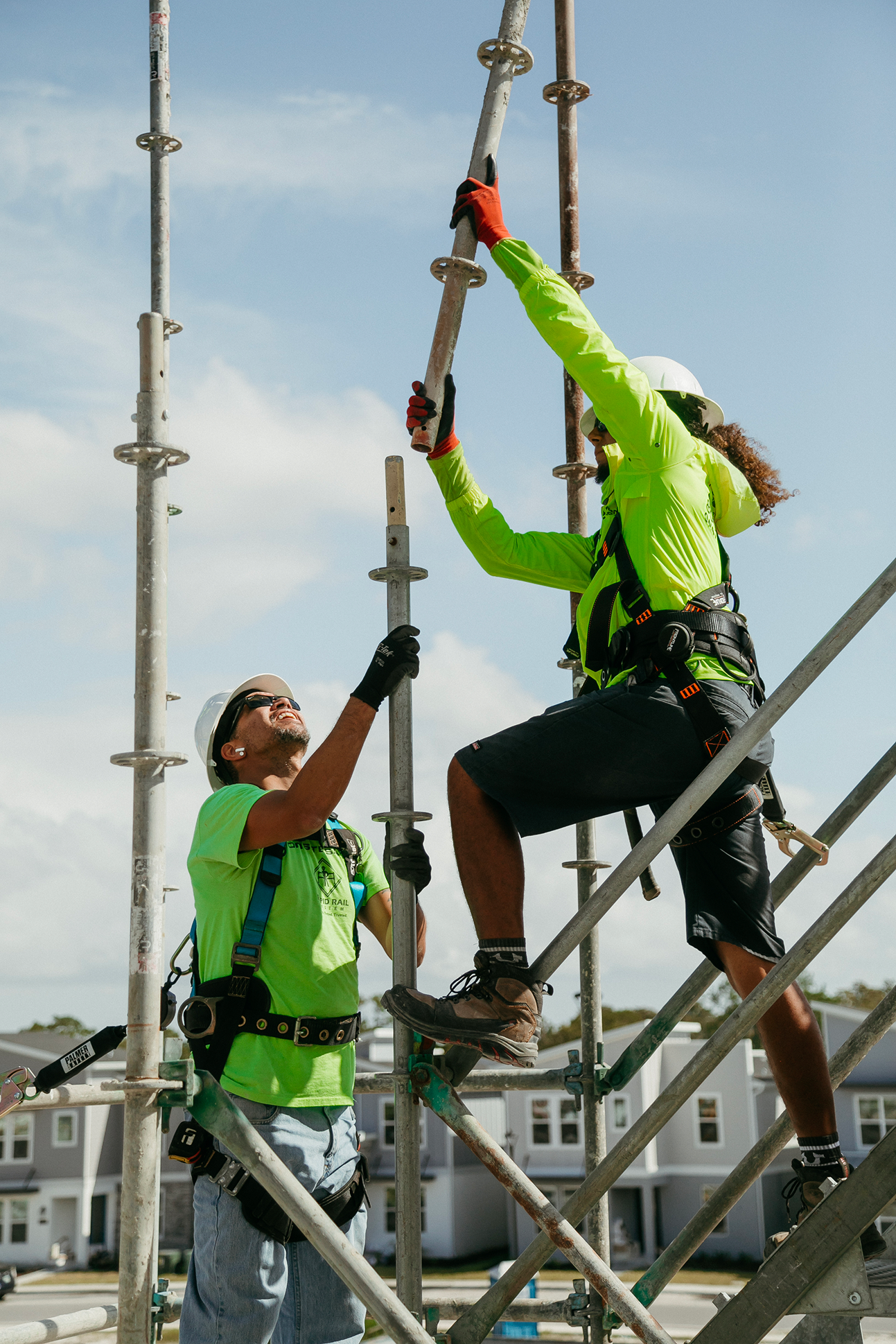
2. Engineering Review
Anchors are selected or custom-engineered
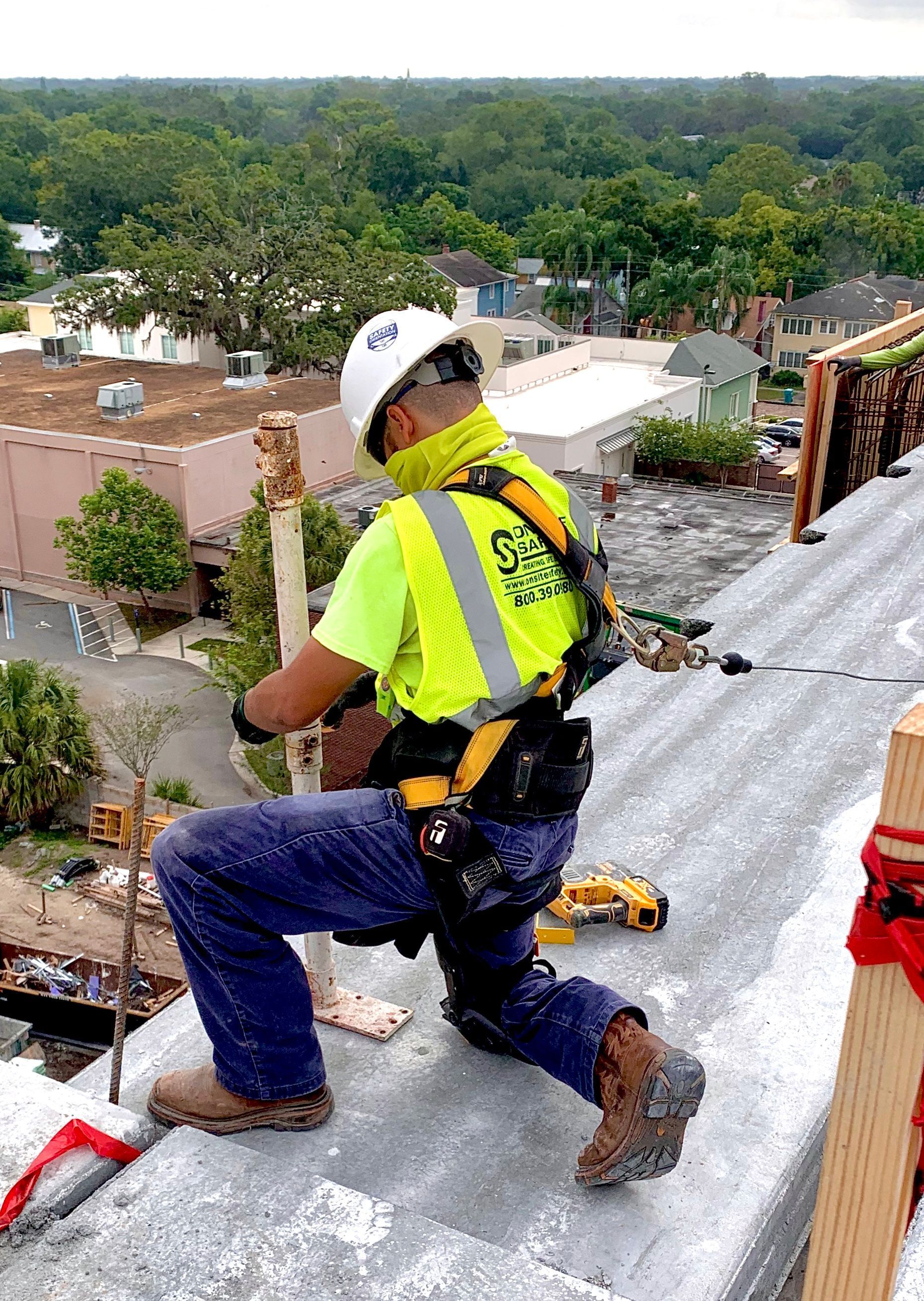
3. Professional Installation
Our certified technicians securely install your anchor system according to engineering specifications and safety standards.
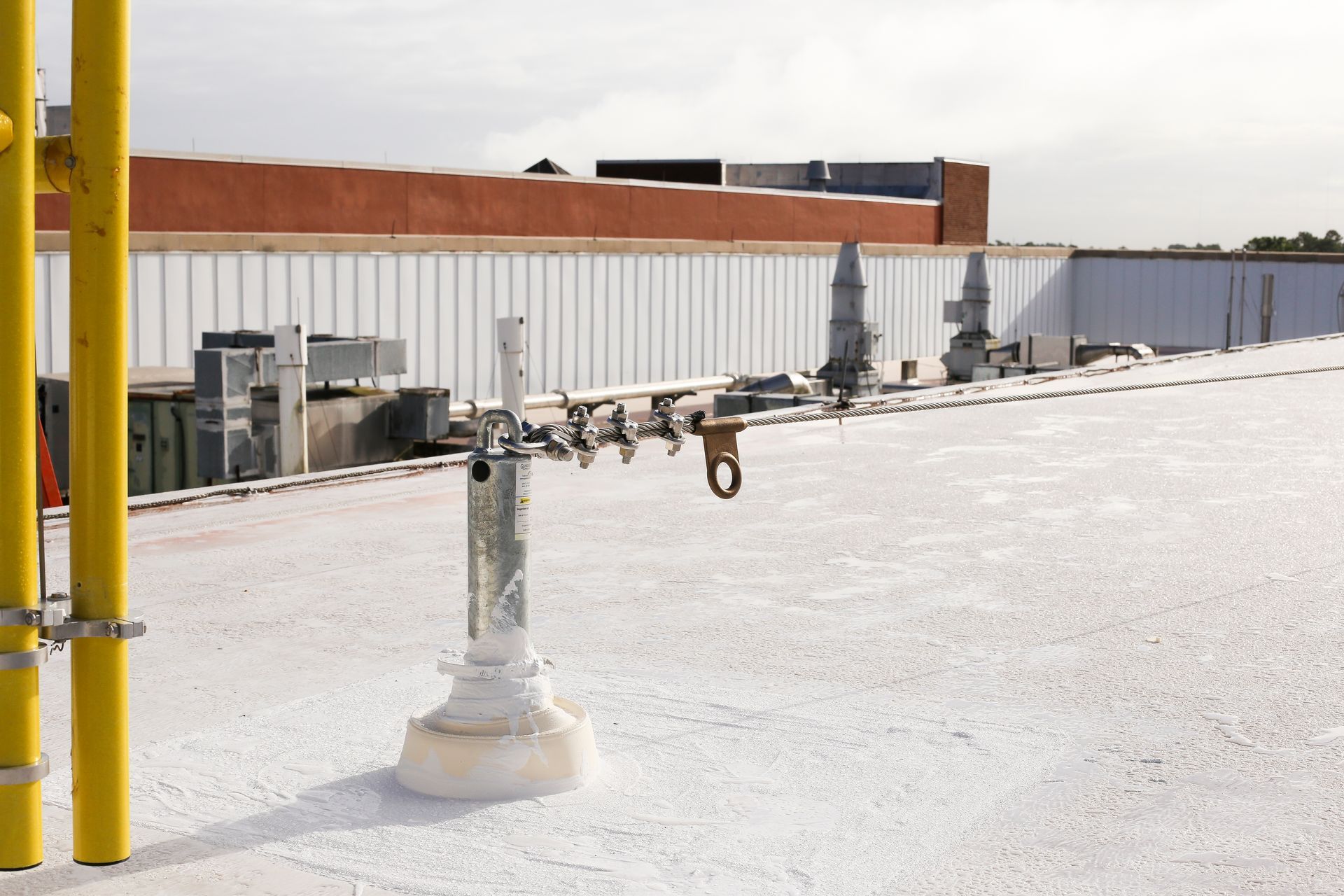
4. Load Testing and Certification
We perform rigorous pull-testing on installed anchors to verify capacity and issue formal certification for compliance.
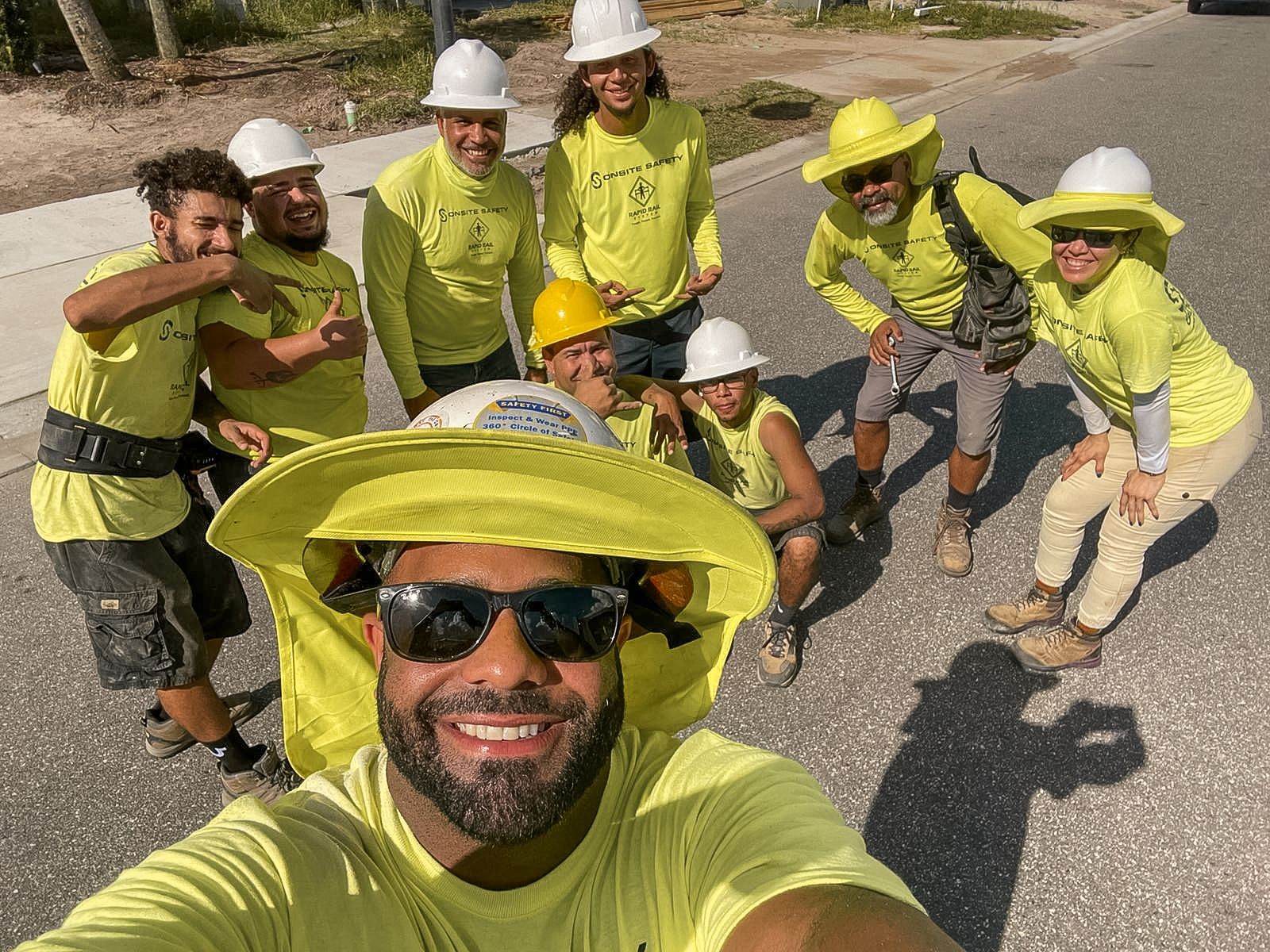
5. Training and Orientation
We provide hands-on instruction for your team on how to properly inspect, connect to, and use the installed anchorage system.
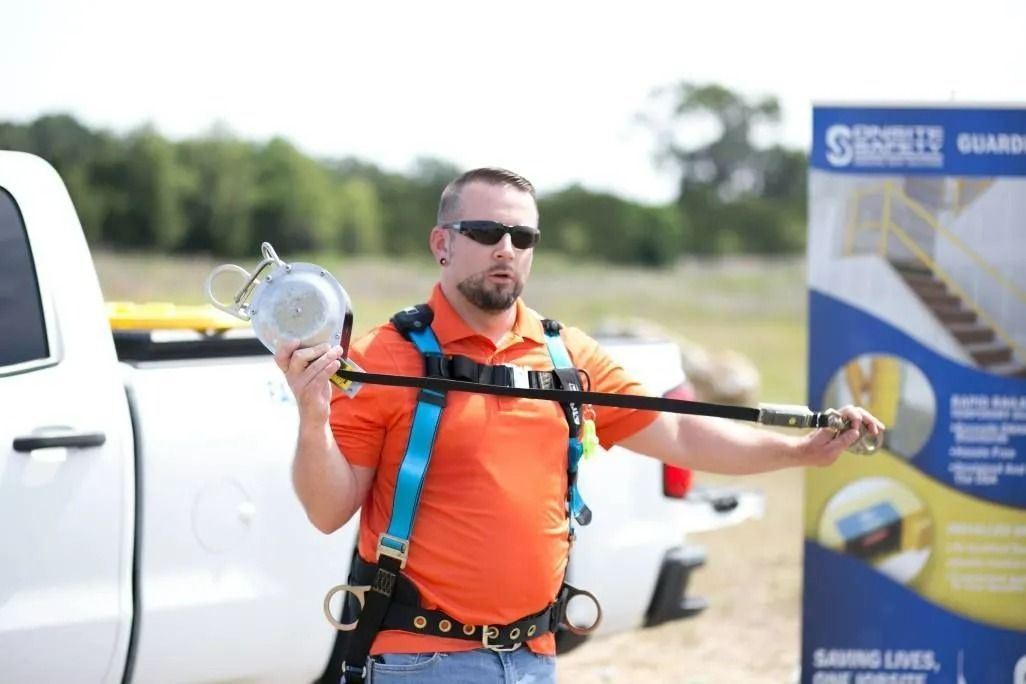
6. Documentation Package
You receive a comprehensive closeout binder containing system drawings, test results, warranties, and user manuals for future reference.
1. Site Assessment
We evaluate your roof or structure, map hazards, and determine the anchors needed.
2. Engineering Review
Anchors are selected or custom-engineered
3. Professional Installation
Our certified technicians securely install your anchor system according to engineering specifications and safety standards.
4. Load Testing and Certification
We perform rigorous pull-testing on installed anchors to verify capacity and issue formal certification for compliance.
5. Training and Orientation
We provide hands-on instruction for your team on how to properly inspect, connect to, and use the installed anchorage system.
6. Documentation Package
You receive a comprehensive closeout binder containing system drawings, test results, warranties, and user manuals for future reference.
FAQs
Answers to the most common questions from residential contractors, commercial builders, and jobsite safety teams.
When does OSHA require edge protection?
In the construction industry, OSHA 1926.501 requires that each employee on a walking/working surface with an unprotected side or edge which is 6 feet or more above a lower level must be protected from falling.
What is the difference between an unprotected edge and a leading edge?
An "unprotected edge" is a static drop-off without a wall or guardrail. A "leading edge" is the actively moving edge of a floor or roof that changes location as additional sections (like decking or concrete) are placed during construction.
Why do I need a special SRL for a leading edge?
If a worker falls over a sharp concrete or steel edge, standard web lanyards or standard wire cables can snap due to the extreme shearing force. Leading Edge (LE-rated) SRLs use thicker cable and place the shock absorber directly on the worker's back to minimize force on the line at the edge point.
How far back should a warning line be from the edge?
For general construction work, warning lines must be erected at least 15 feet from the unprotected edge. However, for specific roofing work, OSHA allows the warning line to be erected at least 6 feet from the roof edge.
View all FAQs →
OUTCOMES
Maintain compliance, prevent tragedies, and keep the job moving.
By implementing a combination of robust guardrails and specialized leading-edge equipment, you remove the hesitation that comes with working at heights. A properly protected edge allows your team to focus strictly on their craft, boosting productivity while drastically reducing liability.
Secure Your Perimeter Today
Request a commercial quote or talk with a safety specialist.

 FREE INSTANT ESTIMATE