

FALL ARREST & FALL PROTECTION
Comprehensive, OSHA-compliant fall safety solutions engineered to protect workers at heights across all active construction and industrial environments.
Complete coverage for high-risk, elevated workspaces.
Fall hazards remain the leading cause of fatalities in the construction industry.
Mitigating these risks requires more than just handing a worker a harness. Commercial operations demand a holistic approach—from passive barriers that prevent falls from happening, to active arrest systems that safely stop a worker mid-air in the event of an emergency.
Our engineered fall protection and arrest systems integrate flawlessly with complex jobsites, supporting tradespeople while ensuring your project easily passes stringent OSHA inspections.
Understanding Fall Protection vs. Fall Arrest
While often used interchangeably, these terms represent different layers of the safety hierarchy. Fall Protection is a broad term that includes passive systems (like guardrails or netting) and restraint systems designed to keep a worker from ever reaching an edge. Fall Arrest is an active system (harness, lanyard, anchor) designed specifically to safely stop a worker who has already begun to fall.
Effective commercial fall safety plans incorporate:
- Leading-edge and structural steel erection protocols
- Roofing and decking safety measures
- Scaffolding and elevated platform safeguards
- Rescue and descent planning
BUILT FOR COMMERCIAL PROJECTS
Engineered to protect every trade on site
We provide full-scale site planning to ensure ironworkers, roofers, and mechanical teams can maneuver safely without getting in each other's way or compromising structural integrity.
- Solutions for standard, low-clearance, and unique elevations
- Incorporates the "ABCs" (Anchorages, Body Wear, Connectors)
- Guarantees strict adherence to OSHA 1926 Subpart M
- Provides prompt site audits and equipment certification
- Develops actionable fall rescue procedures
THE ONSITE SAFETY DIFFERENCE
The Hierarchy of Fall Protection Solutions
We supply, install, and engineer multiple categories of hazard mitigation to match the exact phase and risk-level of your build.
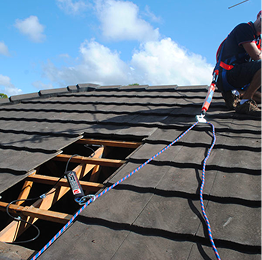
Personal Fall Arrest Systems (PFAS)
Active systems combining anchors, full-body harnesses, and energy-absorbing lanyards engineered to safely decelerate and halt a falling worker.
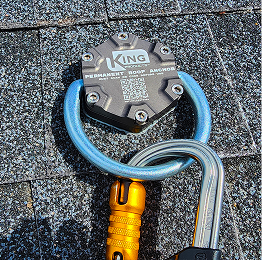
Fall Restraint Systems
Active systems using fixed-length lanyards that allow workers to approach an edge for work, but are physically too short to allow them to fall over it.
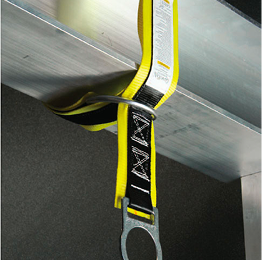
Passive Fall Protection
Physical barriers requiring no active user engagement, such as perimeter guardrails, hole covers, and safety netting systems.
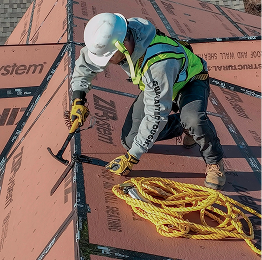
Engineered Lifelines & Rails
Horizontal and vertical systems offering continuous, multi-span tie-off points so crews can move fluidly without repeatedly disconnecting.
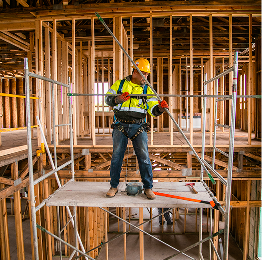
Rescue & Descent Systems
Crucial equipment deployed post-arrest to safely lower a suspended worker to the ground quickly, preventing suspension trauma.
HOW IT WORKS
Safety by design, not by chance. A pile of harnesses does not equal a fall protection plan. Our methodical approach guarantees that all equipment works together as a cohesive system.
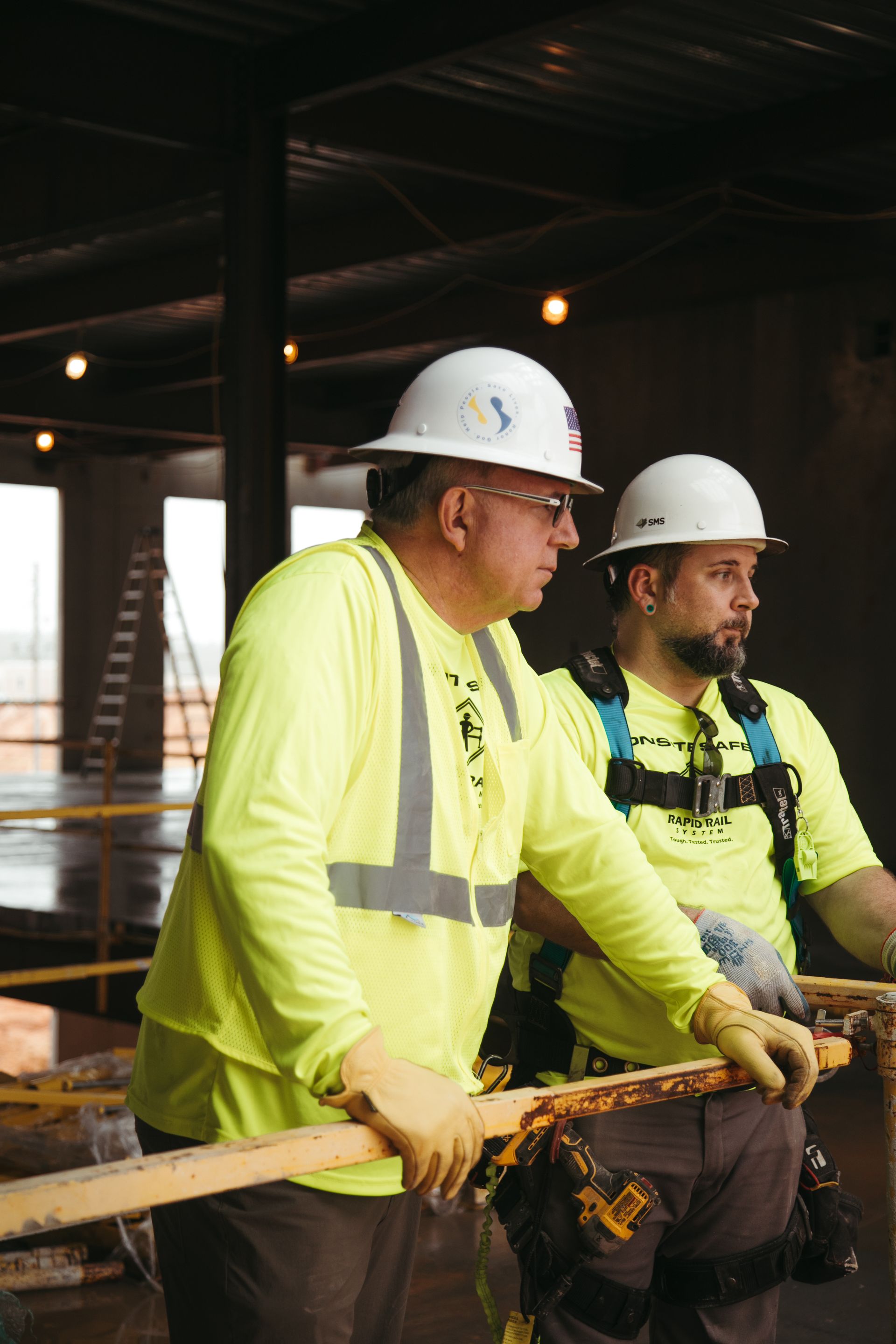
1. Site Assessment
We evaluate your roof or structure, map hazards, and determine the anchors needed.
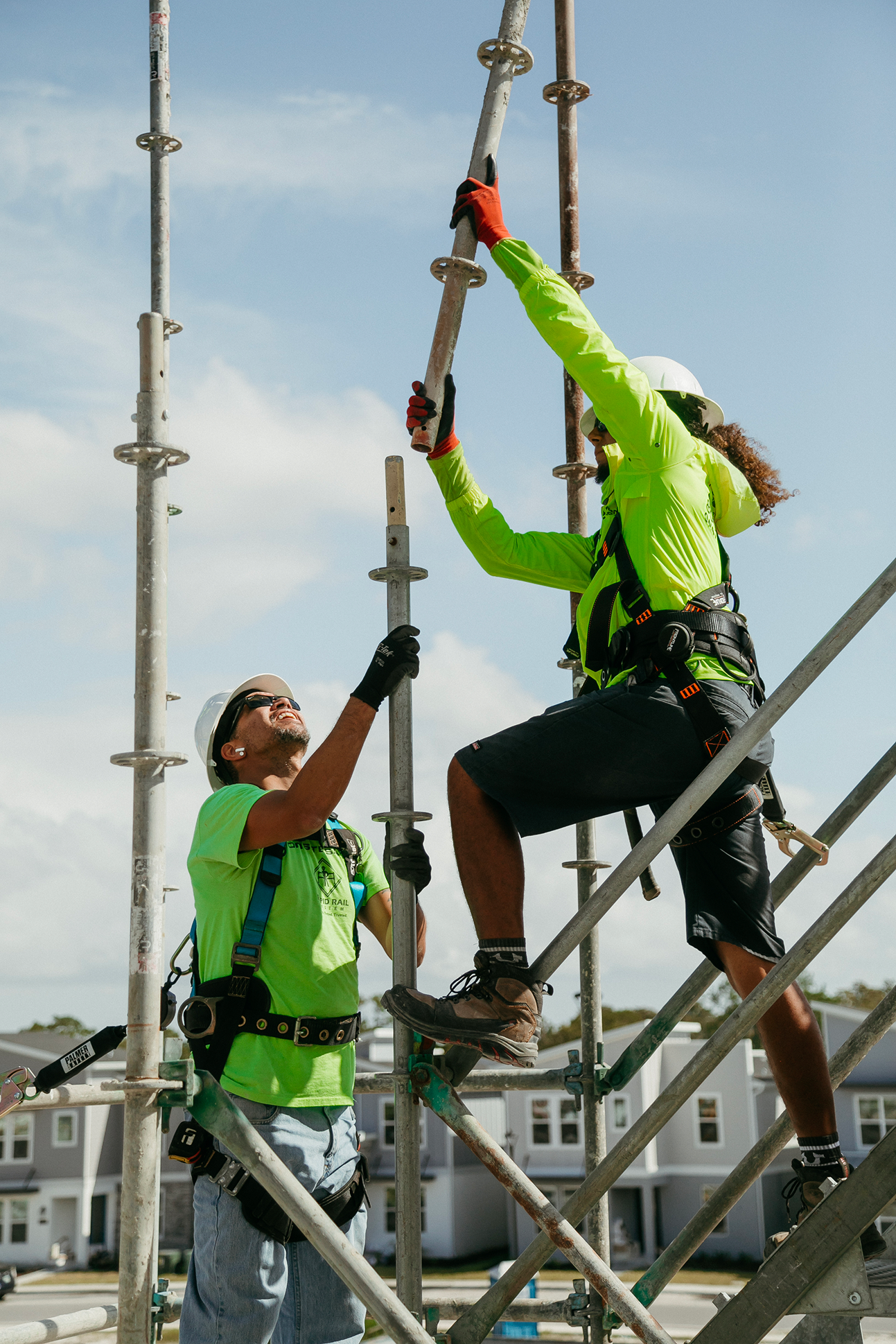
2. Engineering Review
Anchors are selected or custom-engineered
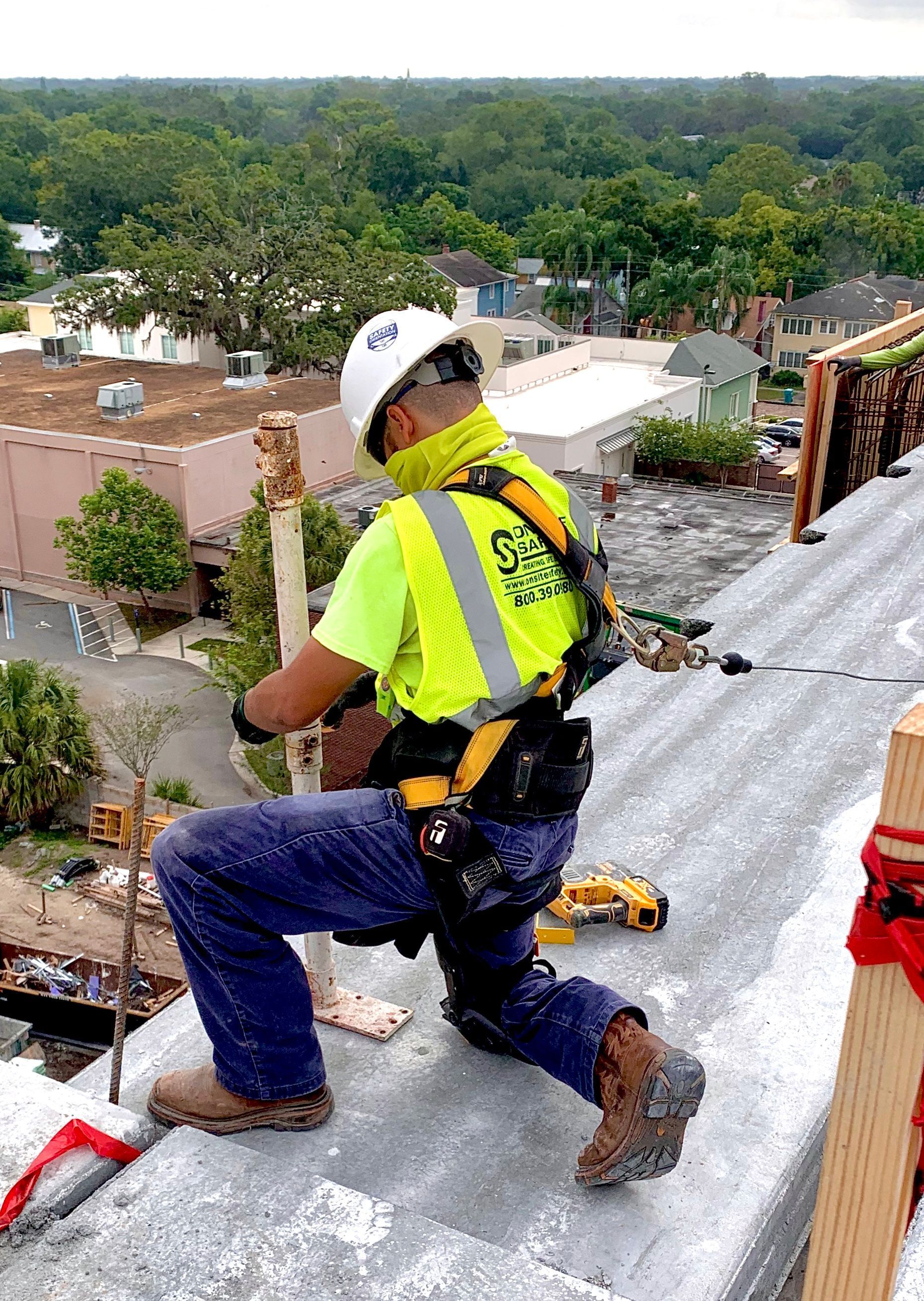
3. Professional Installation
Our certified technicians securely install your anchor system according to engineering specifications and safety standards.
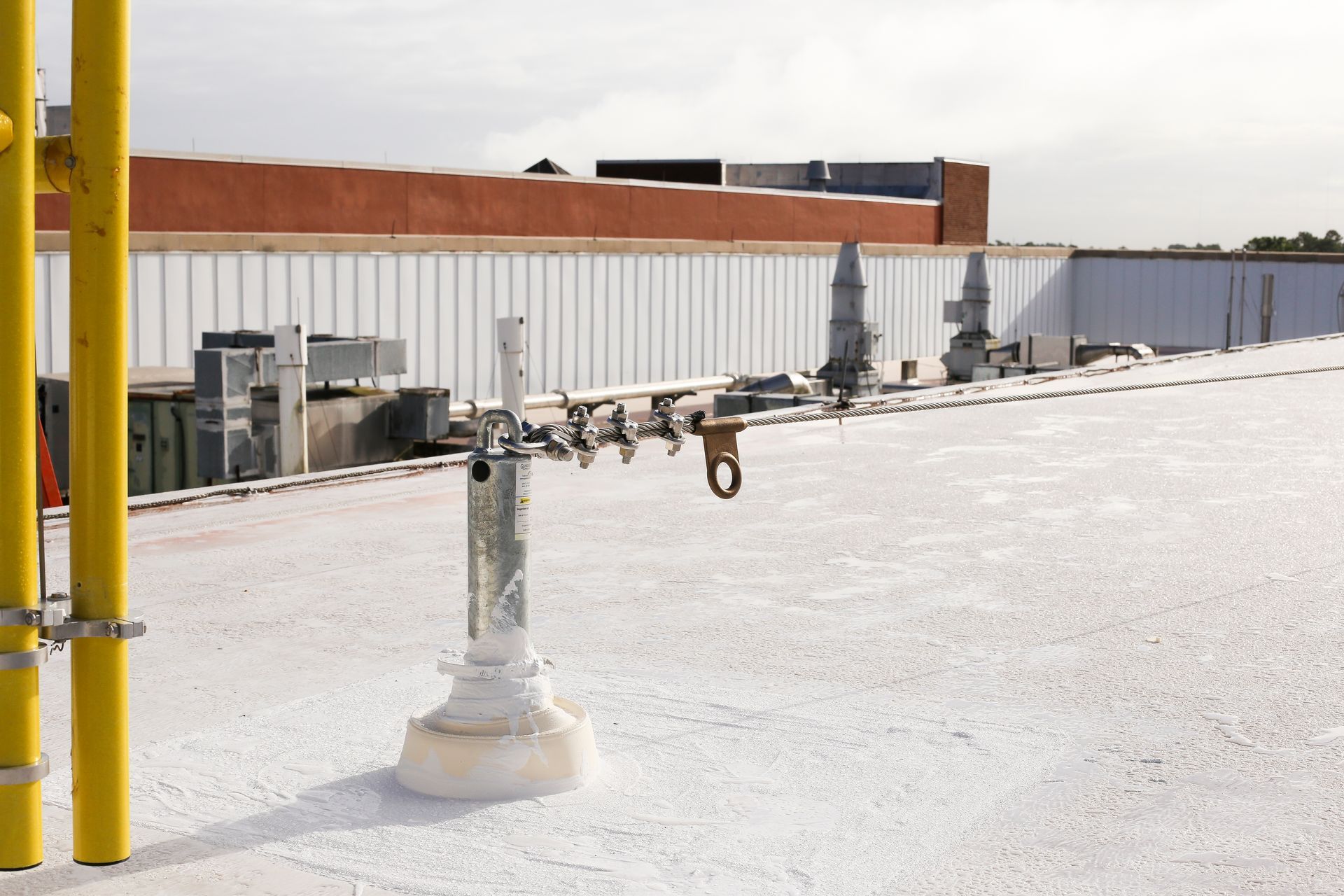
4. Load Testing and Certification
We perform rigorous pull-testing on installed anchors to verify capacity and issue formal certification for compliance.
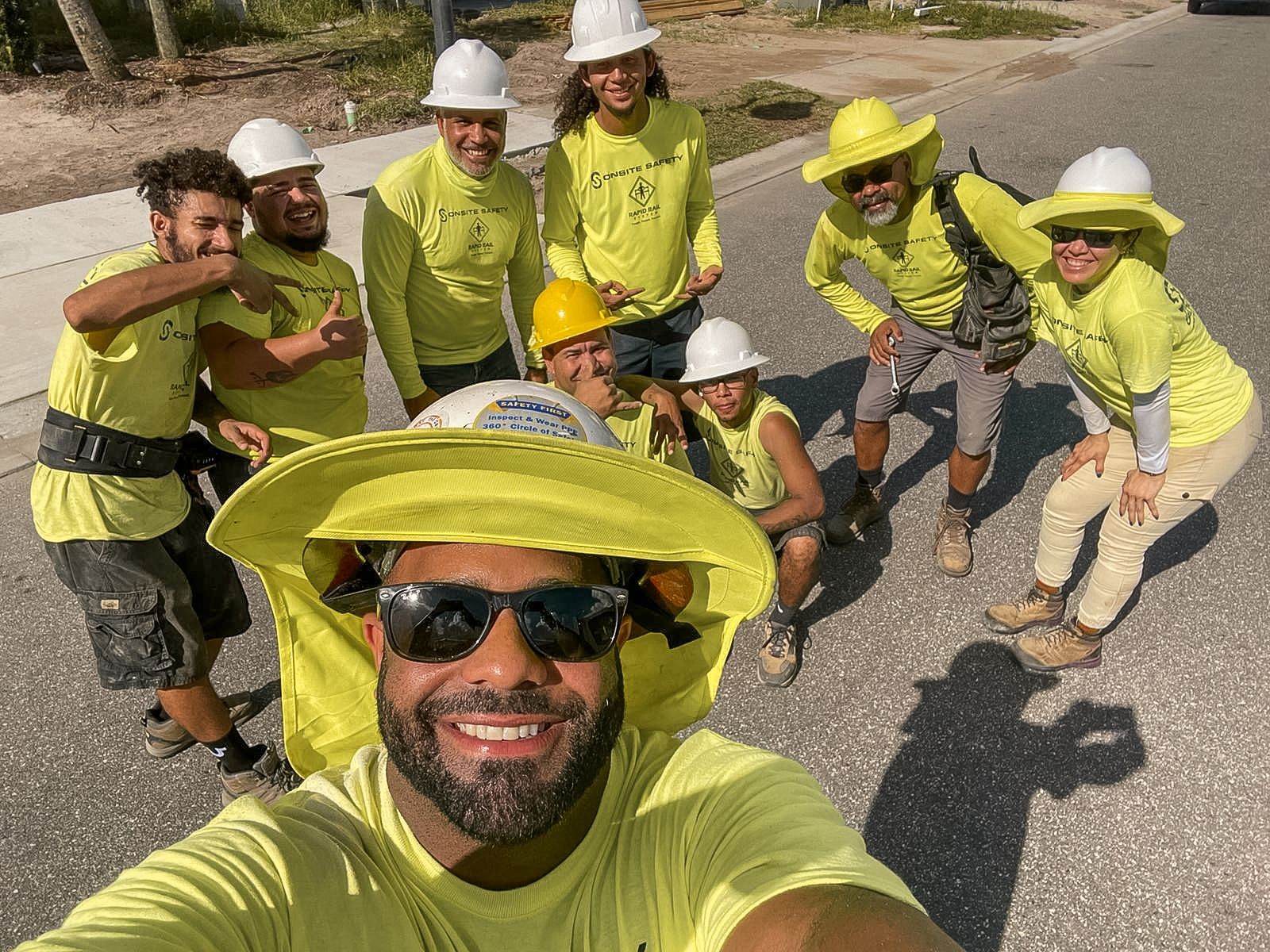
5. Training and Orientation
We provide hands-on instruction for your team on how to properly inspect, connect to, and use the installed anchorage system.
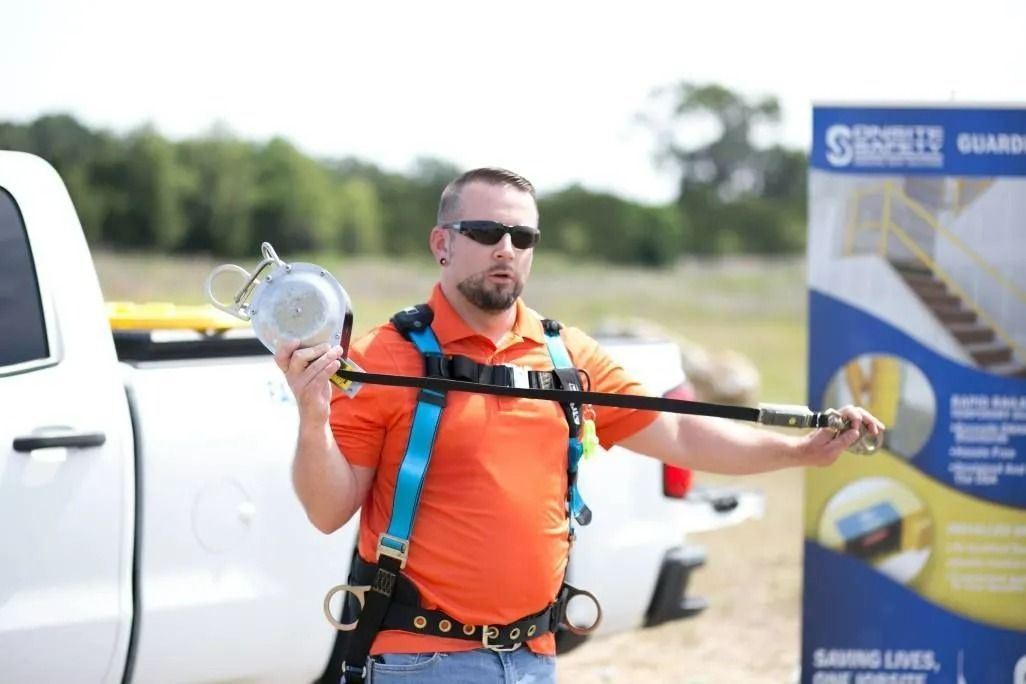
6. Documentation Package
You receive a comprehensive closeout binder containing system drawings, test results, warranties, and user manuals for future reference.
1. Site Assessment
We evaluate your roof or structure, map hazards, and determine the anchors needed.
2. Engineering Review
Anchors are selected or custom-engineered
3. Professional Installation
Our certified technicians securely install your anchor system according to engineering specifications and safety standards.
4. Load Testing and Certification
We perform rigorous pull-testing on installed anchors to verify capacity and issue formal certification for compliance.
5. Training and Orientation
We provide hands-on instruction for your team on how to properly inspect, connect to, and use the installed anchorage system.
6. Documentation Package
You receive a comprehensive closeout binder containing system drawings, test results, warranties, and user manuals for future reference.
FAQs
Answers to the most common questions from residential contractors, commercial builders, and jobsite safety teams.
At what height is fall protection required by OSHA?
In general industry, fall protection is required at elevations of 4 feet. However, in the construction industry, OSHA requires fall protection for anyone working at a height of 6 feet or greater above a lower level (OSHA 1926.501). Steel erection has specific exceptions that extend this to 15 or 30 feet depending on the work.
What are the "ABCs" of fall arrest?
The ABCs refer to the core components of a Personal Fall Arrest System (PFAS): Anchorage (the secure point of attachment), Body Wear (the full-body harness), and Connecting Device (the lanyard or self-retracting lifeline linking the harness to the anchor).
What is the maximum allowable free fall distance?
According to OSHA standards, a personal fall arrest system must be rigged such that an employee can neither free fall more than 6 feet nor contact any lower level during a fall.
What happens after a fall arrest system is deployed?
Any equipment (harness, lanyard, anchor) that has been subjected to the forces of arresting a fall must be immediately removed from service. It cannot be used again for employee protection until inspected and certified by a competent person.
View all FAQs →
OUTCOMES
Build a zero-incident safety culture from the ground up.
When you take the guesswork out of elevated safety, you protect your most valuable assets: your people. Proper fall protection limits liability, drastically reduces worksite delays caused by accidents or OSHA fines, and empowers your crew to work with absolute confidence.
Secure Your Site with Expert Fall Protection
Request a commercial quote or talk with a safety specialist.
 FREE INSTANT ESTIMATE