

TEMPORARY RAILS
Rapidly deployable, OSHA-compliant temporary guardrail systems providing passive fall protection for active construction environments.
Secure perimeters. Zero tie-off required.
A safer, faster standard for passive edge protection.
When managing an active jobsite, passive fall protection is the gold standard. Instead of requiring every worker to wear a harness and tie off, temporary guardrails secure the perimeter so everyone can move freely and efficiently.
Our commercial temporary rail systems are engineered to integrate with concrete slabs, parapet walls, and exposed stairs—keeping your site fully compliant while keeping your trades moving fast.
What Are Temporary Guardrails?
Temporary guardrails are freestanding, clamped, or bolted physical barriers erected near leading edges, floor holes, or stairs during the construction phase. Because they are considered "passive" fall protection, they eliminate the need for Personal Fall Arrest Systems (PFAS), making them incredibly efficient for multi-trade worksites.
Common applications for temporary rails include:
- Edge protection for elevated concrete slabs
- Securing elevator shafts and floor openings
- Flat roof and parapet perimeter safety
- Stairwell and excavation guarding
BUILT FOR COMMERCIAL PROJECTS
Heavy-duty edge protection for commercial builds
Temporary doesn't mean weak. Our guardrail systems are built to withstand the rigors of heavy commercial construction while remaining easy to dismantle and move as the project advances to the next phase.
- Withstands 200 lbs of outward/downward force
- Non-penetrating weighted bases available
- Clamp-on systems for fast attachment to concrete edges
- Integrated toe boards to prevent falling debris
- Meets all OSHA 1926.502(b) regulatory requirements
THE ONSITE SAFETY DIFFERENCE
Types of Temporary Rail Systems
We provide a versatile range of mounting solutions to match the structural realities of your current construction phase.
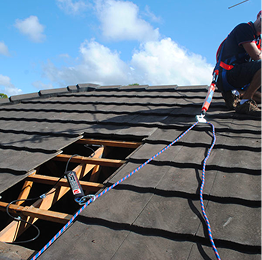
Clamp-On Guardrails
Perfect for concrete decks. A heavy-duty C-clamp base locks onto the structural edge, securely holding standard 2x4s or steel rails without drilling.
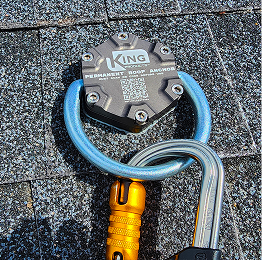
Freestanding Weighted Rails
Non-penetrating systems ideal for finished flat roofs or membrane surfaces where drilling is strictly prohibited to maintain warranties.
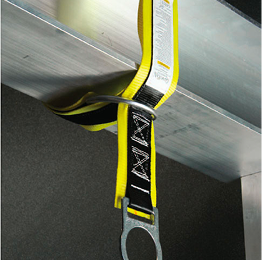
Bolt-Down Base Plates
Used on wood decking or concrete surfaces where a highly secure, flush mount is needed. Incredibly durable and quick to install.
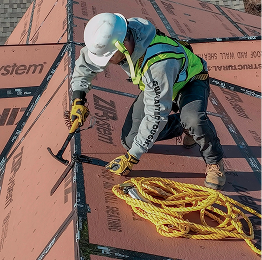
Stairway Guardrails
Specialized brackets designed to mount at the correct angle on unfinished staircases, providing immediate safety for heavy foot traffic.
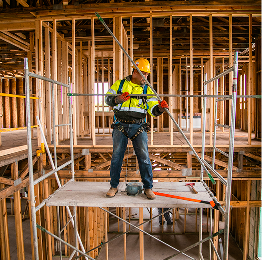
Parapet Wall Rails
Adjustable stanchions that sit over existing short parapets, extending the barrier up to the OSHA-required 42-inch height.
HOW IT WORKS
We provide end-to-end edge protection solutions, ensuring your rails are placed exactly where they are needed before the hazard ever opens up.
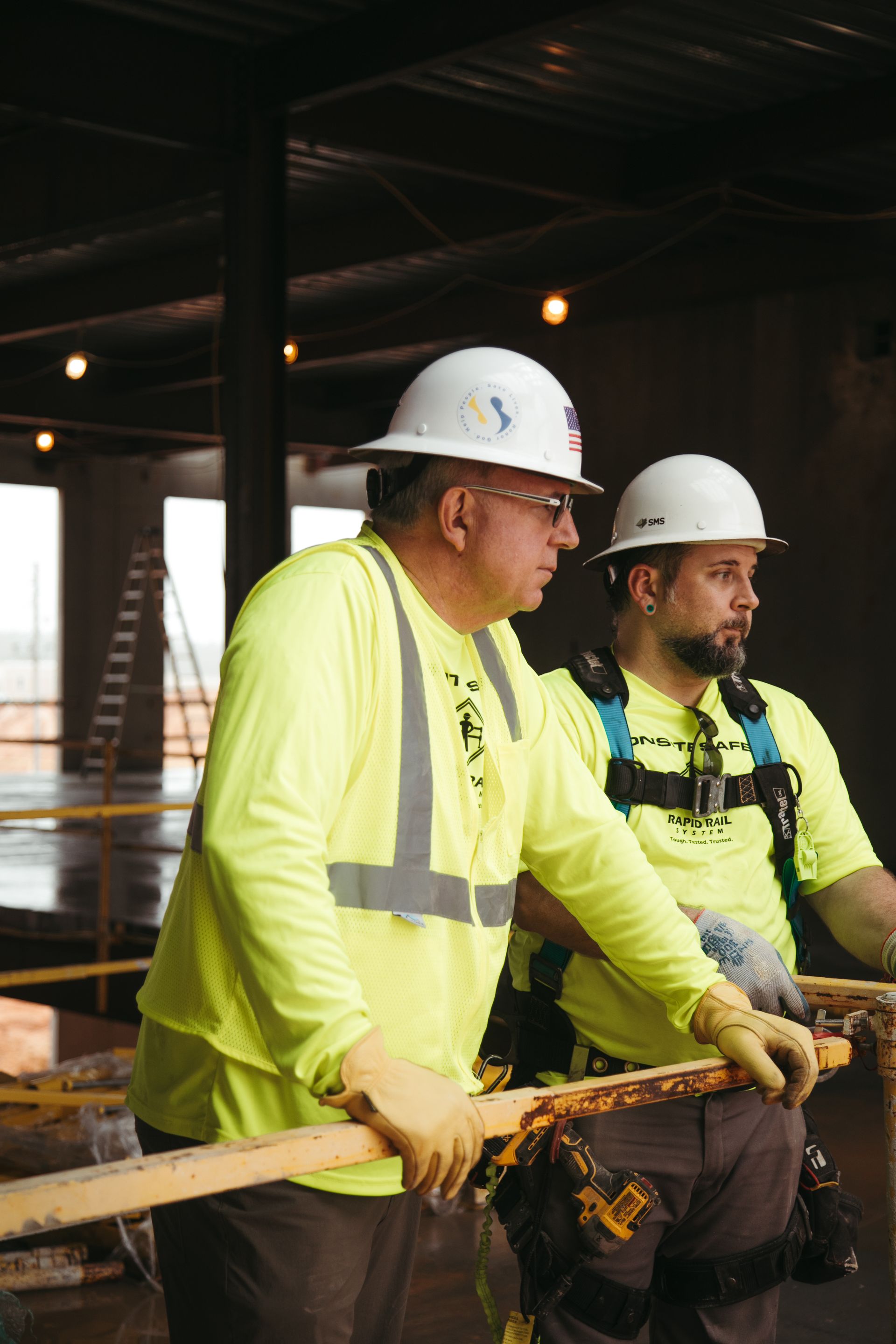
1. Site Assessment
We evaluate your roof or structure, map hazards, and determine the anchors needed.
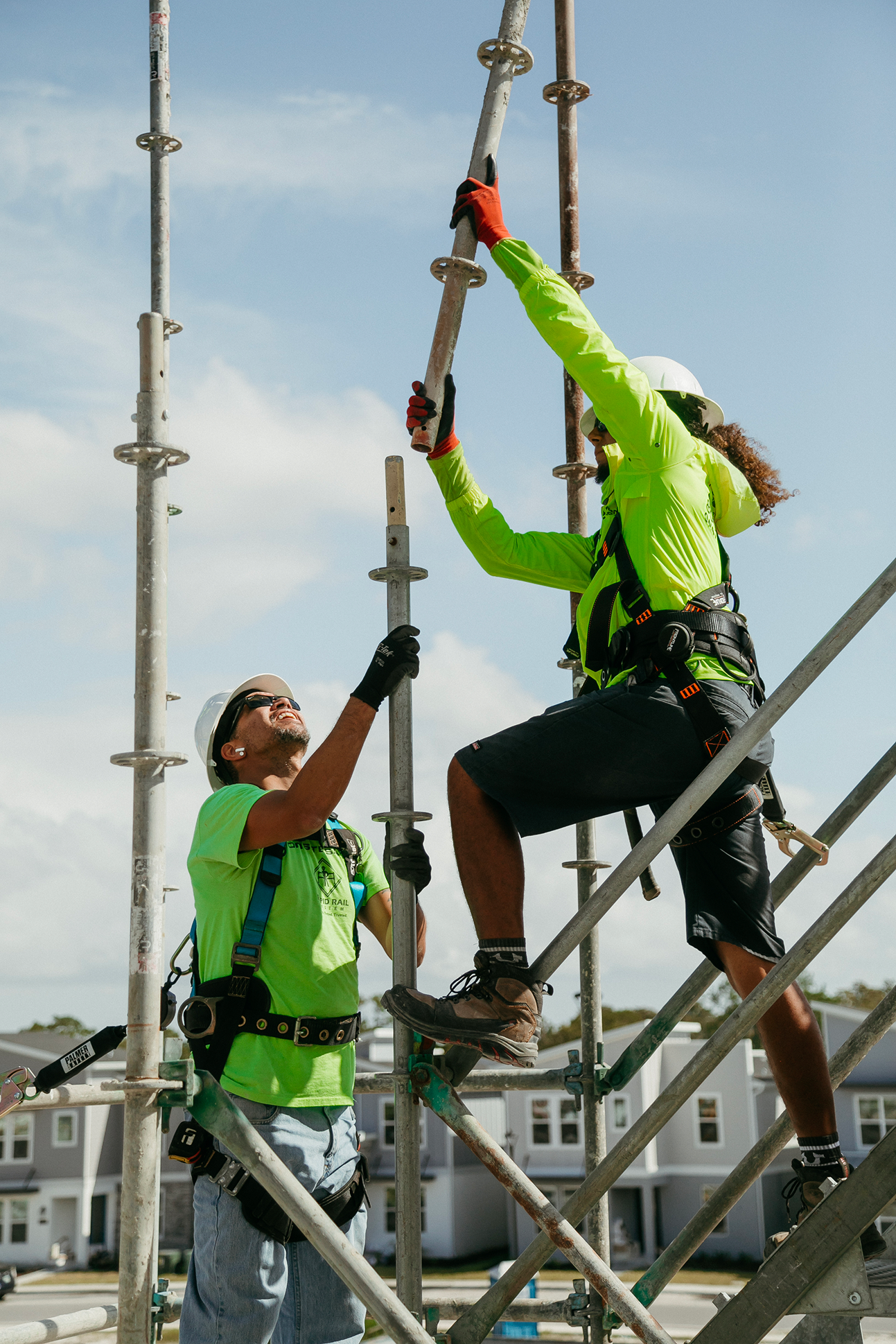
2. Engineering Review
Anchors are selected or custom-engineered
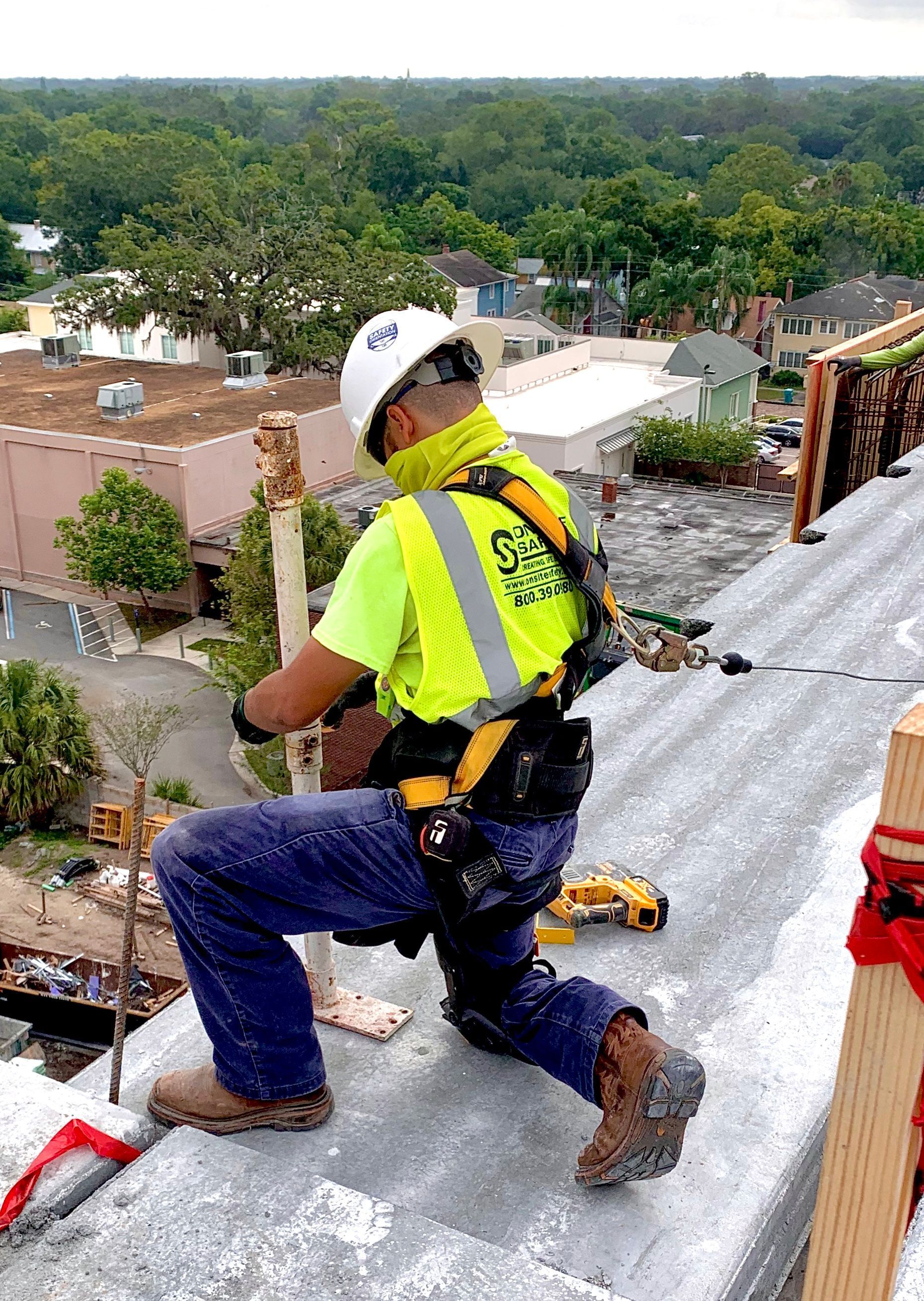
3. Professional Installation
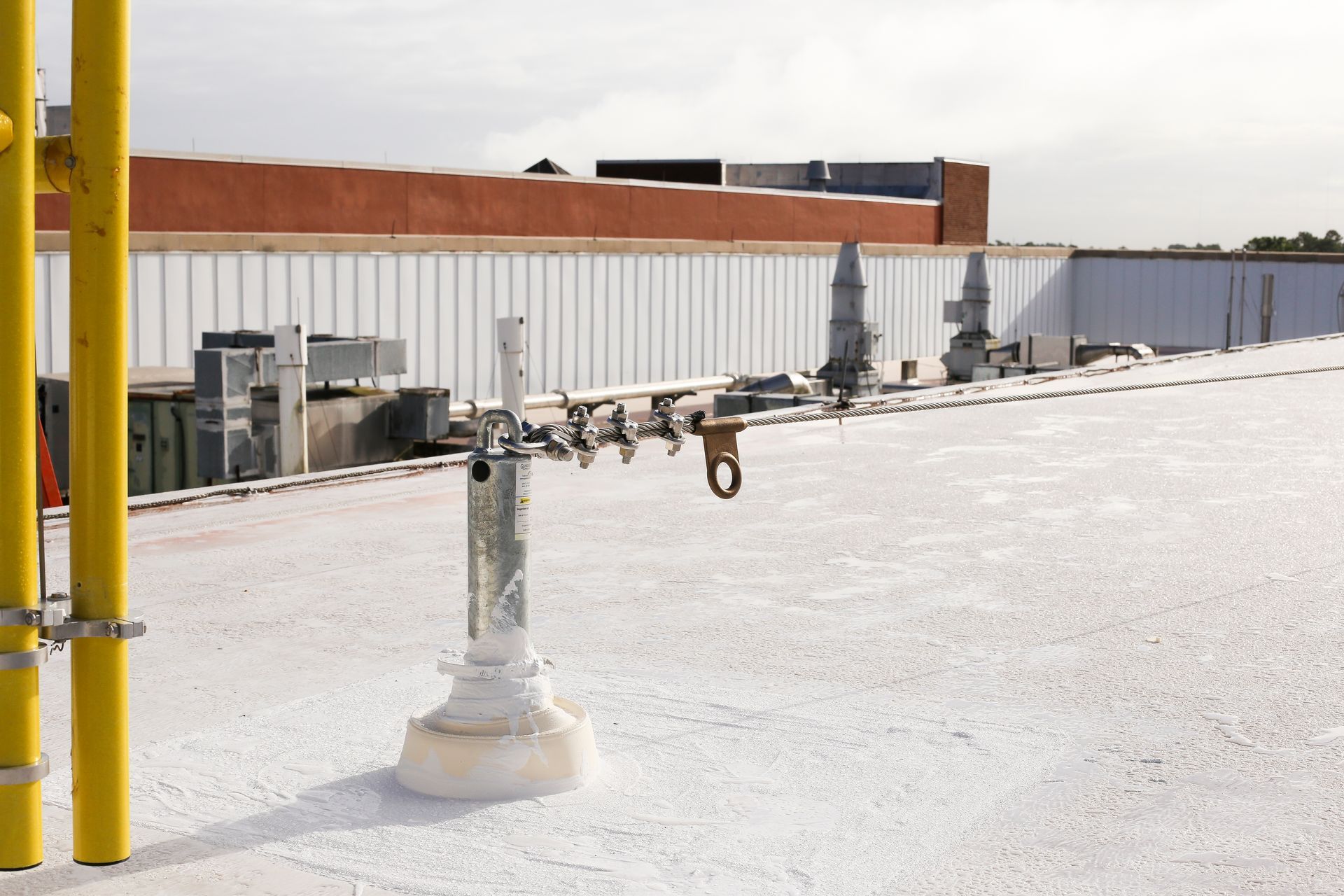
Our certified technicians securely install your anchor system according to engineering specifications and safety standards.
4. Load Testing and Certification
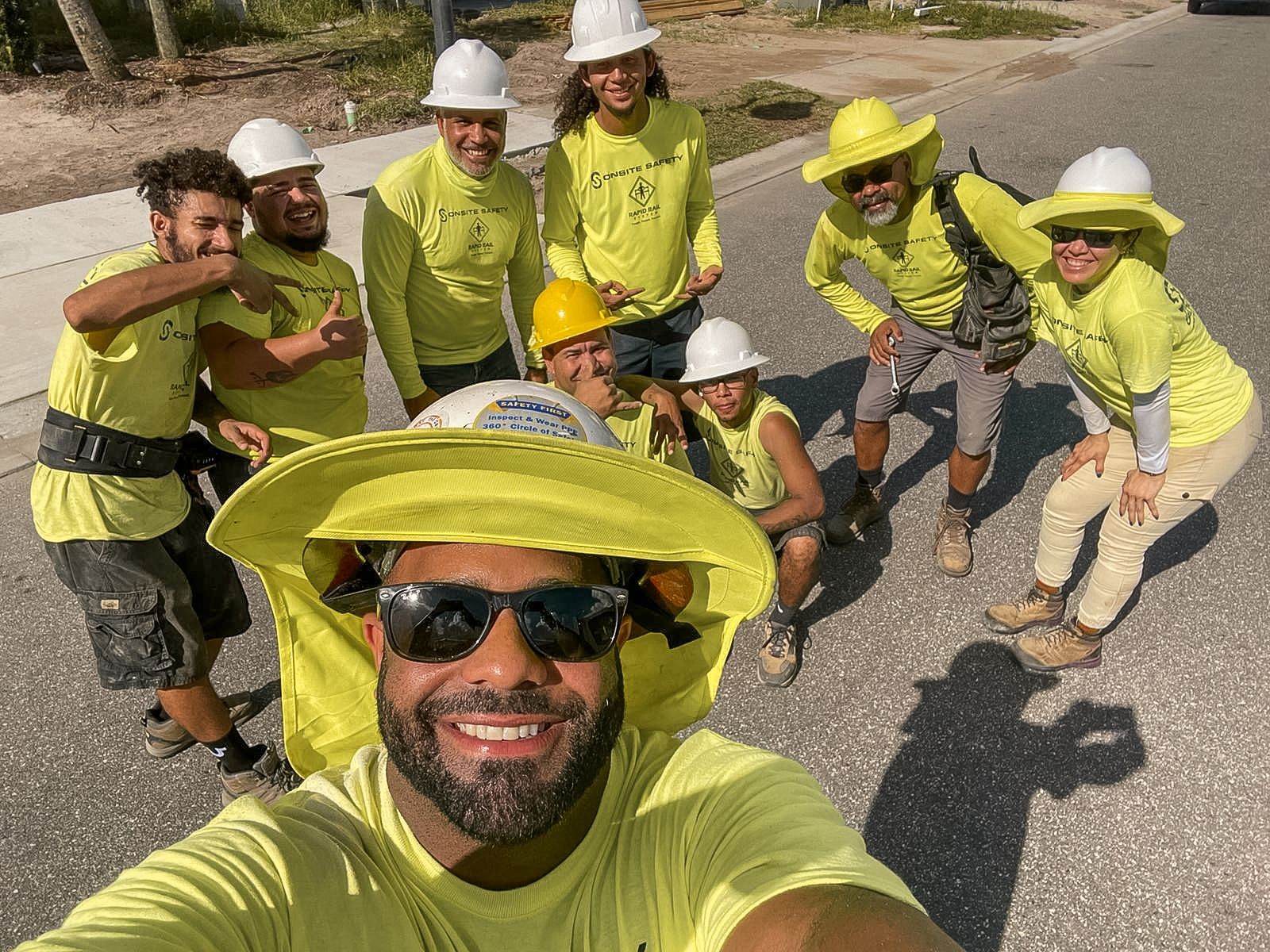
We perform rigorous pull-testing on installed anchors to verify capacity and issue formal certification for compliance.
5. Training and Orientation
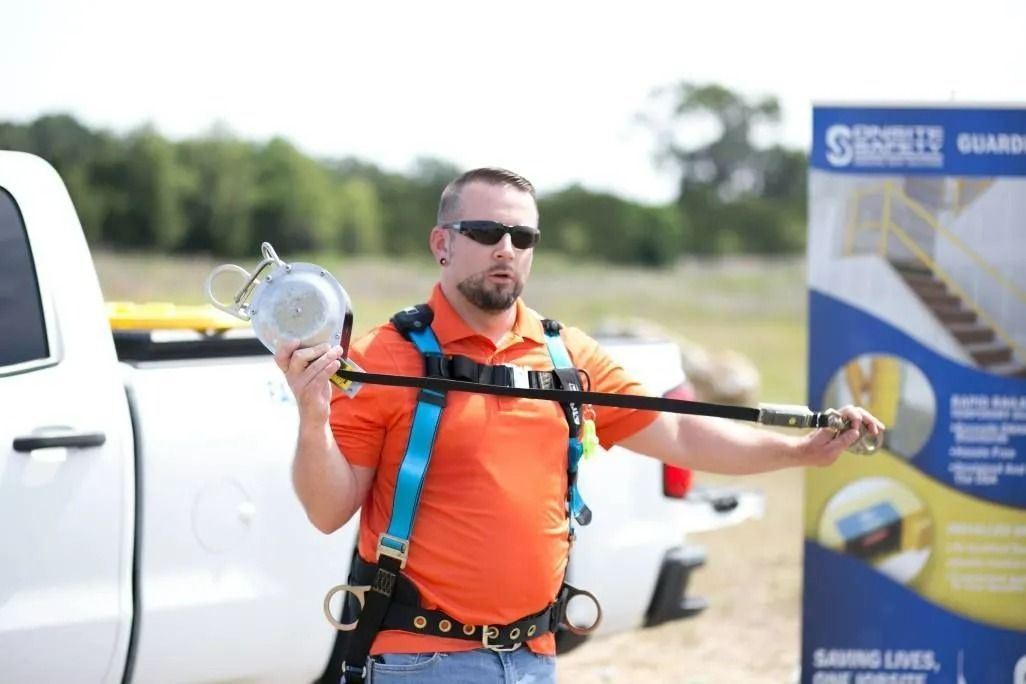
We provide hands-on instruction for your team on how to properly inspect, connect to, and use the installed anchorage system.
6. Documentation Package
You receive a comprehensive closeout binder containing system drawings, test results, warranties, and user manuals for future reference.
1. Site Assessment
We evaluate your roof or structure, map hazards, and determine the anchors needed.
2. Engineering Review
Anchors are selected or custom-engineered
3. Professional Installation
Our certified technicians securely install your anchor system according to engineering specifications and safety standards.
4. Load Testing and Certification
We perform rigorous pull-testing on installed anchors to verify capacity and issue formal certification for compliance.
5. Training and Orientation
We provide hands-on instruction for your team on how to properly inspect, connect to, and use the installed anchorage system.
6. Documentation Package
You receive a comprehensive closeout binder containing system drawings, test results, warranties, and user manuals for future reference.
FAQs
Answers to the most common questions from residential contractors, commercial builders, and jobsite safety teams.
What are the OSHA height requirements for temporary guardrails?
Under OSHA 1926.502, the top edge height of top rails must be 42 inches (plus or minus 3 inches) above the walking/working level. Midrails must be installed at a height midway between the top edge and the floor (usually around 21 inches).
How much force must a temporary guardrail withstand?
The top rail must be capable of withstanding, without failure, a force of at least 200 pounds applied within 2 inches of the top edge, in any outward or downward direction. Midrails must withstand at least 150 pounds of force.
When are toe boards required on guardrails?
Toe boards are required when there is a risk of tools, materials, or debris falling to a lower level where personnel could be working or passing through. They must be a minimum of 3.5 inches high and securely fastened.
Are wood 2x4s acceptable for temporary rails?
Yes, provided the lumber is of good quality (free of large knots or defects) and the system is constructed to meet the 200-pound load requirement. Many of our commercial clamp systems securely utilize 2x4s for cost-effective mid and top rails.
View all FAQs →
OUTCOMES
Improve safety, reduce downtime, and support every trade on the job.
Engineered anchor systems increase site predictability, make inspections easier, reduce risk exposure, and give GCs and owners confidence that crews are protected at every stage of construction and maintenance.
Need Anchor Support on Your Next Project?
Request a commercial quote or talk with a safety specialist.

 FREE INSTANT ESTIMATE