

Harnesses & PPE
Certified fall arrest harnesses and personal protective equipment, properly selected, fitted and supported for crews working at height.
Protection that fits the person and the job.
Gear You Can Trust at Height
A harness is only one part of a fall protection system. It must be the right type, sized correctly, worn properly and connected to a compatible anchor point to protect a worker.
Onsite Safety supplies professional-grade harnesses and PPE from certified sources, and helps your crews choose, fit and inspect it for the work they do.
Harnesses & PPE made for your type of work
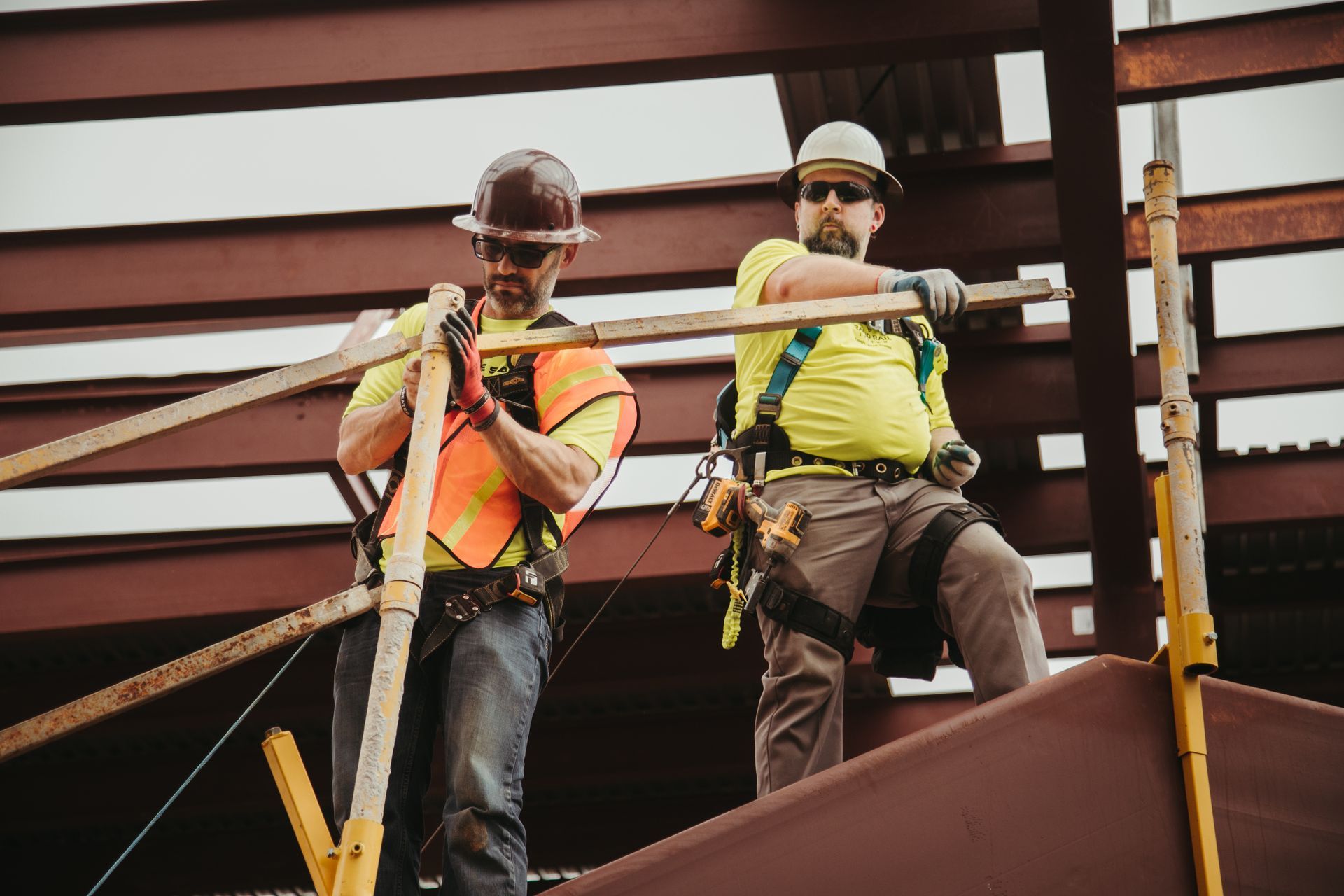
COMMERCIAL ANCHOR POINTS
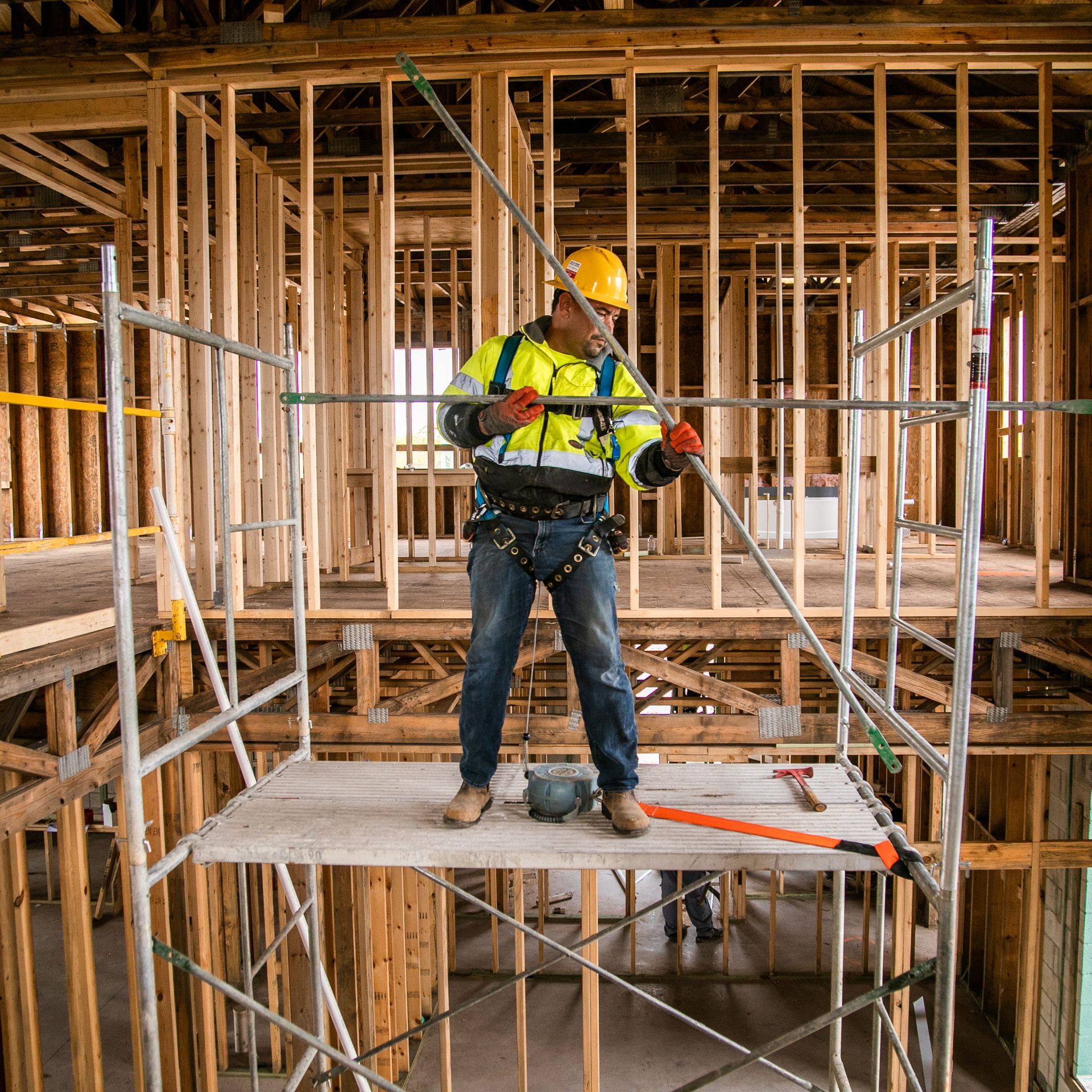
RESIDENTIAL ANCHOR POINTS
Different projects require different applications. Explore how fall protection systems are applied in residential and commercial environments.
Harnesses & PPE made for your type of work
COMMERCIAL EQUIPMENT
RESIDENTIAL EQUIPMENT
Different projects call for different equipment. Explore how gear is selected for commercial and residential crews.
What is a personal fall arrest system?
A personal fall arrest system (PFAS) stops a worker safely after a fall has started. OSHA describes it as made up of an anchorage, connectors and a full body harness, and it may include a lanyard, deceleration device or lifeline.
A complete system typically includes:
- Full body harness
- Shock-absorbing lanyard or self-retracting lifeline
- Connectors (carabiners and snap hooks)
- Compatible anchor point
Equipment for Commercial & Industrial Crews
Reliable gear for complex, multi-trade jobsites.
Commercial work often means steel, concrete, decks, roof edges and equipment access. Harnesses and connectors are selected for the hazards, work duration and system they will be used with.
Common applications:
- Steel erection and structural work
- Commercial roofing and decking
- Facility maintenance and rooftop equipment access
- Scaffold, lift and ladder work
Key benefits:
- ANSI/ASSP Z359-certified harnesses and connectors
- Sizing and fit guidance for your crew
- Gear matched to your anchor points and lifelines
- Documentation support for inspections
Equipment for Residential Homes & Roofing
Simple, dependable protection for roofing and home-building crews.
Roofing and framing crews work on slopes and open edges every day. The right harness, lanyard and roof-ready PPE keep crews tied off and comfortable across a full shift.
Common applications:
- Re-roofs and new roof installs
- Framing and sheathing
- Storm damage repair
- Siding, gutter and solar work
Key benefits:
- Lightweight, adjustable harnesses for all-day wear
- Roof-rated ropes, grabs and lanyards
- Kits sized for small and large crews
- Compatible with temporary and permanent anchors
THE ONSITE SAFETY DIFFERENCE
Harnesses & PPE We Supply
A full range of equipment to match your environment and safety needs.
Full Body Harnesses
Distribute fall forces across the body. Dorsal D-ring, with optional side or front rings for specific tasks.
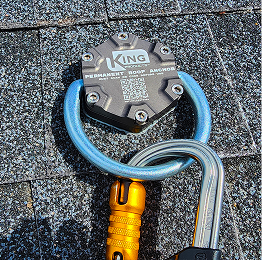
Lanyards & SRLs
Shock-absorbing lanyards and self-retracting lifelines to connect the harness to the anchor.
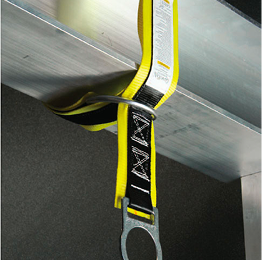
Connectors
Locking carabiners and snap hooks that work with your harness and anchorage.
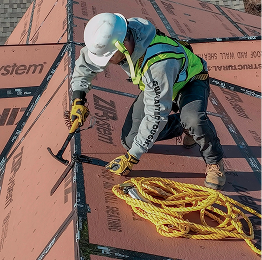
Head & Eye Protection
Hard hats with chin straps, safety glasses and goggles built to ANSI/ISEA standards.
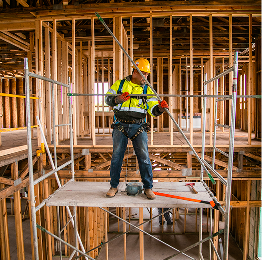
Hi-Vis & Hand Protection
High-visibility apparel and work gloves suited to the task and jobsite conditions.
HOW IT WORKS
Correct gear starts with the right process.
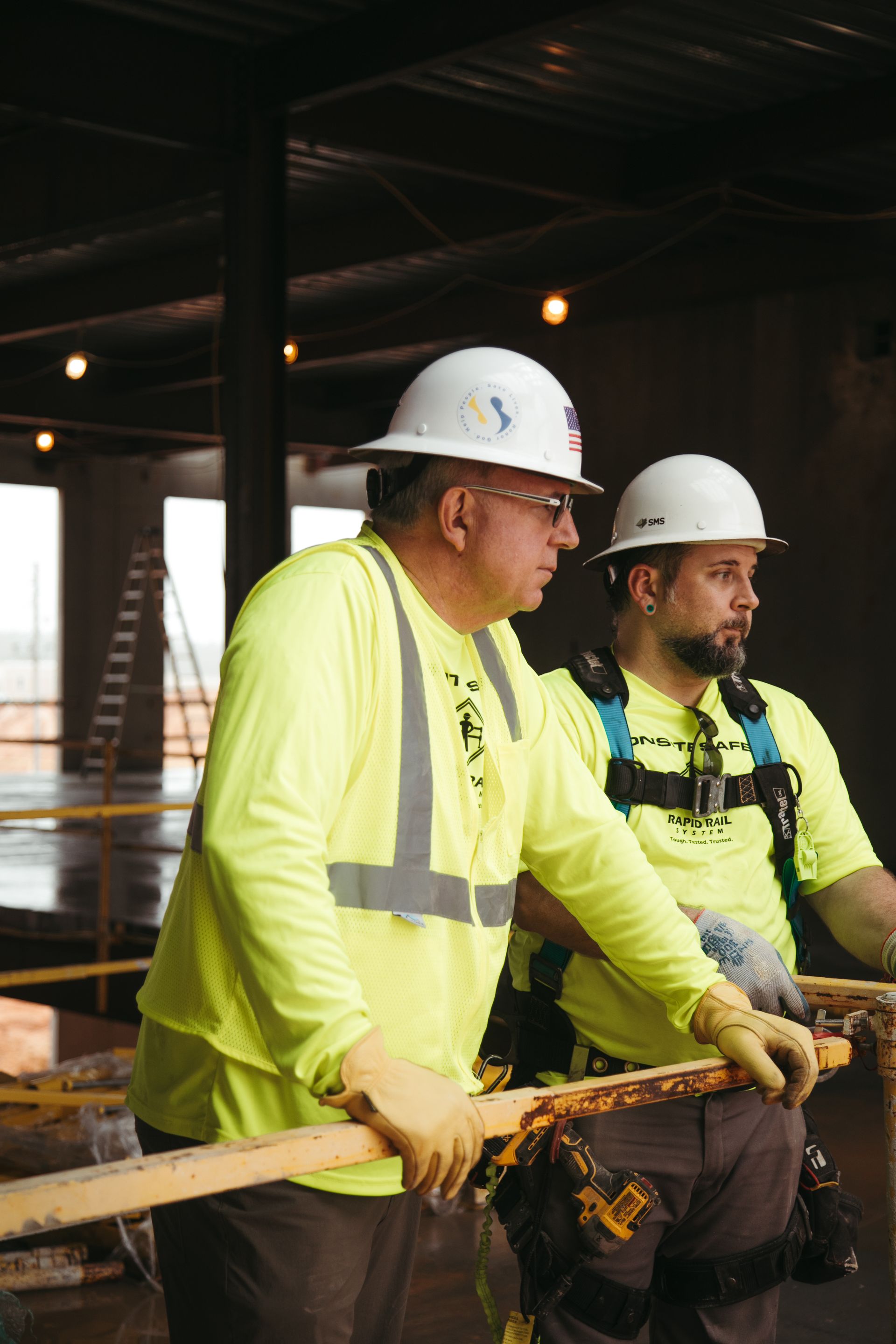
1. Site Assessment
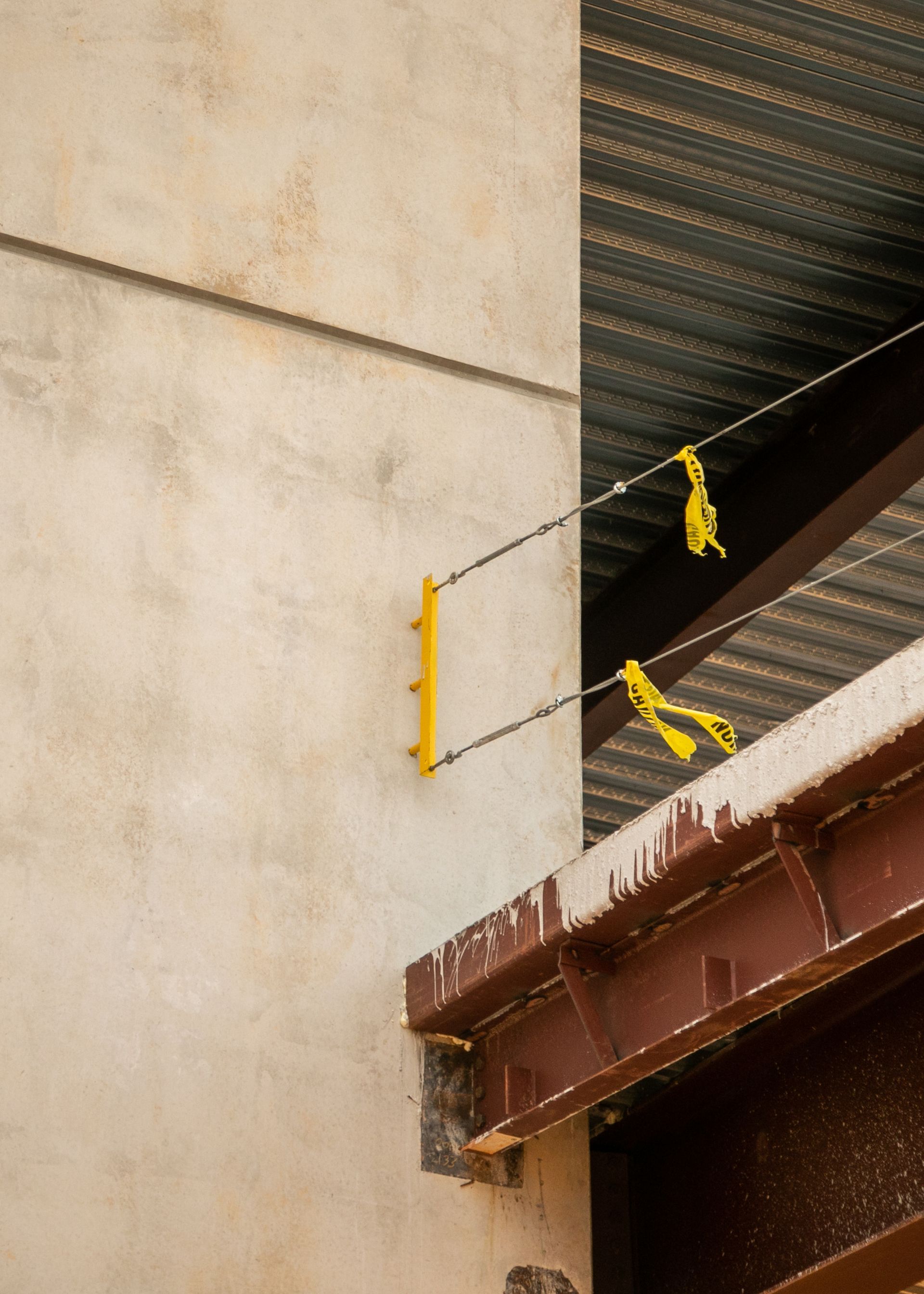
We evaluate your roof or structure, map hazards, and determine the anchors needed.
2. Engineering Review
Text should extend…
FAQs
Answers to common questions from contractors and jobsite safety teams.
Does a harness need to be inspected?
Yes. Harnesses and connectors should be inspected before each use for cuts, fraying, damaged stitching, corrosion or worn hardware, and periodically by a competent person per the manufacturer's instructions. Damaged gear is removed from service.
What should I do with a harness after a fall?
Any equipment that has arrested a fall should be removed from service immediately and not used again until a competent person, or the manufacturer, confirms it is safe. In many cases it must be retired.
Are harnesses and PPE OSHA compliant?
We supply equipment made to recognized standards, including ANSI/ASSP Z359 for fall protection, ANSI/ISEA Z89.1 for hard hats and ANSI/ISEA Z87.1 for eye protection. Compliance also depends on correct use, training and a properly rated anchorage.
Do you help with sizing and training?
Yes. We can help fit equipment to your crew and provide training on proper use and inspection. OSHA requires employers to train workers who may be exposed to fall hazards.
View all FAQs →
OUTCOMES
Safer crews. Fewer delays. One standard.
The right equipment, worn correctly and inspected regularly, helps crews stay protected and keeps work on schedule.
Need Gear for Your Next Project?
Talk with a safety specialist to determine the right harnesses and PPE for your crew.
 FREE INSTANT ESTIMATE