

Ladder & Scaffold Safety
Practical training and support that help crews climb, erect and work on ladders and scaffolds safely.
Safe access starts with safe setup.
Ladders and scaffolds are part of nearly every construction job, and falls from them are a leading cause of injury. OSHA requires training for workers who use ladders and scaffolds, and scaffold work must be overseen by a competent person.
Onsite Safety teaches crews how to choose, set up, inspect and use ladders and scaffolds correctly, so access equipment supports the work instead of adding risk.
Harnesses & PPE made for your type of work
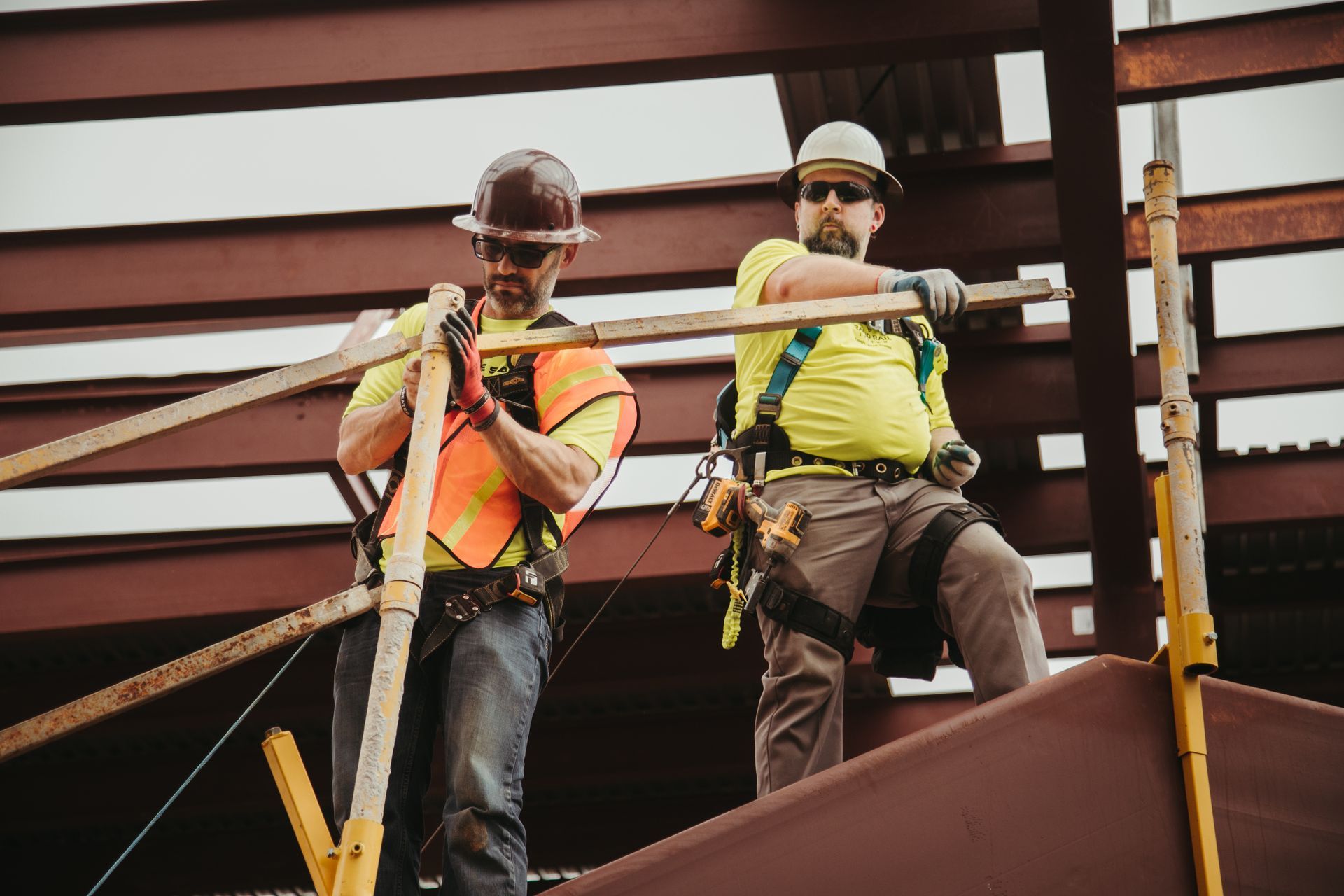
COMMERCIAL ANCHOR POINTS
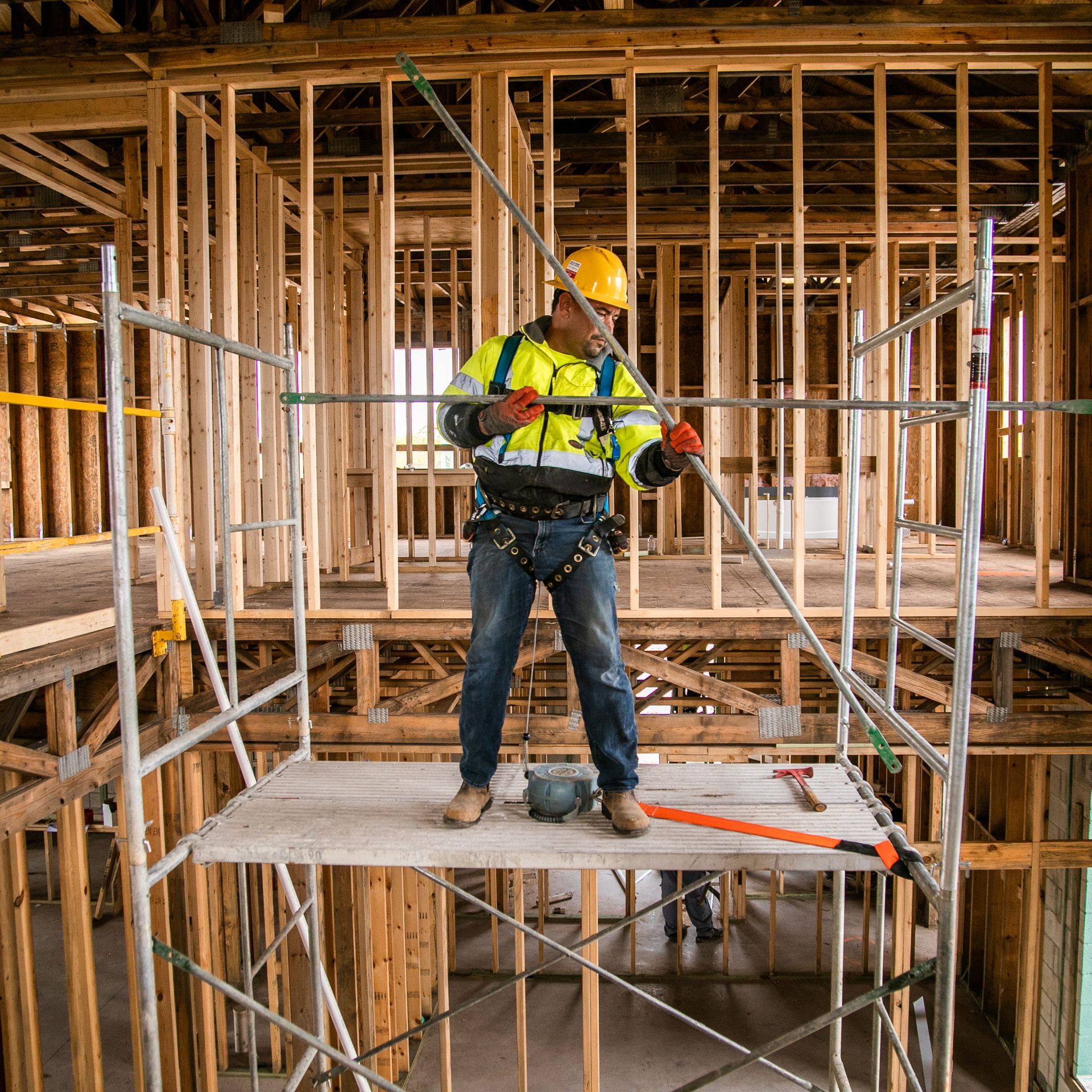
RESIDENTIAL ANCHOR POINTS
Different projects require different applications. Explore how fall protection systems are applied in residential and commercial environments.
What We Cover
Safety for Every Way Up
Three focus areas for crews working on access equipment.
Ladder Safety
Choosing and using the right ladder for the task.
- Setup angle and extension above the landing
- Three-point contact and load ratings
- Inspection before use and removal from service
Scaffold Safety
Safe erection, use and dismantling.
- Sound footing, full planking and access
- Guardrails and fall protection
- Load capacity and daily inspection
Competent Person Oversight
Who checks the equipment and corrects problems.
- Inspection before each work shift
- Supervising erection, moving and dismantling
- Stopping work when conditions are unsafe
The Onsite Safety Difference
Training for Your Type of Work
Different projects use access equipment in different ways.
Residential & Roofing Crews
- Extension ladders at eaves and roof access
- Stepladders and pump jack or light-duty staging
- Working on uneven or soft ground
Commercial & Industrial Crews
- Frame, rolling and suspended scaffolds
- Working near power lines and equipment
- Site-specific plans and inspections
What Your Crew Will Learn
Training follows the topics OSHA requires for ladder and scaffold users.
- Fall hazards when using ladders and scaffolds
- Proper ladder selection, placement and care
- Maximum intended loads and load capacities
- Correct ways to climb and carry tools and materials
- Scaffold components, platforms and access points
- When fall protection is required on scaffolds
- Electrical, falling object and other scaffold hazards
- Inspecting equipment and reporting defects
HOW IT WORKS
Correct gear starts with the right process.
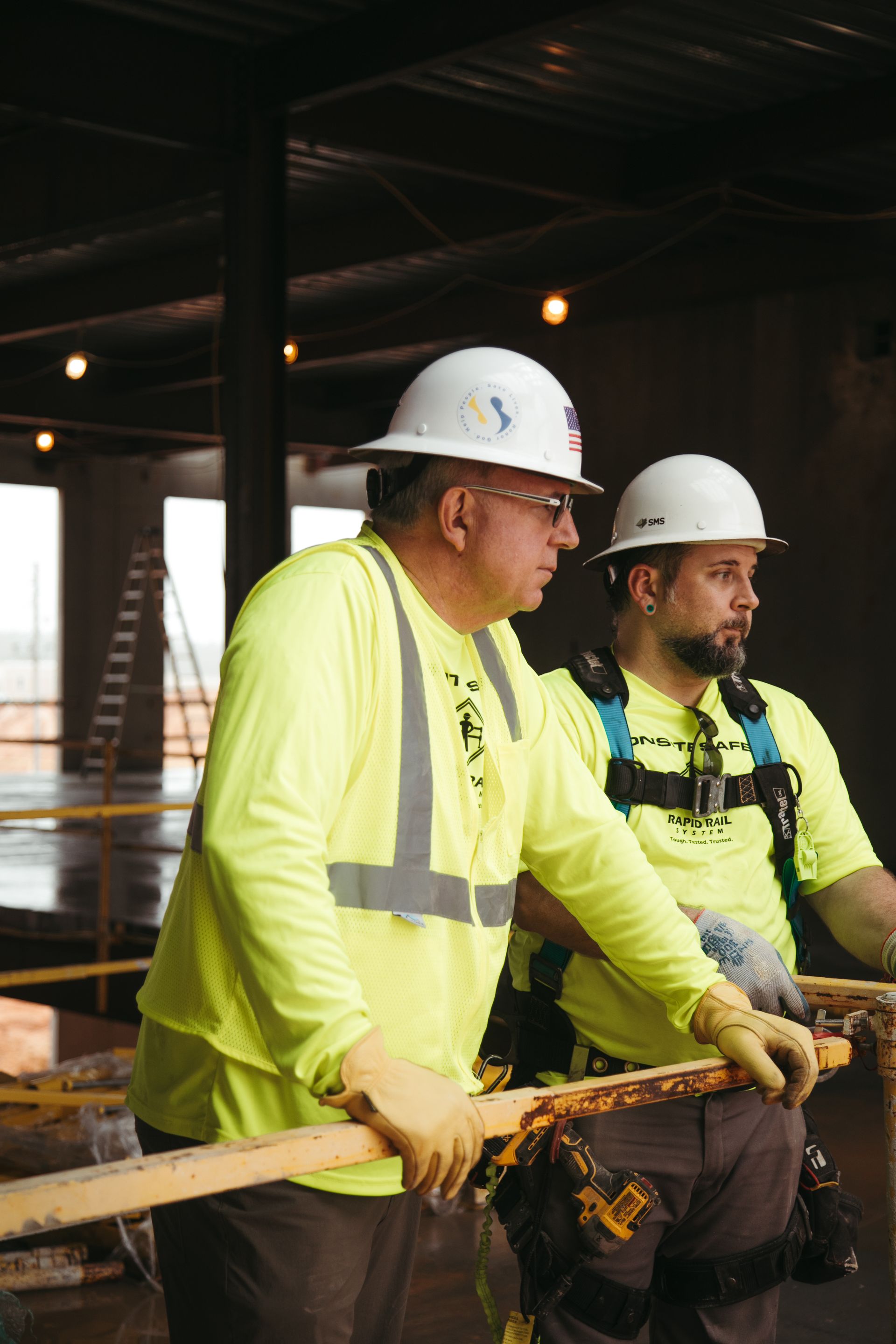
1. Site Assessment
We evaluate your roof or structure, map hazards, and determine the anchors needed.
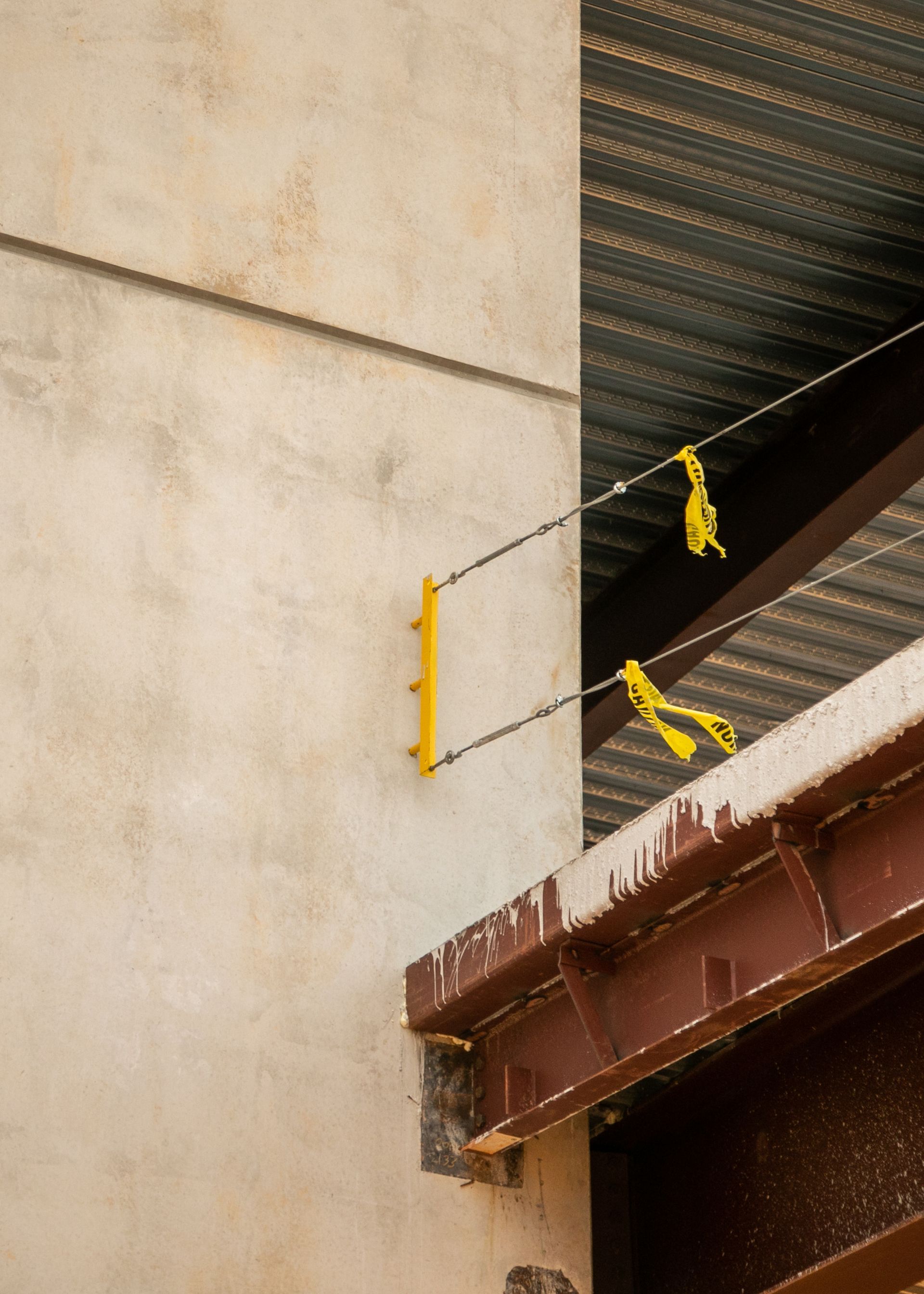
2. Engineering Review
Text should extend…
FAQs
Answers to common questions from contractors and jobsite safety teams.
Is training required for ladder and scaffold use?
Yes. OSHA requires employers to train workers who use ladders and stepladders, and to train workers who work on scaffolds. Workers who erect, move or dismantle scaffolds need additional training from a competent person.
How should an extension ladder be set up?
OSHA calls for a ladder angle of about one foot out for every four feet of height. The side rails should extend at least three feet above the landing, unless the ladder is secured another way.
Who inspects a scaffold?
A competent person must inspect the scaffold and its components before each work shift and after anything that could affect its structure. They must also supervise erection, moving and dismantling.
Can training be customized to our jobsite?
Yes. We can focus on the systems, equipment and hazards your supervisors deal with. Contact us to discuss your needs.
OUTCOMES
Safer crews.
Fewer delays.
One standard.
Trained crews use equipment correctly, catch problems early and keep projects on schedule.
Need Support on Your Next Project?
Talk with a safety specialist to determine the right safety rail system for your project.

 FREE INSTANT ESTIMATE