

Lifelines & SRLs
Horizontal lifelines, vertical lifelines and self-retracting lifelines that keep crews connected and mobile while working at height.
Stay connected. Keep moving.
Connection Systems for Elevated Work
Lifelines and self-retracting lifelines (SRLs) connect a worker's harness to an anchorage while allowing movement across a work area. If a fall occurs, the system arrests it and limits the forces on the body.
Onsite Safety helps you choose, install and maintain the right system for your structure, fall clearance and work method.
Harnesses & PPE made for your type of work
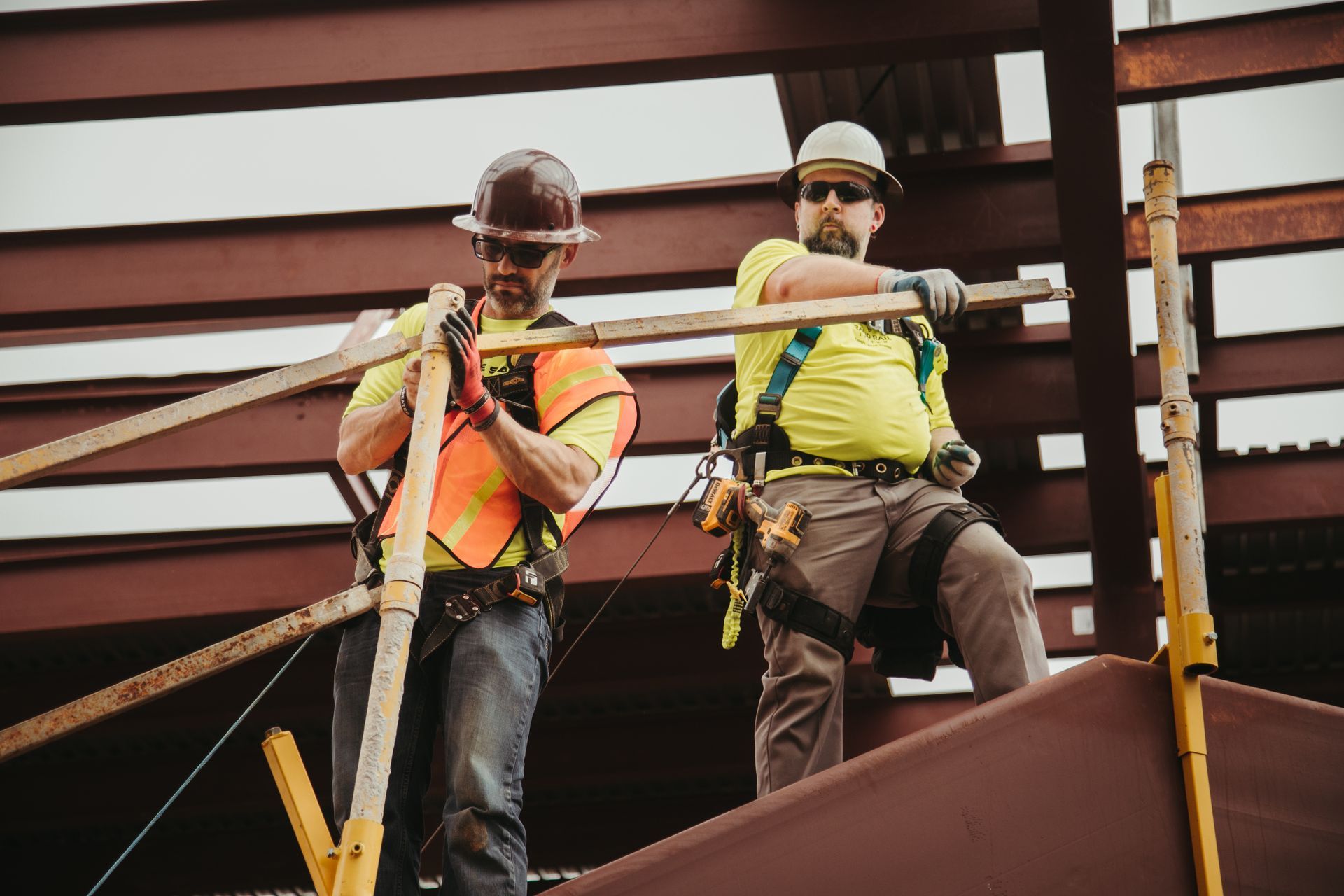
COMMERCIAL ANCHOR POINTS
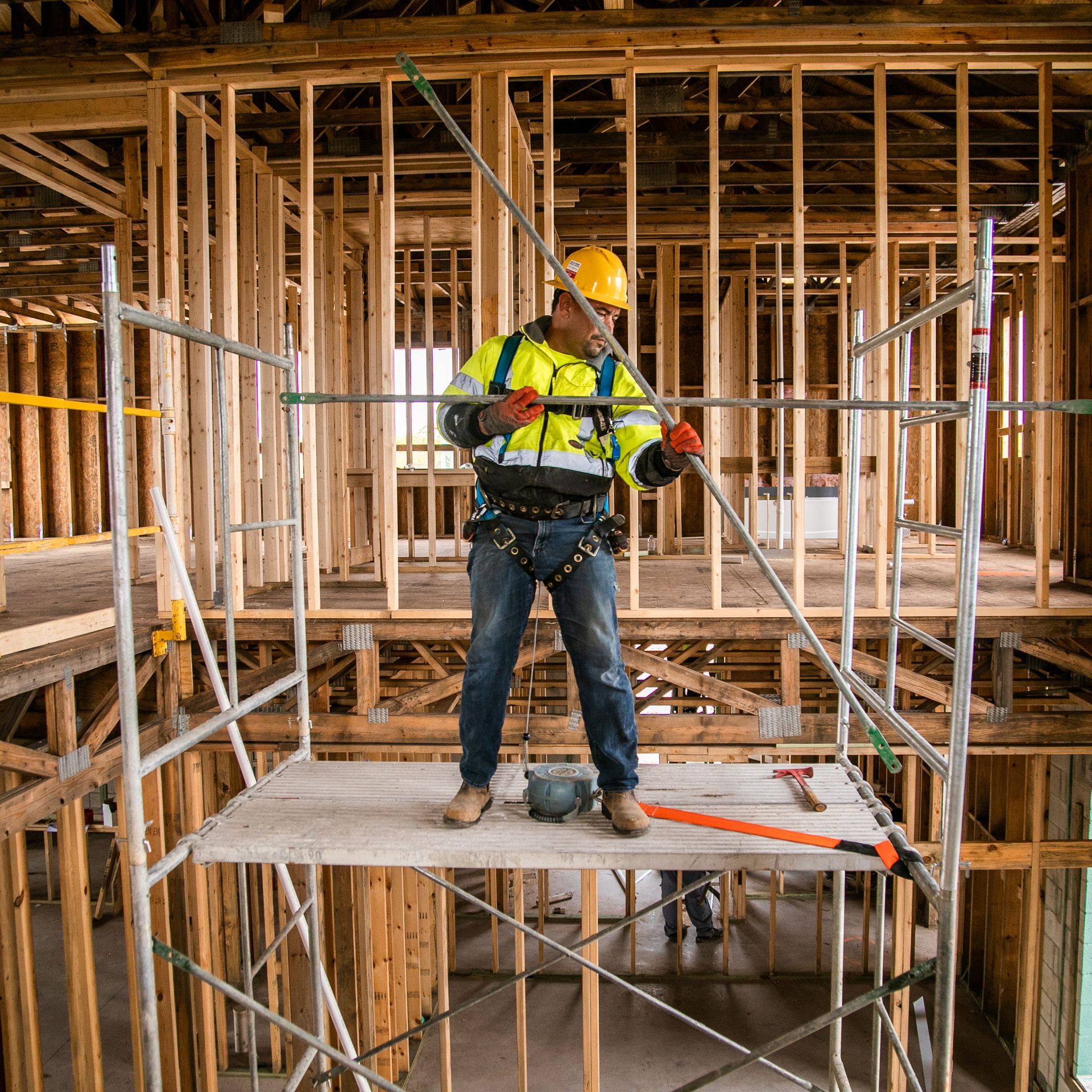
RESIDENTIAL ANCHOR POINTS
Different projects require different applications. Explore how fall protection systems are applied in residential and commercial environments.
Lifeline Systems made for your type of work
COMMERCIAL LIFELINES AND SRLS
RESIDENTIAL & ROOFING LIFELINES
Different projects call for different connection systems. Explore how lifelines and SRLs are applied on commercial and residential jobsites.
What is a lifeline? What is an SRL?
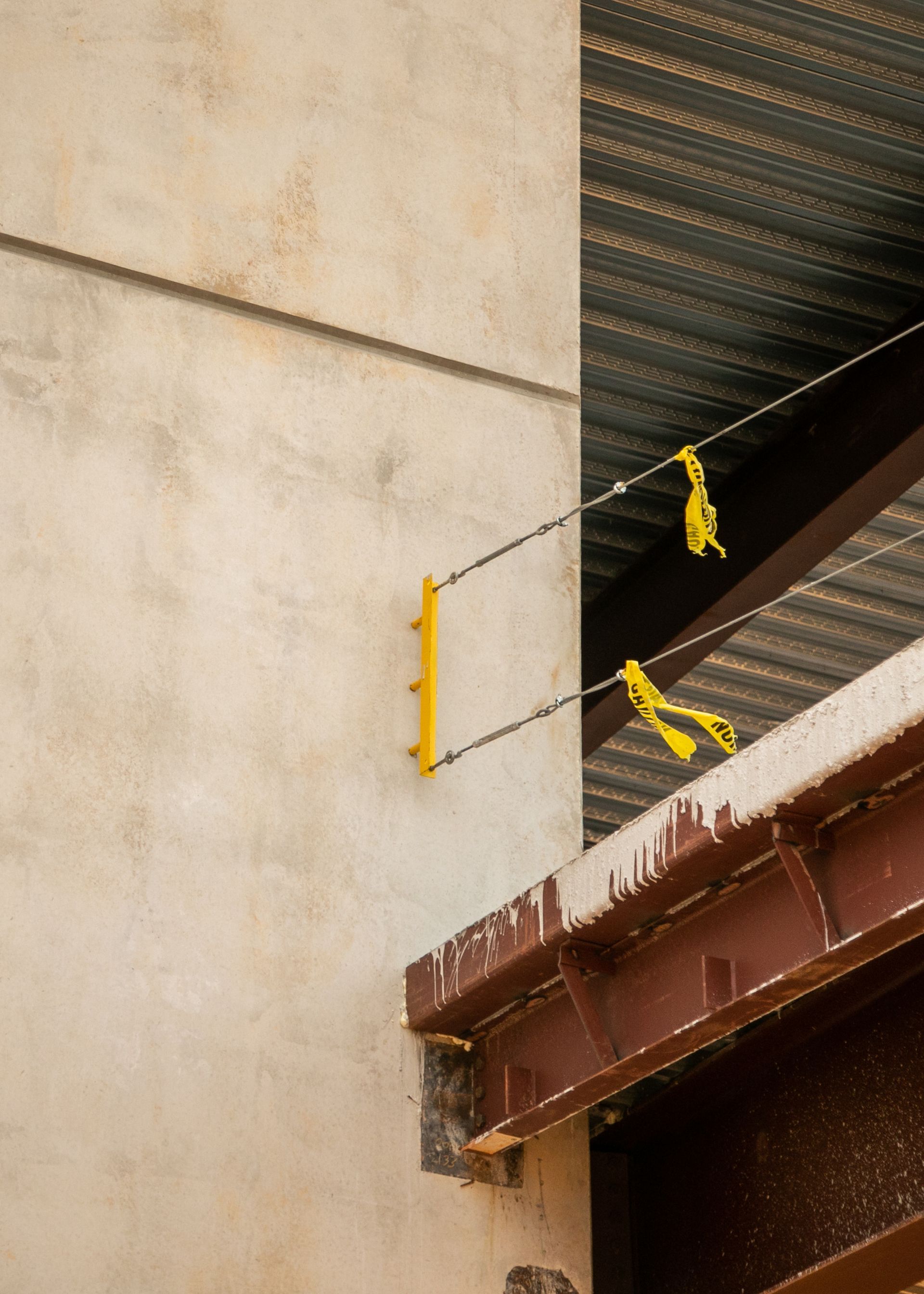
A lifeline is a flexible line, such as rope or cable, that a harness connects to. It can run horizontally between two anchorages or hang vertically from one. An SRL is a device that lets a worker move freely as the line extends and retracts, and locks quickly when a fall begins.
Commonly used for:
- Roof edges and leading-edge work
- Steel and structural work
- Ladders, towers and vertical access
- Long-span horizontal travel
Lifelines & SRLs for Commercial & Industrial Sites
Engineered connection systems for complex, multi-trade environments.
Commercial sites often need several workers moving across large areas. Horizontal lifelines and SRLs are chosen based on the structure, number of users and available fall clearance.
Common applications:
- Steel erection and deck installation
- Commercial roofing and rooftop equipment access
- Industrial and warehouse maintenance
- Towers, ladders and vertical access
Key benefits:
- Designed and installed under a qualified person's supervision
- Leading-edge rated SRLs where edge exposure exists
- Allows movement without repeated disconnecting
- Inspection and recertification support
Lifelines & SRLs for Residential Homes & Roofing
Simple, dependable connection options for roofing and framing crews.
On sloped roofs, a vertical lifeline with a rope grab or a roof-rated SRL lets each worker move without tangled lanyards, and connects to a compatible roof anchor.
Common applications:
- Re-roofs and new roof installs
- Framing and sheathing
- Storm damage repair
- Siding, gutter and solar work
Key benefits:
- One worker per vertical lifeline, as OSHA requires
- Quick setup on temporary or permanent anchors
- Less tripping and snagging than long lanyards
- Portable for crews moving between sites
THE ONSITE SAFETY DIFFERENCE
Types of Lifelines & SRLs We Supply
A range of systems to match your environment and safety needs.
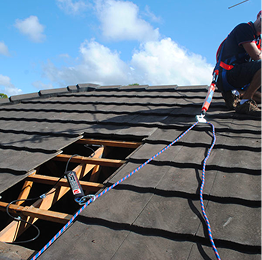
Horizontal Lifelines
Temporary or permanent lines between two anchorages, designed by a qualified person.
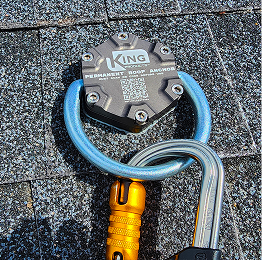
Vertical Lifelines
Rope or cable lines with rope grabs, one worker per line, for roofs and vertical access.
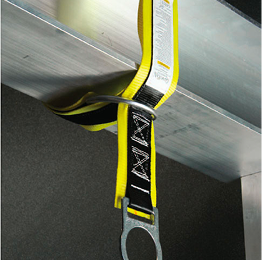
Self-Retracting Lifelines
Overhead-anchored devices that limit free fall and let workers move freely.
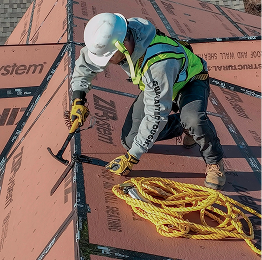
Leading-Edge SRLs
Rated for use where the line may contact a sharp edge at or below foot level.
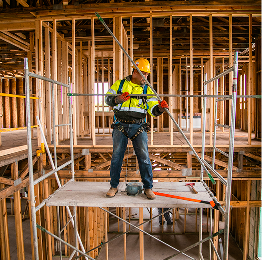
Rope Grabs & Accessories
Rope grabs, connectors, tensioners and carrying bags for complete systems.
HOW IT WORKS
Correct gear starts with the right process.
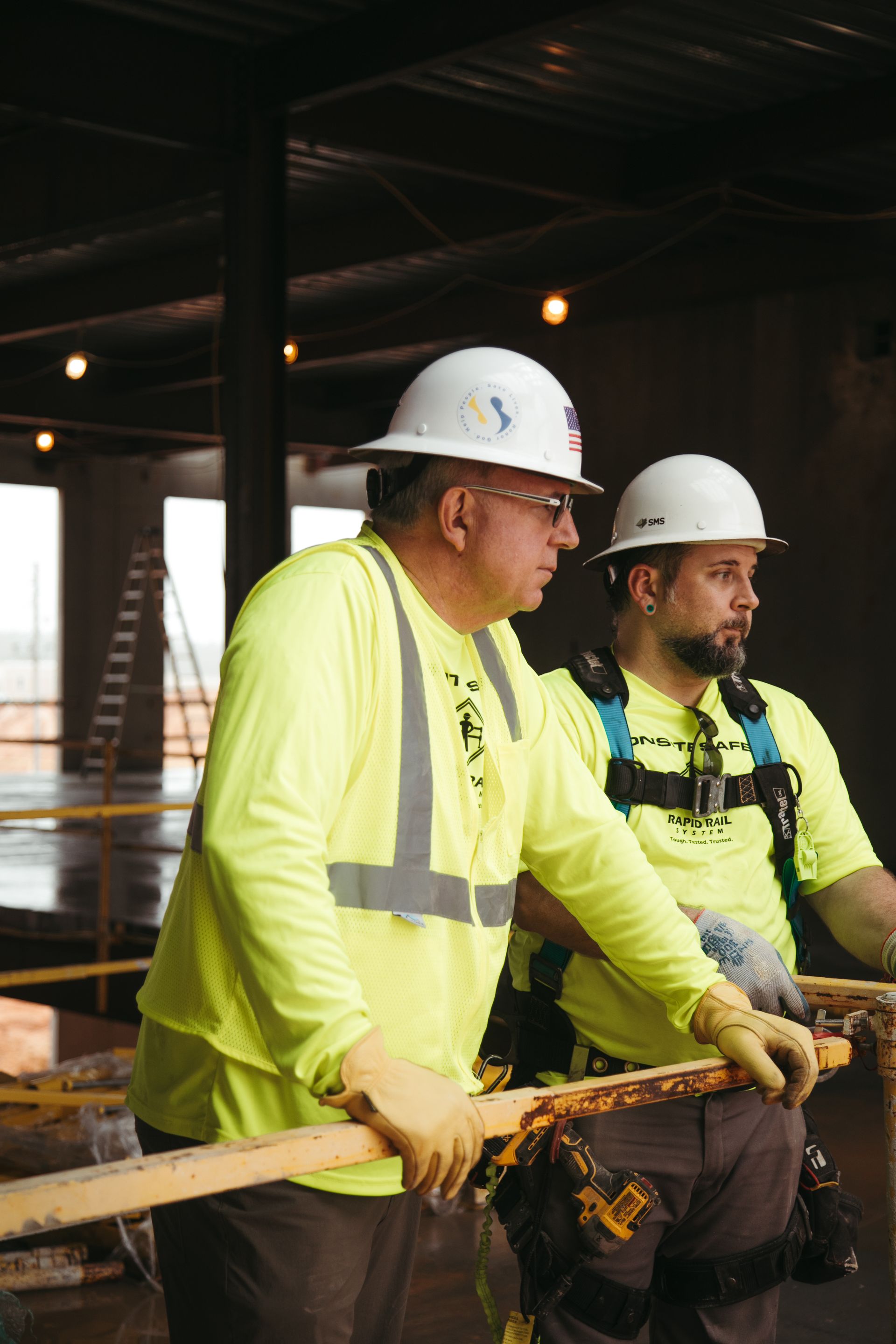
1. Site Assessment
We evaluate your roof or structure, map hazards, and determine the anchors needed.
2. Engineering Review
Text should extend…
FAQs
Answers to common questions from contractors and jobsite safety teams.
What is the difference between a lanyard and an SRL?
A lanyard is a fixed-length line, usually with a shock absorber. An SRL extends and retracts as the worker moves and locks when a fall starts, which typically limits free fall distance more than a standard lanyard.
When do I need a leading-edge SRL?
Use one when the line could run over a sharp edge, such as a roof edge or steel beam, while working at or below foot level. Standard SRLs are not designed for this unless the manufacturer rates them for it.
Can two workers share a vertical lifeline?
No. OSHA requires each worker to be attached to a separate vertical lifeline. Horizontal lifelines must be designed, installed and used under the supervision of a qualified person.
How often do SRLs need to be inspected?
Workers should inspect SRLs before each use, and a competent person should inspect them periodically. Many manufacturers require formal inspection or recertification at set intervals, often at least annually, so follow the instructions for your model.
View all FAQs →
OUTCOMES
Safer crews.
Fewer delays.
One standard.
The right lifeline system keeps workers connected and moving, so jobs stay on schedule with consistent protection at height.
Need Support on Your Next Project?
Talk with a safety specialist to determine the right lifeline or SRL system for your project.

 FREE INSTANT ESTIMATE