

OSHA 10 & OSHA 30
OSHA Outreach training that gives workers and supervisors a strong foundation in jobsite safety and a Department of Labor completion card.
The foundation of jobsite safety.
The OSHA 10-Hour and 30-Hour courses are part of OSHA's Outreach Training Program. They teach workers to recognize, avoid and prevent hazards on the job, and they are taught by OSHA-authorized trainers.
Onsite Safety delivers both courses to residential and commercial crews, so your team can work safely and meet the training requirements that many employers, contractors and jurisdictions set.
Harnesses & PPE made for your type of work
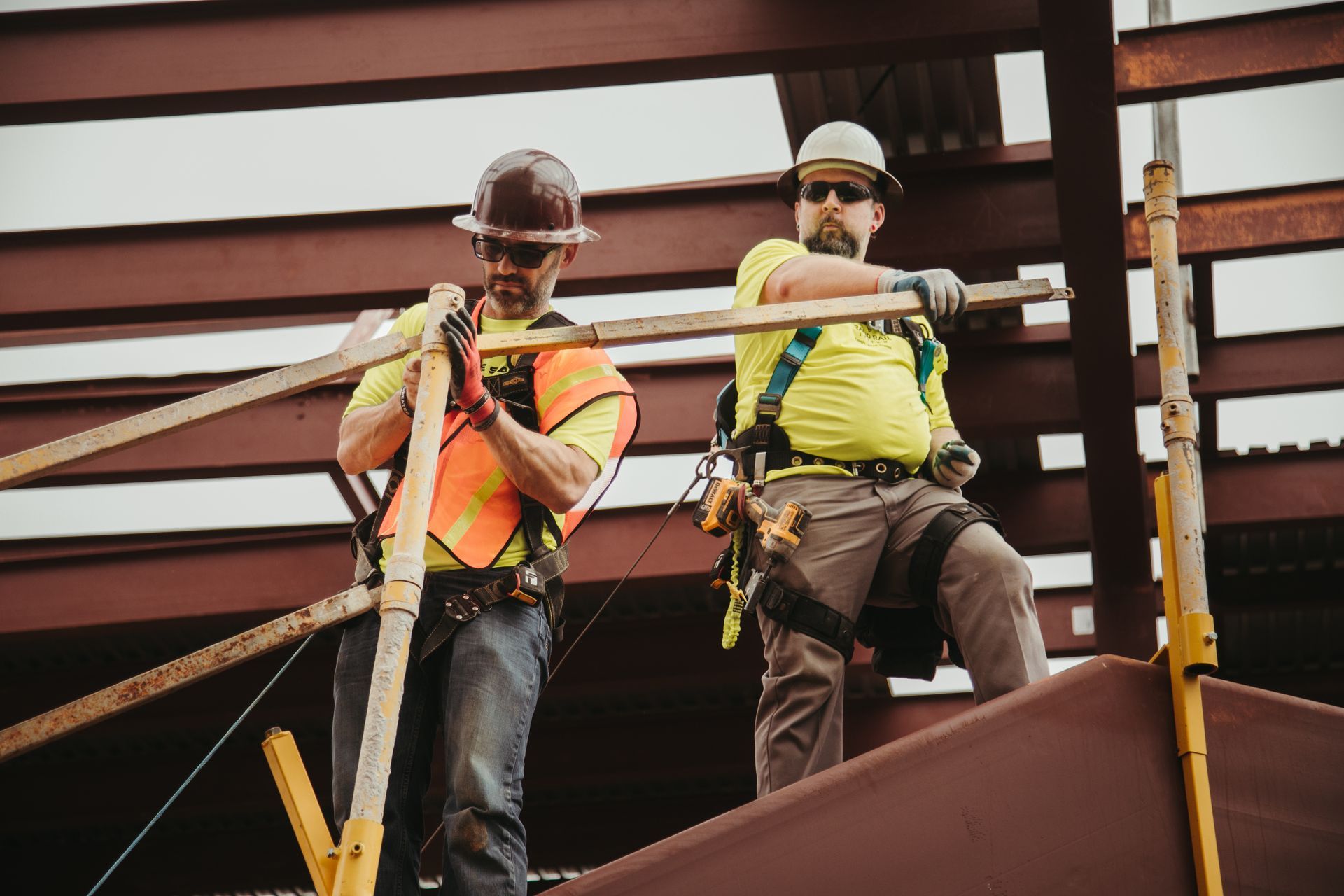
COMMERCIAL ANCHOR POINTS
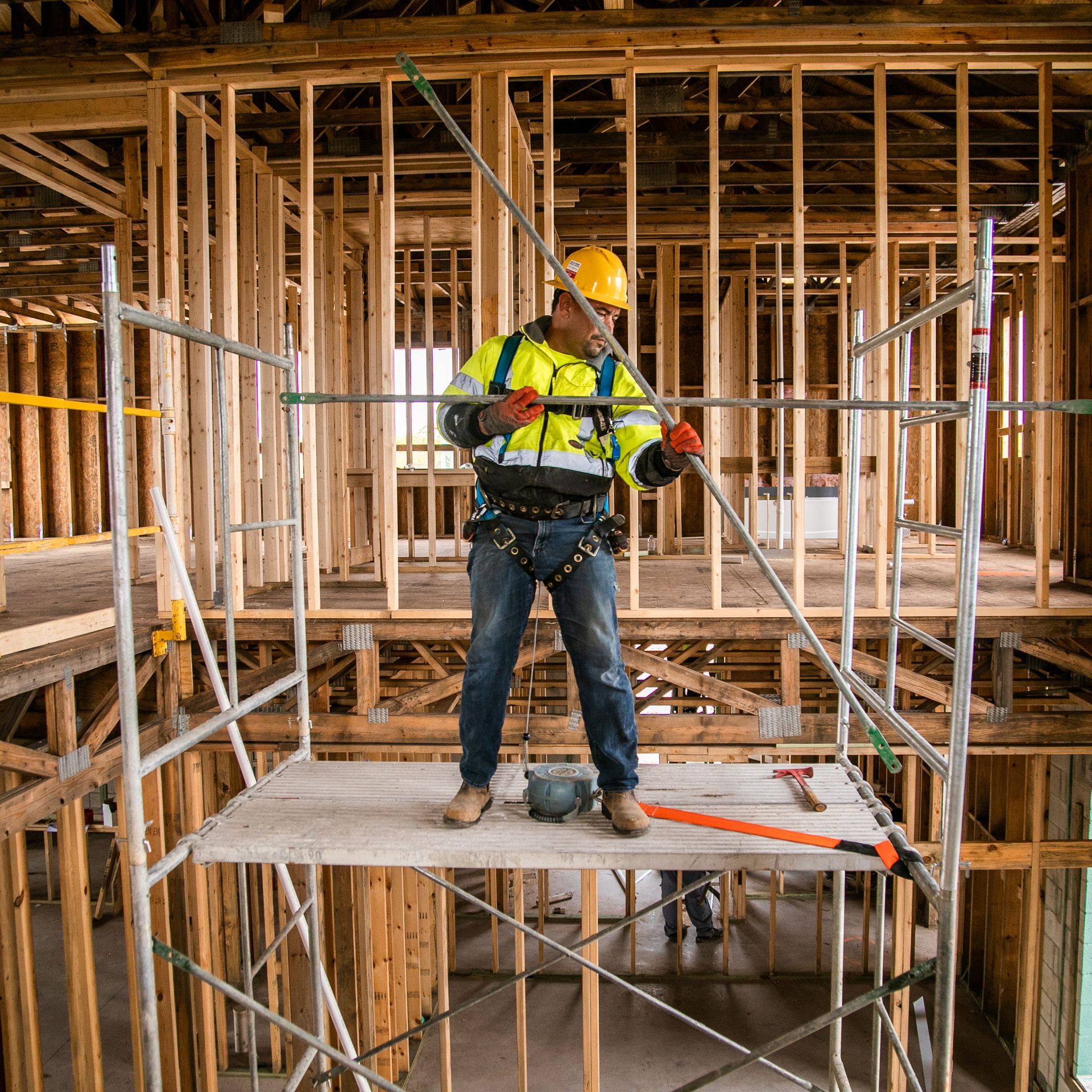
RESIDENTIAL ANCHOR POINTS
Different projects require different applications. Explore how fall protection systems are applied in residential and commercial environments.
Choose Your Course
OSHA 10 or OSHA 30?
The right course depends on each person's role.
OSHA 10-Hour
For entry-level and general workers.
- Intro to OSHA and worker rights
- Common jobsite hazards
- Hazard recognition and avoidance
OSHA 30-Hour
For supervisors and anyone with safety responsibility.
- Broader and more in-depth hazard coverage
- Managing safety and health programs
- Employer and supervisor responsibilities
Industry Options
Courses are offered by industry.
- Construction
- General Industry
- Content tailored to the work
The Onsite Safety Difference
Training for Your Type of Work
Examples are matched to what your crew actually does.
Residential & Roofing Crews
- Roof, ladder and edge hazards
- Tool, nail gun and material handling safety
- Heat illness and small-crew practices
Commercial & Industrial Crews
- Multi-trade site coordination
- Electrical, trenching and equipment hazards
- Supervisor duties and safety programs
What Your Crew Will Learn
Construction courses center on the "Focus Four" hazards behind most serious jobsite injuries.
- Falls, including ladders, scaffolds and roofs
- Electrocution hazards
- Struck-by hazards
- Caught-in or caught-between hazards
- Personal protective equipment and lifesaving equipment
- Health hazards in construction
- Worker rights and employer responsibilities
- How to report hazards and file OSHA complaints
HOW IT WORKS
Correct gear starts with the right process.
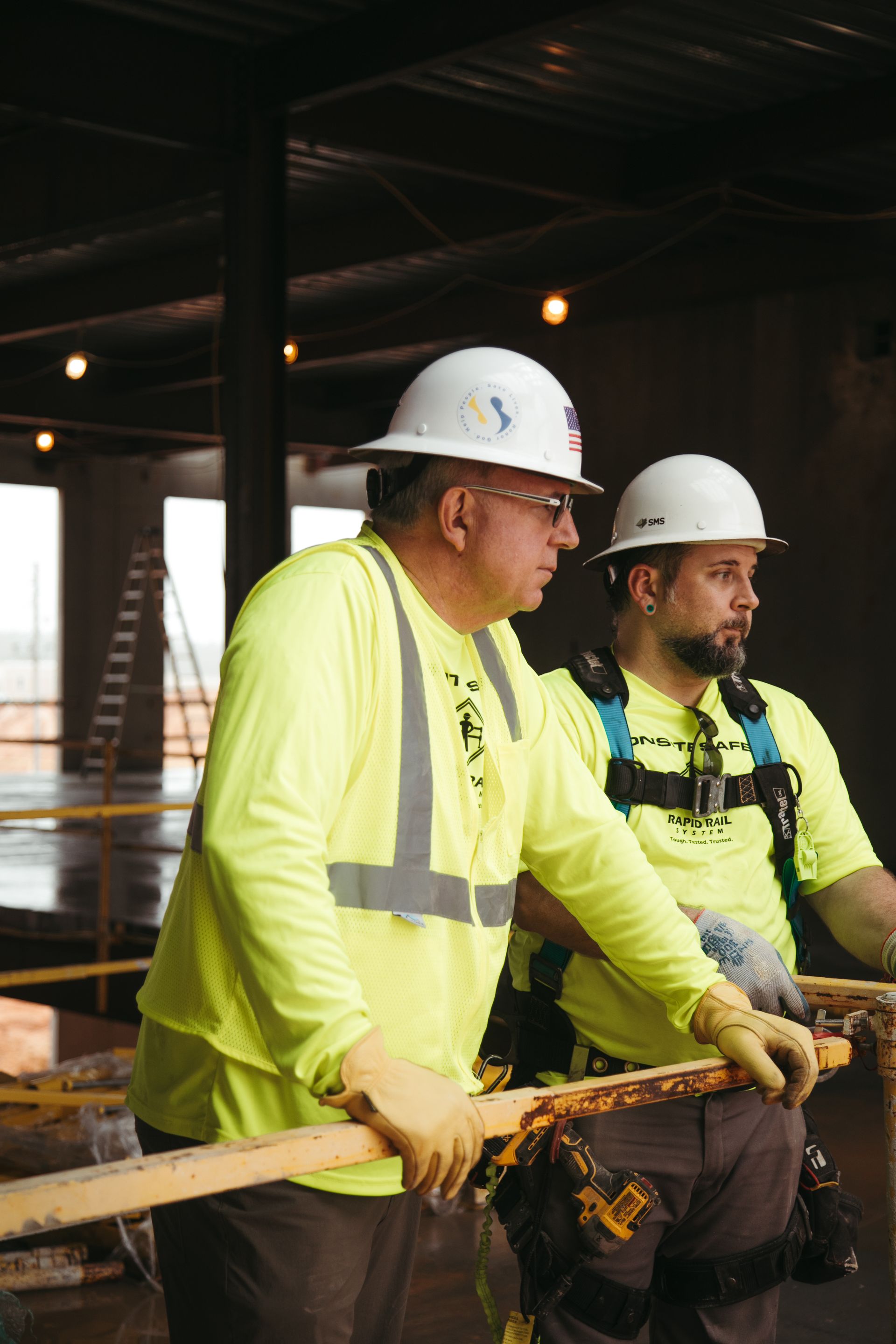
1. Site Assessment
We evaluate your roof or structure, map hazards, and determine the anchors needed.
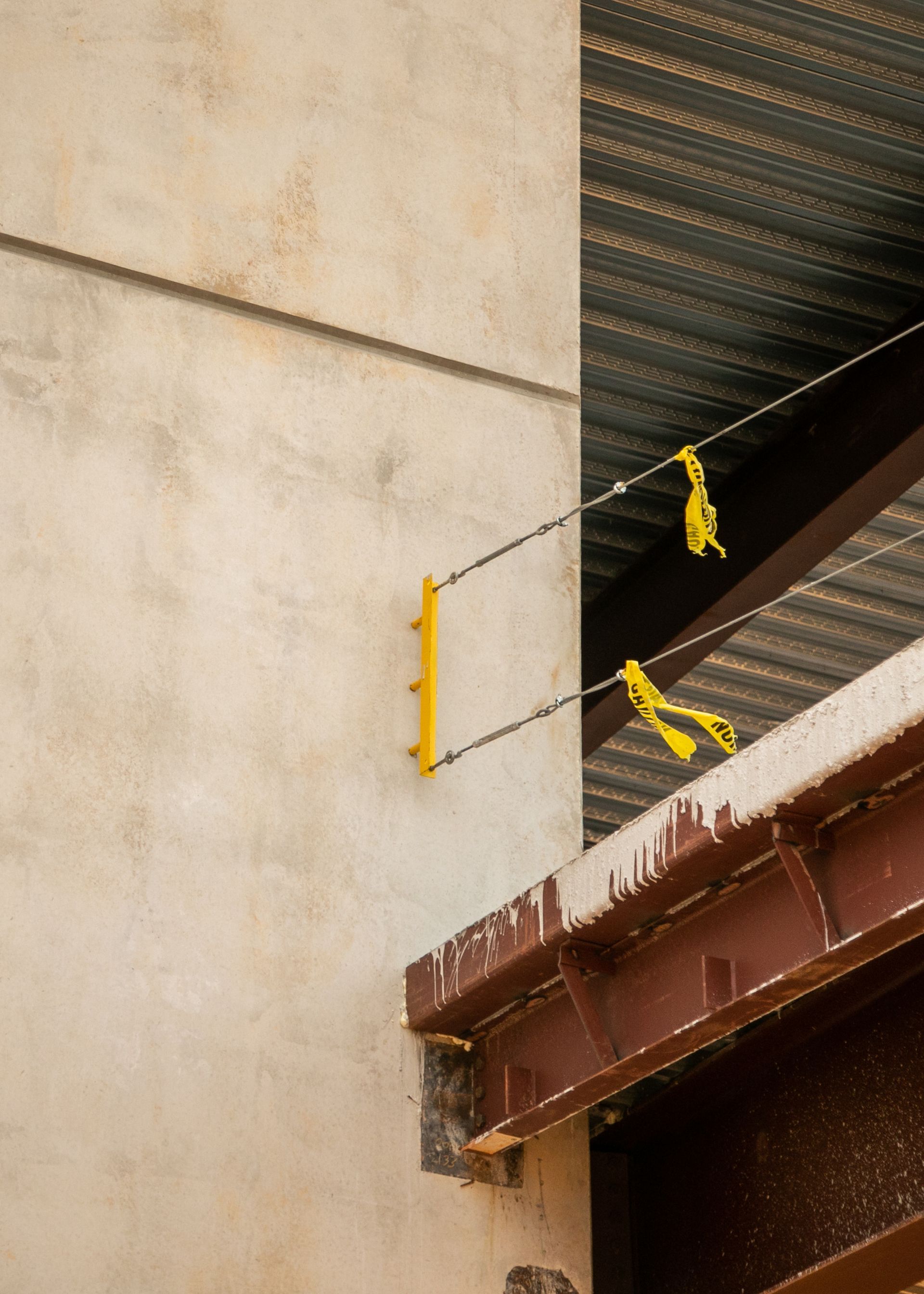
2. Engineering Review
Text should extend…
FAQs
Answers to common questions from contractors and jobsite safety teams.
What is the difference between OSHA 10 and OSHA 30?
OSHA 10 is a basic awareness course for entry-level workers. OSHA 30 is more in-depth and is intended for supervisors and workers with some safety responsibility.
Is OSHA 10 or OSHA 30 required by law?
OSHA does not require these courses for all workers. However, some states, cities and contracts require them, and many employers do too. Check the requirements for your jobsites.
Does the card make me "OSHA certified"?
No. OSHA states that the Outreach program provides a completion card, not a certification or license. The card shows that the person completed the course.
Does OSHA 10 or 30 replace fall protection training?
No. These courses give a broad overview, but they do not replace the specific training OSHA requires for fall protection, equipment operation and other hazards. Workers still need site- and task-specific training.
OUTCOMES
Safer crews.
Fewer delays.
One standard.
Workers and supervisors who understand jobsite hazards help prevent injuries and keep projects on track.
Ready to Get Your Crew OSHA Trained?
Talk with a safety specialist to find the right OSHA 10 or OSHA 30 training for your team.
 FREE INSTANT ESTIMATE