

ANCHOR POINTS
Secure, compliant anchor points engineered to support fall arrest and fall restraint systems across a wide range of elevated work environments.
Secure, compliant, and engineered for every environment.
Secure Protection for Elevated Work
Anchor points provide a fixed, engineered connection for workers operating at height. Properly designed and installed anchor points are critical to protecting crews and supporting compliant fall protection systems.
Our anchor solutions are selected and installed to match jobsite conditions, structure type, and safety requirements.
What Is an Anchor Point?
An anchor point is a secure attachment location used to connect fall arrest or restraint systems. Anchor points must be properly engineered, installed, and documented to meet OSHA requirements.
Anchor points are commonly used for:
- Elevated decks and slabs
- Roof edges and leading edges
- Interior framing and structural work
- Maintenance and access operations
BUILT FOR RESIDENTIAL PROJECTS
Anchor Points for Residential Homes & Roofing
Our anchor systems are designed to support predictable installation, repeatable use, and consistent safety across residential communities.
- Designed for steel, concrete, and membrane roofs
- Supports ironworkers, roofers, and mechanical trades
- Meets or exceeds OSHA and ANSI requirements
- Engineered drawings available when required
- Ideal for long-term maintenance and access
THE ONSITE SAFETY DIFFERENCE
Types of Anchor Points We Install
Anchor solutions selected to support common residential construction workflows.
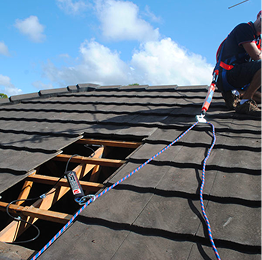
Temporary Anchor Points
Ideal for framing, decking, and sheathing. Fast installs with minimal disruption.
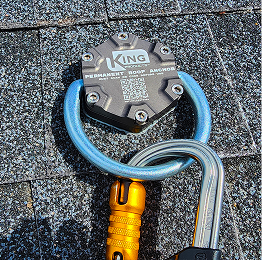
Permanent Roof Anchors
Mounted to rafters for long-term access on complex rooflines.
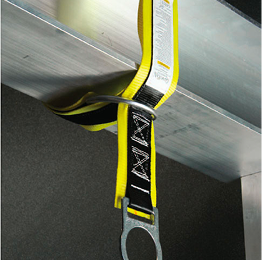
Strap Anchors
For new-build roofs, fastened before sheathing installation.
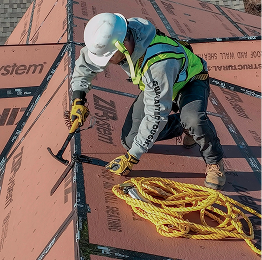
Reusable Anchors
Rugged steel anchors that move with crews across multiple homes.
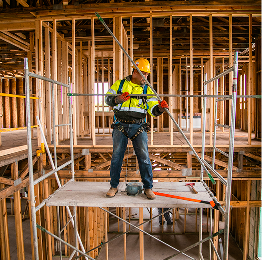
Custom Residential Solutions
For unique elevations, steep designs, or builder-specific workflows.
HOW IT WORKS
We provide end-to-end edge protection solutions, ensuring your rails are placed exactly where they are needed before the hazard ever opens up.
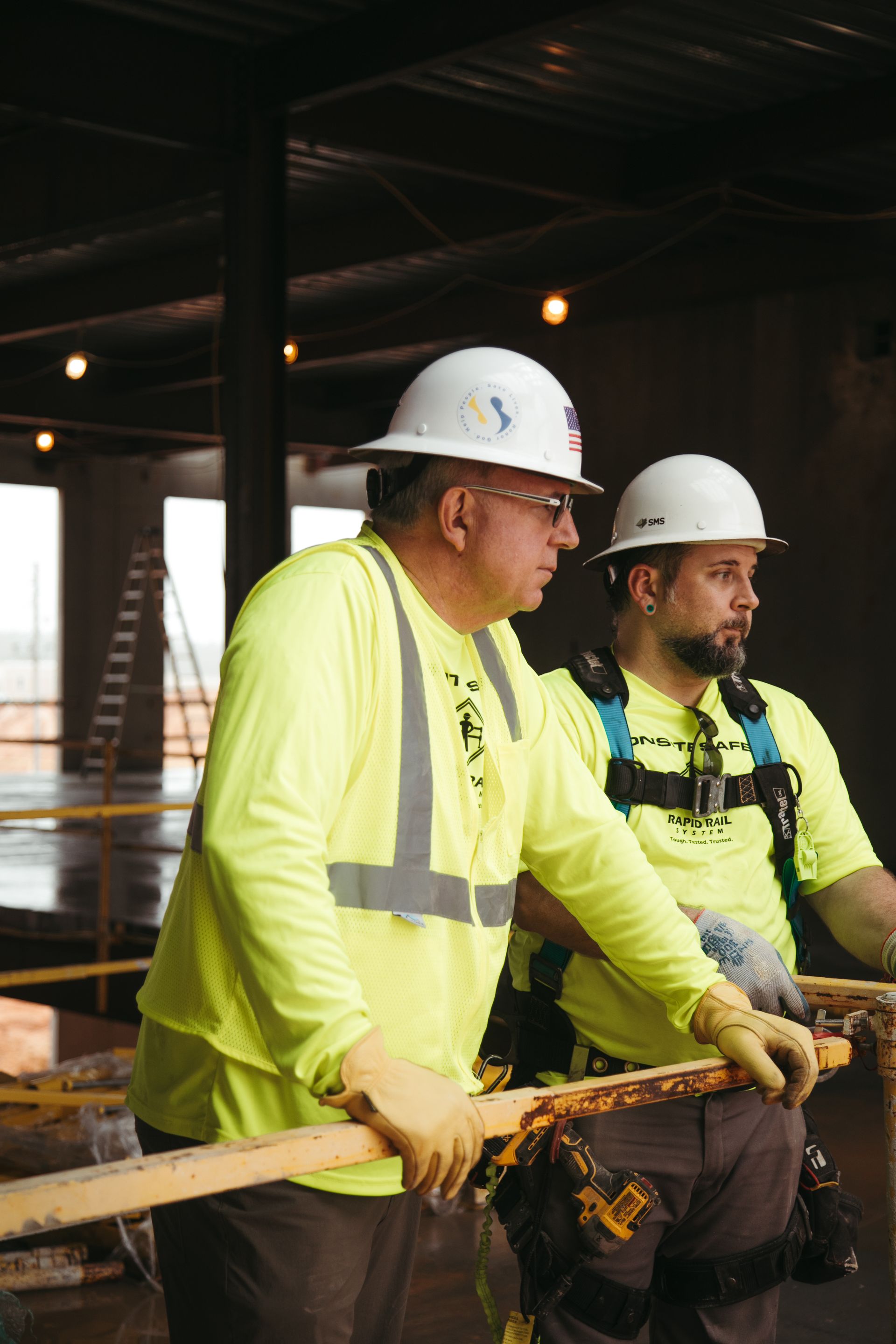
1. Site Assessment
We evaluate your roof or structure, map hazards, and determine the anchors needed.
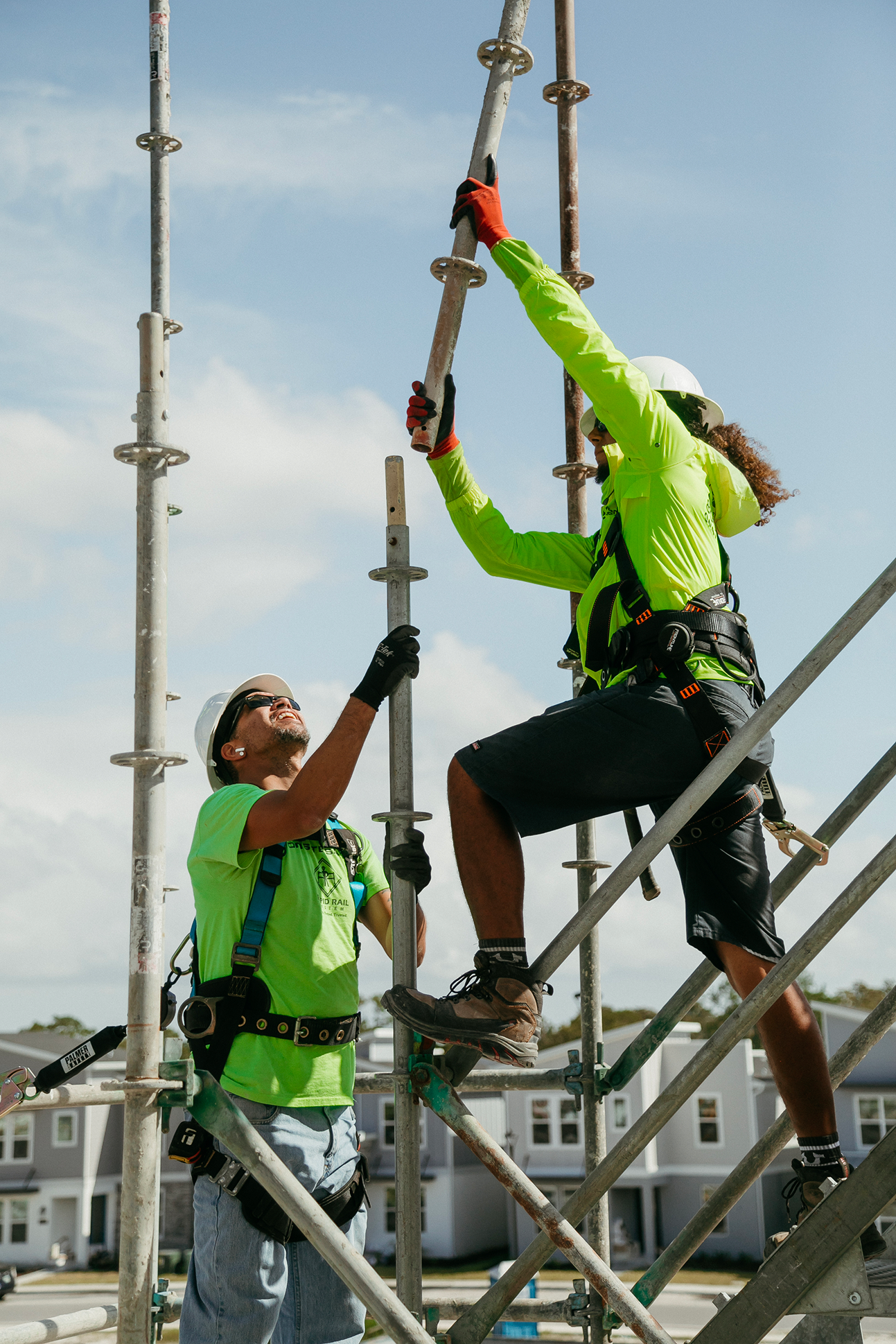
2. Engineering Review
Anchors are selected or custom-engineered
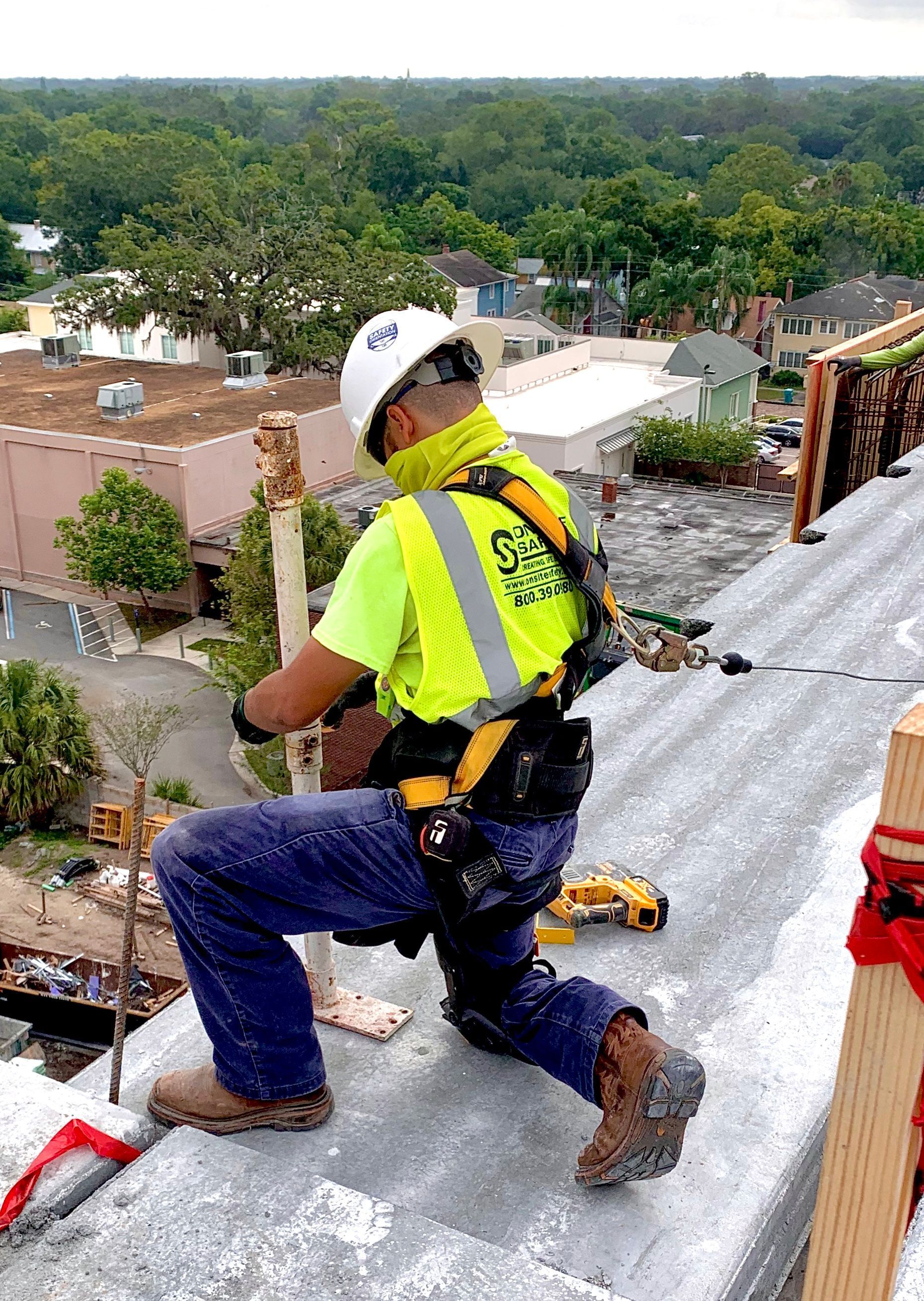
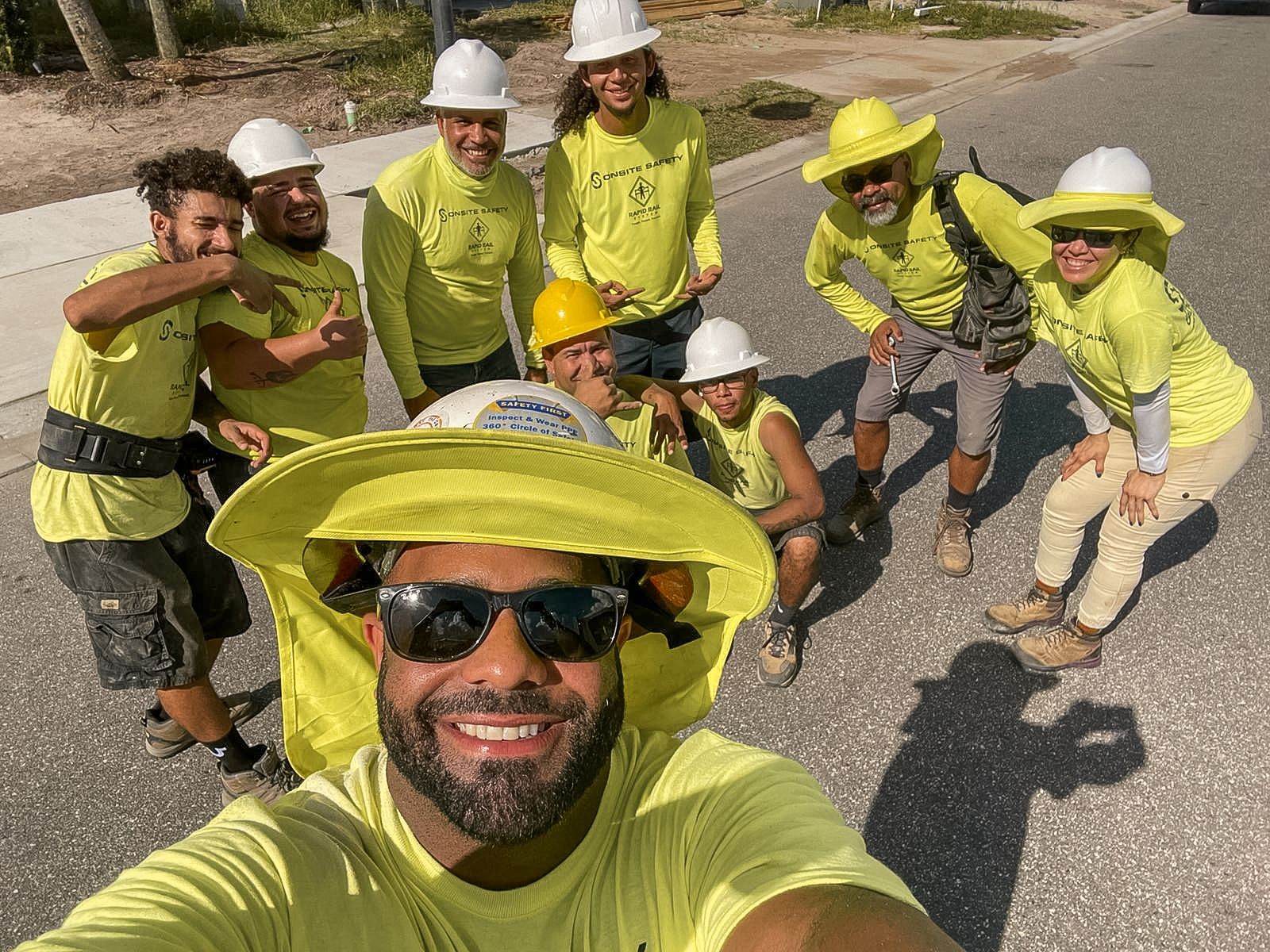
3. Professional Installation
Our certified technicians securely install your anchor system according to engineering specifications and safety standards.
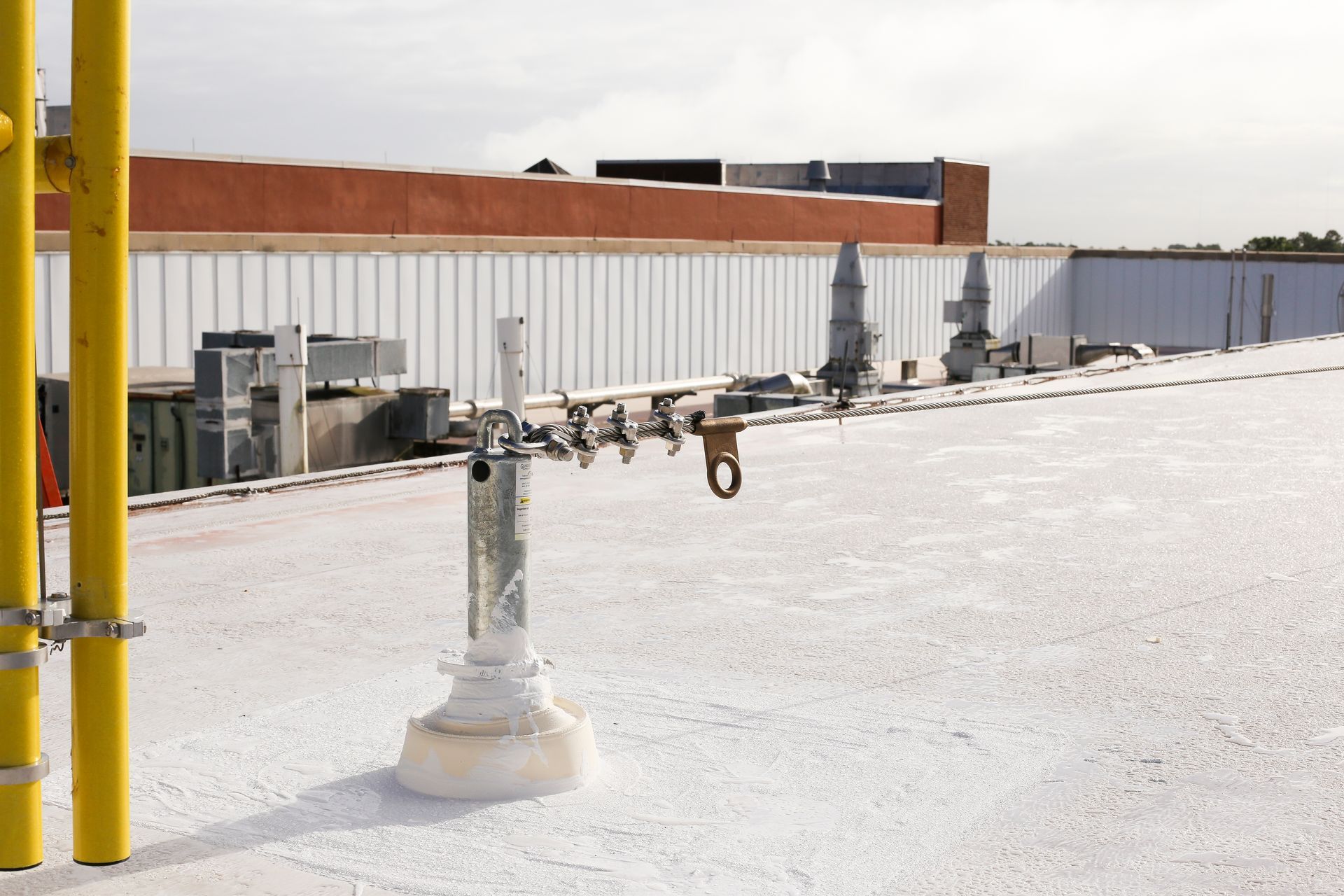
4. Load Testing and Certification
We perform rigorous pull-testing on installed anchors to verify capacity and issue formal certification for compliance.
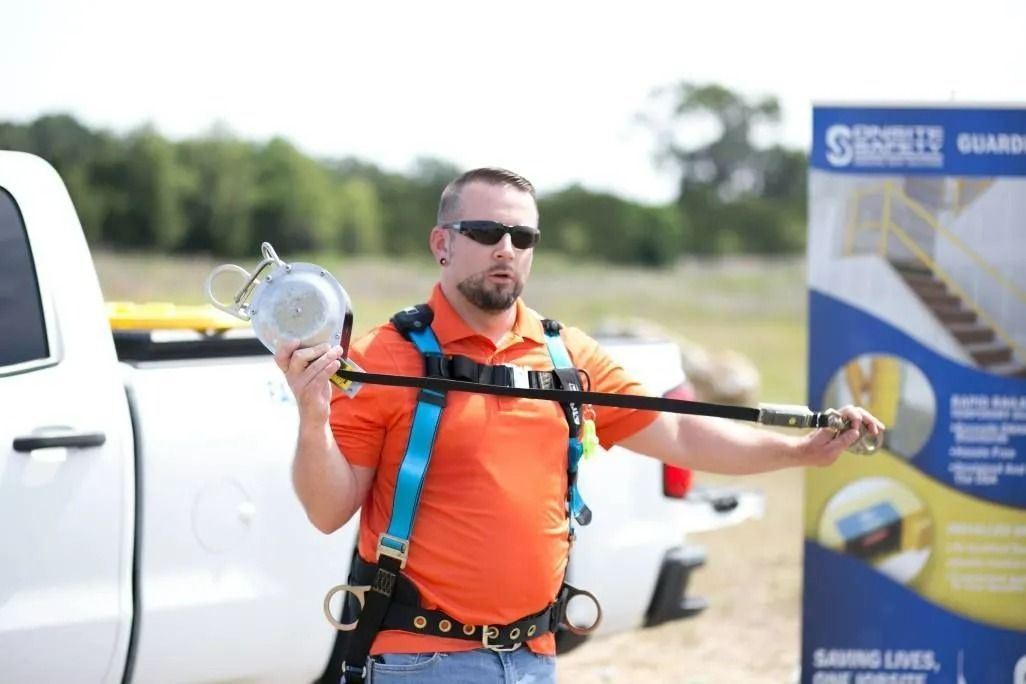
5. Training and Orientation
We provide hands-on instruction for your team on how to properly inspect, connect to, and use the installed anchorage system.
6. Documentation Package
You receive a comprehensive closeout binder containing system drawings, test results, warranties, and user manuals for future reference.
1. Site Assessment
We evaluate your roof or structure, map hazards, and determine the anchors needed.
2. Engineering Review
Anchors are selected or custom-engineered
3. Professional Installation
Our certified technicians securely install your anchor system according to engineering specifications and safety standards.
4. Load Testing and Certification
We perform rigorous pull-testing on installed anchors to verify capacity and issue formal certification for compliance.
5. Training and Orientation
We provide hands-on instruction for your team on how to properly inspect, connect to, and use the installed anchorage system.
6. Documentation Package
You receive a comprehensive closeout binder containing system drawings, test results, warranties, and user manuals for future reference.
FAQs
Answers to the most common questions from residential contractors, commercial builders, and jobsite safety teams.
How strong must an anchor point be?
Describe the item or answer the question so that site visitors who are interested get more information. You can emphasize this text with bullets, italics or bold, and add links.Do anchors work on every roof type?
Describe the item or answer the question so that site visitors who are interested get more information. You can emphasize this text with bullets, italics or bold, and add links.Do anchor points require inspections?
Describe the item or answer the question so that site visitors who are interested get more information. You can emphasize this text with bullets, italics or bold, and add links.Are non-penetrating anchors reliable?
Describe the item or answer the question so that site visitors who are interested get more information. You can emphasize this text with bullets, italics or bold, and add links.
View all FAQs →
OUTCOMES
Safer crews. Fewer delays. One standard.
With consistent placement and documented installs, trades work confidently, inspectors clear homes faster, and homebuilders maintain a reliable safety standard across every community.
Let’s Build a Safer Residential Operation
Request a residential quote or talk with a safety specialist today.

 FREE INSTANT ESTIMATE