

Edge Protection
OSHA-compliant edge protection systems specifically engineered to safeguard framing and roofing crews on residential construction sites.
Guard the drop. Keep your trades moving.
Unprotected edges are the leading cause of injuries in residential home building.
Working near the edge of a second-story deck, a steep roof pitch, or an open stairwell exposes your crew to severe hazards. Traditional active fall arrest gear can sometimes slow workers down or limit their mobility across the roofline.
Our residential edge protection systems utilize a strategic mix of passive barriers, roof catch systems, and leading-edge lifelines to secure the perimeter. This proactive approach ensures complete OSHA compliance while giving your framers and roofers the confidence to work efficiently.
What Is Residential Edge Protection?
Edge protection refers to any system—passive or active—designed to prevent workers, tools, or building materials from falling over the unprotected sides of a walking or working surface. In residential construction, this means securing the perimeters of roofs, upper-level flooring, and balconies before serious work begins.
Common residential edge protection applications include:
- Steep-slope roof eaves and rakes
- Second-story decking and framing
- Open exterior balconies and patios
- Unfinished window and door wall openings
Built For Home Builders
Secure perimeters for fast-paced home construction
Our edge protection equipment is selected for the realities of the residential jobsite: lightweight enough for quick deployment by your framing crews, yet rugged enough to meet strict 200 lb. OSHA force regulations.
- Solutions for low-slope and steep-slope residential roofs
- Clamp-on and face-mount bracket systems
- Non-damaging attachments for wood trusses and eaves
- Integrated toe boards to prevent dropped tools
- Meets OSHA 1926 Subpart M fall protection standards
THE ONSITE SAFETY DIFFERENCE
Types of Residential Edge Protection
We provide a comprehensive range of passive barricades and active edge safety solutions for home builders.
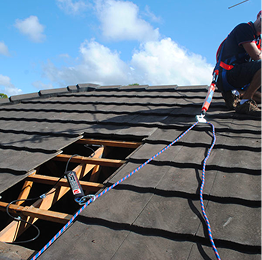
Temporary Roof Edge Guardrails
Brackets that attach to the rafters or fascia to hold 2x4 lumber, creating a passive physical barrier around the roof perimeter.
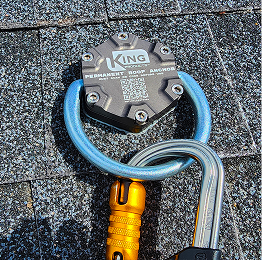
Slide Guards & Catch Platforms
Bracket systems installed near the eave of a steep roof to catch sliding workers or materials before they go over the edge.
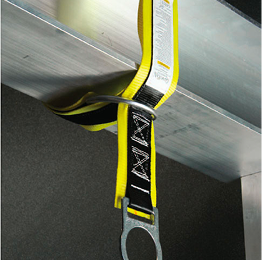
Leading Edge (LE) Lifelines
Specialized retractables with heavy-duty wire rope designed to withstand the shearing force of a fall over a sharp wooden or concrete edge.
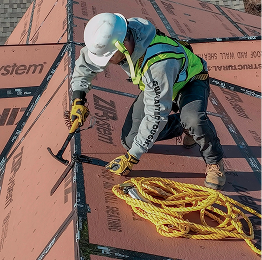
Slab & Balcony Clamps
Heavy-duty compression clamps that grip concrete foundations or second-story balconies to quickly erect temporary 2x4 guardrails.
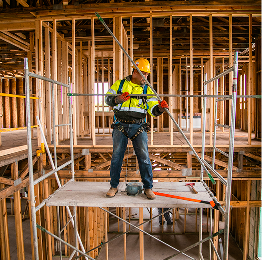
Warning Line Systems
High-visibility flagged lines used on low-slope residential roofs to establish a controlled access zone safely back from the unprotected edge.
HOW IT WORKS
Proactive safety before the hazard opens up. The best time to secure an edge is immediately after it's created. We help you sequence your fall protection perfectly into your build schedule.
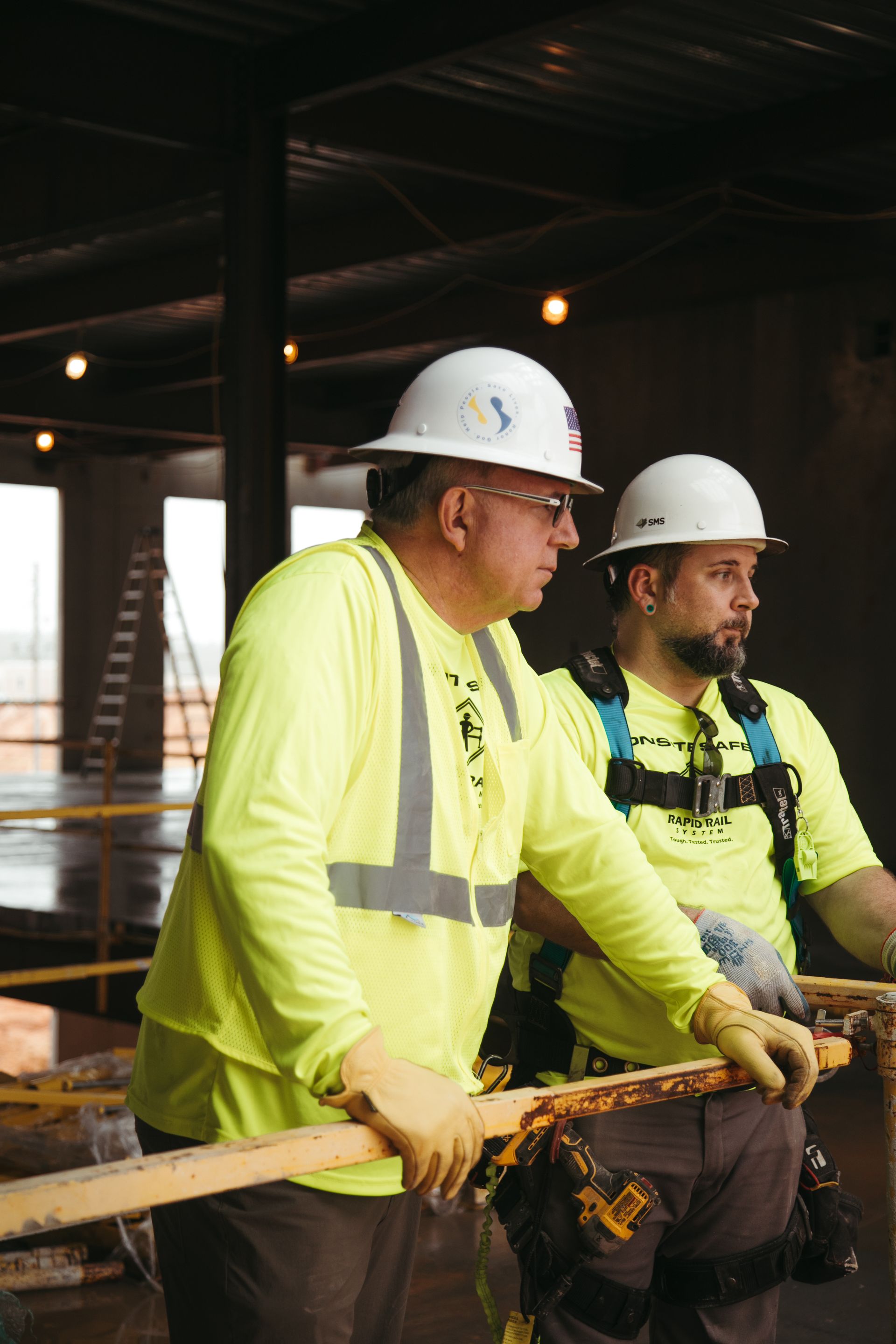
1. Site Assessment
We evaluate your roof or structure, map hazards, and determine the anchors needed.
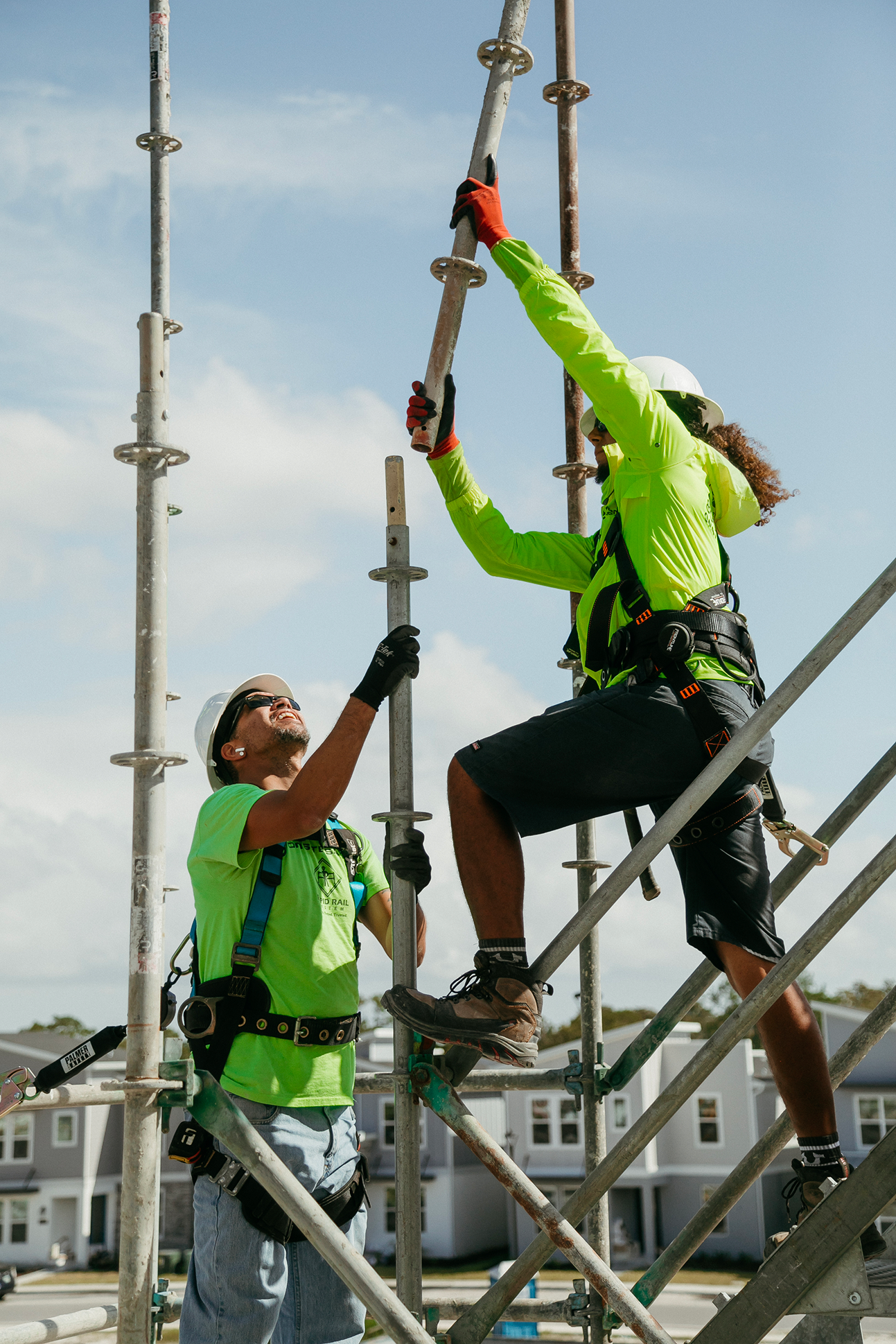
2. Engineering Review
Anchors are selected or custom-engineered
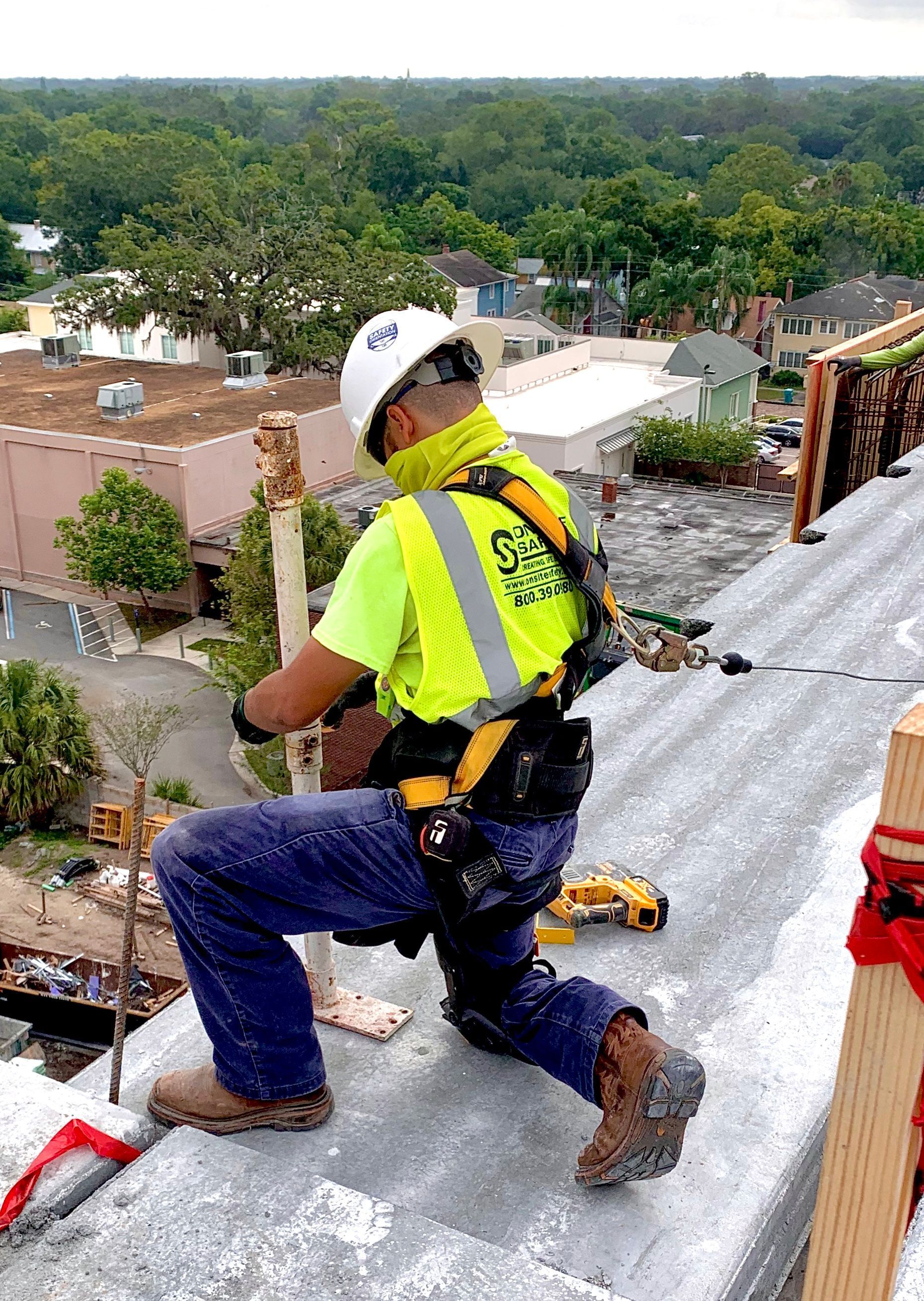
3. Professional Installation
Our certified technicians securely install your anchor system according to engineering specifications and safety standards.
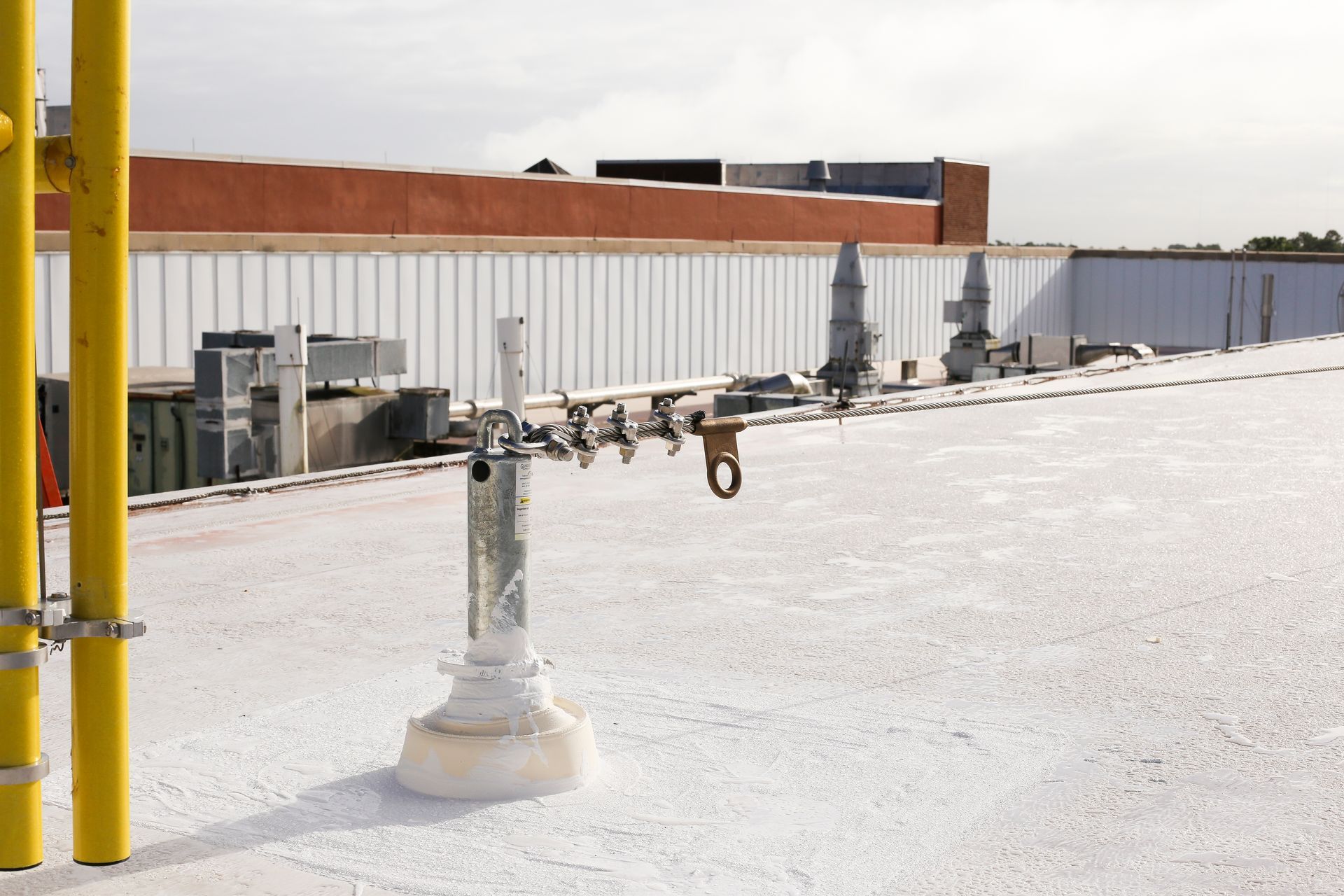
4. Load Testing and Certification
We perform rigorous pull-testing on installed anchors to verify capacity and issue formal certification for compliance.
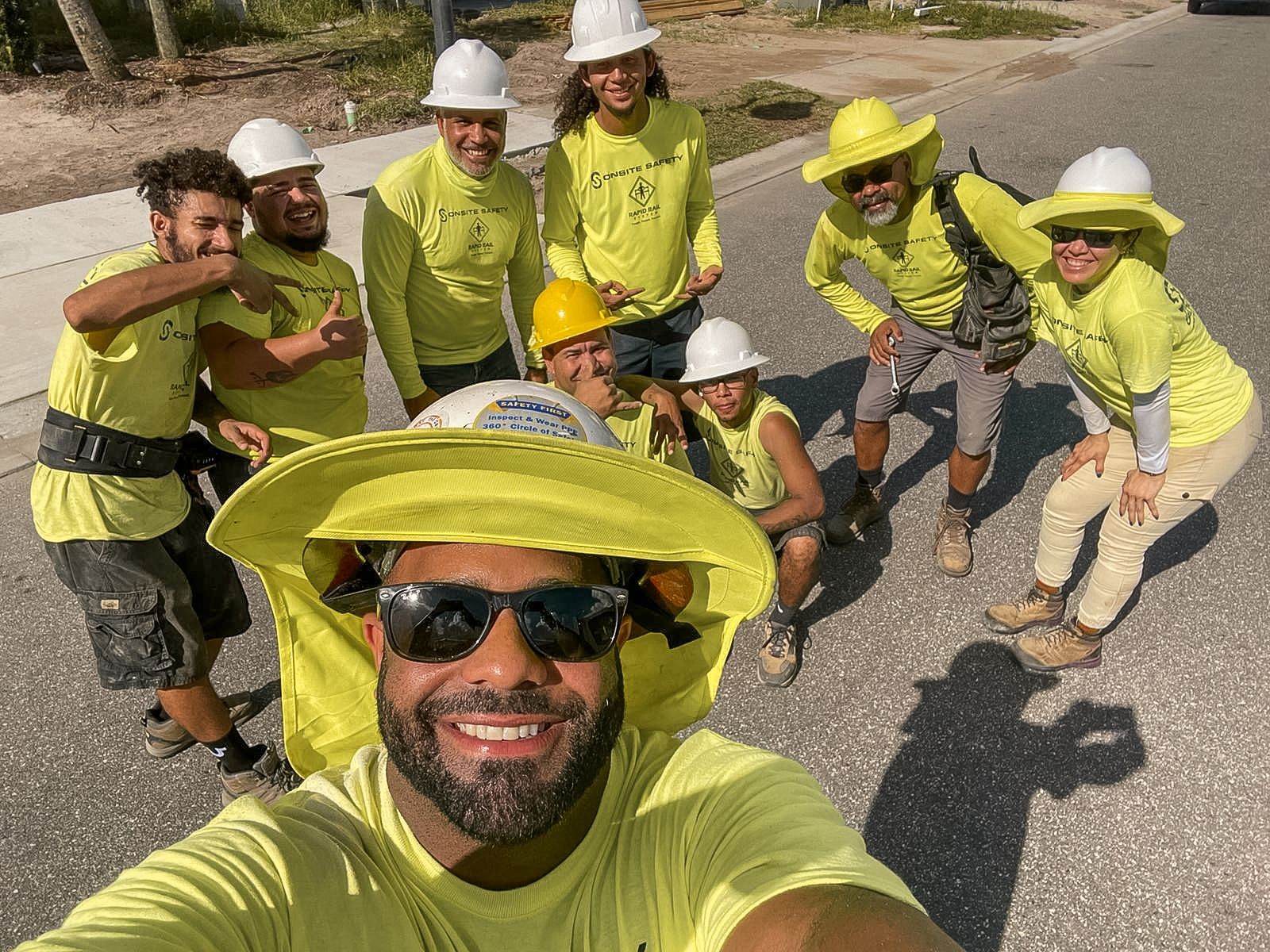
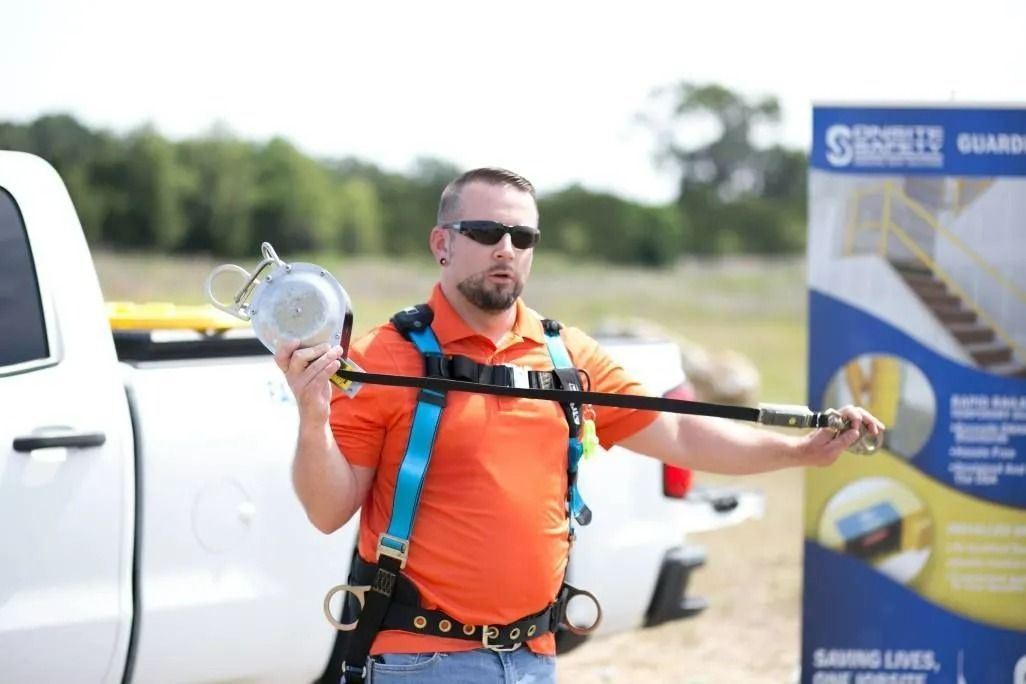
5. Training and Orientation
We provide hands-on instruction for your team on how to properly inspect, connect to, and use the installed anchorage system.
6. Documentation Package
You receive a comprehensive closeout binder containing system drawings, test results, warranties, and user manuals for future reference.
1. Site Assessment
We evaluate your roof or structure, map hazards, and determine the anchors needed.
2. Engineering Review
Anchors are selected or custom-engineered
3. Professional Installation
Our certified technicians securely install your anchor system according to engineering specifications and safety standards.
4. Load Testing and Certification
We perform rigorous pull-testing on installed anchors to verify capacity and issue formal certification for compliance.
5. Training and Orientation
We provide hands-on instruction for your team on how to properly inspect, connect to, and use the installed anchorage system.
6. Documentation Package
You receive a comprehensive closeout binder containing system drawings, test results, warranties, and user manuals for future reference.
FAQs
Answers to the most common questions from residential contractors, commercial builders, and jobsite safety teams.
At what height does OSHA require edge protection in residential construction?
Under OSHA 1926.501(b)(13), employees engaged in residential construction activities 6 feet or more above lower levels must be protected by guardrail systems, safety net systems, or personal fall arrest systems.
Can I use slide guards instead of harnesses on a steep roof?
OSHA previously allowed slide guards as a primary fall protection method, but the current directive (STD 03-11-002) requires residential roofers to use conventional fall protection (guardrails, nets, or personal fall arrest systems) regardless of the roof pitch.
What is considered a "leading edge" in home building?
A leading edge is the unprotected end of a floor, roof, or formwork that changes location as additional sections are placed. For example, as a framer lays down plywood roof decking, the edge of that newly laid wood is the leading edge.
How close to the roof edge can you work without fall protection?
On residential construction sites, if you are exposed to a fall hazard of 6 feet or more, you must have fall protection regardless of your distance to the edge, unless you are using a strictly regulated warning line system on a low-slope roof (typically set 6 to 15 feet back).
View all FAQs →
OUTCOMES
Eliminate the risk. Protect your residential crews.
By implementing proactive edge protection, you remove the hesitation that comes with working at heights. A fully secured perimeter allows your framers and roofers to focus entirely on building the home, boosting daily output while drastically reducing your liability.
Secure Your Perimeter Today
Request a residential quote or talk with a safety specialist today.

 FREE INSTANT ESTIMATE