

Fall Arrest & Fall Protection
Complete, OSHA-compliant fall safety solutions engineered specifically for the unique demands of home builders, residential framers, and roofing contractors.
Stop falls before they happen. Arrest them safely if they do.
Residential construction is consistently targeted for high safety violations.
Working on steep roof pitches, open floor joists, and custom home framing presents unique hazards that differ entirely from flat commercial sites. In the fast-paced residential sector, trades often view safety gear as a bottleneck to production.
Our residential fall protection and arrest systems are built to bridge that gap. We offer a combination of passive safety barriers to keep crews moving fast, alongside specialized active tie-off gear for roofers and framers working directly on the edge.
Fall Protection vs. Fall Arrest in Residential Builds
Fall Protection generally refers to passive systems—like temporary guardrails around a stairwell or roof catch platforms—that physically prevent a worker from reaching an unprotected edge. Fall Arrest refers to active, personal gear (harnesses, lanyards, and roof anchors) designed to safely catch and suspend a worker mid-air if they actually slip off a roof or truss.
Comprehensive residential safety plans cover:
- Roof decking, sheathing, and shingle application
- Setting wooden or steel roof trusses
- Installing second-story exterior siding and windows
- Working near unguarded stairwells and lofts
Built For Home Builders
Protection designed for wood framing and steep pitches
Residential homes lack the heavy steel I-beams of commercial sites, requiring specialized anchors that safely distribute fall forces across wooden rafters and trusses without causing structural damage.
- Solutions for standard 4/12 up to extremely steep pitches
- Temporary ridge anchors that don't damage underlayment
- Ensures strict adherence to the OSHA 6-foot rule
- Provides gear tailored for framers, roofers, and HVAC trades
- Complete training on proper harness fit and inspection
THE ONSITE SAFETY DIFFERENCE
A Complete Toolkit for Residential Safety
We supply the right mix of active and passive gear tailored to your specific phase of home construction.
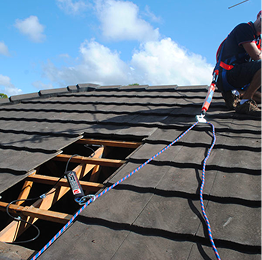
Personal Fall Arrest Systems (PFAS)
The essential active safety kit for roofers, combining a roof anchor, a full-body harness, and an energy-absorbing lanyard or rope grab to safely stop a fall.
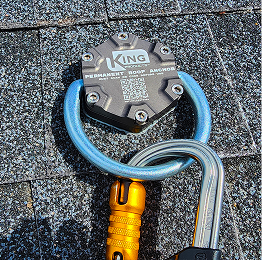
Temporary Guardrails
Passive safety rails installed around stairwells, balconies, and flat roof sections. These eliminate the need for workers to wear harnesses in designated areas.
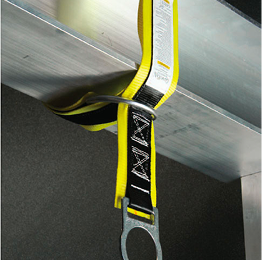
Reusable & Disposable Anchors
Hinged steel anchors that nail directly into roof trusses. Some are designed to be removed and reused, while others are bent over and left under the final shingles.
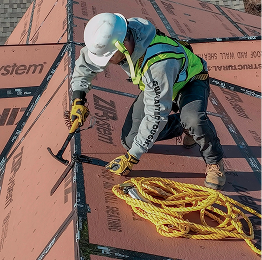
Catch Platforms & Netting
Scaffold-like catches installed just below the roof eave, providing a physical barrier that stops sliding workers or materials on steep-slope roofs.
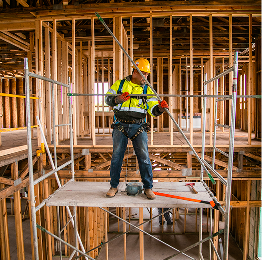
Self-Retracting Lifelines (SRLs)
Heavy-duty retractables that provide greater mobility than static lanyards, automatically locking up within inches if a framer or roofer suddenly slips.
HOW IT WORKS
Implementing the ABCs of fall protection. Handing a worker a harness is not enough. We ensure your site has a cohesive plan that properly utilizes Anchorages, Body wear, and Connectors.
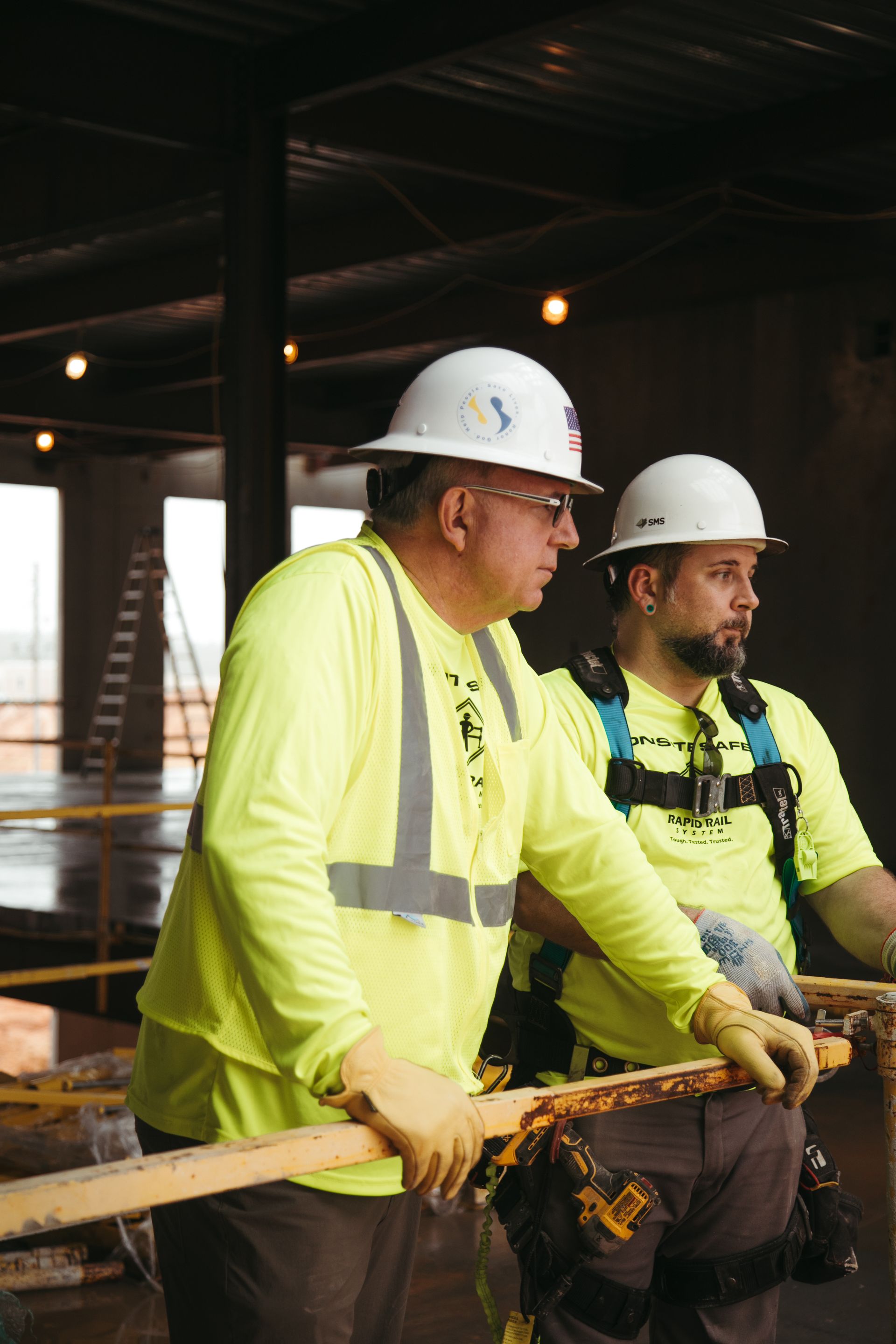
1. Site Assessment
We evaluate your roof or structure, map hazards, and determine the anchors needed.
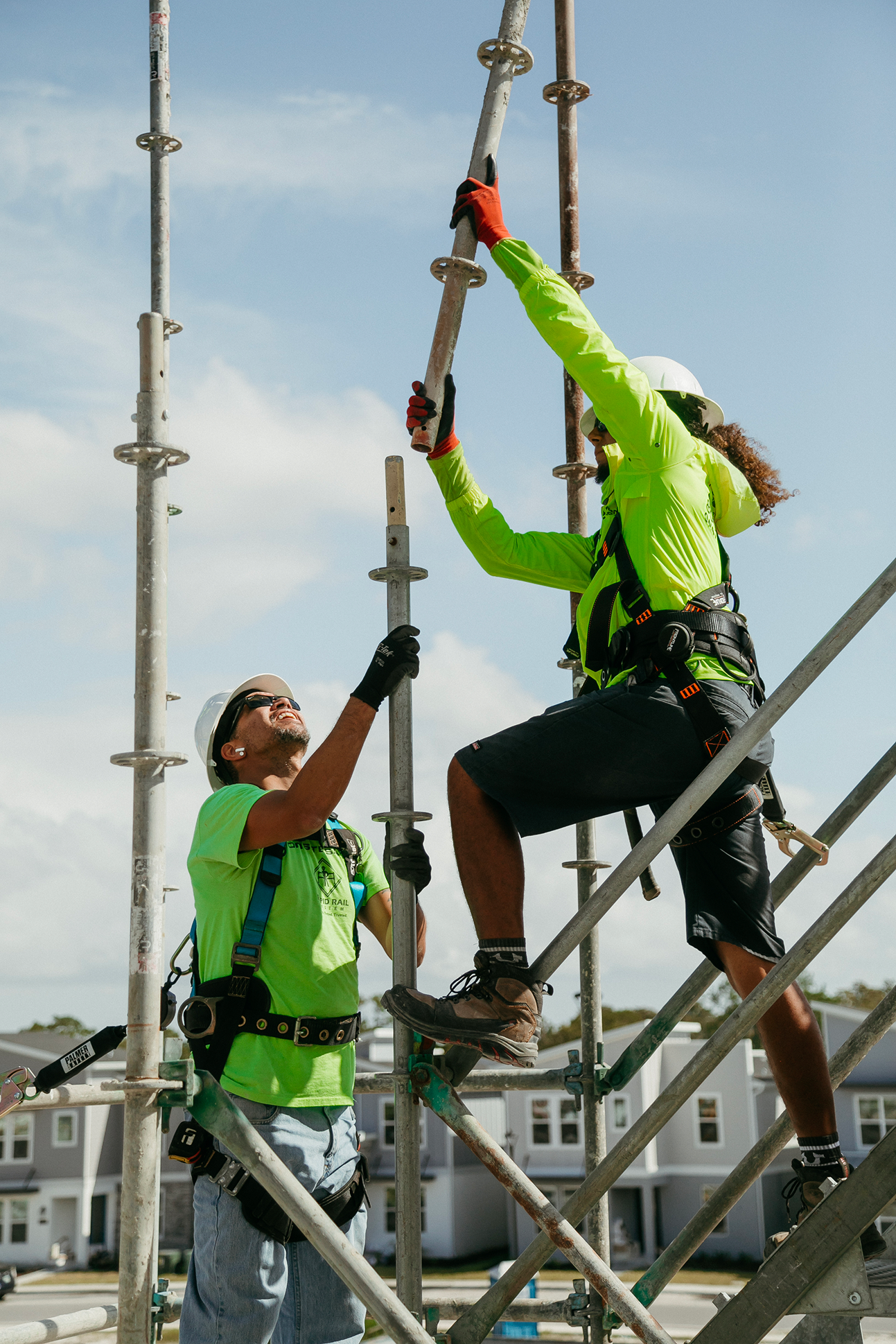
2. Engineering Review
Anchors are selected or custom-engineered
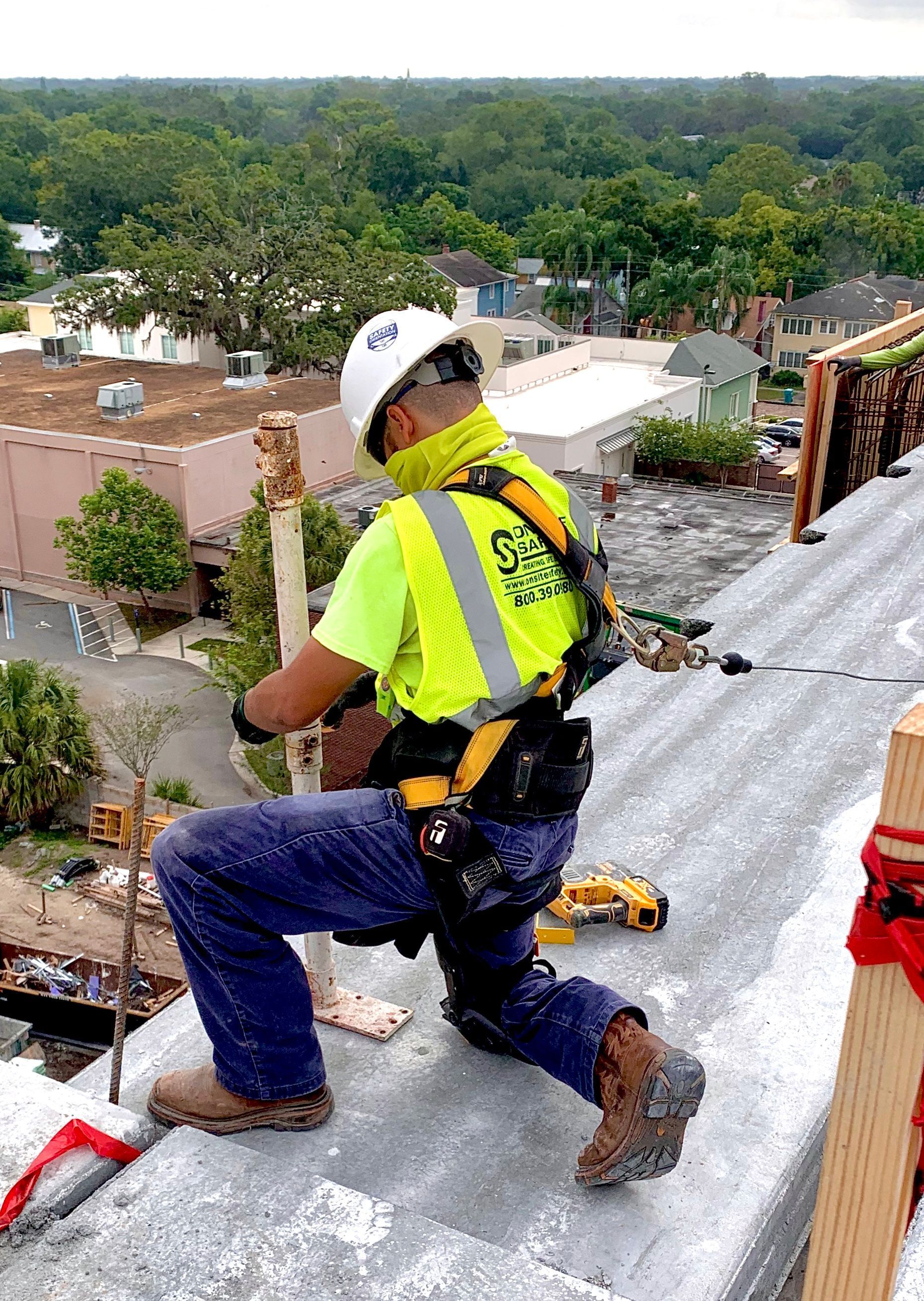
3. Professional Installation
Our certified technicians securely install your anchor system according to engineering specifications and safety standards.
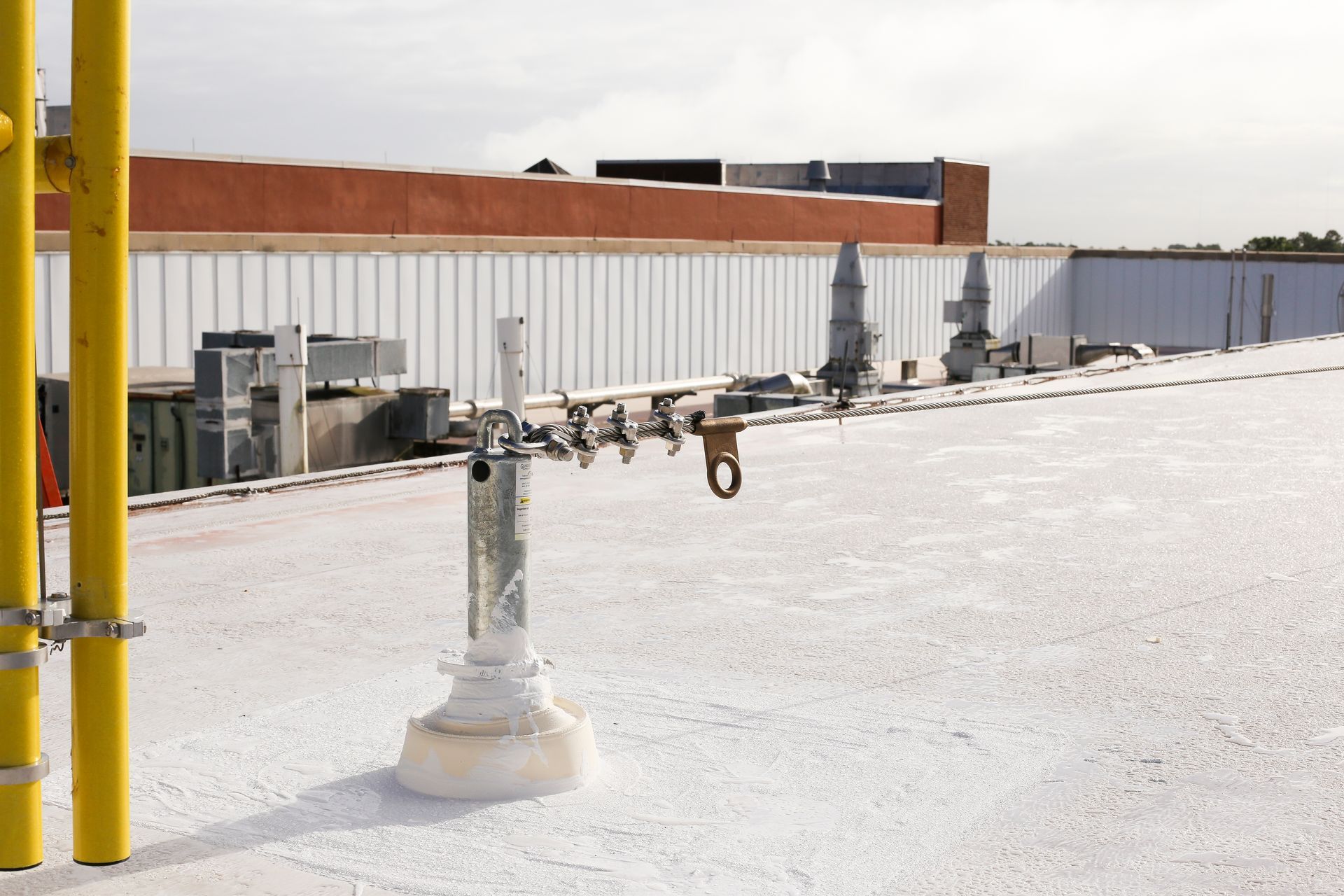
4. Load Testing and Certification
We perform rigorous pull-testing on installed anchors to verify capacity and issue formal certification for compliance.
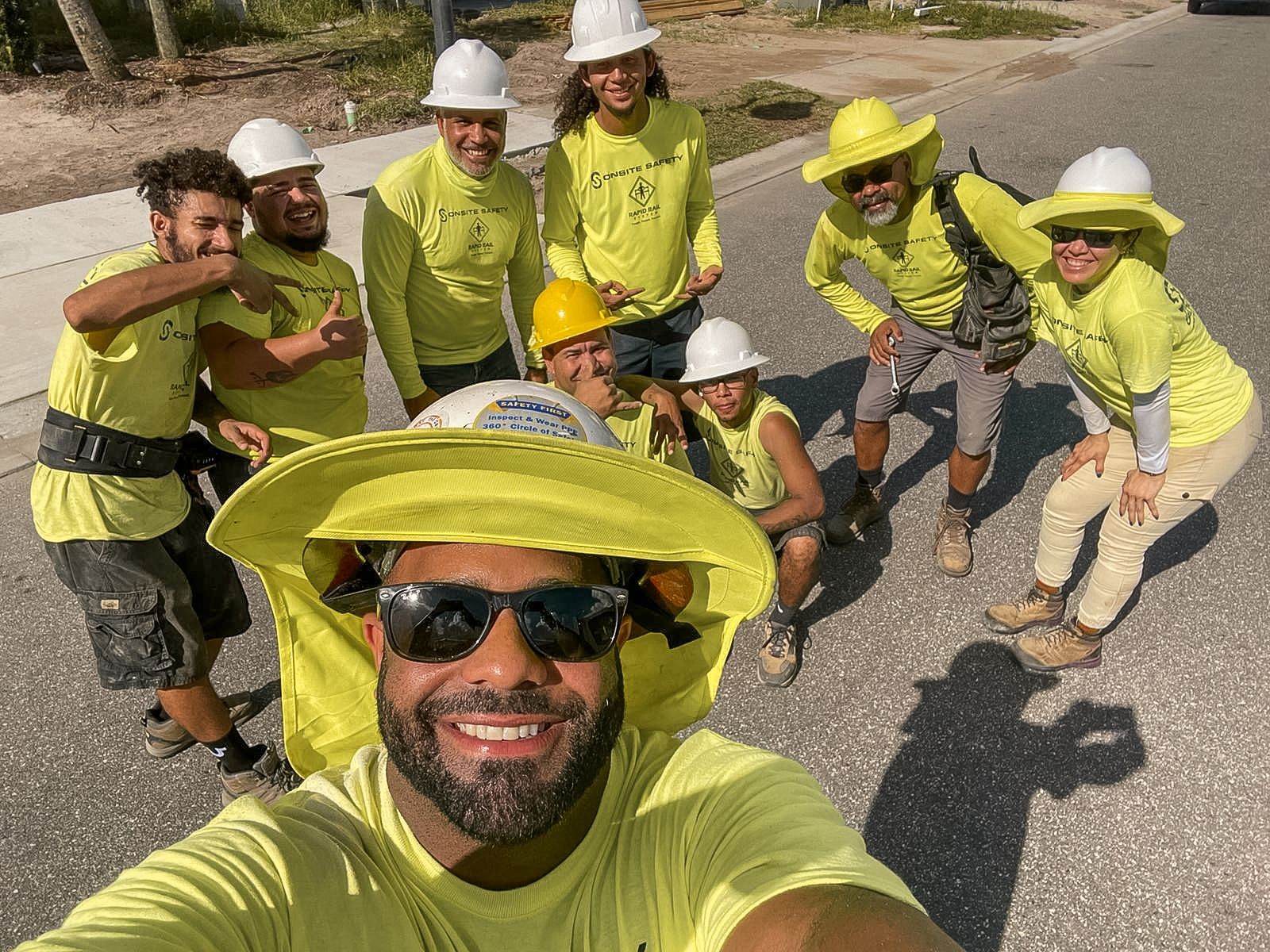
5. Training and Orientation
We provide hands-on instruction for your team on how to properly inspect, connect to, and use the installed anchorage system.
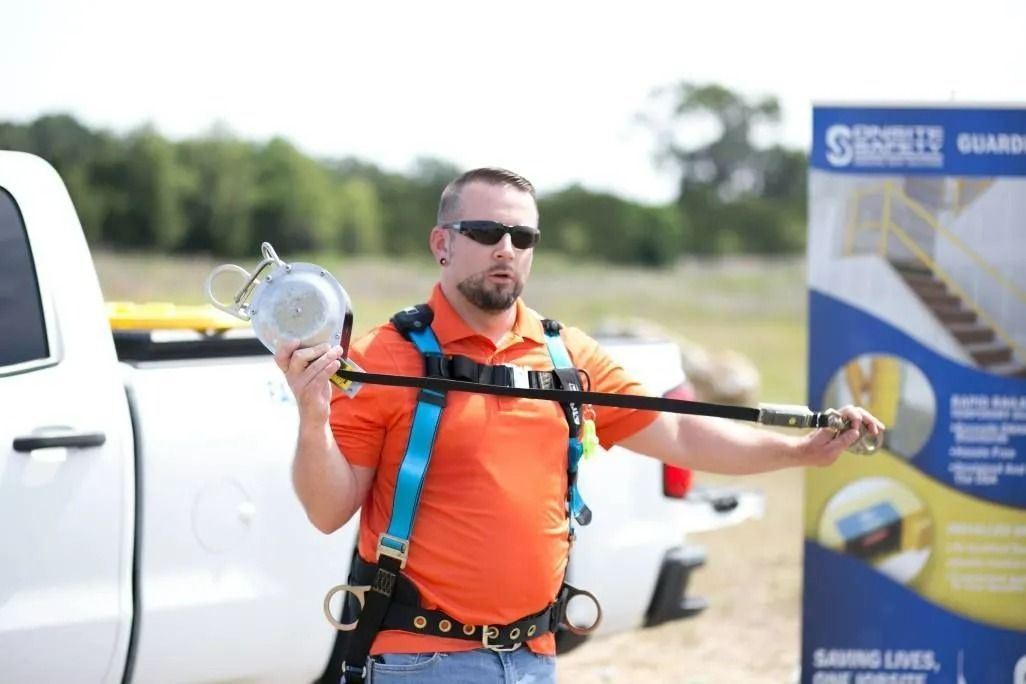
6. Documentation Package
You receive a comprehensive closeout binder containing system drawings, test results, warranties, and user manuals for future reference.
1. Site Assessment
We evaluate your roof or structure, map hazards, and determine the anchors needed.
2. Engineering Review
Anchors are selected or custom-engineered
3. Professional Installation
Our certified technicians securely install your anchor system according to engineering specifications and safety standards.
4. Load Testing and Certification
We perform rigorous pull-testing on installed anchors to verify capacity and issue formal certification for compliance.
5. Training and Orientation
We provide hands-on instruction for your team on how to properly inspect, connect to, and use the installed anchorage system.
6. Documentation Package
You receive a comprehensive closeout binder containing system drawings, test results, warranties, and user manuals for future reference.
FAQs
Answers to the most common questions from residential contractors, commercial builders, and jobsite safety teams.
At what height is fall protection required in residential construction?
Under OSHA 1926.501(b)(13), workers engaged in residential construction activities 6 feet or more above lower levels must be protected by guardrail systems, safety net systems, or personal fall arrest systems.
Do residential roofers always have to wear a harness?
Not necessarily. While a Personal Fall Arrest System (harness) is the most common method, OSHA allows for alternative methods like properly installed guardrails or catch platforms. If working on a steep roof (greater than 4/12 pitch), tie-off or catch systems are strictly enforced.
What makes up a Personal Fall Arrest System (PFAS)?
A PFAS consists of the "ABCs": Anchorage (a secure point like a roof bracket), Body Wear (a full-body harness), and a Connecting Device (a shock-absorbing lanyard or vertical lifeline with a rope grab).
How do you properly anchor to a residential roof?
Anchors must be installed according to the manufacturer's instructions, which typically requires driving specific fasteners (often 16d nails or structural screws) directly into a rafter or truss, not just the plywood sheathing. The anchor must be capable of supporting 5,000 lbs per attached worker.
View all FAQs →
OUTCOMES
Protect your crews and your bottom line.
OSHA fines for residential fall protection violations routinely cost builders tens of thousands of dollars. By integrating proper fall arrest and protection systems into your build schedule, you keep your crews safe, your site compliant, and your housing projects moving without costly shutdowns.
Secure Your Residential Site
Request a residential quote or talk with a safety specialist today.

 FREE INSTANT ESTIMATE