

GUARDRAILS
OSHA-compliant temporary guardrail systems designed to protect residential construction crews working on elevated decks, steep roofs, and stairways.
Secure the perimeter. Protect your trades.
Residential construction moves fast, and unprotected edges are a major liability.
Harnesses and lanyards slow framing and roofing crews down, limit mobility, and are frequently misused. Temporary residential guardrails provide passive fall protection, meaning workers can move freely across the jobsite without constantly needing to tie off.
Our rapid-deploy guardrail systems secure roof edges, balconies, and stairwells—speeding up the build while ensuring complete OSHA compliance and worker safety.
What Are Residential Temporary Guardrails?
Temporary guardrails are physical barriers erected around leading edges, stairwells, and roof perimeters during home construction. They are considered "passive" fall protection, completely eliminating the need for active Personal Fall Arrest Systems (PFAS) like anchors and harnesses, making them ideal for multi-trade residential worksites.
Common residential applications include:
- Steep-slope and low-slope roof edge protection
- Custom home framing and second-story decking
- Unfinished interior stairwells and lofts
- Exposed exterior balconies and elevated patios
Built For Home Builders
Heavy-duty protection that won't slow you down
Our residential guardrails are lightweight enough for fast installation but engineered to meet heavy-duty safety standards. They easily adapt as your build progresses from rough framing to final finish.
- Fast clamp-on, bolt-down, and face-mount options
- No penetrations required on finished membrane surfaces
- Utilizes construction-grade 2x4s or steel rails
- Meets OSHA 1926.502(b) 200 lb. force requirements
- Easily uninstalled and moved to the next housing tract
THE ONSITE SAFETY DIFFERENCE
Types of Residential Guardrail Systems
We provide a versatile range of mounting solutions tailored to the unique framing and architectural details of residential homes.
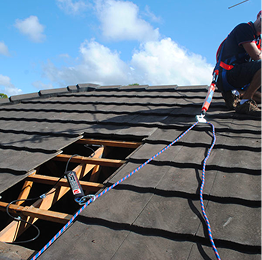
Roof Perimeter Brackets
Steel brackets that mount directly under the eaves or to the fascia board, allowing you to build a secure 2x4 barrier around the entire roofline for roofers.
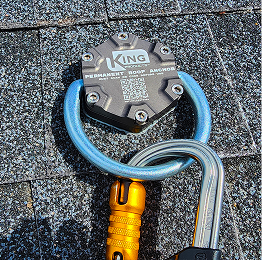
Stairwell & Loft Rails
Fast-mounting indoor systems designed to secure open staircases, landings, and second-story loft drops before the permanent decorative railings arrive.
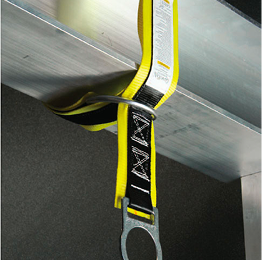
Clamp-On Slab Rails
Ideal for multi-family residential foundations and concrete balconies. The heavy-duty C-clamp grips the concrete edge securely without requiring drilling.
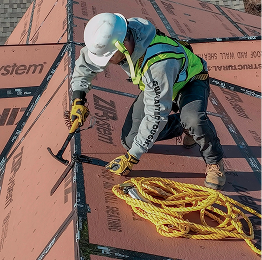
Steep-Pitch Catch Systems
Specialized barriers placed at the roof's eave designed to act as a "catch" to prevent workers, materials, and tools from sliding off steep-pitched roofs.
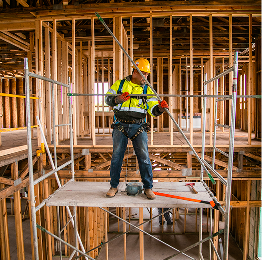
Window & Door Barricades
Adjustable expanding bars installed inside large, unfinished second-story window and door frames to prevent accidental walk-through falls.
HOW IT WORKS
Seamless integration with your build schedule. We handle the safety so your superintendents can handle the schedule. Our deployment process ensures zero delays for your framing and roofing crews.
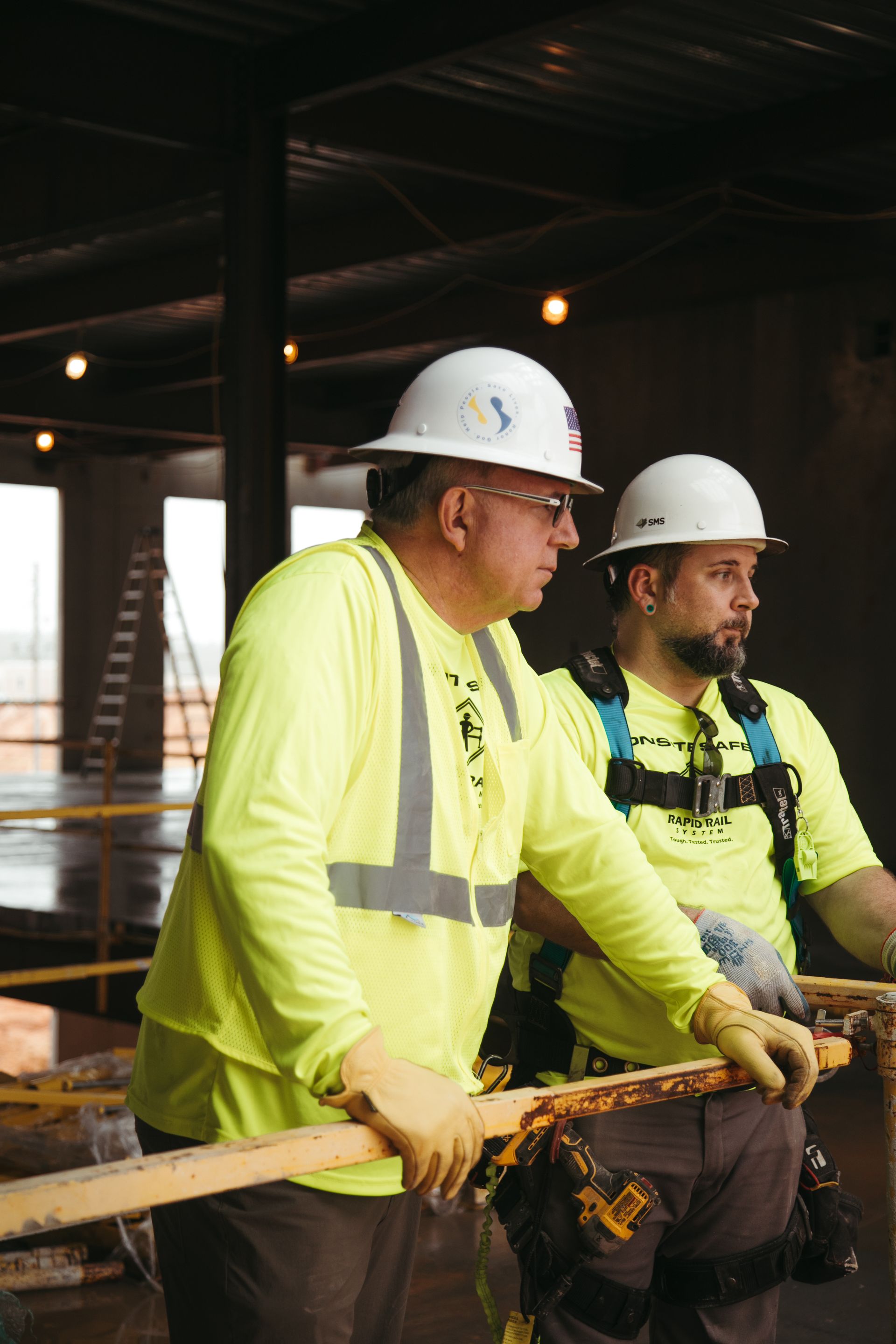
1. Site Assessment
We evaluate your roof or structure, map hazards, and determine the anchors needed.
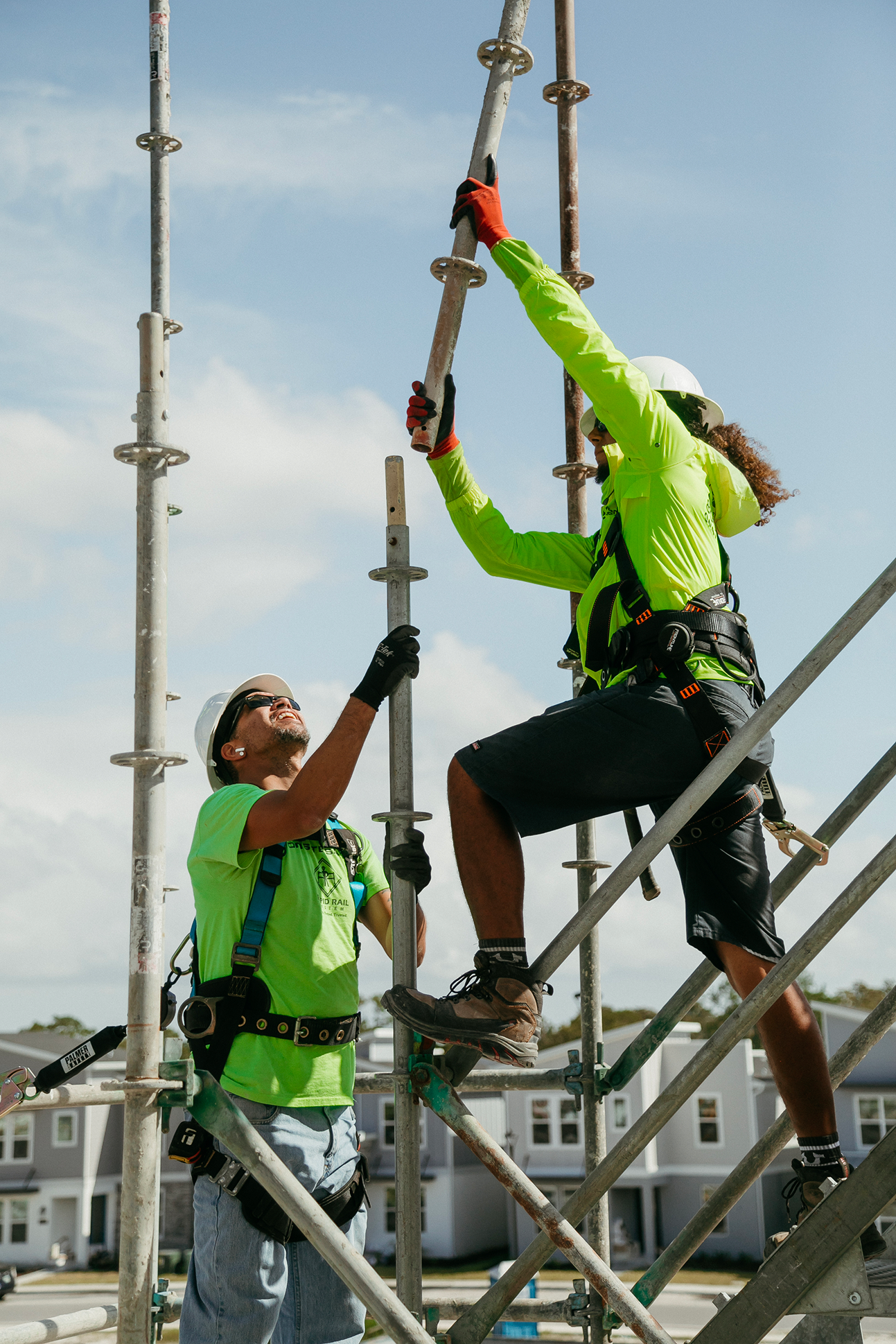
2. Engineering Review
Anchors are selected or custom-engineered
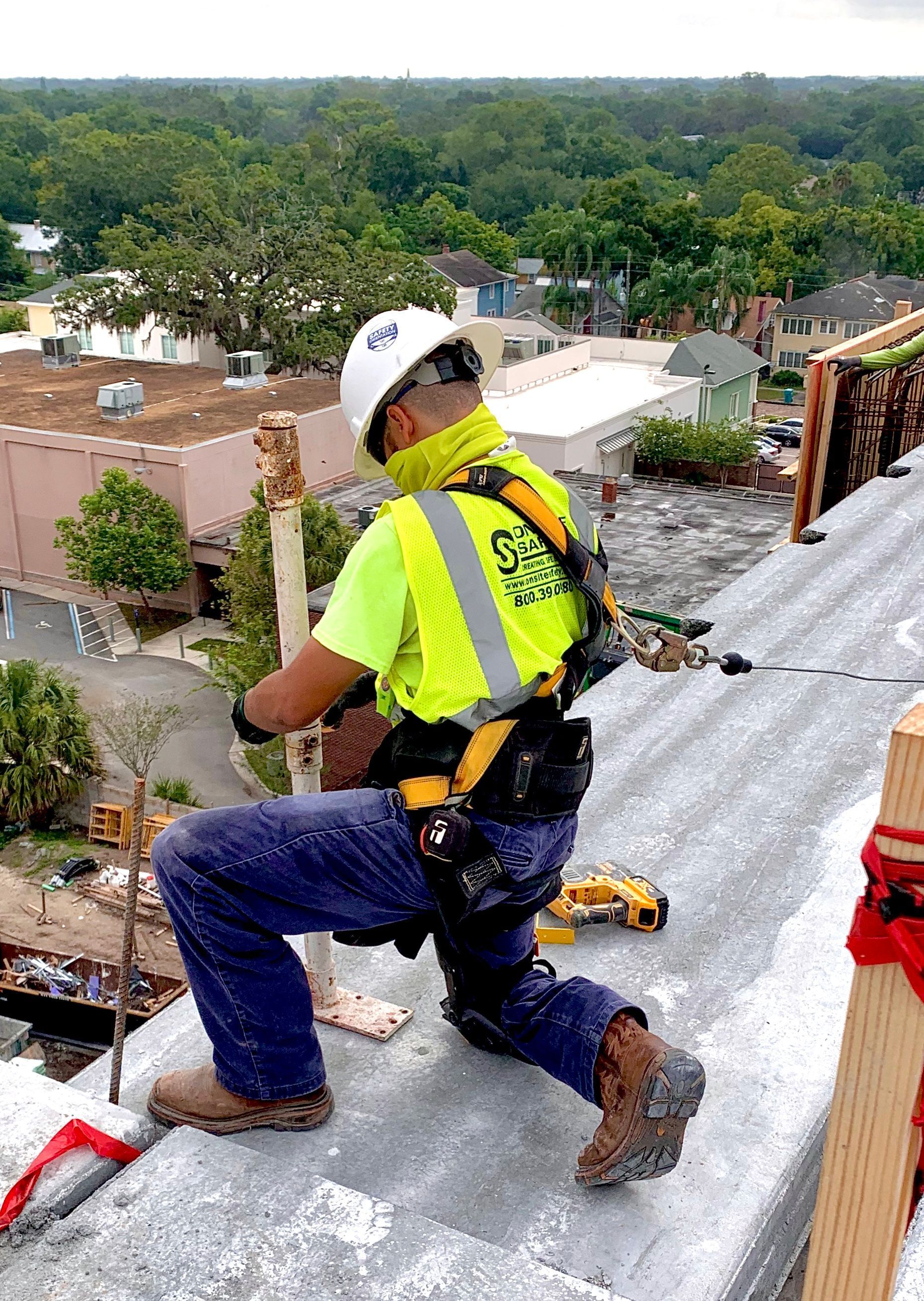
3. Professional Installation
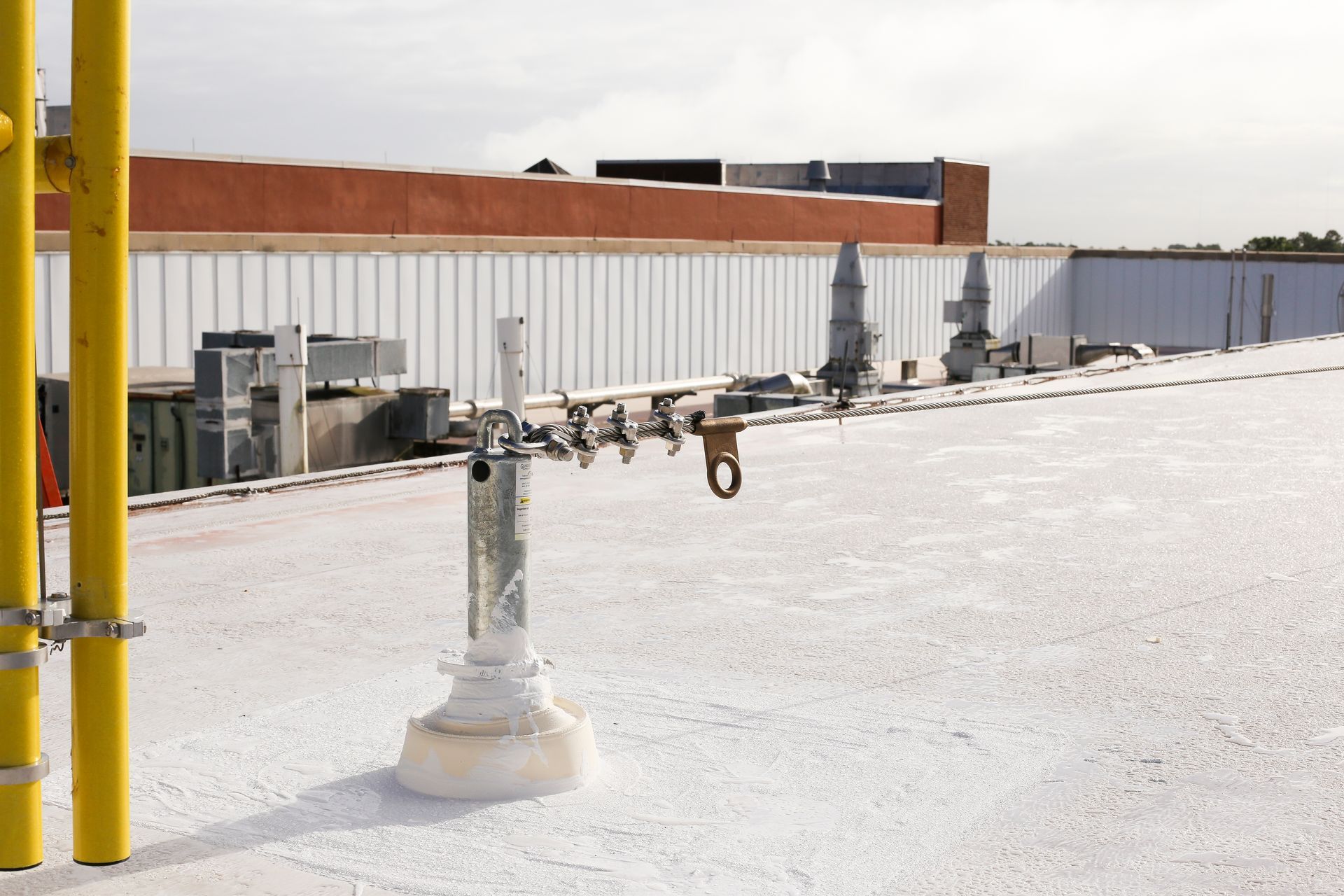
Our certified technicians securely install your anchor system according to engineering specifications and safety standards.
4. Load Testing and Certification
We perform rigorous pull-testing on installed anchors to verify capacity and issue formal certification for compliance.
5. Training and Orientation
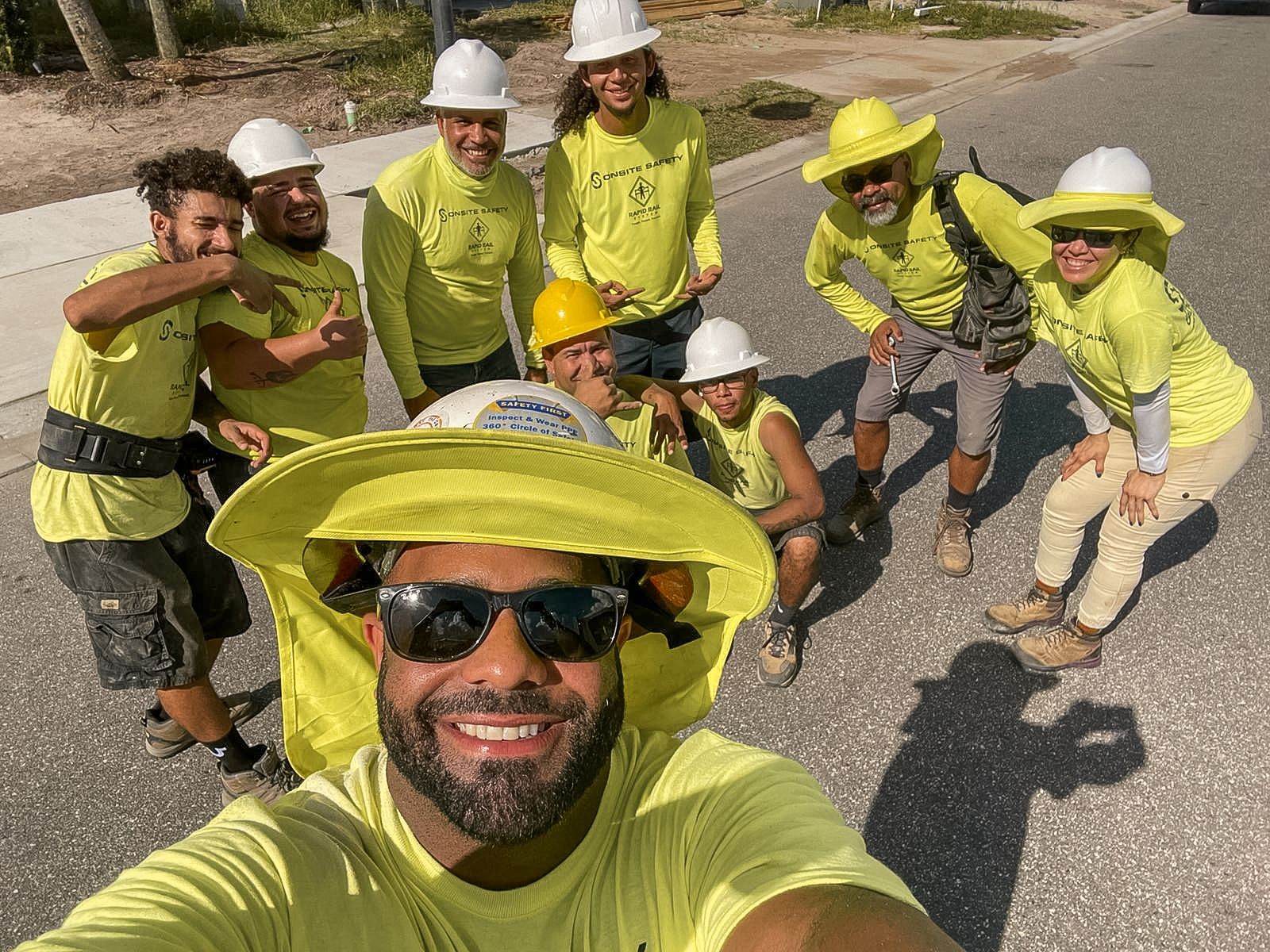
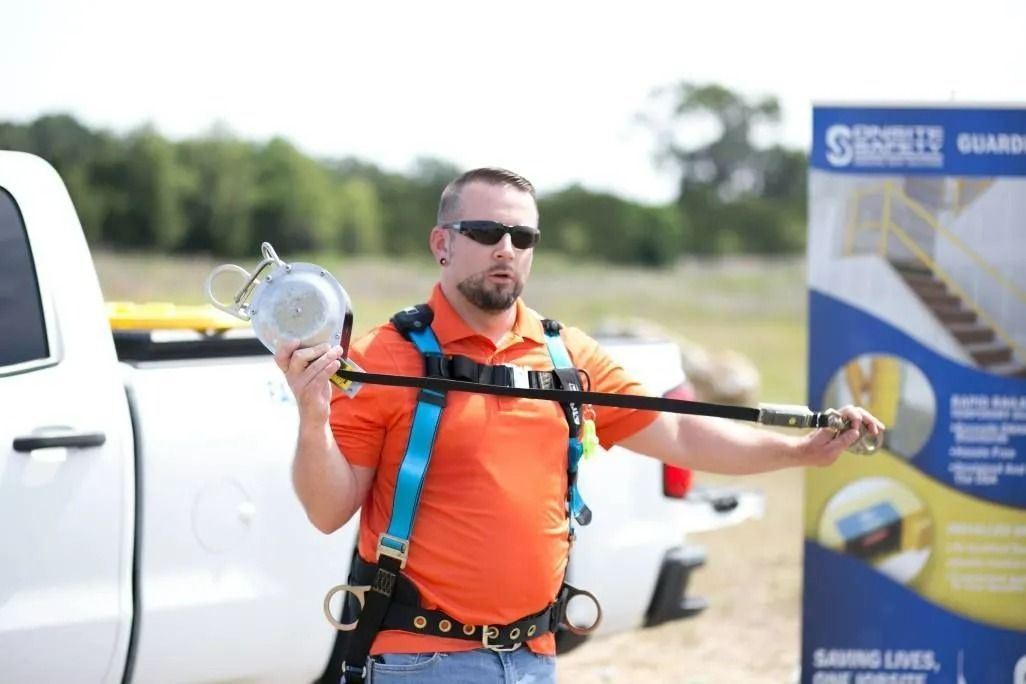
We provide hands-on instruction for your team on how to properly inspect, connect to, and use the installed anchorage system.
6. Documentation Package
You receive a comprehensive closeout binder containing system drawings, test results, warranties, and user manuals for future reference.
1. Site Assessment
We evaluate your roof or structure, map hazards, and determine the anchors needed.
2. Engineering Review
Anchors are selected or custom-engineered
3. Professional Installation
Our certified technicians securely install your anchor system according to engineering specifications and safety standards.
4. Load Testing and Certification
We perform rigorous pull-testing on installed anchors to verify capacity and issue formal certification for compliance.
5. Training and Orientation
We provide hands-on instruction for your team on how to properly inspect, connect to, and use the installed anchorage system.
6. Documentation Package
You receive a comprehensive closeout binder containing system drawings, test results, warranties, and user manuals for future reference.
FAQs
Answers to the most common questions from residential contractors, commercial builders, and jobsite safety teams.
At what height are guardrails required in residential construction?
Under OSHA standard 1926.501, fall protection (such as guardrails) is required for residential construction workers engaged in activities 6 feet or more above lower levels.
Can you use 2x4s for temporary guardrails?
Yes. Construction-grade lumber (2x4s) is widely accepted for temporary top rails and midrails, provided the lumber is defect-free and the completed system can withstand 200 lbs of downward and outward force.
How tall do temporary guardrails need to be?
OSHA regulations dictate that the top edge height of top rails must be 42 inches (plus or minus 3 inches) above the walking or working level. Midrails must be installed halfway between the top rail and the floor.
Do residential home builders really get fined by OSHA?
Yes, frequently. Fall protection is consistently OSHA's number one most cited violation. Residential builders, framing contractors, and roofers routinely face severe fines for failing to provide adequate edge protection and stairwell guarding.
View all FAQs →
OUTCOMES
Keep trades moving. Avoid costly OSHA fines.
Passive fall protection is the most effective way to secure a residential site. By installing temporary guardrails, you eliminate the daily hassle of harness inspections and limited mobility—allowing your framers, roofers, and HVAC crews to work faster and safer.
Protect Your Next Residential Build
Request a residential quote or talk with a safety specialist today.

 FREE INSTANT ESTIMATE