

LIFELINES
OSHA-compliant temporary residential lifelines engineered to provide continuous fall protection for roofing, framing, and home construction crews.
Continuous protection. Unrestricted mobility across the roof.
Residential roofing and framing are high-risk jobs.
Traditional single-point anchor tie-offs restrict movement and force workers to constantly unhook and rehook as they move across a roofline. This process not only slows down production but creates dangerous gaps in fall coverage.
Our residential horizontal and vertical lifeline systems offer a continuous connection point. By utilizing mobile rope grabs and shuttles, your tradesmen can safely walk the entire span of a steep roof or second-story deck while staying 100% tied off.
What Are Residential Temporary Guardrails?
A residential lifeline is a tensioned rope or cable system securely attached to structural anchor points on a home (such as the roof ridge). Workers connect their lanyards or self-retracting lifelines (SRLs) to a mobile device that travels along the line, providing a safe, designated pathway across the hazard zone without the need to disconnect.
Common residential lifeline applications include:
- Steep-slope residential roofing and tear-offs
- Custom home framing and truss installation
- Second-story decking, sheathing, and siding
- Solar panel installation and exterior maintenance
Built For Home Builders
Lifeline systems built for speed and residential safety
We design and install temporary and reusable lifeline systems that move with your crews from one housing tract to the next, ensuring maximum protection without damaging finished roofing materials.
- Temporary horizontal rope and cable systems
- Vertical lifelines for safe ladder and scaffold ascents
- Multi-span systems for larger custom homes
- Meets or exceeds OSHA 1926 Subpart M requirements
- Non-damaging anchor integrations for trusses and rafters
THE ONSITE SAFETY DIFFERENCE
Types of Residential Lifeline Systems
We provide a variety of high-strength synthetic and cable lines tailored to the steepness and scale of your residential builds.
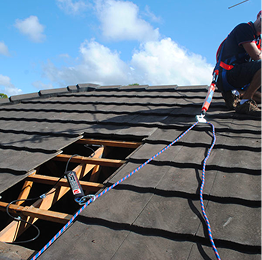
Temporary Horizontal Lifelines (HLL)
Heavy-duty rope or cable spans strung between two roof ridge anchors, allowing roofers to move laterally across the entire roof plane continuously.
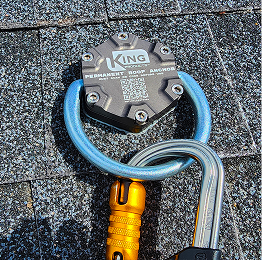
Vertical Lifelines (VLL)
Hanging synthetic ropes used with trailing rope grabs, perfect for safely climbing up and down steep pitches, tall ladders, or scaffolding.
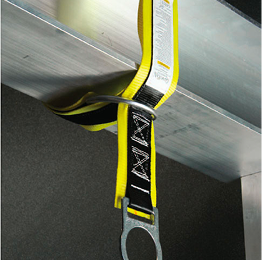
Reusable Rope Systems
Durable, UV-resistant 5/8" synthetic lifelines that can be easily detached, coiled, and transported to the next home build by your framing crews.
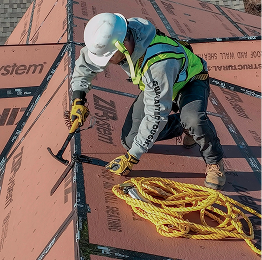
Retractable Lifelines (SRLs)
Devices that attach to the main anchor or lifeline and function like a seatbelt, pulling out as the worker moves and locking rapidly during a sudden slip.
Permanent Roof Lifelines
Discreet cable systems left in place for high-end residential properties requiring ongoing, safe access for solar arrays, gutters, or HVAC maintenance.
HOW IT WORKS
Expert installation for reliable fall arrest. A lifeline is only as strong as its anchors and proper tensioning. We handle the physics of fall clearance so your crews can focus on building the house.
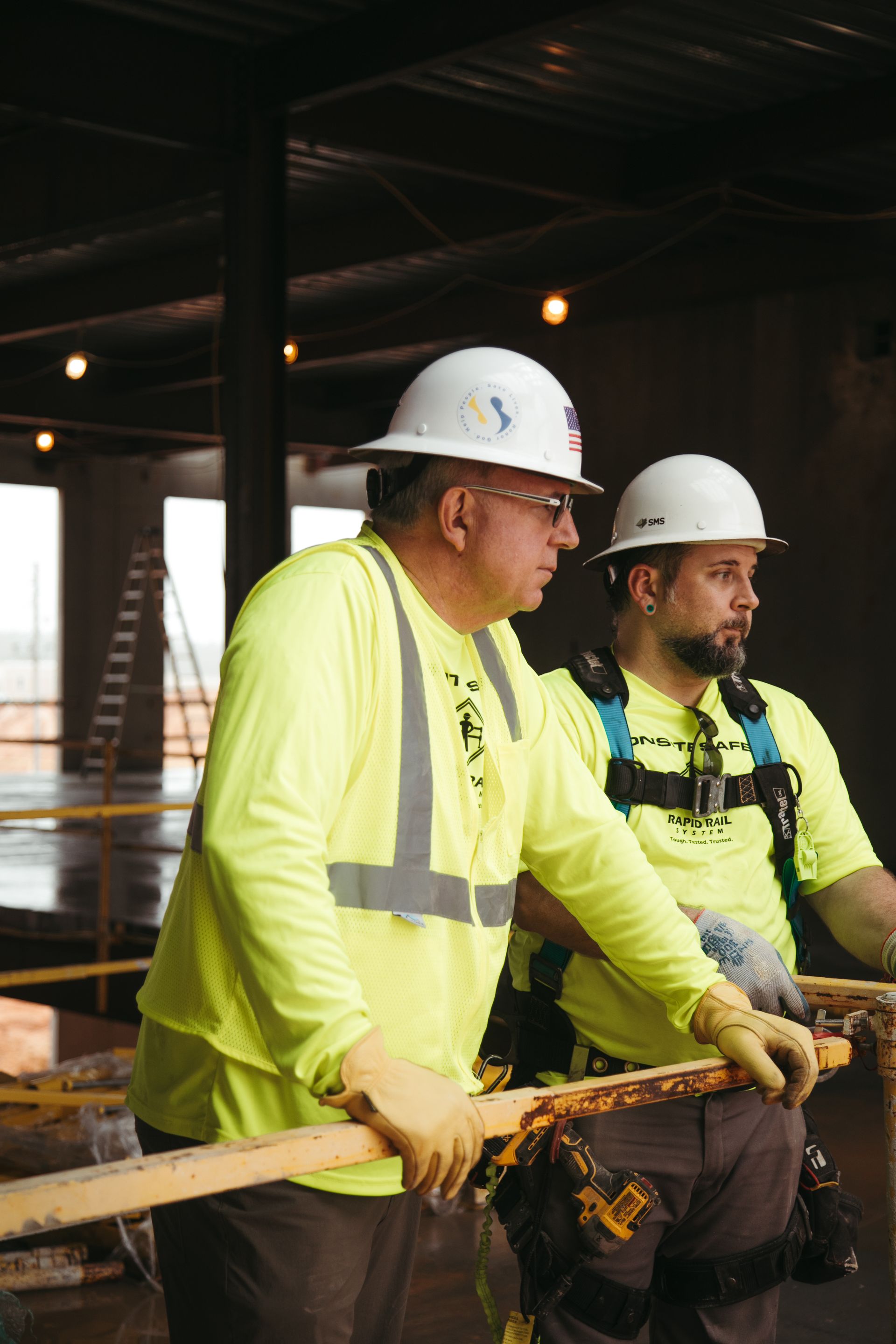
1. Site Assessment
We evaluate your roof or structure, map hazards, and determine the anchors needed.
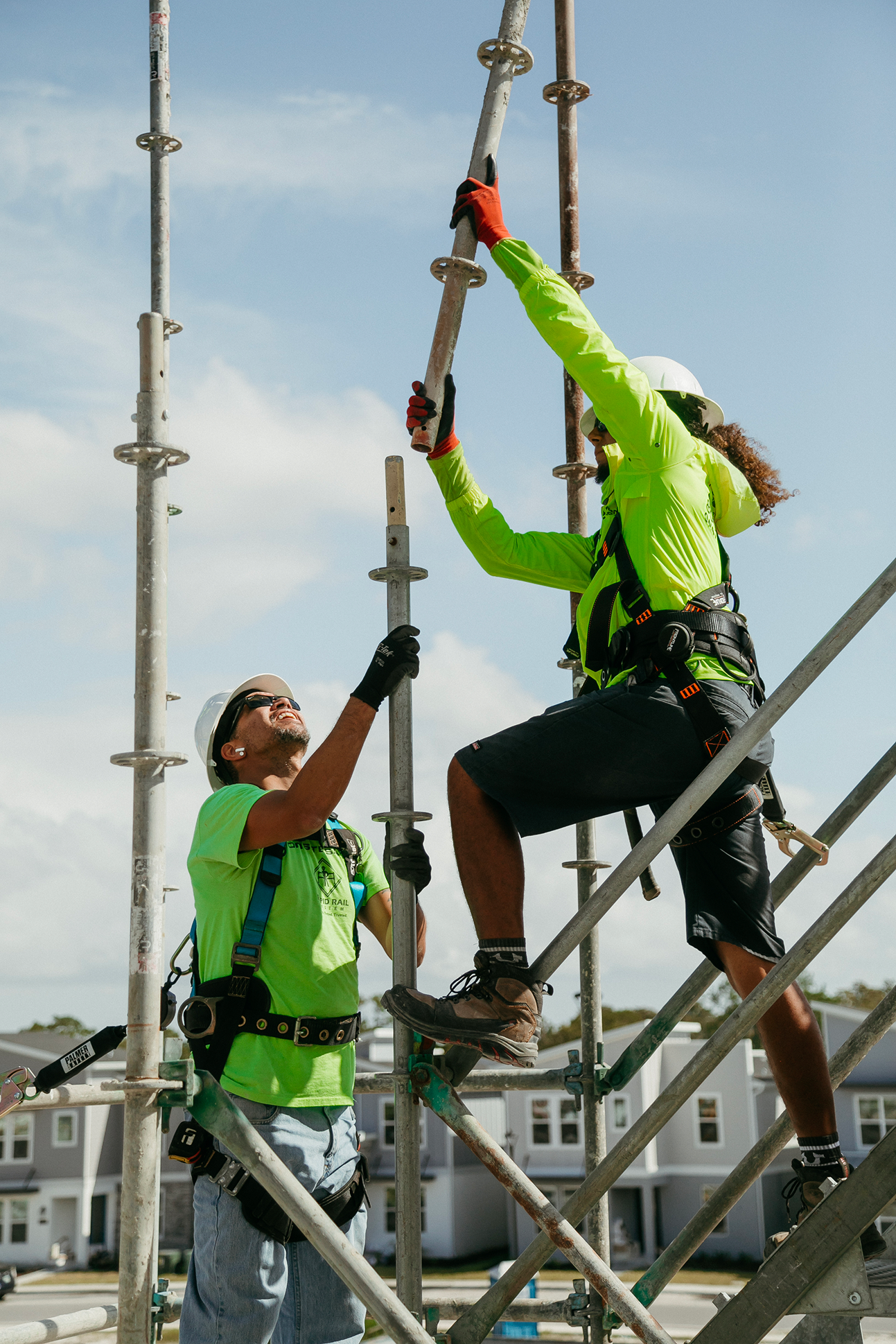
2. Engineering Review
Anchors are selected or custom-engineered
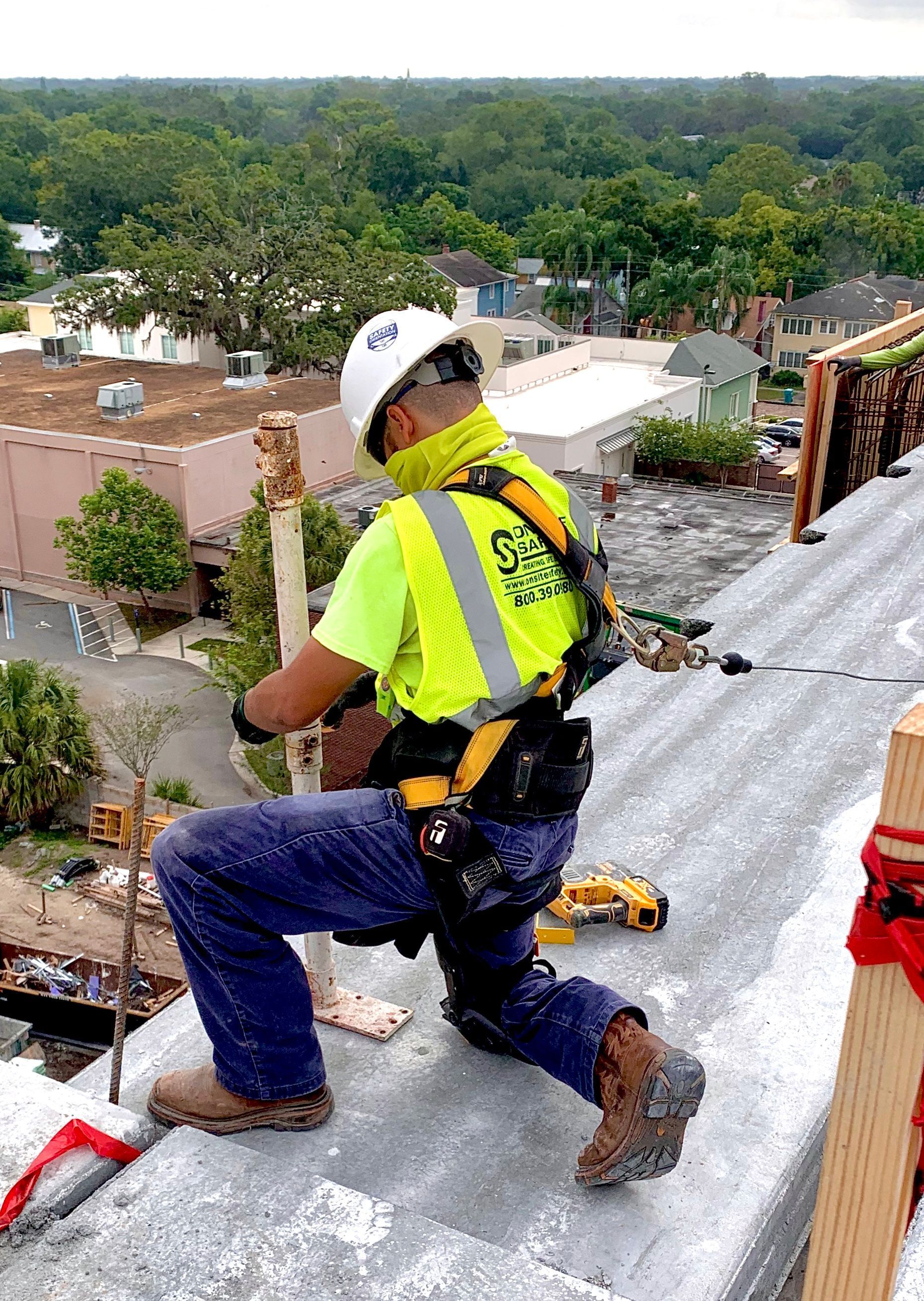
3. Professional Installation
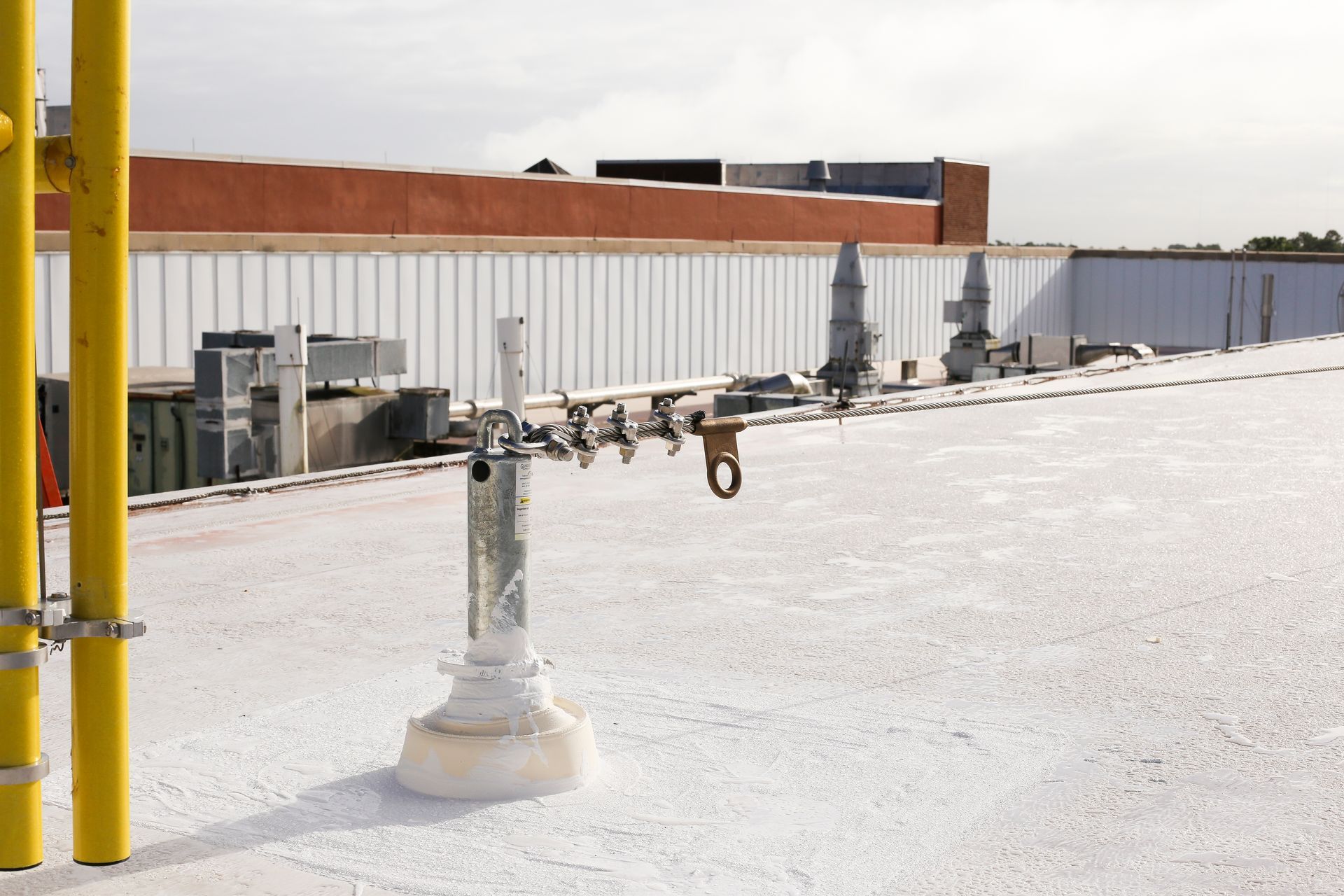
Our certified technicians securely install your anchor system according to engineering specifications and safety standards.
4. Load Testing and Certification
We perform rigorous pull-testing on installed anchors to verify capacity and issue formal certification for compliance.
5. Training and Orientation
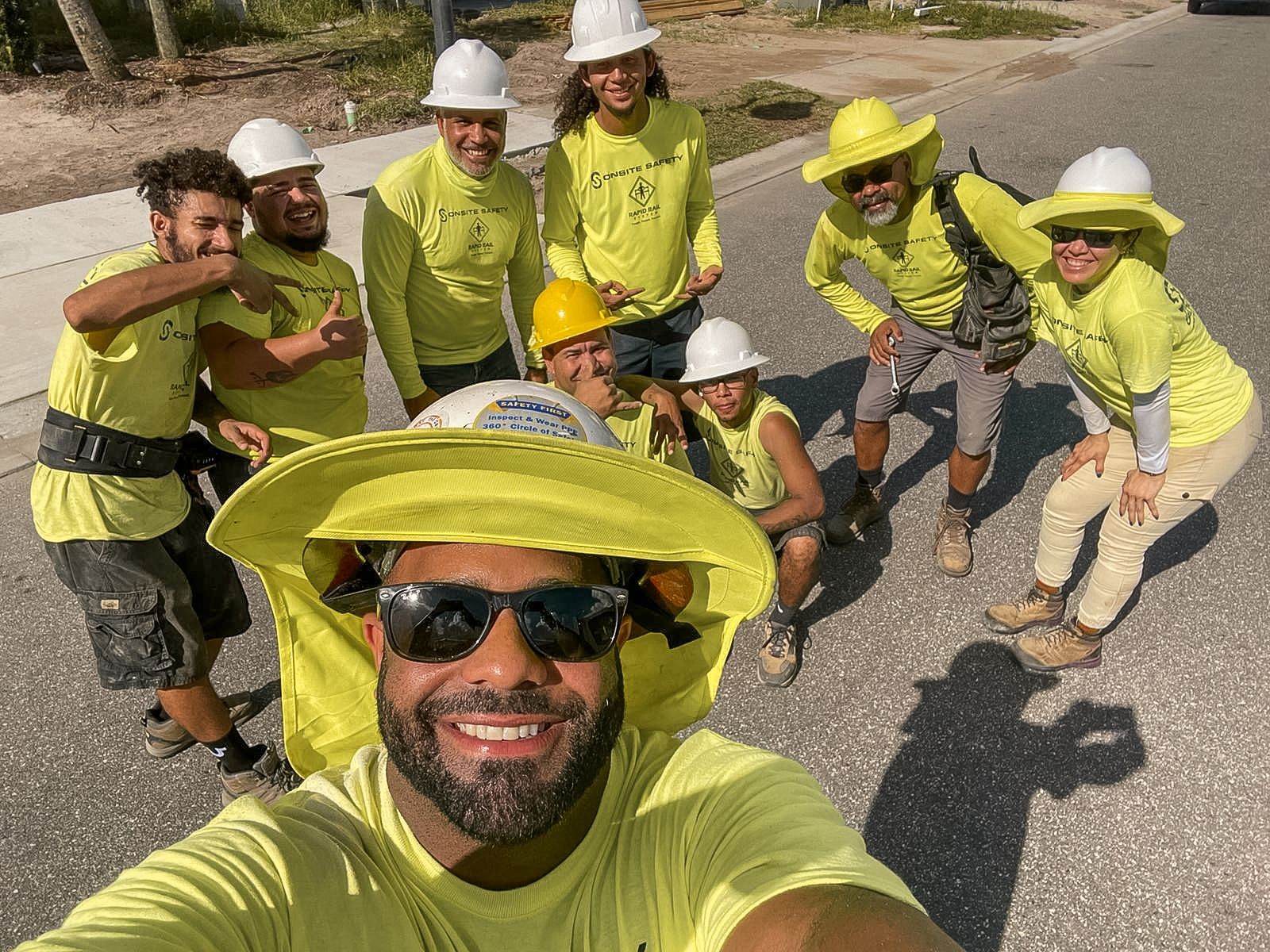
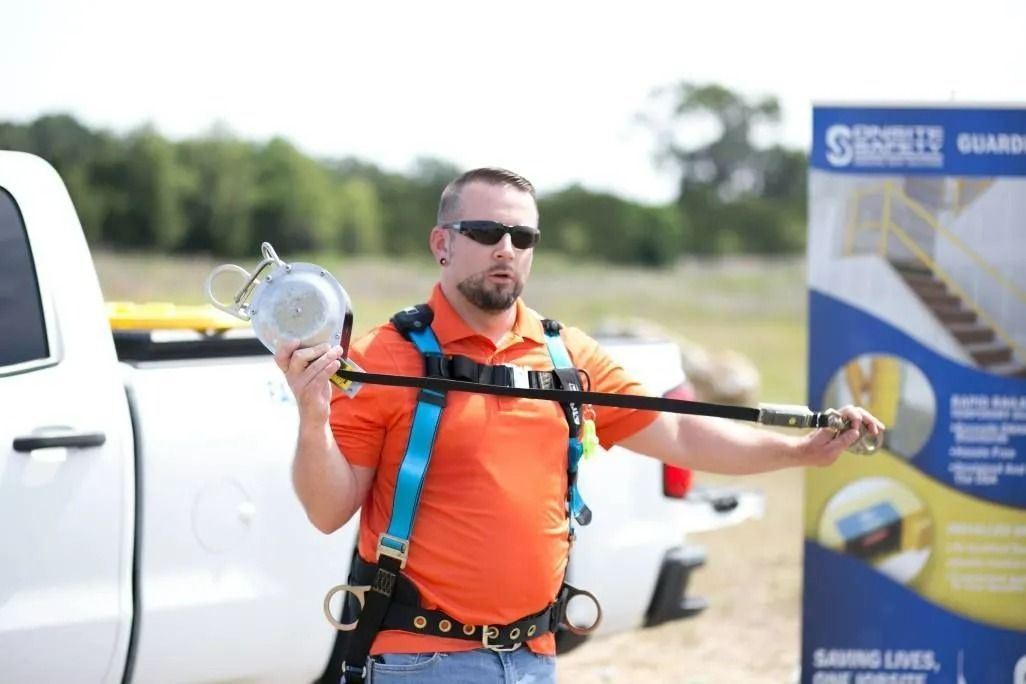
We provide hands-on instruction for your team on how to properly inspect, connect to, and use the installed anchorage system.
6. Documentation Package
You receive a comprehensive closeout binder containing system drawings, test results, warranties, and user manuals for future reference.
1. Site Assessment
We evaluate your roof or structure, map hazards, and determine the anchors needed.
2. Engineering Review
Anchors are selected or custom-engineered
3. Professional Installation
Our certified technicians securely install your anchor system according to engineering specifications and safety standards.
4. Load Testing and Certification
We perform rigorous pull-testing on installed anchors to verify capacity and issue formal certification for compliance.
5. Training and Orientation
We provide hands-on instruction for your team on how to properly inspect, connect to, and use the installed anchorage system.
6. Documentation Package
You receive a comprehensive closeout binder containing system drawings, test results, warranties, and user manuals for future reference.
FAQs
Answers to the most common questions from residential contractors, commercial builders, and jobsite safety teams.
How many roofers can tie off to one horizontal lifeline?
It depends entirely on the manufacturer's engineering specifications. Many temporary residential rope lifelines are rated for up to two workers, while engineered cable systems can support more. You must never exceed the system's rated capacity.
What is a rope grab and how does it work?
A rope grab is a mechanical deceleration device that travels along a vertical lifeline. Under normal movement, it slides freely to allow the worker to move up and down a roof pitch. If a worker slips, the sudden acceleration causes a cam mechanism inside the grab to instantly lock onto the rope, arresting the fall.
Does OSHA require lifelines for residential roofing?
OSHA 1926.501 requires residential construction workers operating at 6 feet or more above a lower level to be protected by guardrail systems, safety net systems, or personal fall arrest systems. Lifelines are a highly efficient form of a personal fall arrest system.
Can I use any rope for a lifeline?
No. OSHA strictly prohibits the use of standard hardware store rope. Lifelines must have a minimum breaking strength of 5,000 pounds and be made from specific synthetic materials designed to resist abrasion, UV degradation, and sudden shock loads.
View all FAQs →
OUTCOMES
Keep your crews tied off, mobile, and OSHA-compliant.
Don't let cumbersome single-point anchors slow down your roofing and framing schedules. Engineered residential lifelines give your workers the freedom to move quickly and safely across the entire structure, drastically increasing daily output while significantly reducing the risk of fatal falls.
Protect Your Next Residential Build
Request a residential quote or talk with a safety specialist today.

 FREE INSTANT ESTIMATE