

TEMPORARY RAILS
OSHA-compliant temporary rail systems designed to secure stairwells, balconies, and leading edges without slowing down your framing crews.
Secure the perimeter. Keep trades moving.
Residential construction sites are full of active fall hazards.
From unfinished indoor staircases to open second-story balconies and sheer roof drops, framing a home requires constant vigilance. Expecting every plumber, electrician, and drywaller to wear a full-body harness simply isn't practical or efficient.
Temporary rails provide passive fall protection. By erecting sturdy barricades at the edge of the hazard, you eliminate the need for active tie-offs, allowing all trades to move freely, quickly, and safely throughout the home build.
What Are Temporary Rail Systems?
Temporary rails are physical safety barriers erected during the rough framing and decking phases of a residential build. They typically utilize reusable steel brackets or clamps combined with standard construction-grade 2x4 lumber to quickly barricade drop-offs until permanent walls or decorative handrails are installed.
Common residential temporary rail applications include:
- Securing open, unfinished interior stairwells
- Guarding second-story balconies and loft overlooks
- Barricading large, unfinished window and door frames
- Protecting exterior roof perimeters and flat deck edges
Built For Home Builders
Heavy-duty protection that installs in minutes
Our temporary rail systems are designed for the reality of residential jobsites: they install quickly with standard framing tools, withstand heavy daily use, and can be easily disassembled and moved to the next housing tract.
- Highly reusable brackets that pay for themselves
- Compatible with standard jobsite 2x4 lumber
- Fast face-mount, top-mount, and clamp-on designs
- Meets OSHA's strict 200 lb. outward/downward force rule
- Leaves minimal or no trace on finished framing
THE ONSITE SAFETY DIFFERENCE
Types of Residential Temporary Rails
We provide a complete catalog of modular rail brackets tailored to the specific geometry of wood-framed homes.
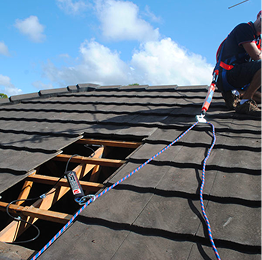
Stairwell Brackets
Angled steel brackets that attach directly to the stringers of unfinished stairs, allowing you to quickly drop 2x4s in place to secure the flight and landings.
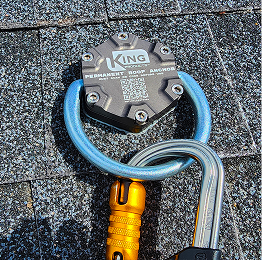
Balcony & Slab Clamps
Heavy-duty C-clamps that bite securely onto the edge of a concrete foundation or wood-framed balcony, creating a sturdy post without drilling holes.
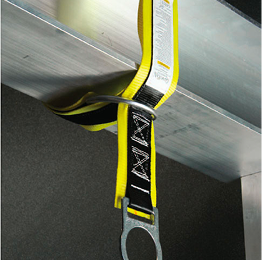
Roof Edge Brackets
Mounts directly to the roof fascia or under the eaves. These hold vertical 2x4 posts to create a continuous safety rail around the entire perimeter of the roof.
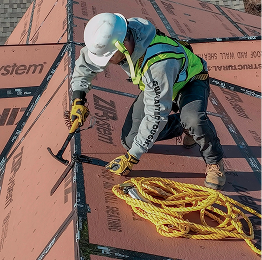
Window & Door Barricades
Expandable, tension-mounted bars or simple face-mount brackets used to block off large second-story window openings before the glass is set.
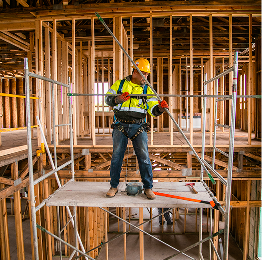
Floor Opening Guards
Freestanding or bolt-down corner brackets used to quickly build a 2x4 box rail around HVAC floor penetrations, skylight holes, or elevator shafts.
HOW IT WORKS
Fast deployment for every phase of construction. Passive fall protection works best when it's proactive. We ensure your temporary rails go up exactly when the hazard is created.
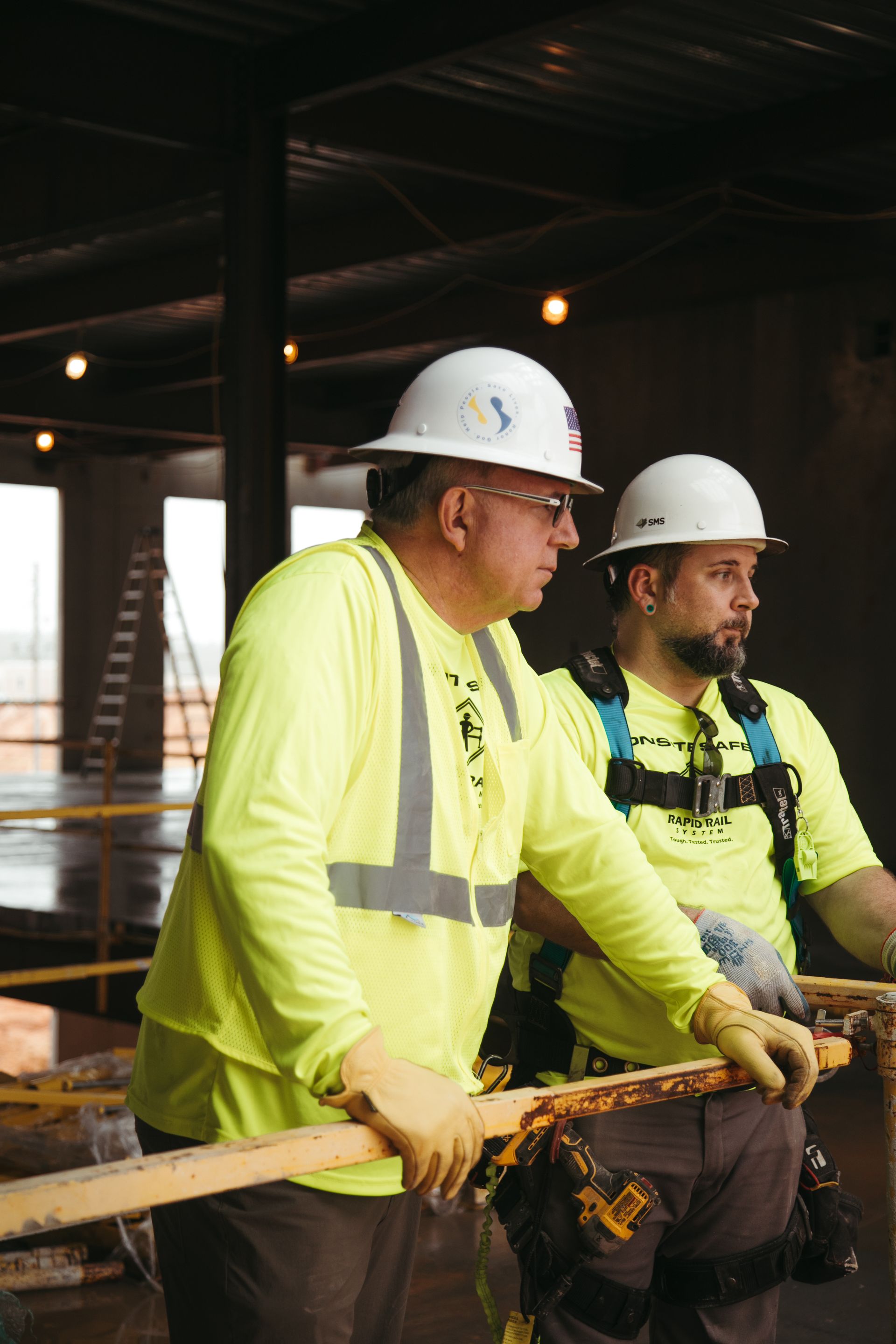
1. Site Assessment
We evaluate your roof or structure, map hazards, and determine the anchors needed.
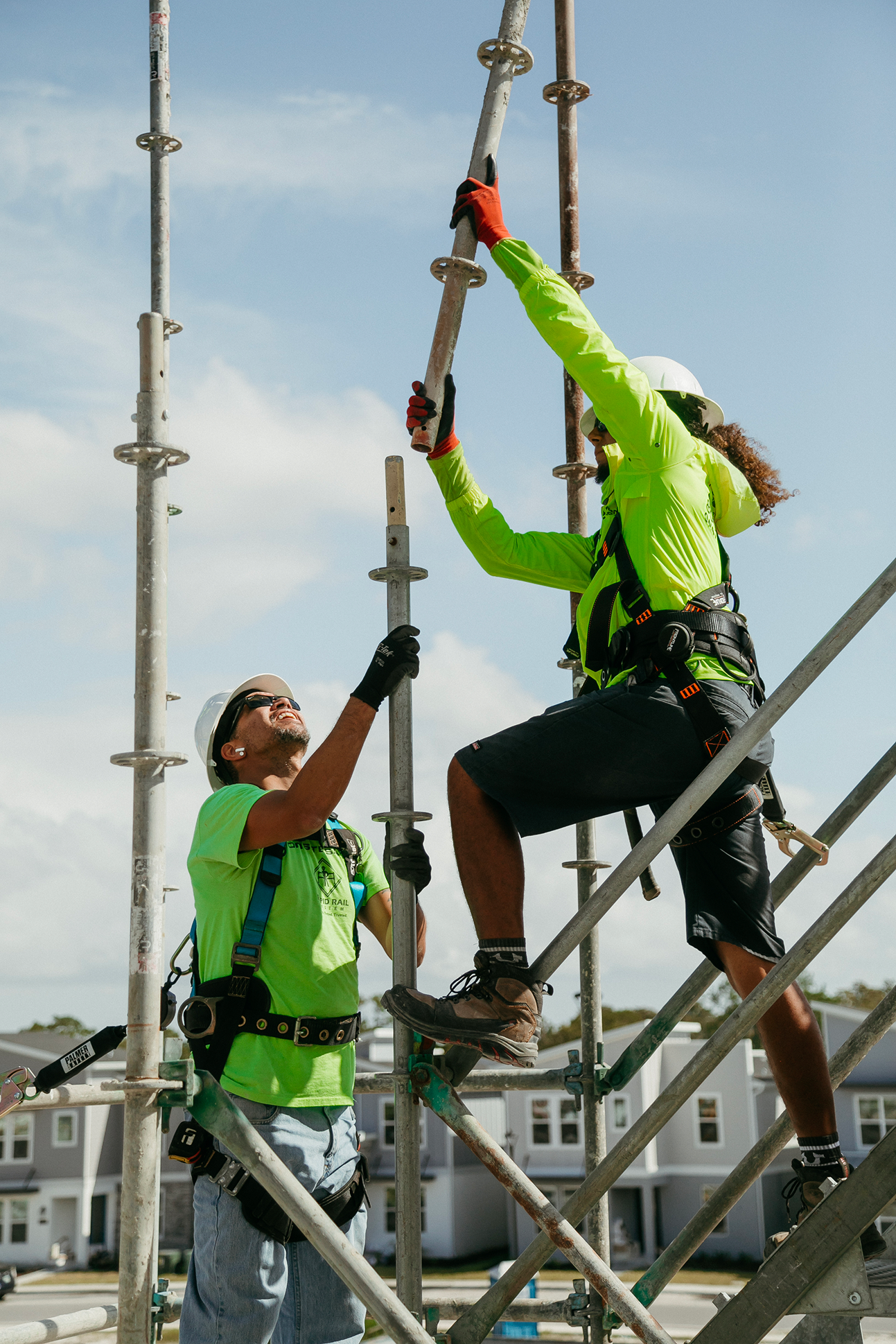
2. Engineering Review
Anchors are selected or custom-engineered
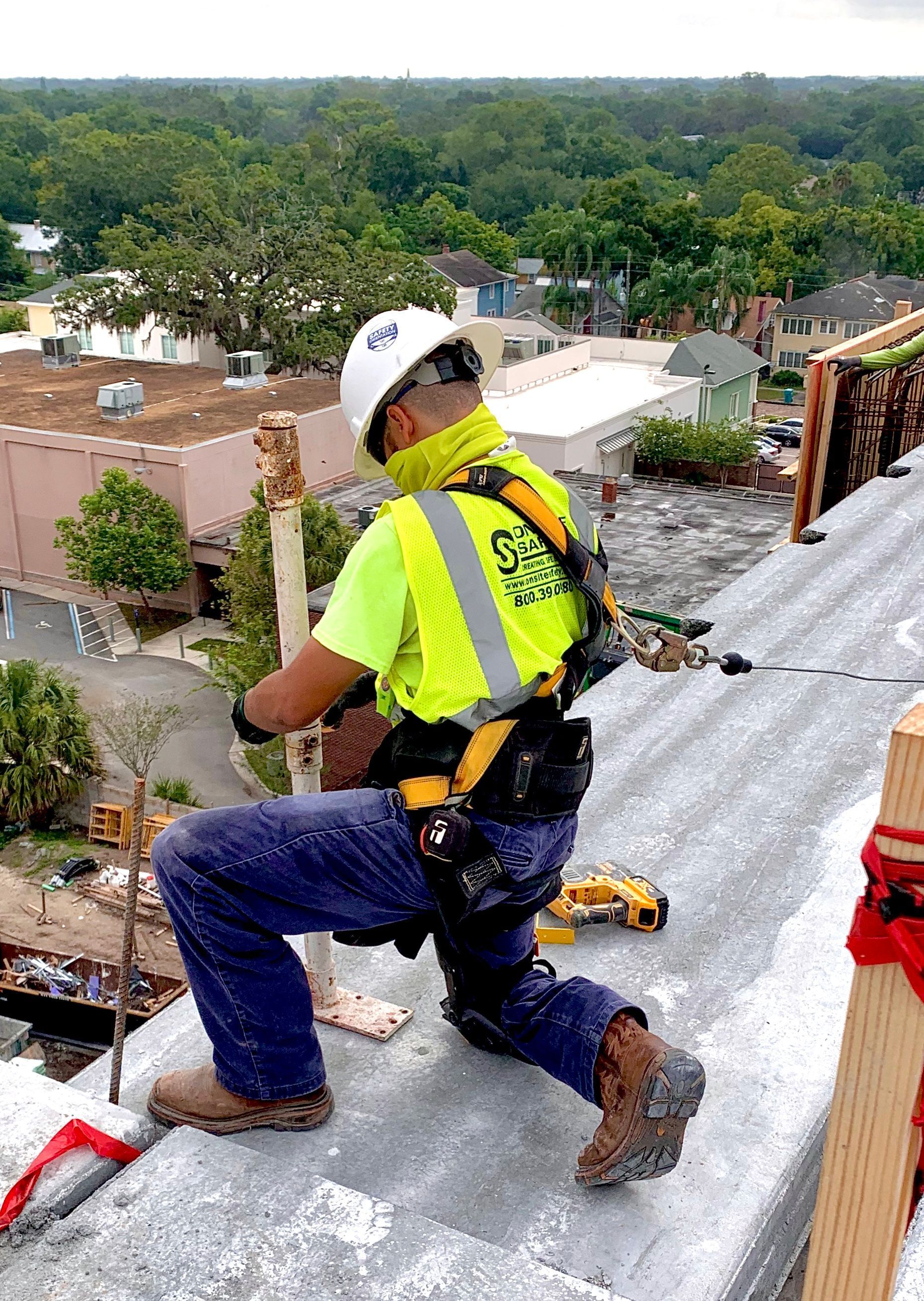
3. Professional Installation
Our certified technicians securely install your anchor system according to engineering specifications and safety standards.
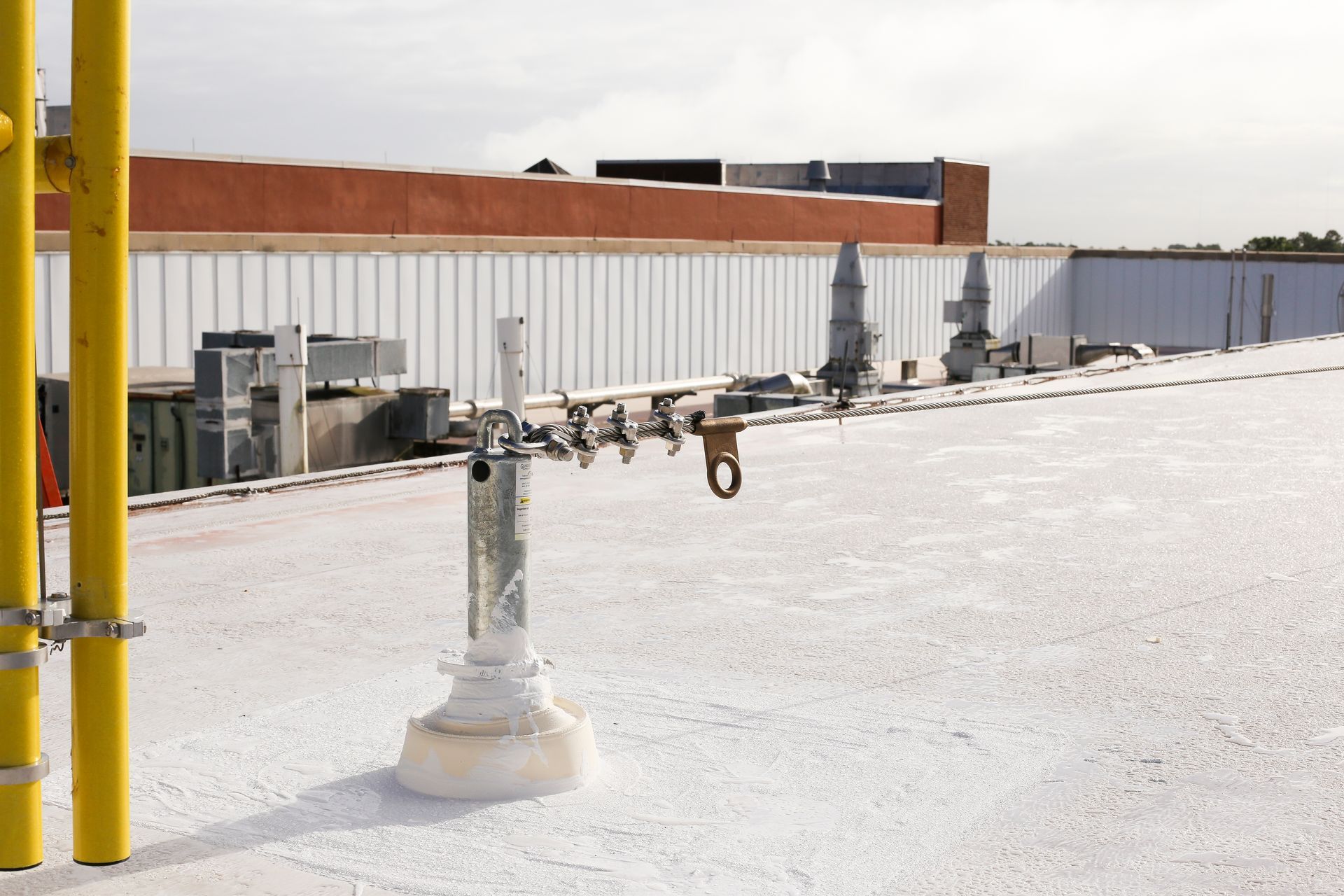
4. Load Testing and Certification
We perform rigorous pull-testing on installed anchors to verify capacity and issue formal certification for compliance.
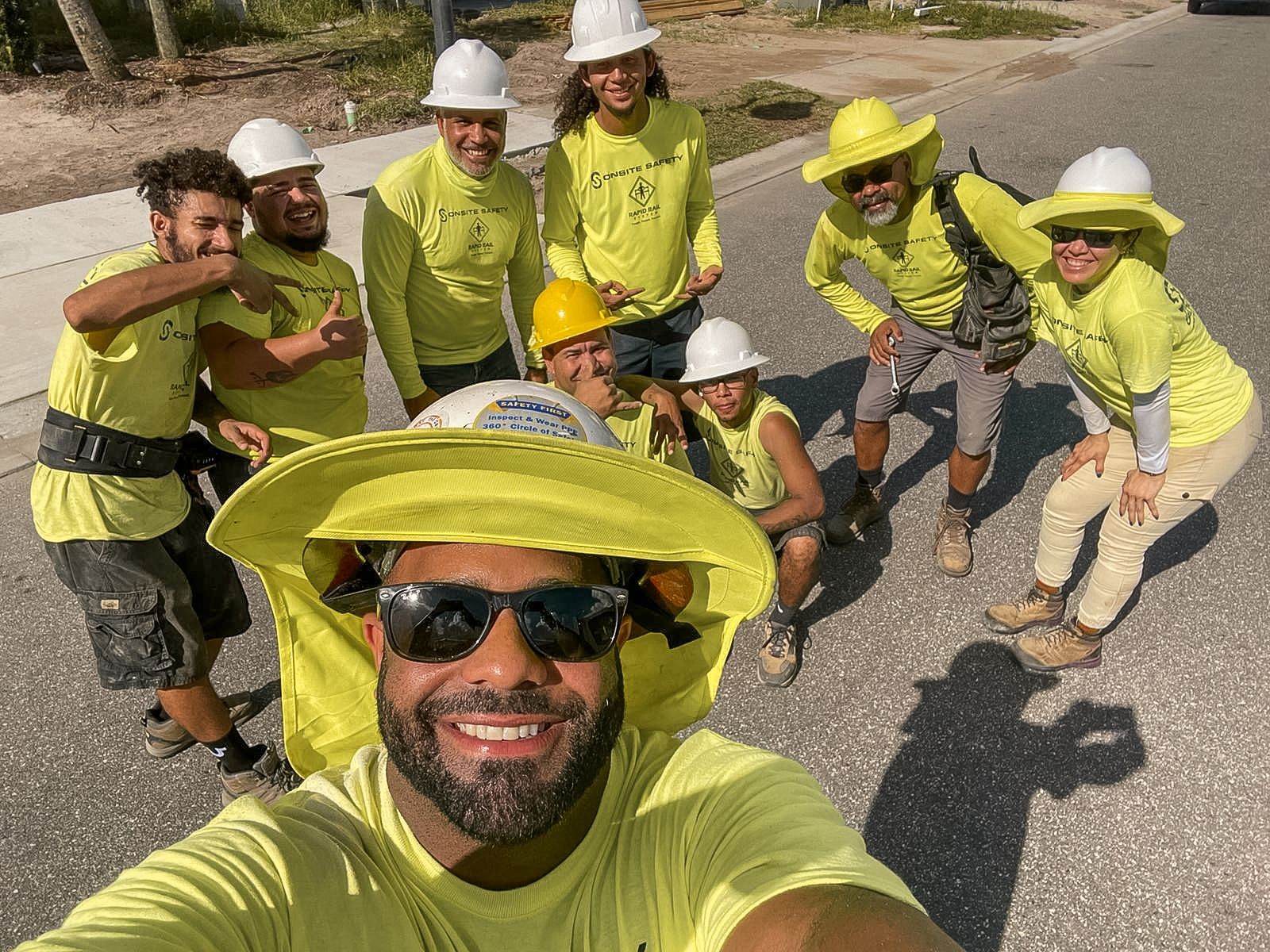
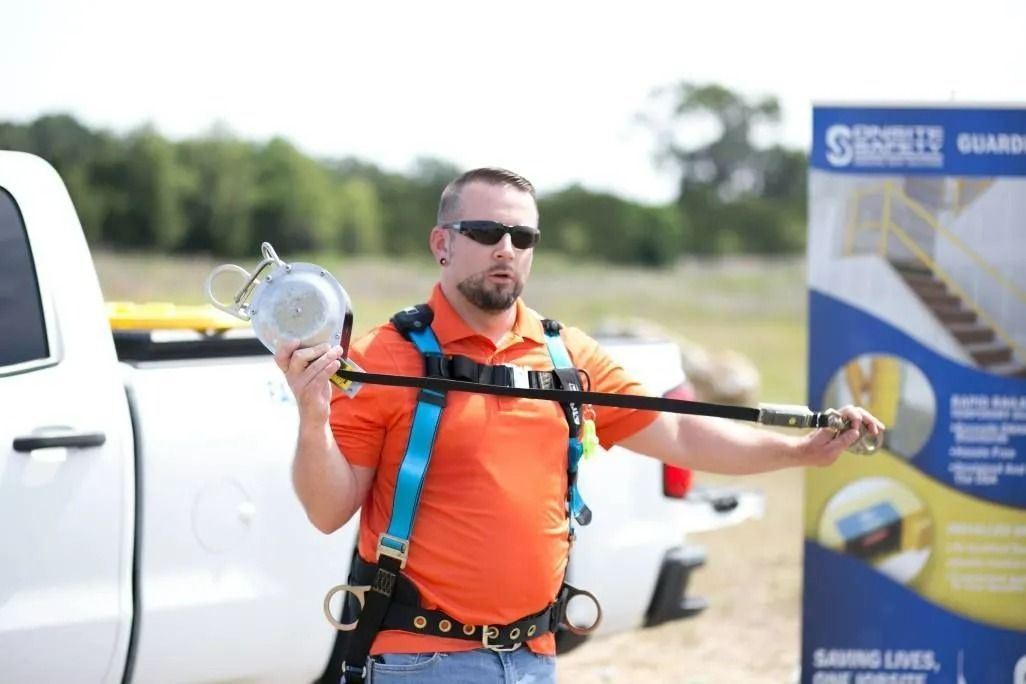
5. Training and Orientation
We provide hands-on instruction for your team on how to properly inspect, connect to, and use the installed anchorage system.
6. Documentation Package
You receive a comprehensive closeout binder containing system drawings, test results, warranties, and user manuals for future reference.
1. Site Assessment
We evaluate your roof or structure, map hazards, and determine the anchors needed.
2. Engineering Review
Anchors are selected or custom-engineered
3. Professional Installation
Our certified technicians securely install your anchor system according to engineering specifications and safety standards.
4. Load Testing and Certification
We perform rigorous pull-testing on installed anchors to verify capacity and issue formal certification for compliance.
5. Training and Orientation
We provide hands-on instruction for your team on how to properly inspect, connect to, and use the installed anchorage system.
6. Documentation Package
You receive a comprehensive closeout binder containing system drawings, test results, warranties, and user manuals for future reference.
FAQs
Answers to the most common questions from residential contractors, commercial builders, and jobsite safety teams.
Are 2x4s allowed for temporary rails?
Yes. OSHA permits the use of construction-grade lumber (2x4s) for temporary top rails and midrails, provided the wood is free of major defects and the fully assembled system can withstand 200 lbs of force.
What is the required height for a temporary rail?
The top rail must be positioned at 42 inches (plus or minus 3 inches) above the walking or working surface. A midrail must be installed halfway between the top rail and the floor.
When are temporary rails required on residential stairs?
OSHA requires stairways having four or more risers, or rising more than 30 inches (whichever is less), to be equipped with at least one handrail and a stair rail system along each unprotected side or edge.
Do I need to install toe boards?
Toe boards (typically a 2x4 laid flat on the floor edge) are required if there is a risk of tools, materials, or debris being kicked over the edge onto workers or pedestrian traffic below.
View all FAQs →
OUTCOMES
Eliminate tie-off bottlenecks and accelerate the build.
Don't let OSHA fines or cumbersome safety harnesses slow down your sub-contractors. By utilizing robust temporary rail systems, you create a genuinely safe, highly efficient jobsite where every trade can focus on quality and speed.
Protect Your Next Residential Build
Request a residential quote or talk with a safety specialist today.

 FREE INSTANT ESTIMATE