Fall Arrest Systems Explained: Anchor Points, Lifelines, and OSHA Compliance

What Is a Fall Arrest System?

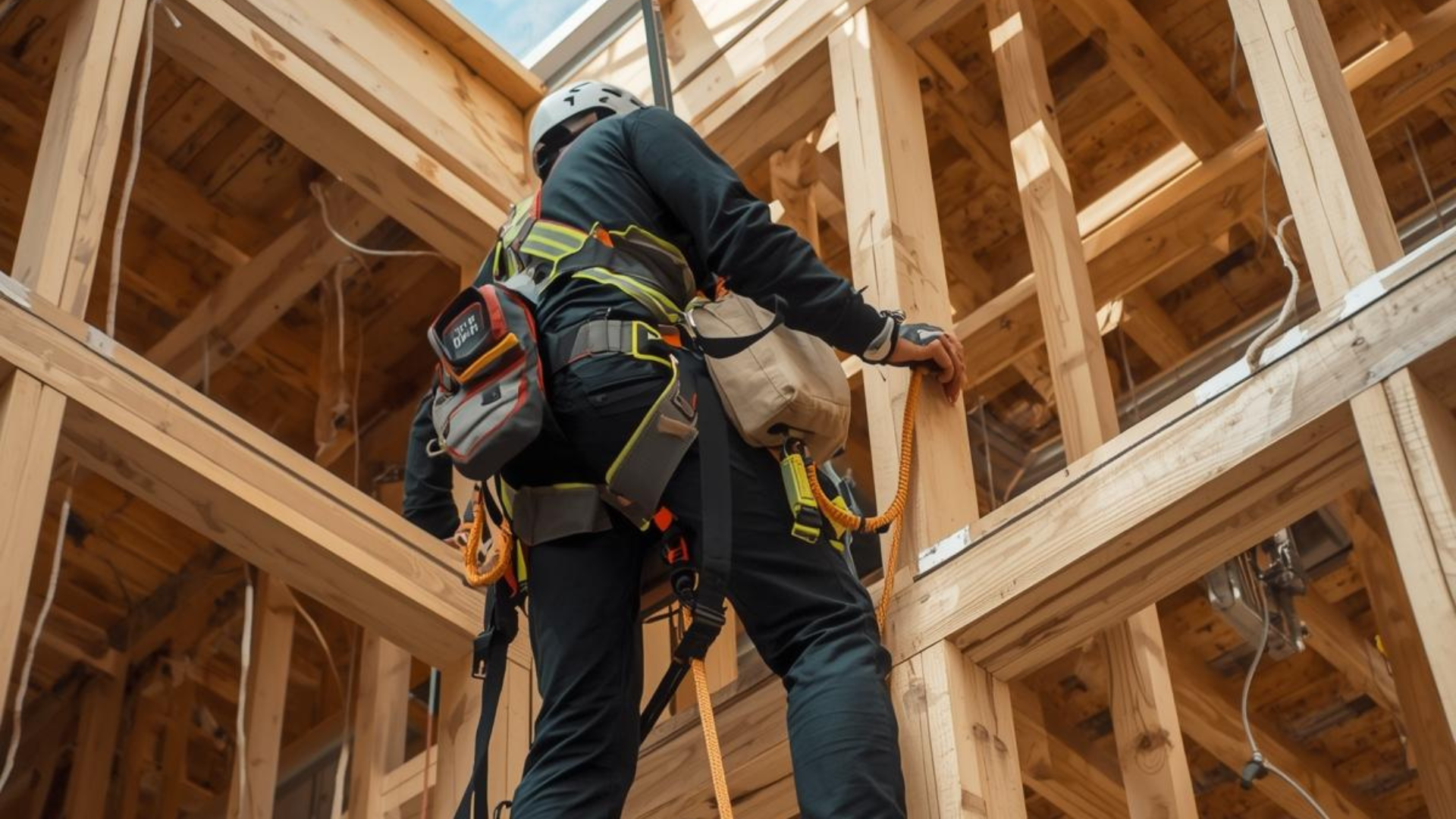
A fall arrest system is designed to stop a worker safely after a fall occurs. Unlike guardrails that prevent falls, fall arrest systems activate only if a worker slips or loses balance.


According to the Occupational Safety and Health Administration, fall protection is required in construction at heights of 6 feet or more.


Without a properly engineered fall arrest system, a fall can result in severe injury, fatality, and major liability for employers.

Key Components of a Fall Arrest System

A compliant fall arrest system includes several critical components working together.

1. Anchor Points

Anchor points are secure tie off locations rated to support specific loads. OSHA requires anchor points used for fall arrest to support at least 5,000 pounds per employee attached.


Proper anchor point installation ensures:

  • Structural integrity
  • Correct placement
  • Compliance with OSHA standards
  • Long term reliability

Improperly installed anchors are one of the most common safety violations found during inspections.

2. Lifelines

Lifelines connect the worker’s harness to an anchor point.


There are two primary types:


Horizontal Lifelines

Allow workers to move side to side across a roof or elevated surface.


Vertical Lifelines

Allow workers to climb while remaining continuously tied off.


Engineered lifeline systems must account for:

  • Fall distance
  • Swing fall hazards
  • Load calculations
  • Clearance requirements

Onsite Safety designs and installs horizontal and vertical lifeline systems tailored to your specific jobsite.

3. Full Body Harness and Lanyards

Workers must use properly fitted harnesses and shock absorbing lanyards. Training is critical to ensure equipment is worn and inspected correctly.


Improper use can increase fall forces and cause serious injury.

Common Fall Arrest Mistakes That Lead to OSHA Violations

Employers often face citations due to:

  • Using non rated anchor points
  • Failing to inspect equipment
  • Lack of fall protection training
  • Insufficient fall clearance
  • Missing rescue plans

The Occupational Safety and Health Administration frequently cites fall protection as a top construction violation.

Why Professional Engineering Matters

Fall arrest systems are not one size fits all. Each jobsite has unique structural and environmental conditions.


Professional installation ensures:

  • Proper load calculations
  • OSHA compliant system design
  • Reduced liability
  • Increased worker confidence
  • Long term durability

Onsite Safety provides complete fall arrest system design, installation, and inspection services to keep your site compliant and safe.

Final Thoughts

A fall arrest system is your last line of defense when working at heights. Investing in engineered anchor points and lifeline systems protects lives and protects your business.


If your project requires fall arrest solutions, contact Onsite Safety for a professional site evaluation.


You may also be interested in:

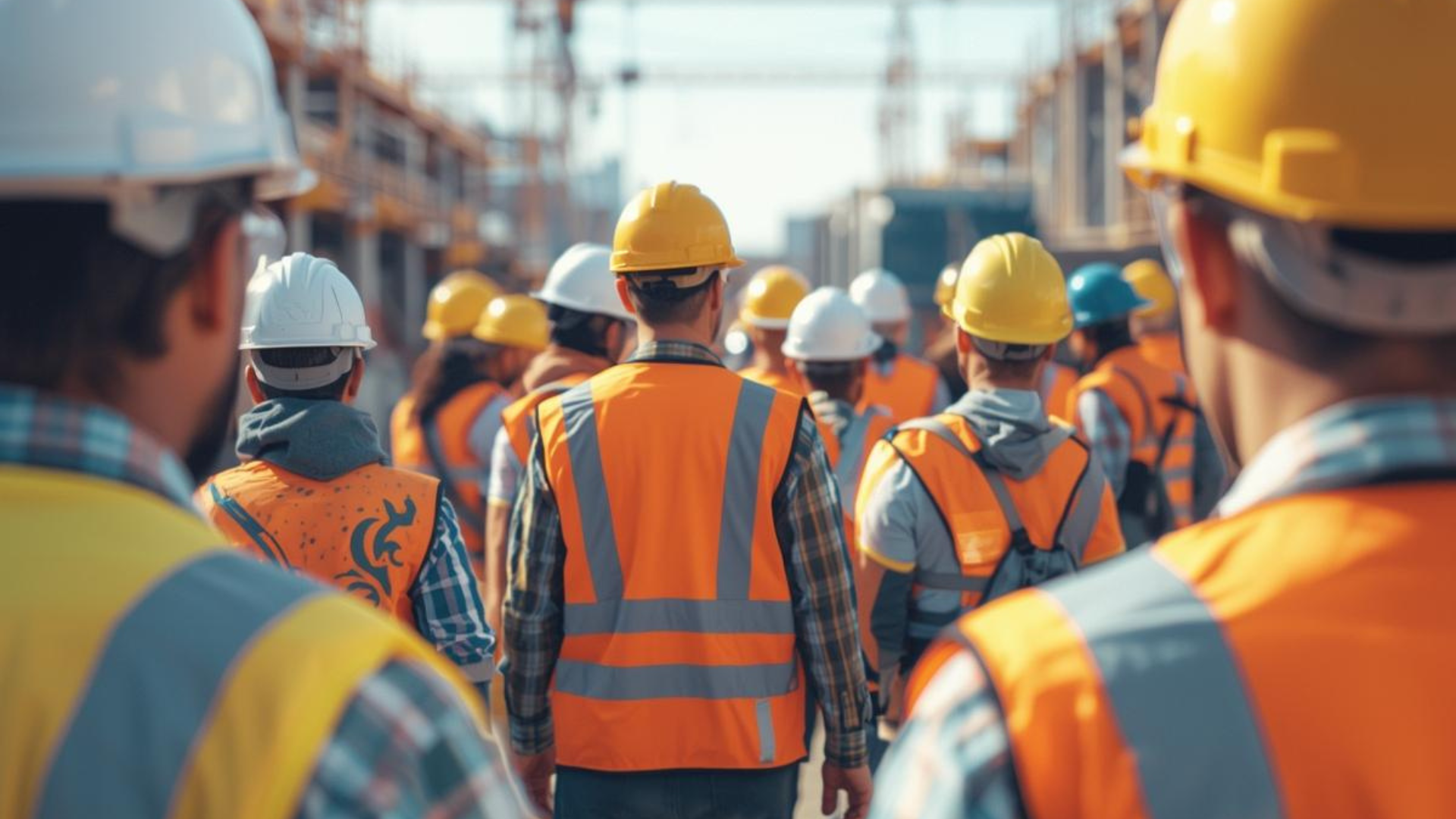
Construction workers wearing hard hats and safety vests walking on a construction site.
February 16, 2026
Essential construction safety equipment and gear every jobsite must have. From harnesses to hard hats—stay compliant and protect your crew.
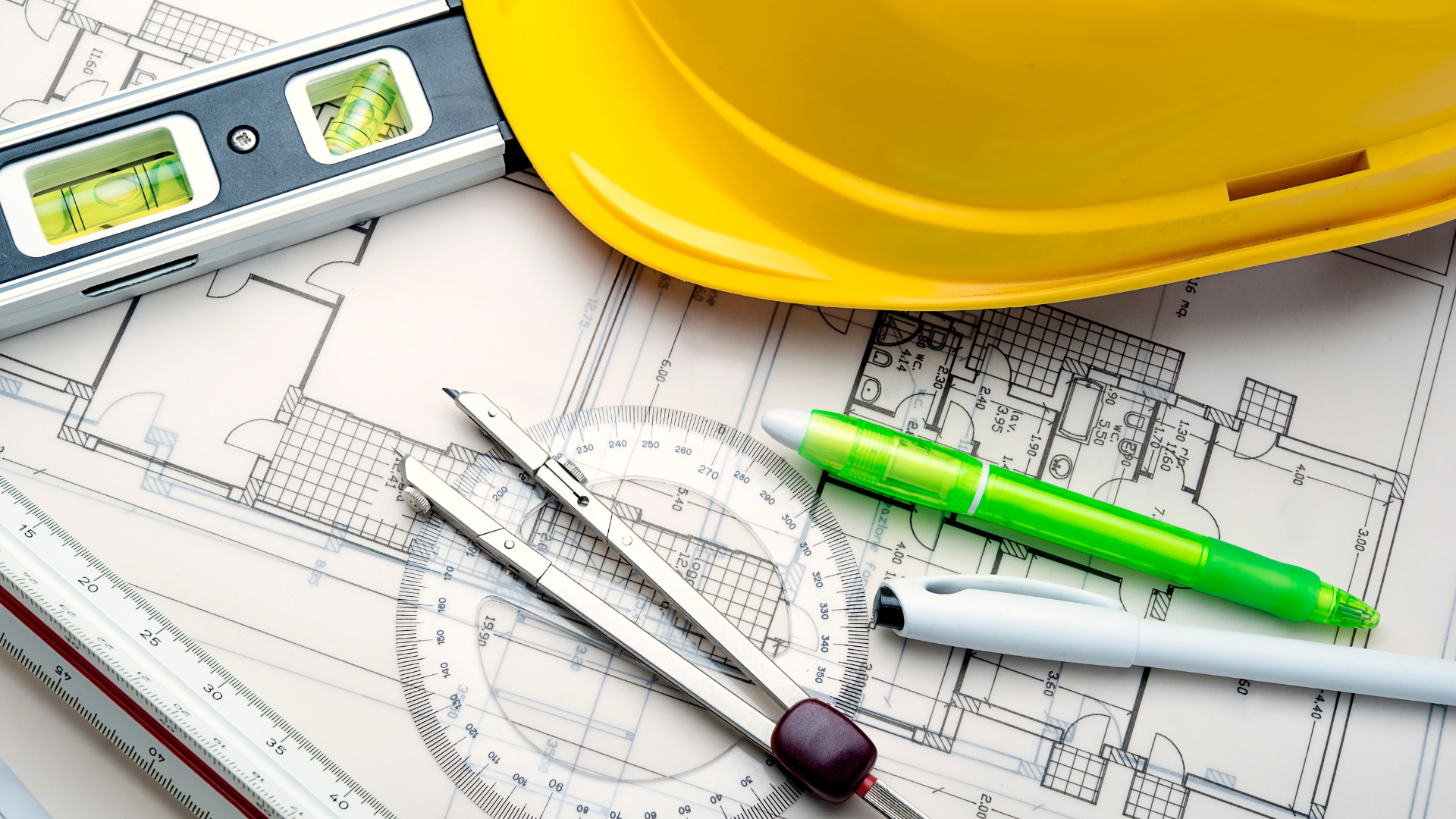
Blueprint with construction tools, including a level, hard hat, and compass.
February 16, 2026
Temporary vs permanent guardrail systems: choose the right fall protection for your construction project. Compare benefits, compliance, and application.
Person filling out a
February 16, 2026
OSHA safety inspections and site audits: learn how to stay compliant, avoid costly violations, and keep your construction jobsite safe.