Temporary vs Permanent Guardrail Systems: Which Fall Protection Solution Is Right for Your Project?

Understanding Guardrail Systems in Construction

Guardrails are one of the most effective forms of passive fall protection. Unlike fall arrest systems, guardrails do not require workers to take action to remain safe.


The Occupational Safety and Health Administration requires guardrail systems in many elevated work areas to prevent fall hazards.


ο»ΏChoosing between temporary and permanent guardrail systems depends on your project scope, duration, and building design.

What Are Temporary Guardrails?

Temporary guardrails are removable safety barriers used during construction, roofing, or maintenance work.


They are ideal for:

● Short term projects

● Roof installations

● New construction

● Renovations

● Elevated platform work

Benefits of Temporary Guardrail Systems

● Fast installation

● Non penetrating options available

● Cost effective for short term use

● OSHA compliant when properly installed

● Minimal structural impact


Temporary edge protection significantly reduces fall risk during active construction.

What Are Permanent Guardrails?

Permanent guardrails are fixed systems installed as part of the building structure.


They are commonly used for:

● Commercial rooftops

● Mechanical equipment access areas

● Maintenance walkways

● Mezzanines

● Industrial facilities

Benefits of Permanent Guardrails

● Long term fall protection solution

● Low maintenance

● Continuous OSHA compliance

● Increased property value

● Ideal for facilities with routine rooftop access


ο»ΏPermanent systems eliminate the need to reinstall protection for future maintenance.

Guardrails vs Fall Arrest Systems

While guardrails prevent falls, fall arrest systems stop a fall once it occurs. Fall arrest systems include:

● Anchor points

● Horizontal lifelines

● Vertical lifelines

● Harness systems


ο»ΏIn many projects, a combination of guardrails and fall arrest systems provides the most effective protection.


Onsite Safety evaluates your site to determine the most appropriate fall protection strategy.

How to Choose the Right System

When deciding between temporary and permanent guardrails, consider:

● Project duration

● Budget ● Frequency of rooftop access

● Structural limitations

● OSHA requirements

● Insurance requirements


ο»ΏA professional assessment ensures compliance and safety

Why Professional Installation Is Critical

Improperly installed guardrails can fail inspections and create liability.


Professional installation ensures:

● Correct height and spacing

● Proper load resistance

● Secure anchoring

● Full OSHA compliance


ο»ΏOnsite Safety provides expert installation of both temporary and permanent guardrail systems.

Final Thoughts

Choosing the right guardrail system is a key component of any comprehensive fall protection plan. If your project requires temporary rails, permanent guardrails, or complete edge protection solutions, Onsite Safety can design and install a compliant system tailored to your needs.


You may also be interested in:

Construction workers wearing hard hats and safety vests walking on a construction site.
February 16, 2026
Essential construction safety equipment and gear every jobsite must have. From harnesses to hard hats—stay compliant and protect your crew.
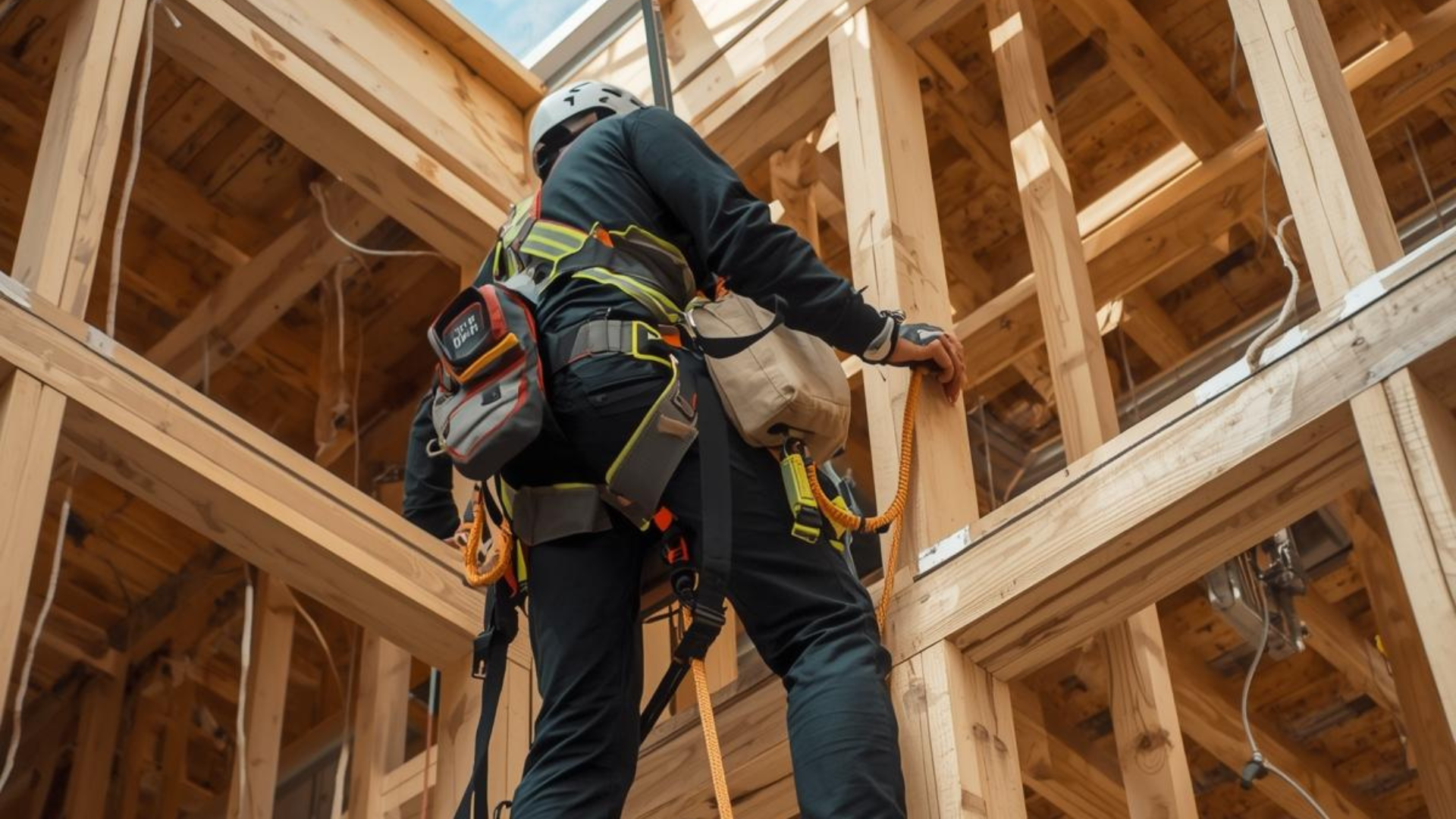
Construction worker in safety harness at wooden framing site.
February 16, 2026
Fall arrest systems explained: anchor points, lifelines, and OSHA compliance. Essential guide for construction safety at height.
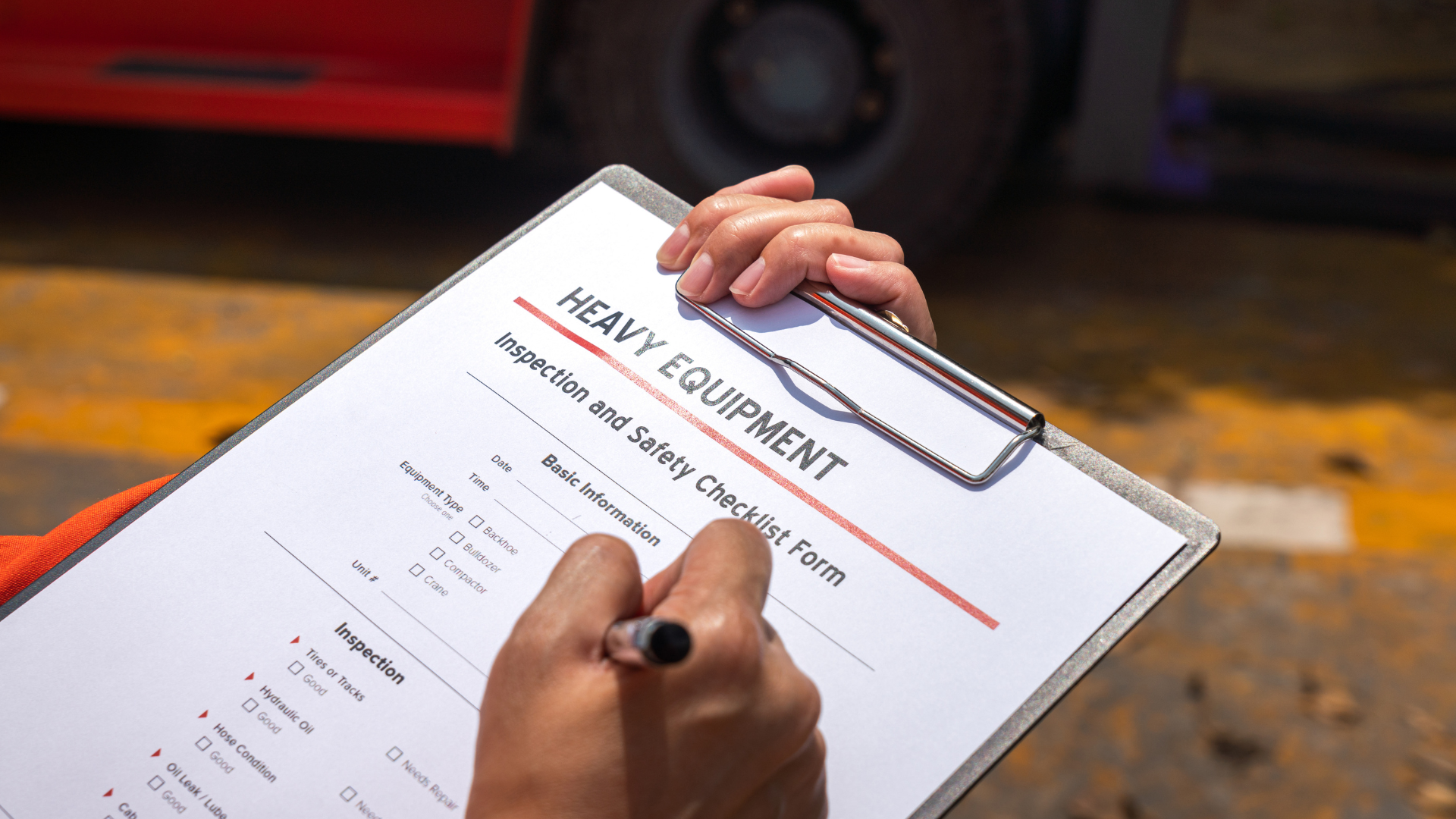
Person filling out a
February 16, 2026
OSHA safety inspections and site audits: learn how to stay compliant, avoid costly violations, and keep your construction jobsite safe.