

Anchor Hardware
Fasteners, brackets, plates and connectors that secure your anchor points to the structure, so the whole system performs when it counts.
The connection is only as strong as the hardware.
Hardware built for the road.
An anchor point depends on the hardware that attaches it to the structure and connects it to the worker. The right components, installed to the manufacturer's instructions, are essential to a reliable system.
Onsite Safety supplies and installs anchor hardware matched to your roof, steel, concrete or timber structure and your fall protection equipment.
Harnesses & PPE made for your type of work
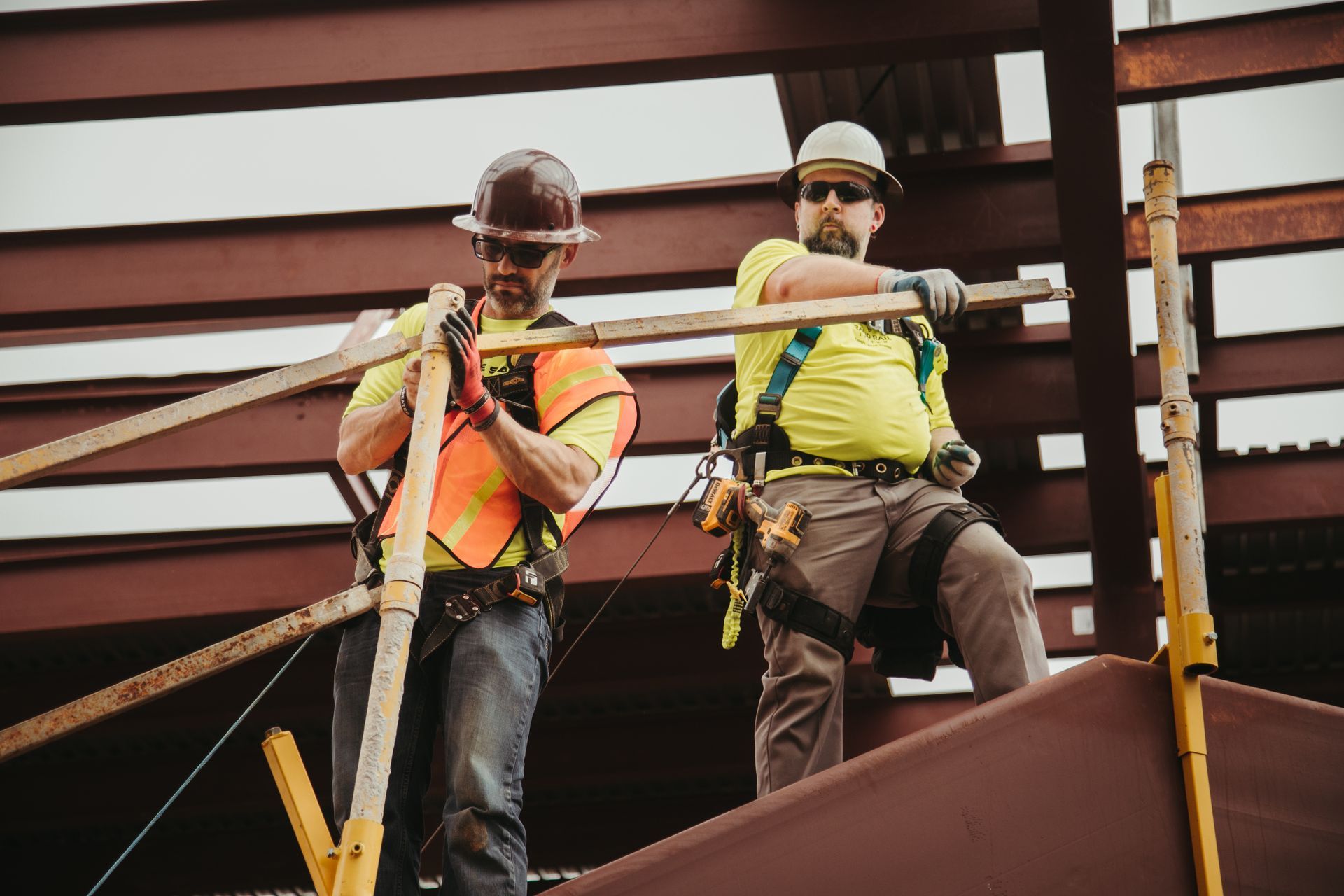
COMMERCIAL ANCHOR POINTS
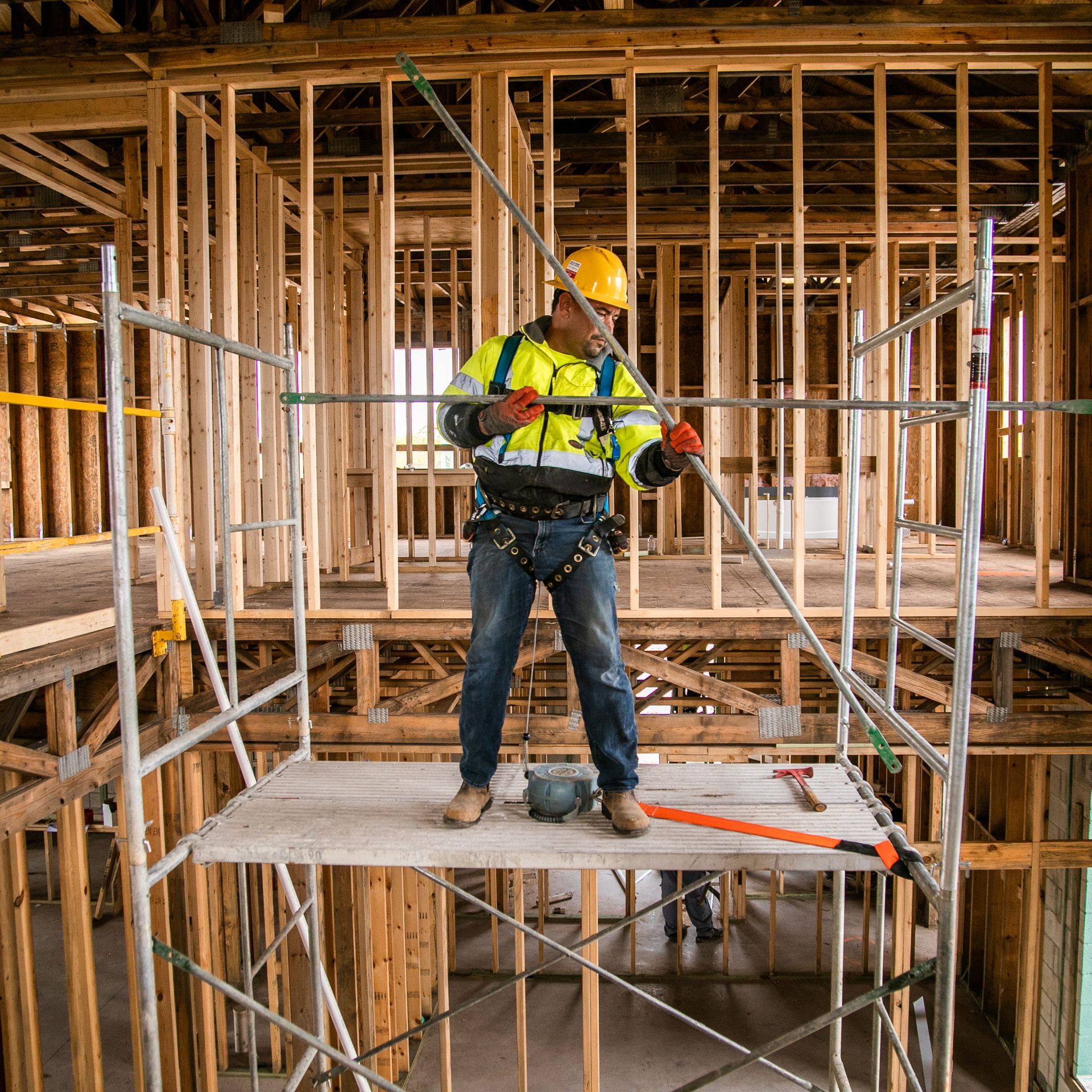
RESIDENTIAL ANCHOR POINTS
Different projects require different applications. Explore how fall protection systems are applied in residential and commercial environments.
Anchor Hardware made for your type of work
COMMERCIAL ANCHOR HARDWARE
RESIDENTIAL & ROOFING HARDWARE
Different structures call for different hardware. Explore how components are selected for commercial and residential projects.
What is a Anchor Hardware
Anchor hardware includes the parts that make up or attach an anchorage: fasteners, bolts, base plates, brackets, straps, D-rings and connectors. OSHA requires anchorages for personal fall arrest to support at least 5,000 pounds per attached worker, or to be designed and used under a qualified person with a safety factor of at least two.
Commonly used for:
- Fasteners and post-installed anchors
- Base plates and mounting brackets
- D-rings, eyebolts and anchor rings
- Anchorage connectors and straps
Anchor Hardware for Commercial & Industrial Structures
Engineered hardware for permanent and long-term installations.
Commercial anchors must be attached to structure that can carry the load. Hardware is chosen for the substrate, whether steel, concrete, metal deck or timber, and installed to the manufacturer's specifications.
Common applications:
- Rooftop equipment and HVAC access
- Steel beams and structural framing
- Concrete decks and parapets
- Facade access and window washing
Key benefits:
- Matched to the structure and substrate
- Installed per manufacturer instructions
- Corrosion-resistant options for exposed sites
- Documentation for inspection and recertification
Anchor Hardware for Residential Homes & Roofing
Simple, dependable hardware for roofing and framing crews.
Residential roof anchors must be fastened into the framing, such as rafters or trusses, using the fasteners the manufacturer specifies. Sheathing alone generally is not enough.
Common applications:
- Re-roofs and new roof installs
- Framing and sheathing
- Storm damage repair
- Siding, gutter and solar work
Key benefits:
- Fasteners matched to the anchor and roof framing
- Options for shingle, tile and metal roofs
- Reusable and single-use choices
- Straightforward installation for crews
THE ONSITE SAFETY DIFFERENCE
Types of Anchor Hardware We Supply
A range of hardware to match your structure and safety needs.
Fasteners & Bolts
Structural fasteners and post-installed anchors matched to wood, steel or concrete.
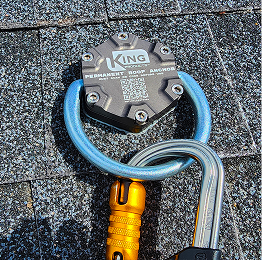
Base Plates & Brackets
Mounting plates and brackets that spread load into the structure.
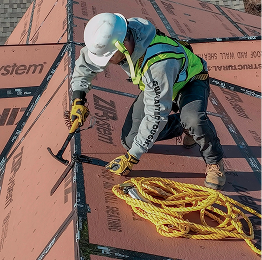
D-Rings & Eyebolts
Attachment points that give harness connectors a secure place to tie off.
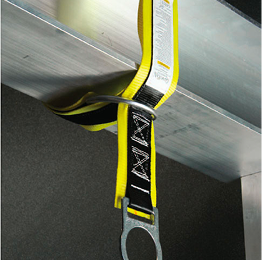
Anchorage Straps
Wrap-around connectors for beams and other structural members.
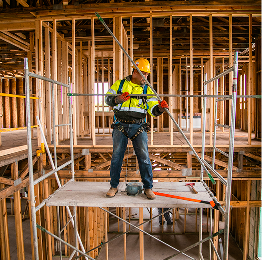
Connectors
Locking carabiners and snap hooks compatible with your anchor and harness.
HOW IT WORKS
Correct gear starts with the right process.
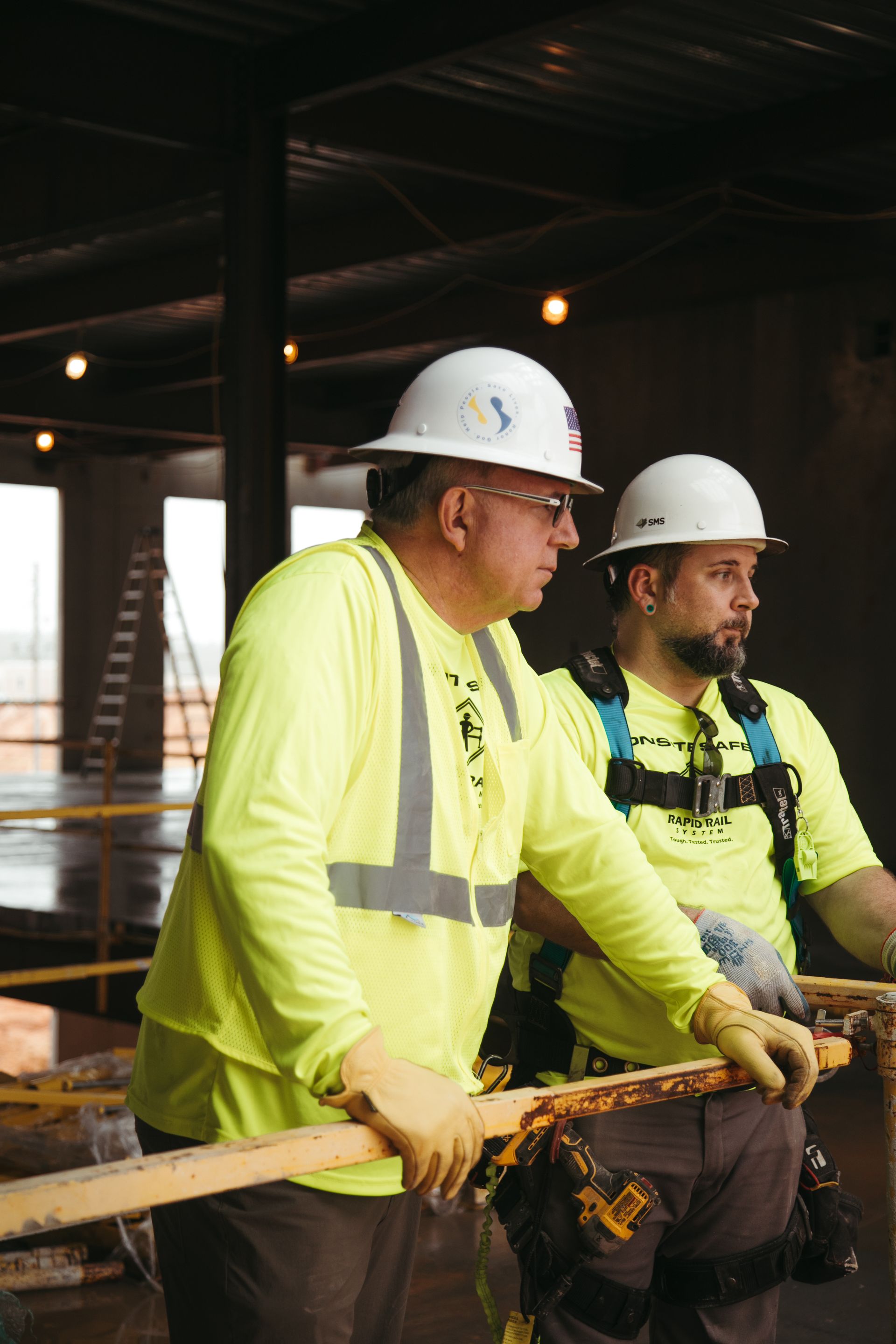
1. Site Assessment
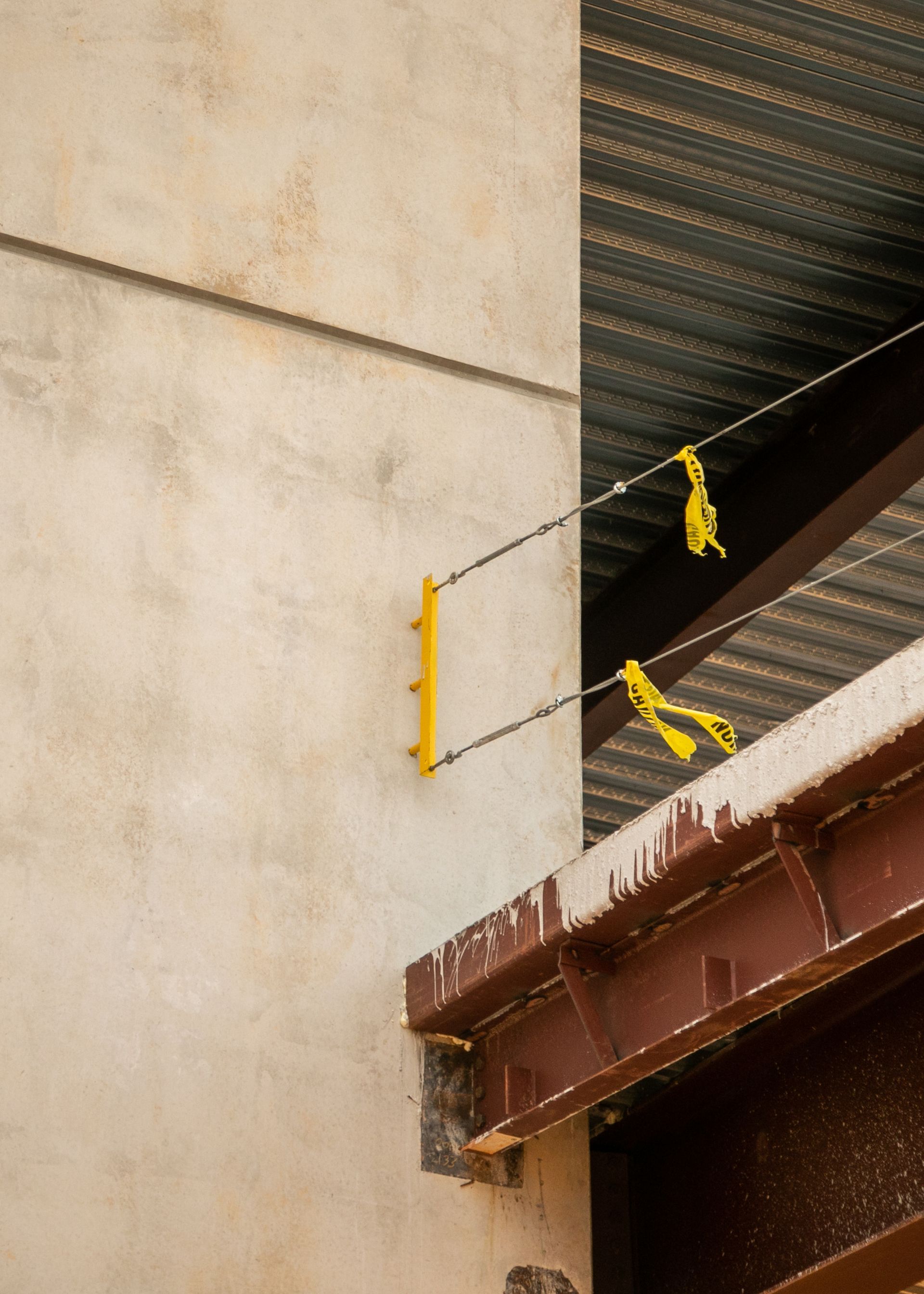
We evaluate your roof or structure, map hazards, and determine the anchors needed.
2. Engineering Review
Text should extend…
FAQs
Answers to common questions from contractors and jobsite safety teams.
How strong does anchor hardware need to be?
OSHA requires anchorages for personal fall arrest to support at least 5,000 pounds per attached worker, or to be designed and used under a qualified person as part of a complete system with a safety factor of at least two. Always follow the manufacturer's rated capacity.
Can I use any fastener with my anchor?
No. Use only the fasteners specified by the manufacturer, installed in the required structure and pattern. Substituting fasteners can reduce the strength of the anchor.
Should hardware be inspected?
Yes. Inspect anchors and connectors before each use for corrosion, deformation, cracks or loose fasteners. Permanent anchors also need periodic inspection and recertification by a qualified person, as set by the manufacturer.
What if an anchor has arrested a fall?
Remove it from service immediately. It should be inspected by a qualified person and replaced or recertified as the manufacturer directs before anyone uses it again.
OUTCOMES
Safer crews.
Fewer delays.
One standard.
Properly selected and installed hardware gives crews a dependable connection to the structure and keeps projects moving.
Need Support on Your Next Project?
Talk with a safety specialist to determine the right lifeline or SRL system for your project.

 FREE INSTANT ESTIMATE