

Competent Person Training
Training for supervisors and foremen who identify fall hazards, inspect equipment and keep crews safe at height.
Lead your crew with confidence.
OSHA defines a competent person as someone who can identify existing and predictable hazards and has the authority to take prompt corrective action. On many jobsites, that person is the supervisor or foreman.
Onsite Safety trains your leaders to spot fall hazards, inspect fall protection systems and equipment, and make the right call before someone is at risk.
Harnesses & PPE made for your type of work
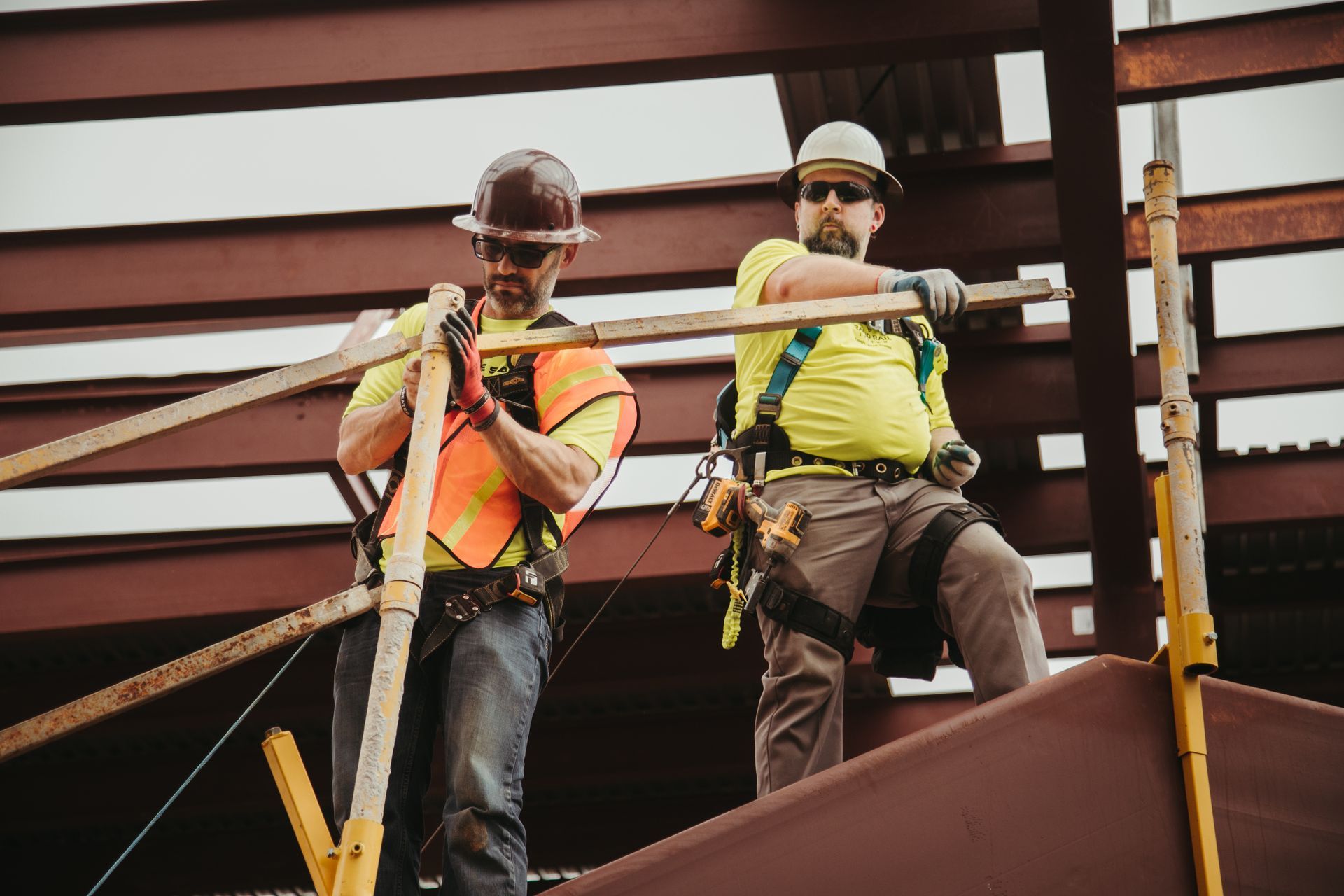
COMMERCIAL ANCHOR POINTS
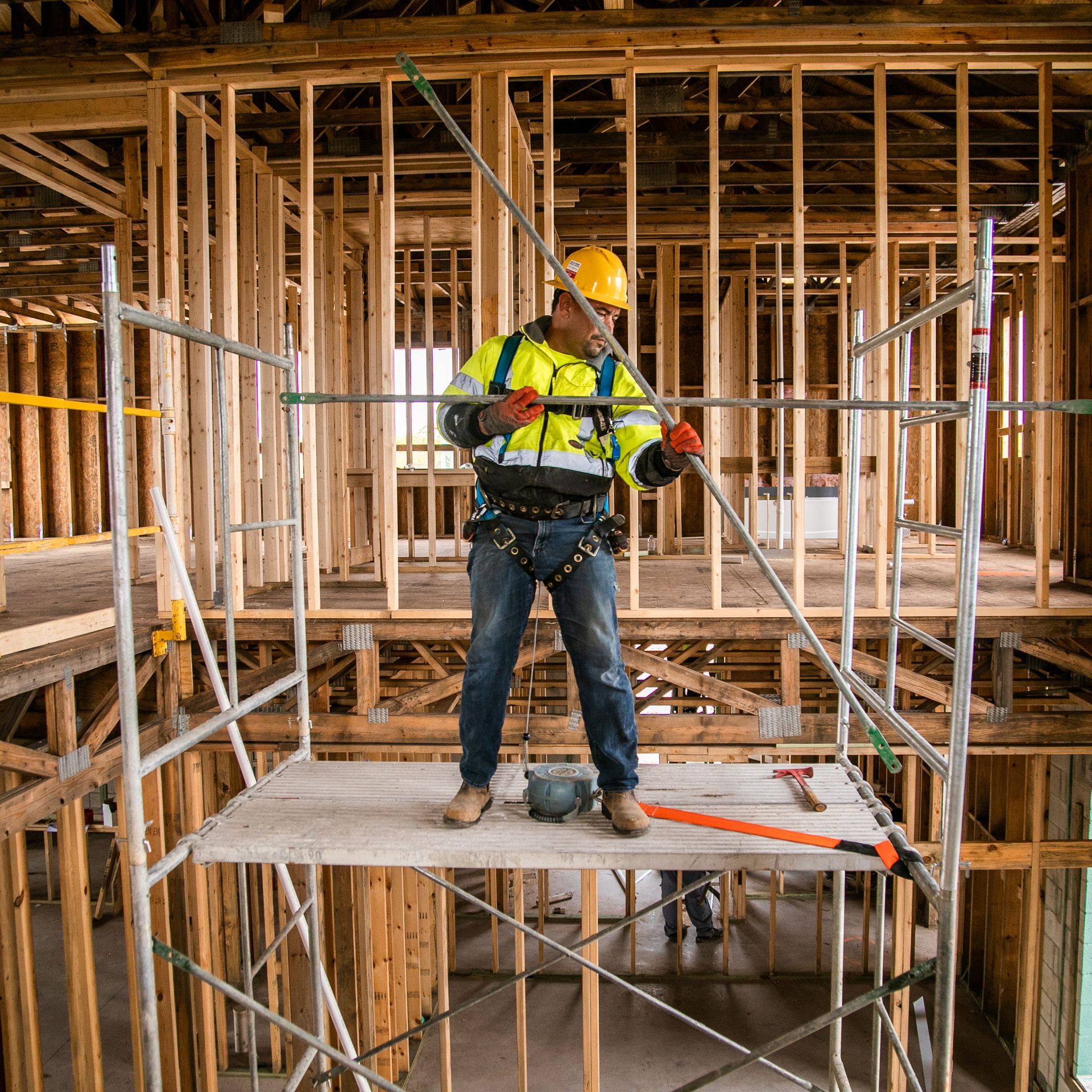
RESIDENTIAL ANCHOR POINTS
Different projects require different applications. Explore how fall protection systems are applied in residential and commercial environments.
The Competent Person's Role
What a Competent Person Does
Three responsibilities every supervisor at height needs to own.
Identify Hazards
Recognize fall hazards before work starts and as conditions change.
- Roof edges, openings and leading edges
- Changing site conditions
- Predictable hazards in each task
Inspect Systems & Equipment
Check that protection is in place and in good condition.
- Harnesses, lanyards and SRLs
- Anchors and lifelines
- Guardrails and warning lines
Correct & Oversee
Act on problems and guide the crew.
- Stop work and fix unsafe conditions
- Direct safe work practices
- Support the fall protection plan
The Onsite Safety Difference
Who Should Attend
Anyone who supervises work at height or is designated to inspect fall protection.
Residential & Roofing
- Crew leads and roofing foremen
- Project managers and site supervisors
- Safety coordinators
Commercial & Industrial
- General contractor superintendents
- Steel, decking and trade foremen
- Facility and maintenance supervisors
What Your Supervisors Will Learn
Training builds on the topics OSHA requires in fall protection training.
- OSHA fall protection standards and duties
- Hazard identification and assessment
- Selecting suitable fall protection systems
- Inspecting harnesses, connectors and anchors
- Guardrails, nets, warning lines and safety monitoring
- Fall protection plans and documentation
- Rescue planning for workers after a fall
- Training and coaching workers on the crew
HOW IT WORKS
Correct gear starts with the right process.
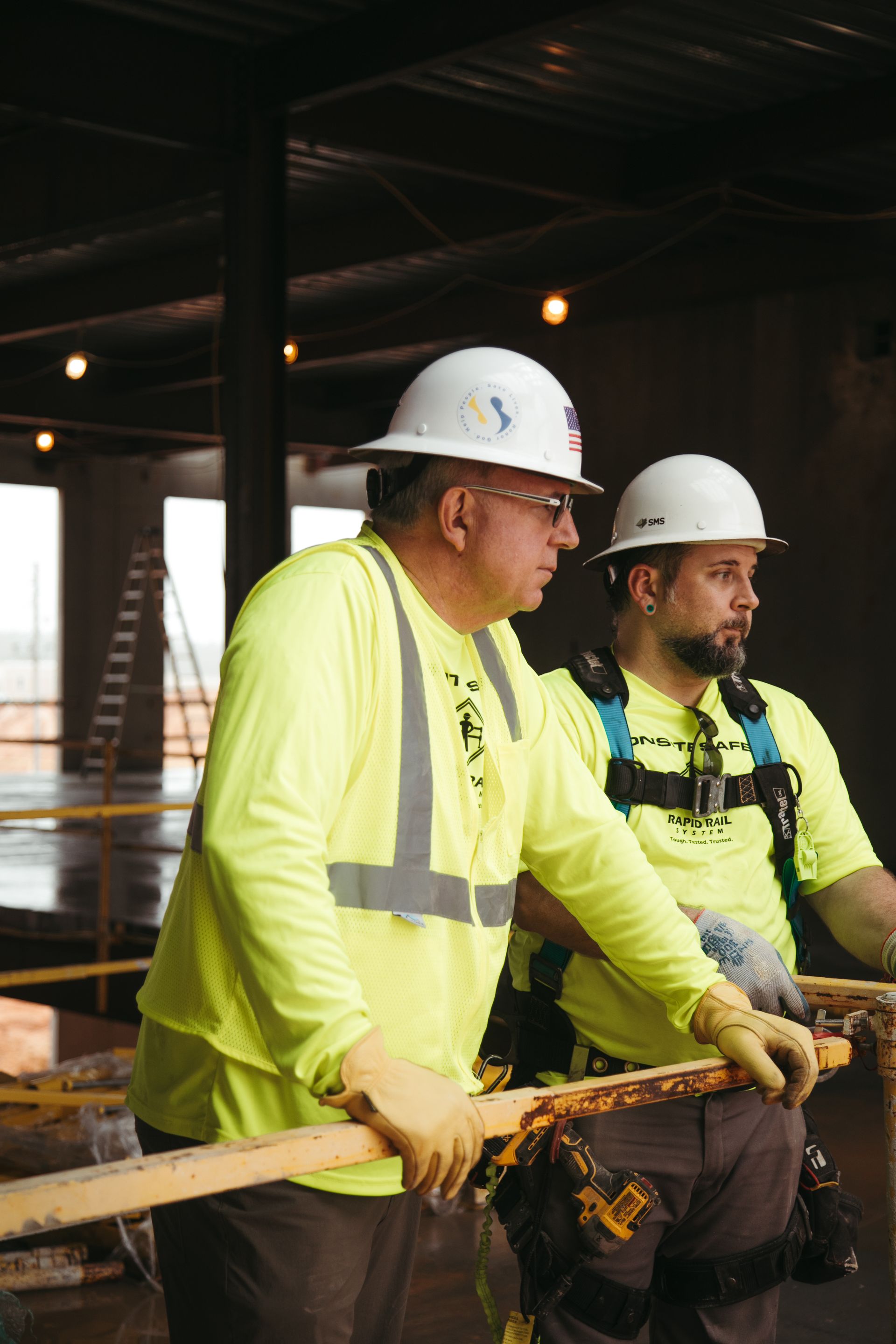
1. Site Assessment
We evaluate your roof or structure, map hazards, and determine the anchors needed.
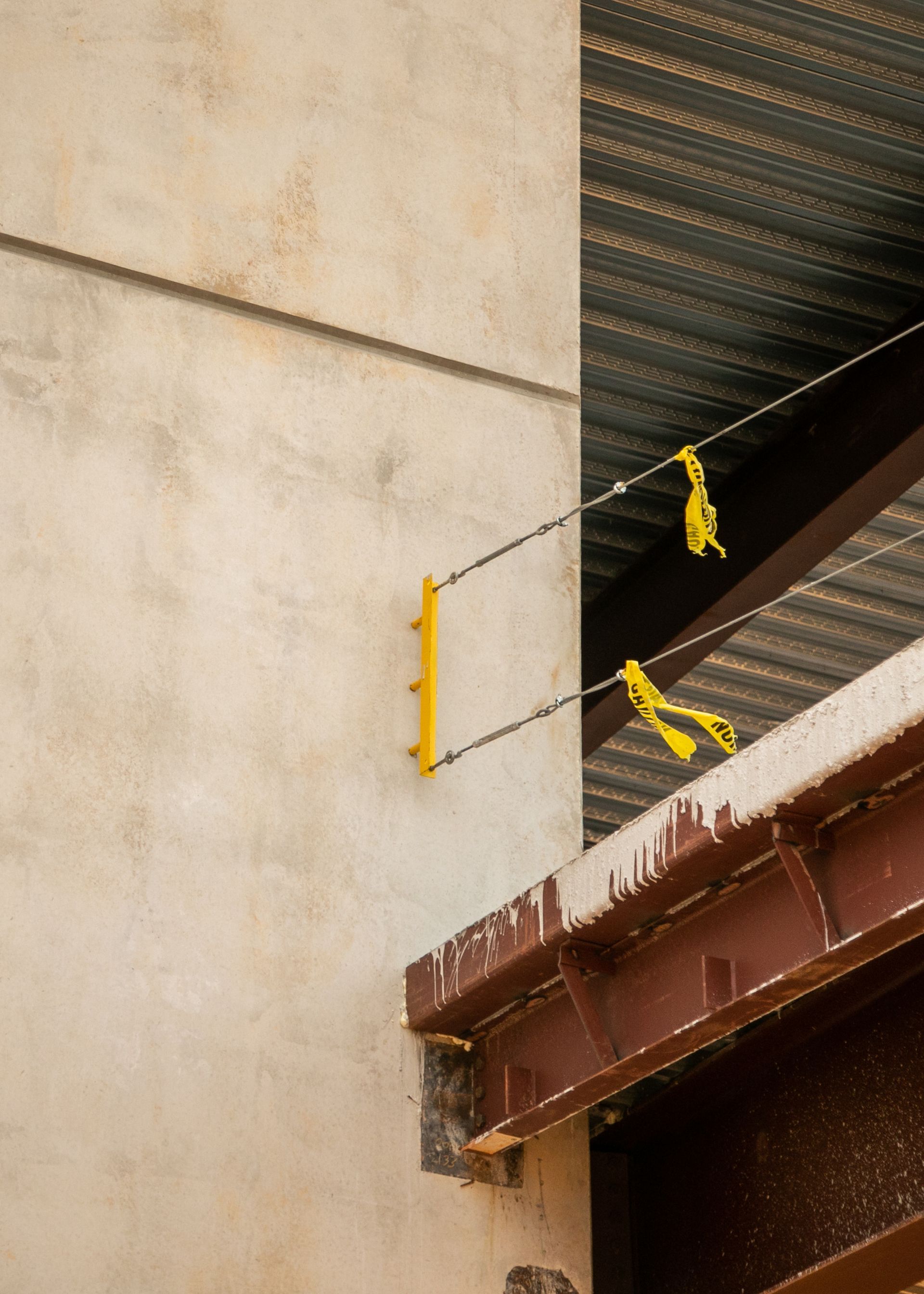
2. Engineering Review
Text should extend…
FAQs
Answers to common questions from contractors and jobsite safety teams.
What is a competent person under OSHA?
A competent person can identify existing and predictable hazards in the work area and has authorization to take prompt corrective measures. OSHA also requires fall protection training to be taught by a competent person qualified in the subject.
Does OSHA certify competent persons?
No. Employers designate their own competent persons based on training, knowledge and experience. Training helps support that designation, and Onsite Safety provides documentation for your records.
Is a competent person different from an authorized worker?
Yes. An authorized worker is trained to work safely where fall hazards exist. A competent person has more responsibility: finding hazards, inspecting systems and having the authority to correct problems.
Can training be customized to our jobsite?
Yes. We can focus on the systems, equipment and hazards your supervisors deal with. Contact us to discuss your needs.
OUTCOMES
Safer crews.
Fewer delays.
One standard.
Trained crews use equipment correctly, catch problems early and keep projects on schedule.
Need Support on Your Next Project?
Talk with a safety specialist to determine the right safety rail system for your project.
 FREE INSTANT ESTIMATE