OSHA Certification and Fall Protection Training: What Every Construction Company Needs to Know

Why Safety Training Is Critical in Construction

Safety equipment alone does not prevent accidents. Workers must understand how to properly use fall arrest systems, anchor points, and protective gear.


The Occupational Safety and Health Administration requires employers to provide proper training for employees exposed to fall hazards.


ο»ΏWithout proper training, even the best equipment can fail.

What Is OSHA Certification?

OSHA certification refers to safety training programs designed to educate workers on hazard recognition, fall protection requirements, and workplace safety standards.


Common certifications include:

● OSHA 10 Hour Construction

● OSHA 30 Hour Construction

● Fall Protection Training

● Fall Arrest Training


These certifications improve workplace safety and demonstrate compliance during inspections.

What Is Covered in Fall Protection Training?

Professional fall protection training includes:

Hazard Recognition

Workers learn how to identify fall risks on:

● Roofs

● Ladders

● Scaffolding

● Elevated platforms

Proper Use of Equipment

Training covers:

● Harness fitting

● Anchor point inspection

● Lifeline setup

● Guardrail system use

Fall Arrest Procedures 

Workers are trained on:

● How fall arrest systems function

● How to minimize swing falls

● Emergency rescue planning

The Cost of Skipping Training

Failure to provide OSHA compliant training can result in:

● Expensive citations

● Increased injury rates

● Lawsuits

● Higher insurance premiums

● Project delays Proper safety training protects both workers and company leadership.

The Role of Safety Consulting and Site Audits

Training is most effective when combined with professional safety consulting.


Onsite Safety offers:

● Safety inspections

● Site audits

● OSHA compliance reviews

● Risk mitigation strategies A proactive approach reduces violations and creates a culture of safety.

Benefits of OSHA Certification for Your Business

Investing in OSHA certification and fall protection training helps:

● Reduce workplace injuries

● Improve team confidence

● Increase productivity

● Strengthen company reputation

● Lower liability exposure Clients are more likely to work with contractors who prioritize safety and compliance.

Final Thoughts

Fall protection is not just about compliance. It is about protecting lives, reducing liability, and maintaining a professional work environment.


If your project involves working at heights, contact Onsite Safety for a full fall protection assessment and customized solution.


You may also be interested in:

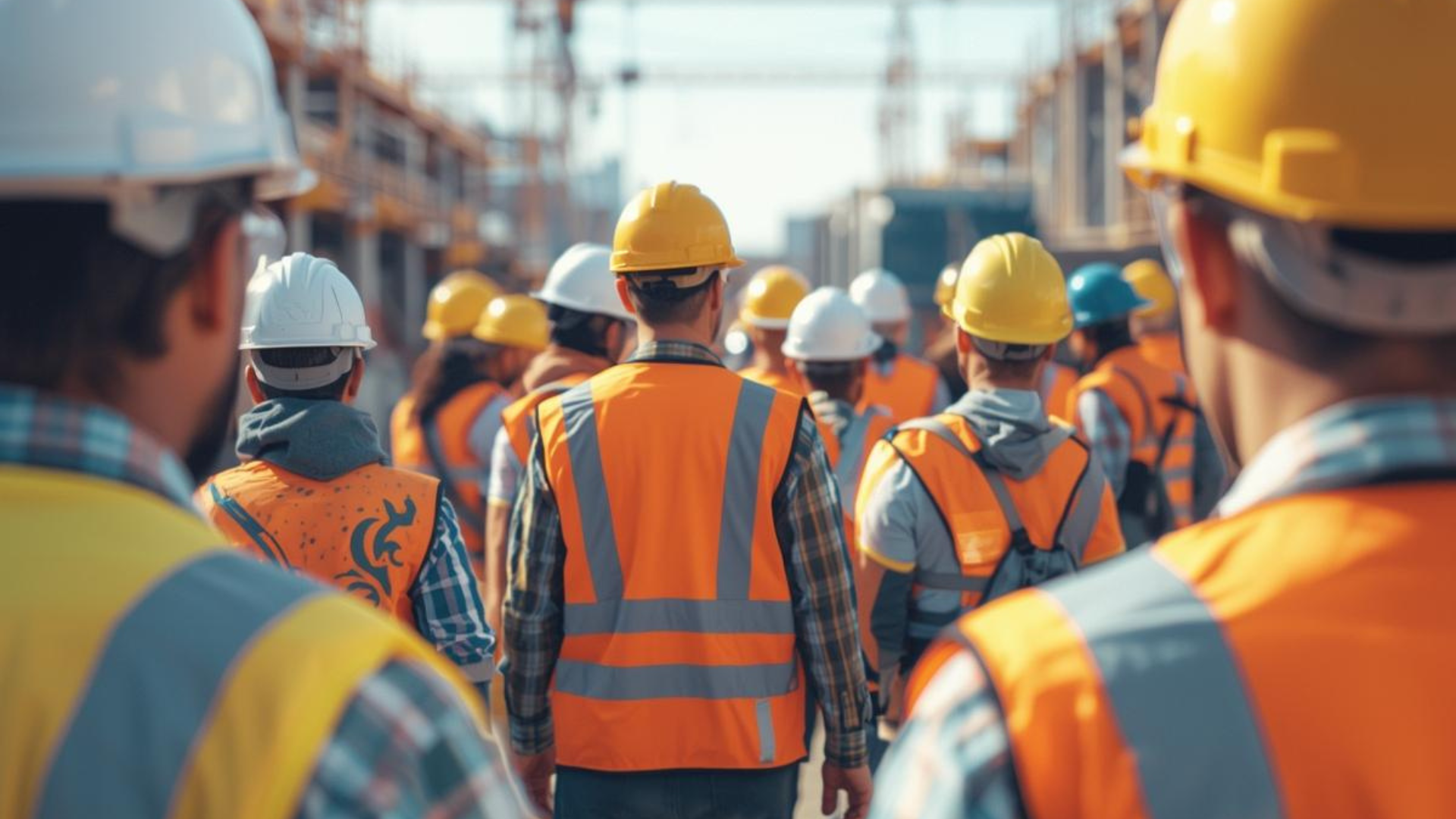
Construction workers wearing hard hats and safety vests walking on a construction site.
February 16, 2026
Essential construction safety equipment and gear every jobsite must have. From harnesses to hard hats—stay compliant and protect your crew.
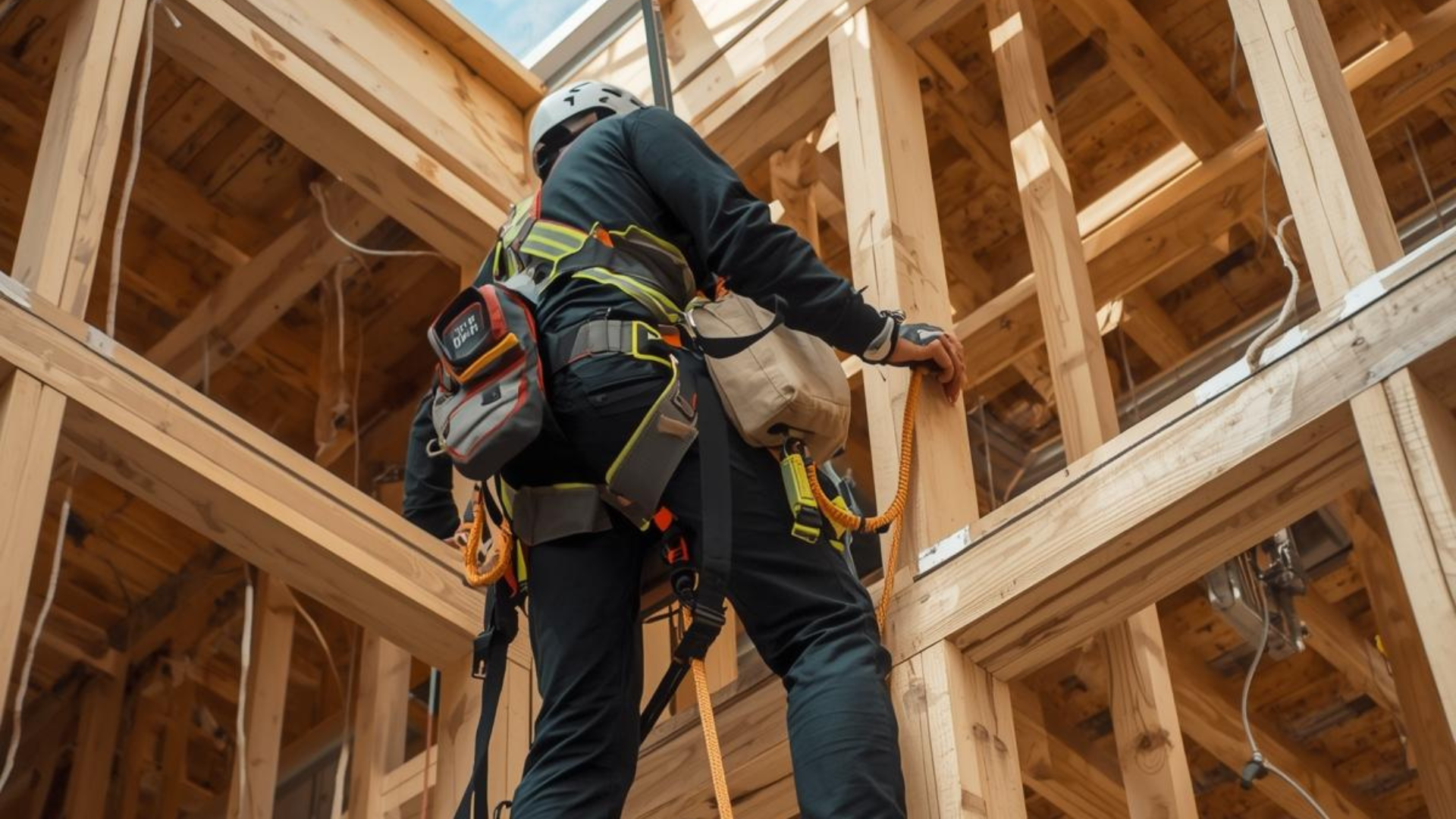
Construction worker in safety harness at wooden framing site.
February 16, 2026
Fall arrest systems explained: anchor points, lifelines, and OSHA compliance. Essential guide for construction safety at height.
Blueprint with construction tools, including a level, hard hat, and compass.
February 16, 2026
Temporary vs permanent guardrail systems: choose the right fall protection for your construction project. Compare benefits, compliance, and application.