Rescue Awareness Training

Learn the basics of safe rescue response and workplace emergency readiness.

Rescue Awareness Training for Safer Emergency Response

Rescue Awareness Training helps employees recognize potential rescue situations, understand workplace hazards, and respond safely during emergencies. It provides essential knowledge about rescue procedures, communication, and the importance of following established safety protocols.


This training also helps teams understand their roles and limitations during a rescue event, reducing the risk of additional injuries. With better awareness and preparation, employees can support a safer and more organized emergency response.
Harnesses & PPE made for your type of work

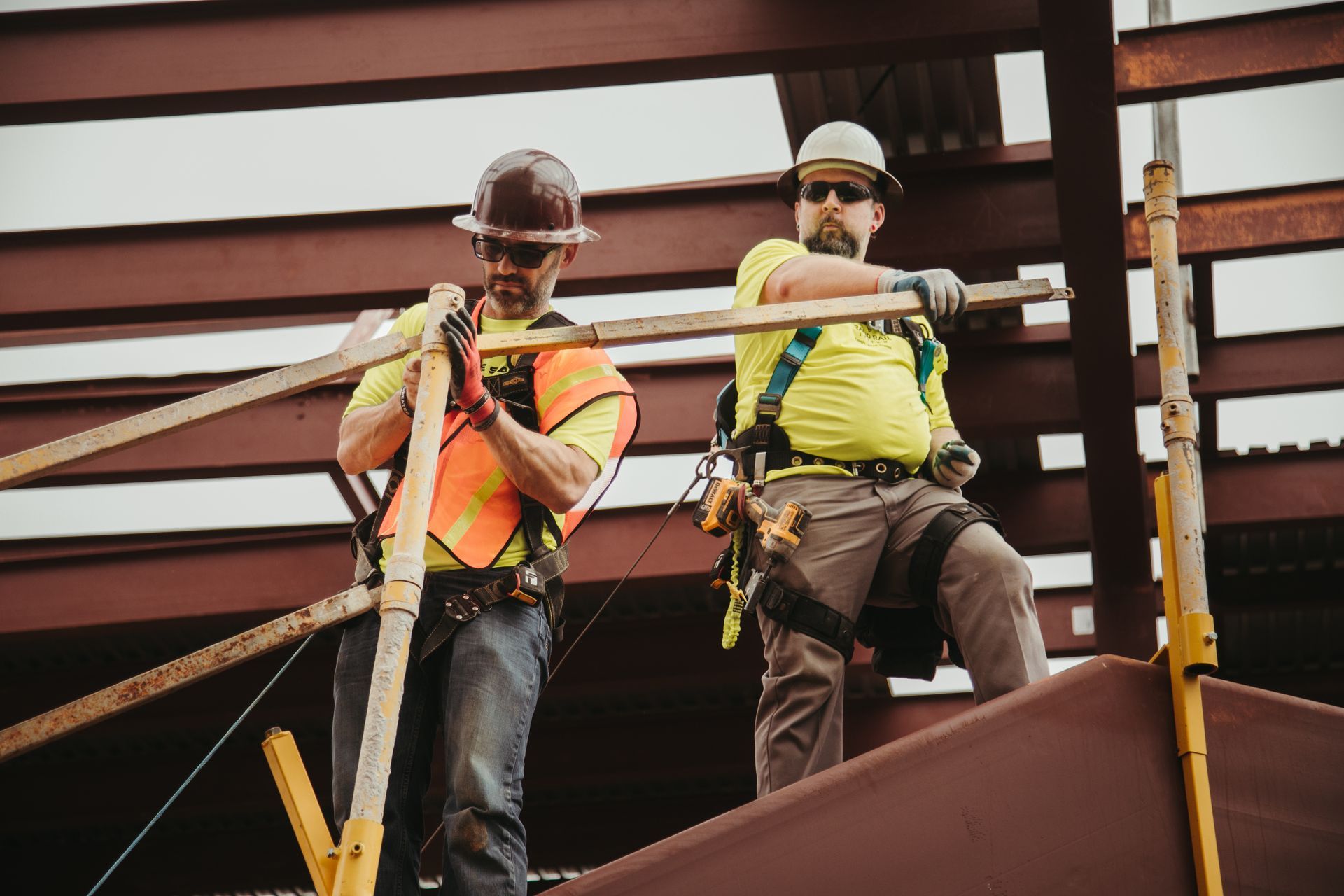
Two construction workers in hard hats and safety vests working on a steel beam.

COMMERCIAL ANCHOR POINTS

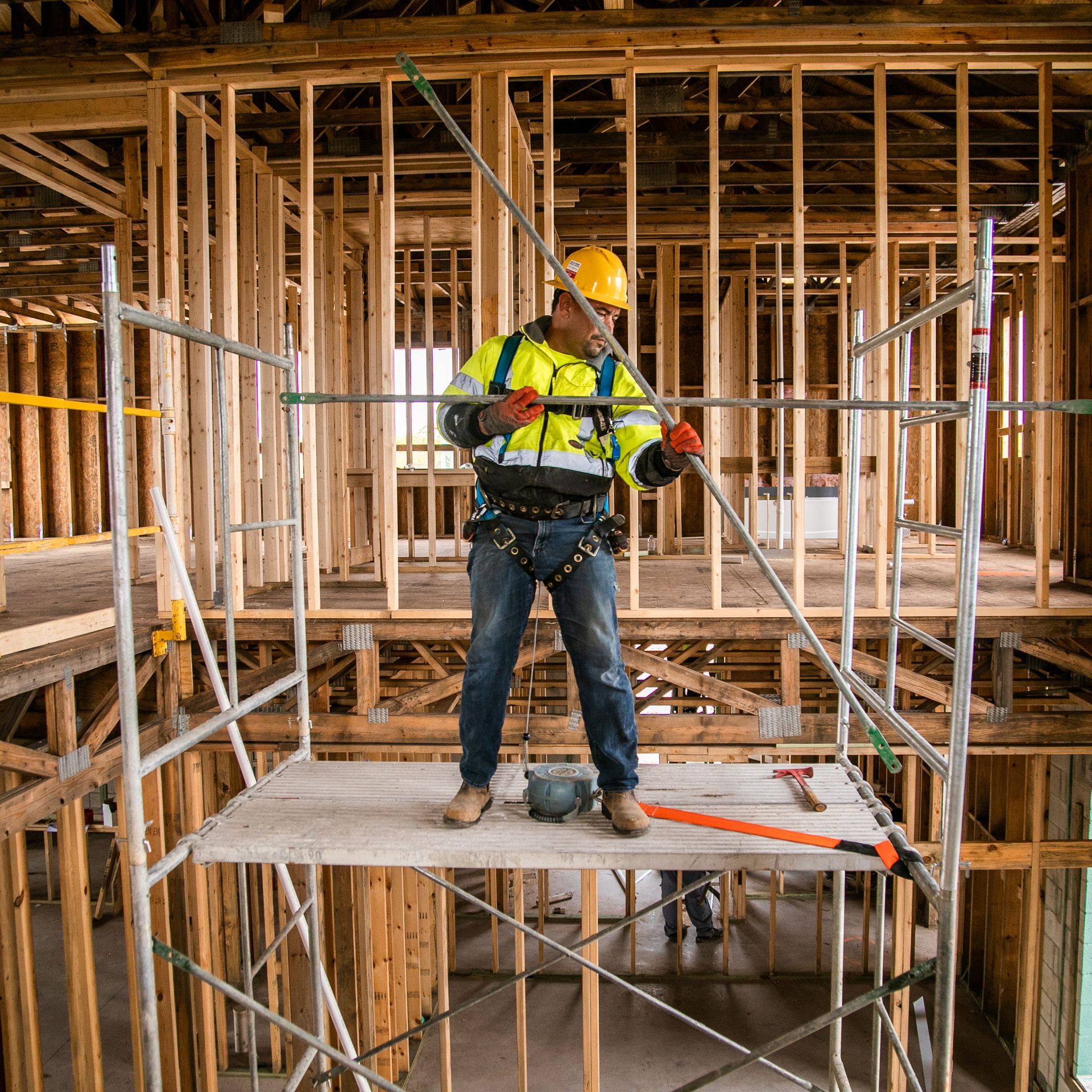
Construction worker in a hard hat and reflective vest on scaffolding inside a wooden house frame.

RESIDENTIAL ANCHOR POINTS

Different projects require different applications. Explore how fall protection systems are applied in residential and commercial environments.

The Onsite Safety Difference

Training for Your Type of Work

Examples are matched to what your crew actually does.

Residential & Roofing Crews

  • Roof, ladder and edge hazards
  • Tool, nail gun and material handling safety
  • Heat illness and small-crew practices

Commercial & Industrial Crews

  • Multi-trade site coordination
  • Electrical, trenching and equipment hazards
  • Supervisor duties and safety programs

What Your Crew Will Learn

Construction courses center on the "Focus Four" hazards behind most serious jobsite injuries.

  • Falls, including ladders, scaffolds and roofs
  • Electrocution hazards
  • Struck-by hazards
  • Caught-in or caught-between hazards
  • Personal protective equipment and lifesaving equipment
  • Health hazards in construction
  • Worker rights and employer responsibilities
  • How to report hazards and file OSHA complaints

HOW IT WORKS

Correct gear starts with the right process.

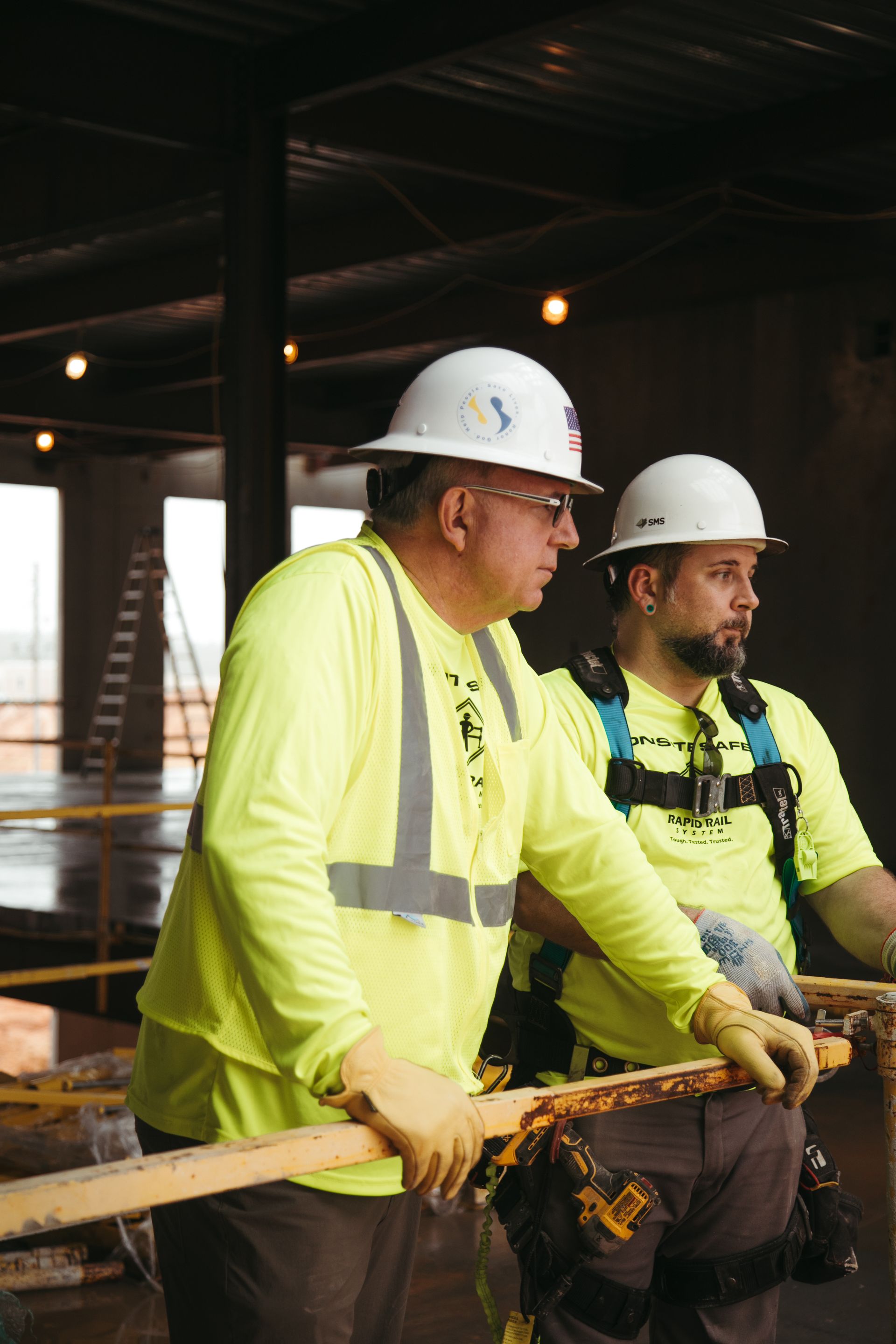
Two construction workers in hard hats and neon safety shirts at a worksite, leaning on a railing.

1. Site Assessment

We evaluate your roof or structure, map hazards, and determine the anchors needed.

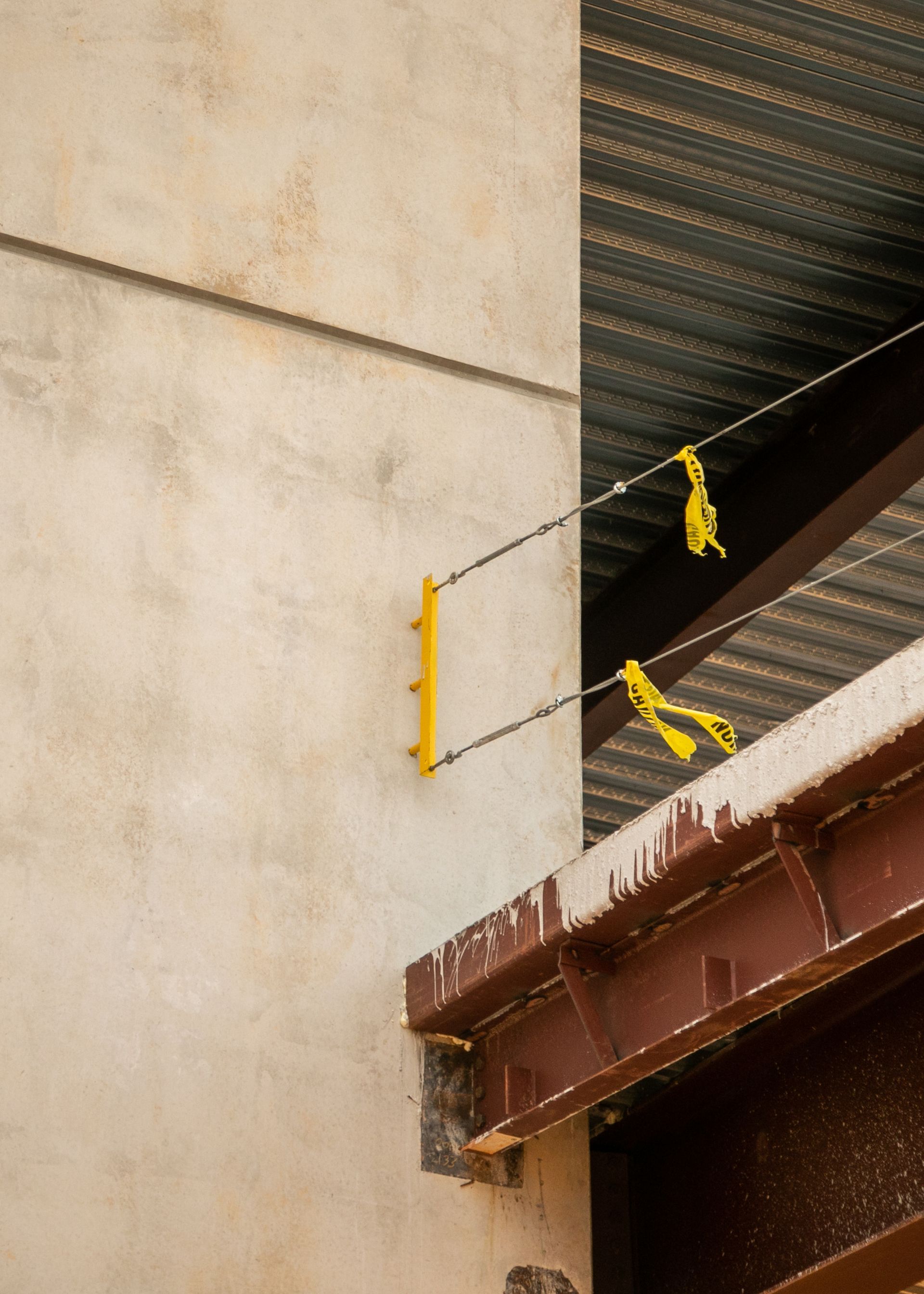
Yellow safety cables attached to a building facade above a roof edge under construction.

2. Engineering Review

Text should extend…


OUTCOMES

Safer crews.
Fewer delays.
One standard.

Workers and supervisors who understand jobsite hazards help prevent injuries and keep projects on track.

Need Help Right Now?

Talk with a safety specialist to learn how Onsite Safety can support your next project.