

Safety Rail Systems
Permanent and temporary guardrails that protect people at roof edges, platforms and openings, with no harness required.
Passive protection for every edge.
Guardrails that work without effort.
Safety rails create a physical barrier at the edge of a roof, platform or opening. Unlike a harness, workers do not need to clip in for the barrier to protect them.
Onsite Safety supplies and installs guardrail systems built to meet OSHA requirements and matched to your structure and work schedule.
Harnesses & PPE made for your type of work
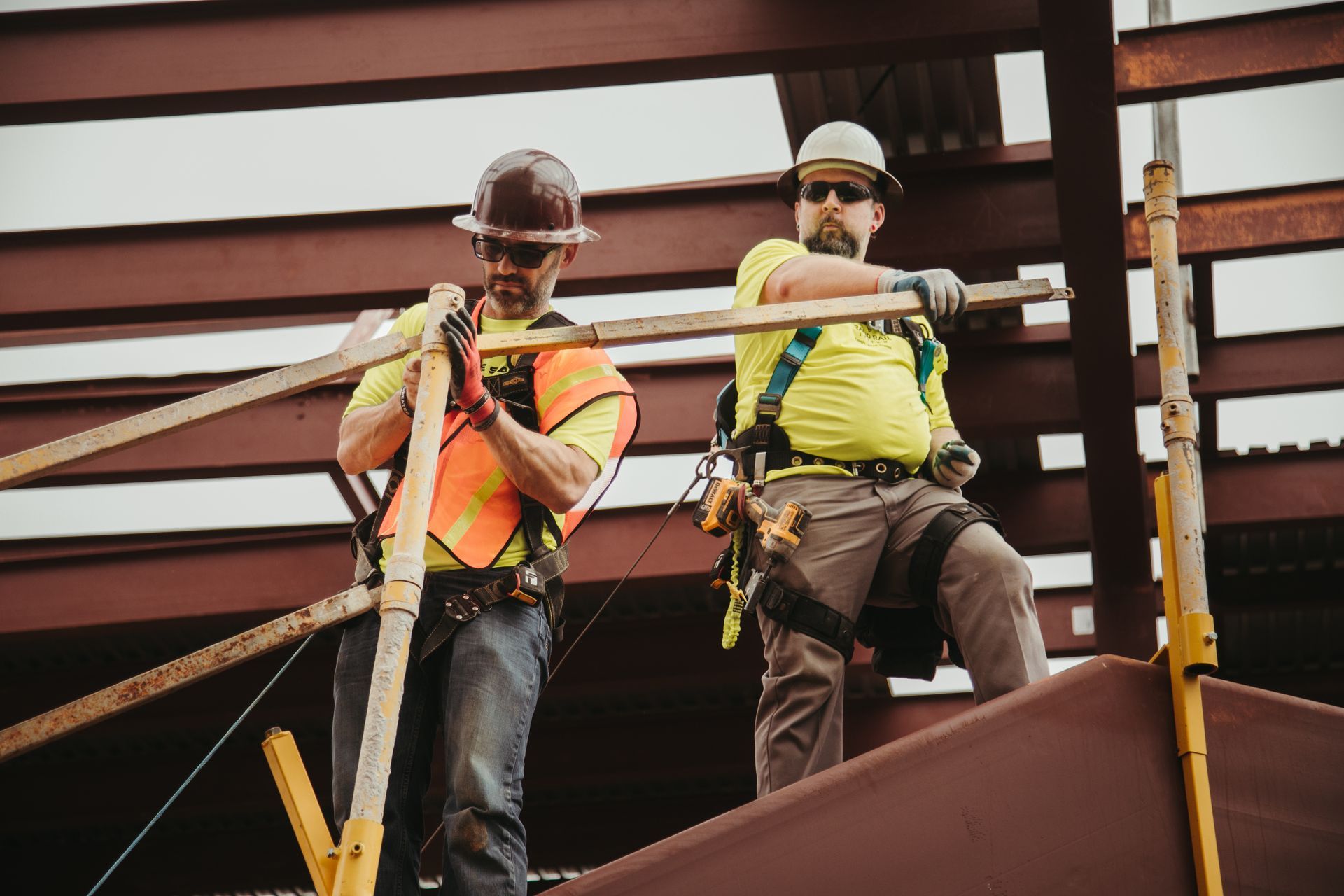
COMMERCIAL ANCHOR POINTS
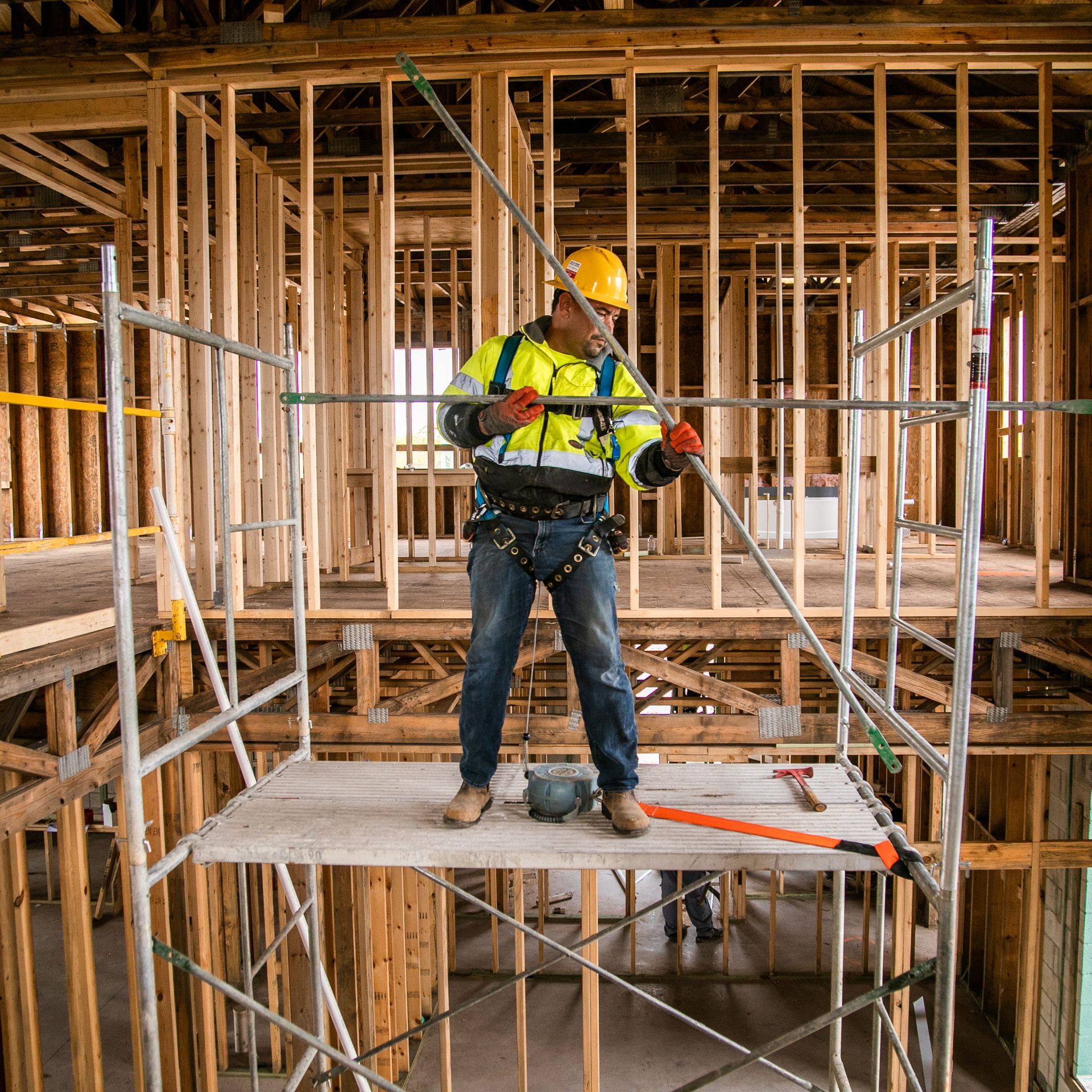
RESIDENTIAL ANCHOR POINTS
Different projects require different applications. Explore how fall protection systems are applied in residential and commercial environments.
Safety Rail Systems made for your type of work.
COMMERCIAL SAFETY RAILS
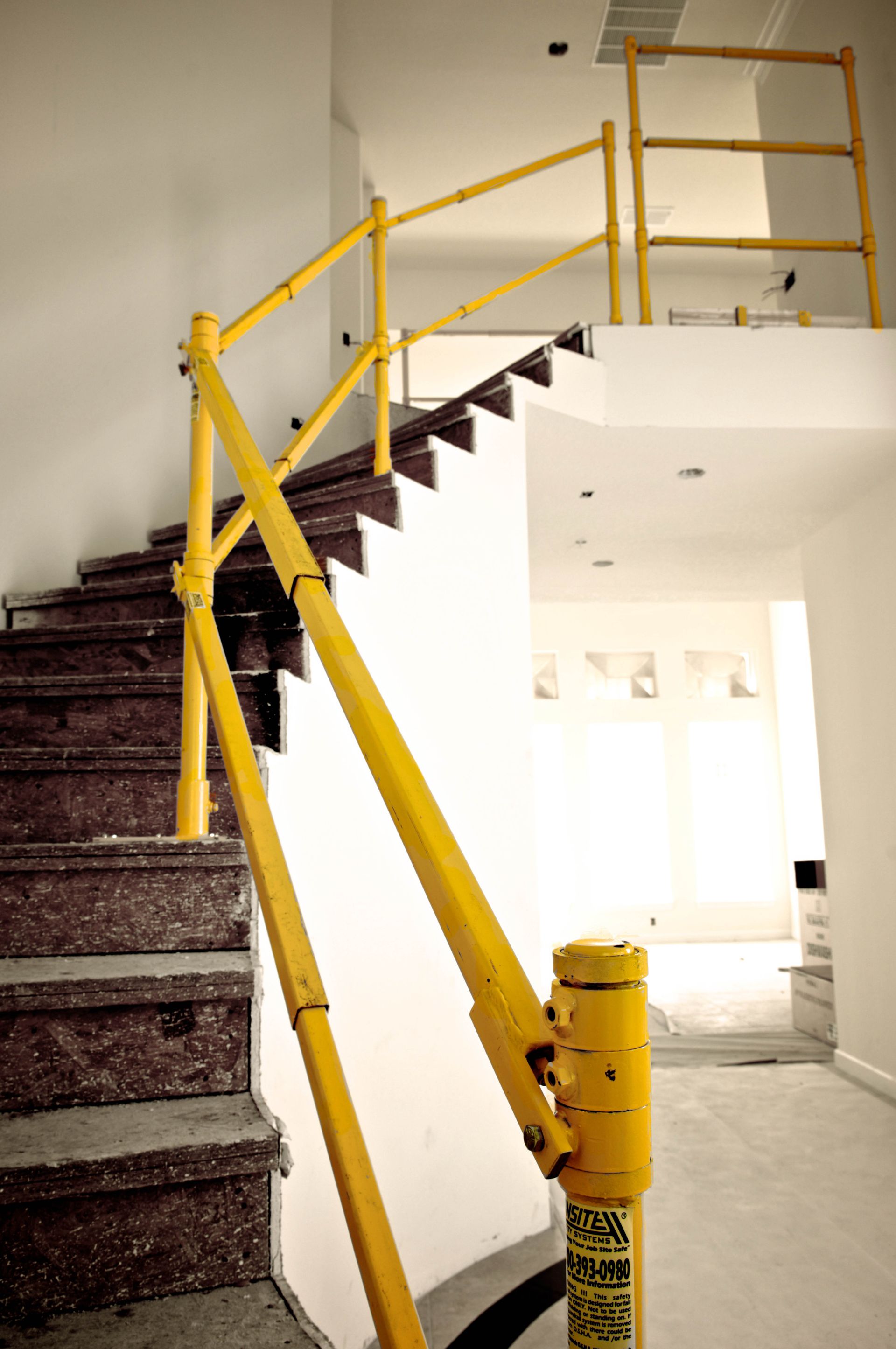
RESIDENTIAL & ROOFING RAILS
Different projects call for different rail systems. Explore how guardrails are applied on commercial and residential sites.
What is a Guardrail System?
A guardrail system is a barrier that prevents falls from an open edge. OSHA's construction standard sets the top rail at 42 inches, plus or minus 3 inches, above the walking surface. It requires midrails, screens or mesh between the top rail and the surface, and toeboards where objects could fall on people below.
Commonly used for:
- Roof edges and parapets
- Mezzanines, platforms and walkways
- Floor and stair openings
- Skylights and rooftop equipment areas
Safety Rails for Commercial & Industrial Facilities
Durable systems for maintenance, production and rooftop work.
Commercial rails protect maintenance teams, contractors and service crews on roofs and elevated platforms. Systems are selected for the structure, wind and traffic, and installed so they can carry the required loads.
Common applications:
- Rooftop HVAC and equipment access
- Mezzanines and elevated platforms
- Loading docks and open edges
- Skylight and roof hatch protection
Key benefits:
- Designed to meet OSHA guardrail requirements
- Permanent and non-penetrating options
- Protects several workers at once without harnesses
- Low maintenance and long service life
Safety Rails for Residential Homes & Roofing
Temporary edge protection for construction and roofing crews.
Temporary guardrails protect crews at open edges during framing, roofing and other exterior work. They are set up when work begins and removed when it ends.
Common applications:
- Roof edges during re-roofs and new builds
- Open floor edges and stairwells
- Balconies and decks under construction
- Storm damage repair
Key benefits:
- Fast setup and removal
- Clamp-on, weighted and post-mounted options
- Reduces tie-off time for crews
- Reusable across multiple projects
THE ONSITE SAFETY DIFFERENCE
Types of Safety Rail Systems We Install
A range of systems to match your structure and safety needs.
Permanent Guardrails
Fixed rails attached to the structure for long-term roof and platform protection.
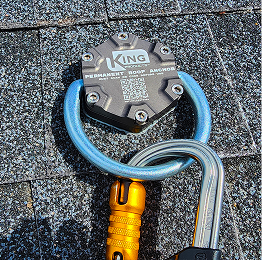
Non-Penetrating Rails
Counterweighted systems that protect roof edges without drilling through the roof.
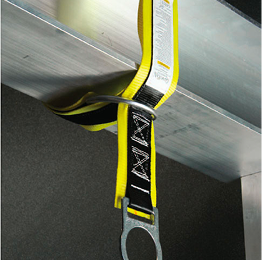
Clamp-On Temporary Rails
Clamp to a parapet, slab edge or framing for fast, removable protection.
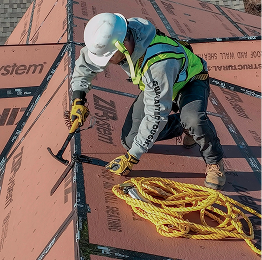
Opening Protection
Rails, screens and covers for skylights, floor openings and hatches.
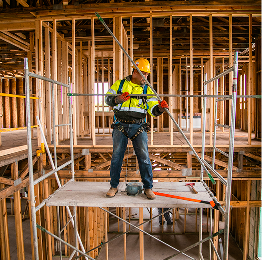
Custom Systems
Engineered rails for unusual roof shapes, elevations and access needs.
HOW IT WORKS
Correct gear starts with the right process.
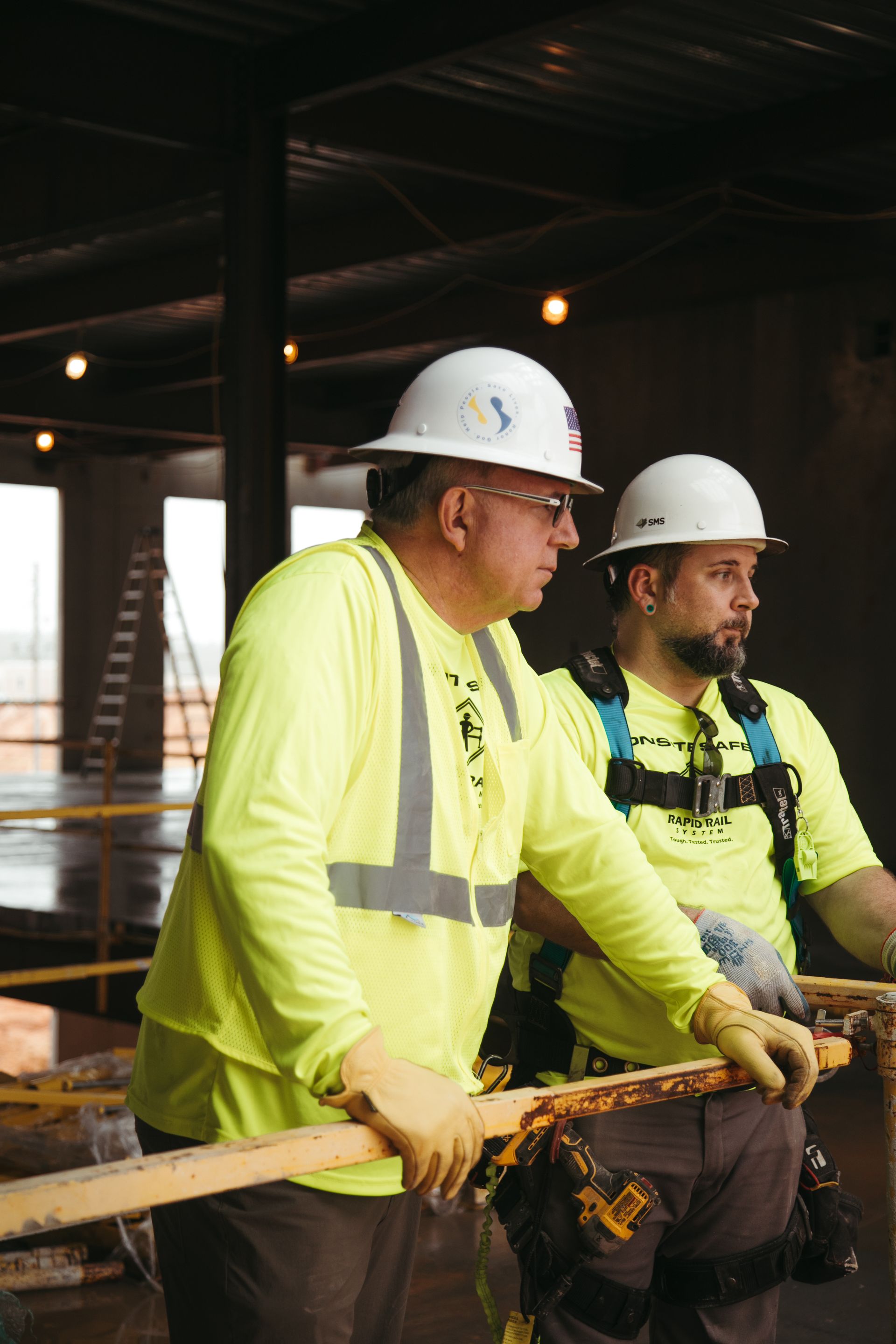
1. Site Assessment
We evaluate your roof or structure, map hazards, and determine the anchors needed.
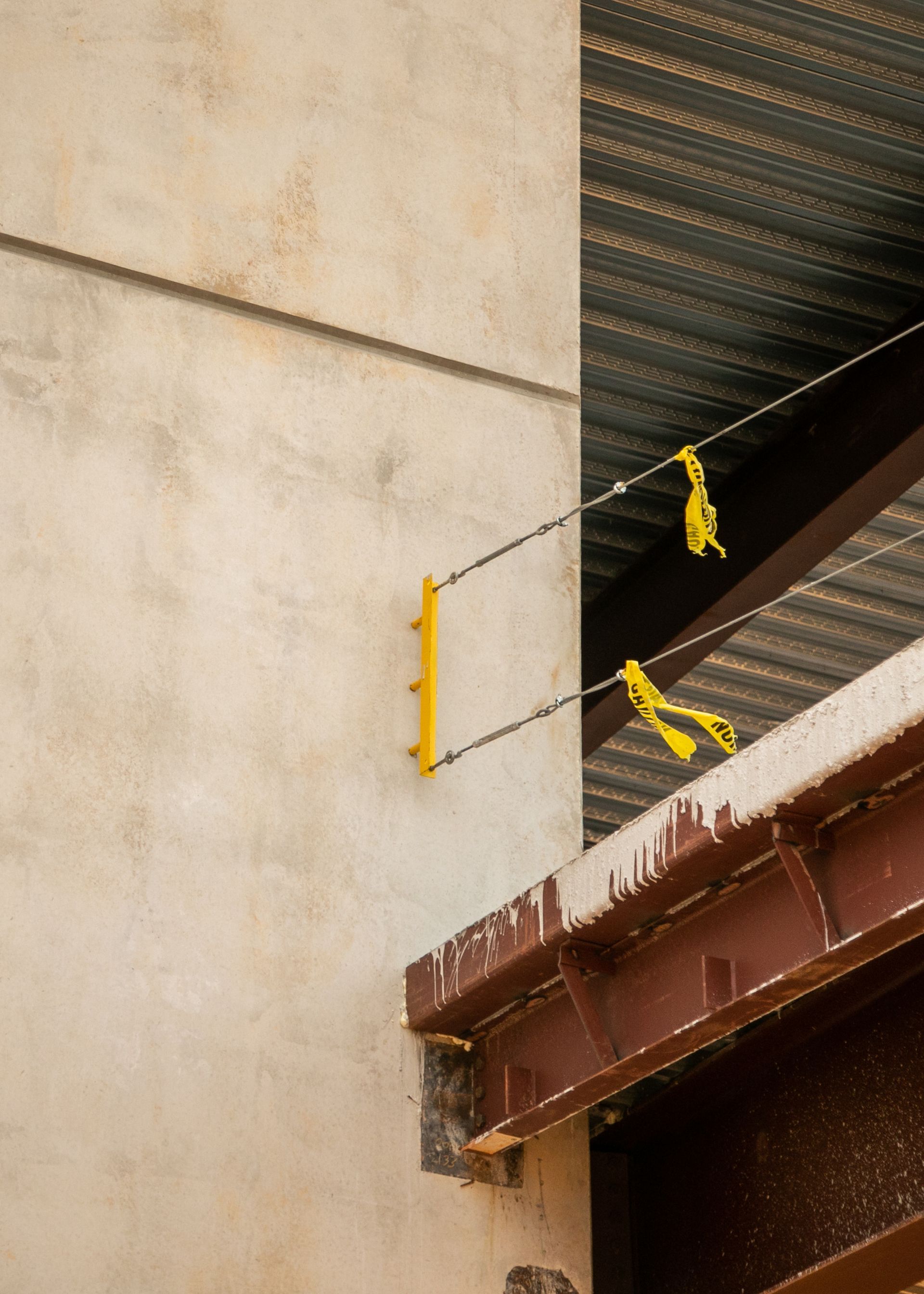
2. Engineering Review
Text should extend…
FAQs
Answers to common questions from contractors and jobsite safety teams.
When is a guardrail required?
OSHA generally requires fall protection at 6 feet in construction and 4 feet in general industry. A guardrail is one accepted option, along with safety nets and personal fall arrest systems, depending on the situation.
How high and how strong must a guardrail be?
Under OSHA's construction standard, the top rail is 42 inches (plus or minus 3) above the walking surface. It must withstand at least 200 pounds applied outward or downward, and midrails must withstand at least 150 pounds.
Do rails need toeboards?
Where people could be struck by falling tools or materials, toeboards are used. They must be at least 4 inches tall and withstand at least 50 pounds of force.
Can guardrails be installed without drilling into the roof?
Yes. Non-penetrating counterweighted systems are available for many roof types. The right choice depends on the roof structure, edge height and wind exposure, which we confirm during the site assessment.
OUTCOMES
Safer crews.
Fewer delays.
One standard.
Guardrails give every worker on site the same protection at the edge, without the extra steps of tying off.
Need Support on Your Next Project?
Talk with a safety specialist to determine the right safety rail system for your project.

 FREE INSTANT ESTIMATE