
The Complete Guide to Fall Protection Systems in Construction

Why Fall Protection Matters
Falls remain one of the leading causes of serious injuries and fatalities in the construction industry. According to the Occupational Safety and Health Administration, fall hazards are consistently among the most cited workplace violations.
For companies working at heights, investing in proper fall protection systems is not optional. It is a legal requirement and a moral responsibility.
At Onsite Safety, we design, install, and inspect fall protection systems that keep your team safe and your project compliant.
What Is a Fall Protection System?
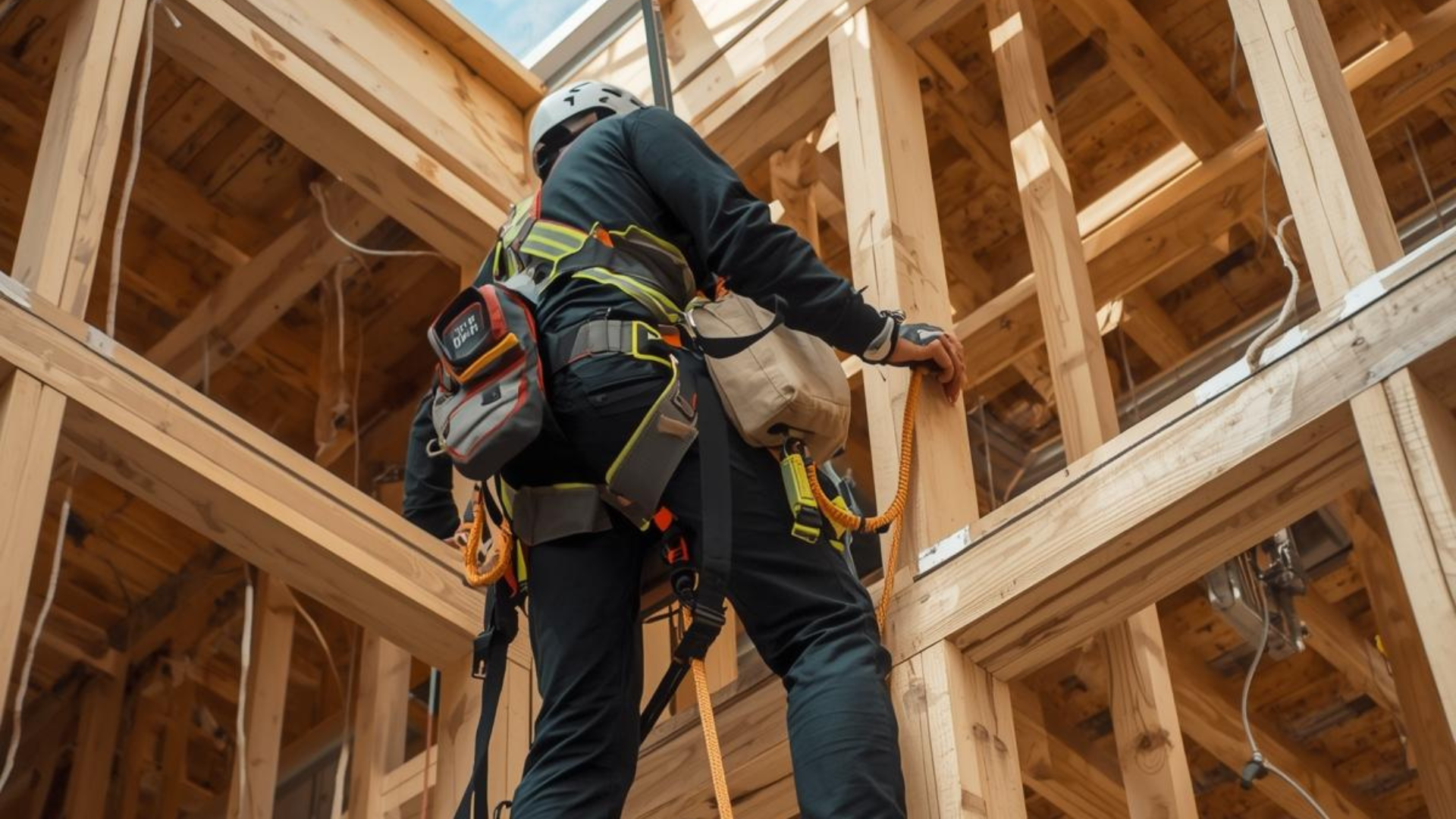
A fall protection system is a combination of equipment and procedures designed to prevent workers from falling or to safely stop a fall in progress.
ο»ΏThere are two main categories:
1. Fall Prevention Systems
These prevent a fall from happening.
Examples:
β Guardrails
β Temporary rails
β Permanent rails
β Edge protection
β Bollards
ο»Ώβ Controlled access zones
2. Fall Arrest Systems
These stop a worker safely if a fall occurs.
Examples:
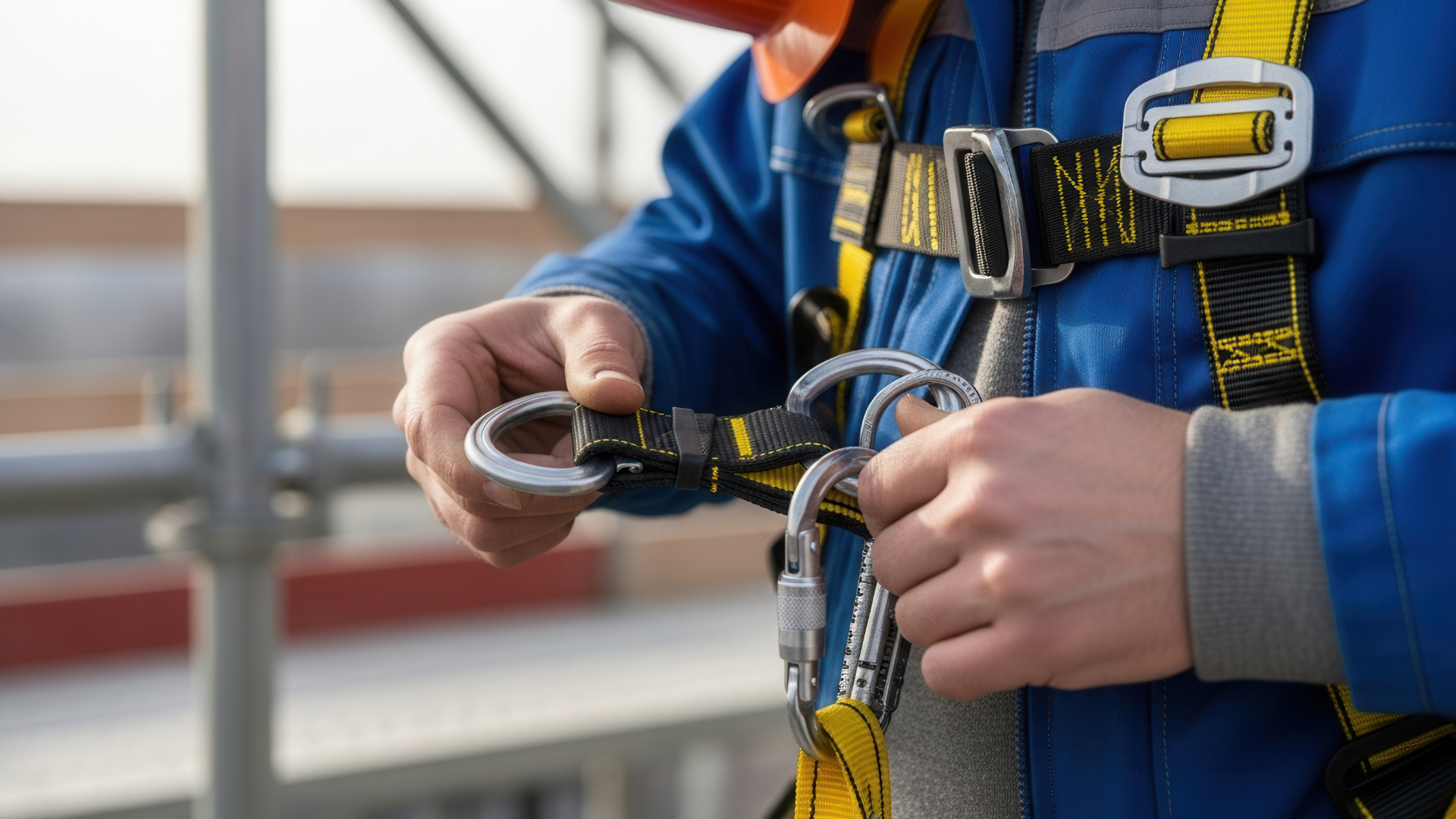
β Anchor points
β Lifelines
β Full body harnesses
β Shock absorbing lanyards
β Horizontal and vertical lifeline systems
Key Components of a Reliable Fall Protection System
Anchor Points
Anchor points are secure tie off locations rated to withstand specific loads. Improper anchorage is one of the most common compliance failures during inspections.
Professional installation ensures:
β Proper load rating
β Correct placement
β Compliance with OSHA standards
ο»Ώβ Long term durability
Guardrails and Edge Protection
Guardrails are one of the most effective passive safety solutions. Once installed, they require no worker action to provide protection.
Guardrail systems are ideal for:
β Rooftops
β Elevated platforms
β Open edges
β Mezzanines
ο»Ώβ Temporary construction zones
Lifelines
Horizontal and vertical lifelines allow workers mobility while remaining tied off. They are ideal for roofing, steel erection, and maintenance work.
A properly engineered lifeline system:
β Reduces fall forces
β Maintains worker productivity
β Meets OSHA compliance standards ο»Ώ
OSHA Fall Protection Requirements
The Occupational Safety and Health Administration requires fall protection at:
β 6 feet in construction
β 4 feet in general industry
β 5 feet in shipyards
ο»ΏFailure to comply can result in heavy fines, project shutdowns, and legal liability.
Onsite Safety ensures your fall protection system meets all OSHA guidelines through professional design, installation, and safety inspections.
Why Professional Installation Matters
DIY fall protection solutions often:
β Fail load testing
β Violate OSHA requirements
β Create liability risks
β Increase insurance exposure
Our team provides:
β Site specific risk assessments
β Custom engineered systems
β OSHA compliant installation
ο»Ώβ Ongoing safety inspections
Final Thoughts
Fall protection is not just about compliance. It is about protecting lives, reducing liability, and maintaining a professional work environment.
ο»ΏIf your project involves working at heights, contact Onsite Safety for a full fall protection assessment and customized solution.
You may also be interested in:


FREE INSTANT ESTIMATE